Gout Can Affect the Elbow and Mimic Other Joint Problems

Gout in elbow is a type of inflammatory arthritis that happens when uric acid crystals collect in the elbow joint or nearby tissues. It can cause sudden pain, swelling, warmth, and limited movement, but accurate diagnosis and treatment usually help control symptoms and prevent future attacks.
Overview: what gout in elbow means
Gout in elbow is a form of gout that affects the elbow joint or the tissues around it. Gout is an inflammatory arthritis caused by a buildup of uric acid crystals, also called monosodium urate crystals. While gout is often associated with the big toe, it can also involve the elbow, wrist, ankle, knee, and other joints.
When crystal deposits collect in the elbow, the immune system reacts strongly to them. This can lead to a sudden flare with pain, swelling, heat, and difficulty bending or straightening the arm. In some people, symptoms come and go in attacks; in others, repeated episodes may lead to more lasting joint problems if uric acid remains uncontrolled.
The elbow is not the most common site for a first gout attack, so the condition can be mistaken for bursitis, infection, tendon problems, or other forms of arthritis. That is why proper medical evaluation matters. A clinician may also consider related conditions such as gout more broadly when symptoms appear in multiple joints or recur over time.
How gout in the elbow feels and looks
Symptoms of gout in elbow often begin suddenly, sometimes overnight or within a few hours. The elbow may become very tender, making it uncomfortable to rest the arm on a table, lean on the joint, or fully move it. Even light touch may feel unpleasant during an acute flare.
Typical symptoms can include:
- Sharp or throbbing elbow pain
- Swelling around the joint or over the tip of the elbow
- Redness or shiny skin
- Warmth compared with the other elbow
- Stiffness and reduced range of motion
- Pain that worsens with movement or pressure
Some people develop tophi, which are firm collections of uric acid crystals under the skin. Around the elbow, these may appear as small or larger lumps, especially after years of elevated uric acid. Tophi are not always painful, but they can interfere with movement, irritate surrounding tissues, and suggest that gout has become more chronic.
Between attacks, the elbow may feel completely normal again. But repeated untreated flares can gradually increase the risk of joint damage and more persistent discomfort. That pattern — attack, recovery, then another attack — is one of the clearest clues that separates gout from other elbow conditions.
Why it happens: causes and risk factors

Gout in elbow develops when uric acid levels in the body become high enough for crystals to form. Uric acid is produced when the body breaks down purines, which are natural substances found in human cells and in many foods. The kidneys usually remove uric acid through urine, but if the body makes too much or the kidneys excrete too little, levels can rise.
Many factors can increase the chance of gout. These include a family history of gout, obesity, kidney disease, dehydration, high alcohol intake, and a diet rich in purine-heavy foods such as organ meats and some seafood. Certain medications, including some diuretics, can also make gout more likely by affecting how the kidneys handle uric acid.
Other health conditions may be linked with gout, including high blood pressure, metabolic syndrome, diabetes, and chronic kidney disease. During evaluation, doctors may look for broader patterns involving joints, inflammation, or associated problems such as arthritis when symptoms are not straightforward.
Not everyone with high uric acid develops gout, and no, it is not simply about what you ate last night. For most people, genetics, other medical conditions, kidney function, and lifestyle all play a part in crystal formation. That is why long-term management looks well beyond short-term food triggers.
How doctors diagnose gout in elbow
Diagnosis begins with a medical history and physical examination. A doctor will ask when symptoms started, whether attacks come and go, which joints are affected, and whether there is a personal or family history of gout or kidney stones. The pattern of sudden inflammation can be highly suggestive, but symptoms alone do not always confirm the diagnosis.
The most specific test is joint or bursal fluid analysis. Using a sterile needle, a clinician may remove a small sample of fluid from the elbow to examine it under a microscope for uric acid crystals. This can also help rule out infection, which is especially important if the elbow is very red, hot, or accompanied by fever.
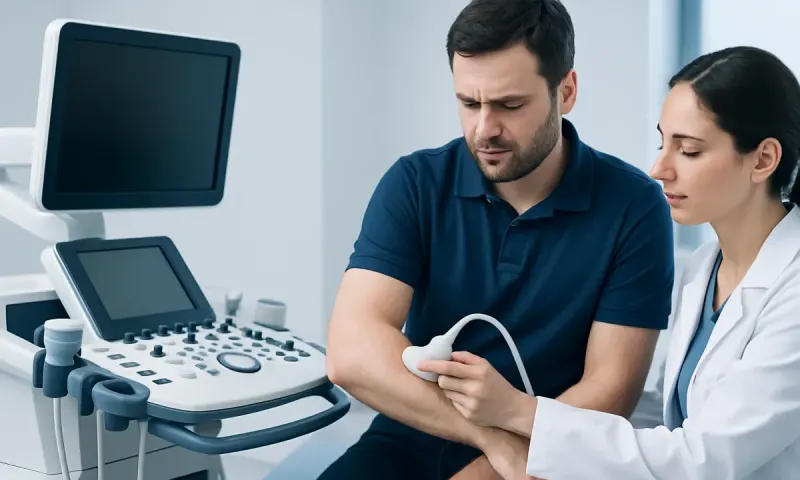
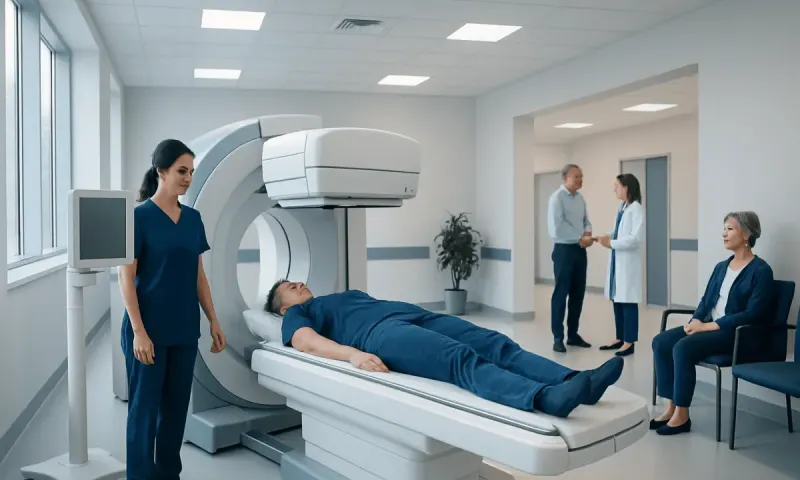
Blood tests may be used to measure uric acid and look for signs of inflammation or reduced kidney function. However, uric acid can be normal during an acute flare, so blood testing is only one piece of the picture. Imaging such as ultrasound or MRI may be helpful when the diagnosis is uncertain, when deeper tissues are involved, or when doctors need to assess other causes of elbow pain.
In some cases, X-rays or ultrasound can show crystal deposits, tophi, or signs of chronic joint change. A careful diagnosis is important because infections, traumatic injuries, inflammatory arthritis, and elbow bursitis can look similar but require different treatment.
Treatment options for symptom relief and long-term control
Treatment depends on whether the goal is to calm an acute attack, prevent future flares, or manage tophi and joint damage. During a gout flare, doctors often use anti-inflammatory medicines to reduce pain and swelling. Depending on the person’s medical history, options may include nonsteroidal anti-inflammatory drugs, colchicine, or corticosteroids. The right choice depends on kidney function, stomach health, other medications, and overall risk profile.
If fluid has built up in the elbow bursa or joint, aspiration may help relieve pressure and improve comfort while also assisting diagnosis. In selected cases, a doctor may recommend targeted care from specialists experienced in rheumatology if flares are frequent, diagnosis is difficult, or uric acid remains poorly controlled.
For people with recurrent attacks, tophi, kidney stones, or signs of joint damage, long-term urate-lowering treatment may be considered. These medicines aim to reduce uric acid over time so fewer crystals form and existing deposits gradually shrink. They are usually part of a broader plan that includes monitoring blood tests, reviewing diet and alcohol intake, and checking for related conditions such as high blood pressure or kidney disease.
When elbow pain could be coming from more than one source, assessment by orthopedics and traumatology or by imaging specialists may be useful, and a team working together often makes diagnosis and treatment smoother. Acıbadem Health Point’s multidisciplinary specialists and JCI-accredited hospitals diagnose and treat this condition for international patients when a fuller evaluation is needed.
Self-care, lifestyle measures, and prevention
Self-care can support medical treatment, especially during and between flares. During an acute episode, resting the elbow, avoiding pressure on the joint, and using a cool compress may help reduce discomfort. Patients should follow their doctor’s guidance about medicines rather than starting or stopping treatment on their own.
Long-term prevention often focuses on reducing factors that raise uric acid. Helpful measures may include drinking enough water, limiting alcohol, especially beer and spirits, and maintaining a healthy body weight. Some people are advised to reduce purine-rich foods such as organ meats, certain shellfish, and large amounts of red meat, while emphasizing balanced meals with vegetables, whole grains, and appropriate protein choices.
Your other health conditions matter here too. Keeping blood pressure, diabetes, and kidney problems well controlled may improve overall gout management. Doctors may review medications that can affect uric acid and decide whether alternatives are appropriate.
Diet alone may not be enough to control gout in the elbow, especially when attacks are frequent or uric acid stays high. Even so, lifestyle changes lower flare risk and help medical treatment work better over time. A plan you can actually keep up with beats a strict one you abandon in three weeks.
When to seek medical care
Medical care is important when elbow pain and swelling begin suddenly, especially if the joint is red, hot, or difficult to move. Although gout is a common cause of inflammatory joint pain, an infected joint or infected bursa can look similar and needs urgent treatment. New or severe symptoms should not be assumed to be gout without assessment.
A person should seek prompt medical attention if elbow symptoms are accompanied by fever, chills, marked redness, spreading skin changes, or severe limitation of motion. Care is also advisable if the diagnosis is uncertain, if attacks keep returning, or if lumps suggest tophi are forming. People with kidney disease, diabetes, or immune system problems should be especially cautious.
Follow-up care matters even after a flare settles. Recurrent episodes may indicate ongoing uric acid imbalance that can affect other joints or contribute to kidney stones. Early review helps guide testing, treatment adjustments, and prevention strategies before complications develop.
Frequently asked questions
01Can gout affect the elbow instead of the big toe?
Yes. Although the big toe is the classic location, gout can also affect the elbow, knee, ankle, wrist, and other joints. Elbow involvement may be less expected, which is one reason it can be confused with bursitis or infection.
02What does gout in elbow feel like?
It often causes sudden pain, swelling, warmth, and tenderness around the elbow. The joint may feel stiff, and even light pressure or movement can be uncomfortable during a flare.
03How is gout in elbow confirmed?
Doctors confirm it through a combination of history, examination, and tests. The most specific test is analysis of fluid from the joint or bursa to look for uric acid crystals, while blood tests and imaging may provide additional support.
04Can gout in elbow go away on its own?
A flare may ease over days to weeks, but the underlying tendency to form crystals often remains. Without proper treatment and prevention, attacks can return and may eventually lead to tophi or joint damage.
05Is gout in elbow the same as tennis elbow?
No. Tennis elbow is usually a tendon overuse problem, while gout is an inflammatory arthritis caused by uric acid crystals. Both can cause elbow pain, but they have different causes, patterns, and treatments.
06What foods should be limited with gout?
Doctors often advise limiting foods high in purines, such as organ meats and some seafood, and reducing alcohol intake. However, diet is only one part of gout management, and many people also need medical evaluation and sometimes long-term treatment.
This article is for general information only and is not a substitute for professional medical advice. Please consult a qualified doctor about your individual situation.
Joint and spine care in Turkey — expert assessment & treatment
JCI-accredited · board-certified surgeons · reply within 24h
Add us as a Preferred Source to see more of our trusted health content across Google Search, AI Overviews and Discover.