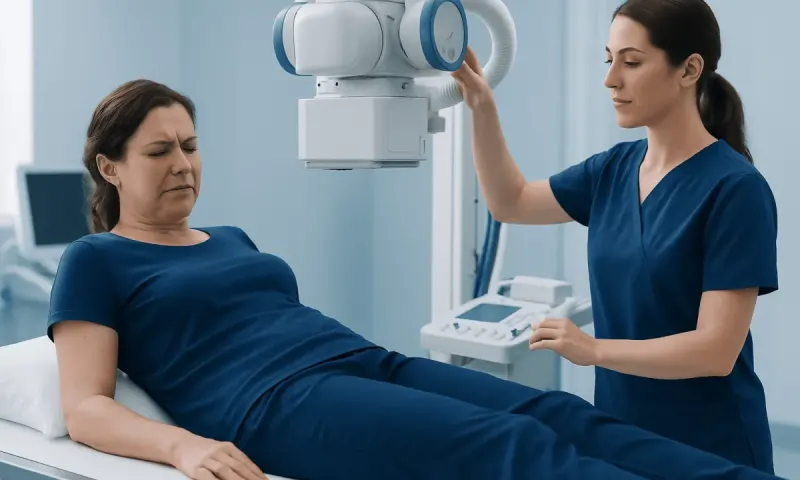
Tendinitis: Symptoms, Causes and Treatment

Key Takeaways
- Tendinitis commonly causes localized pain, tenderness, and stiffness around a joint.
- Repetitive motions, sports strain, and occupational overuse are frequent triggers.
- Diagnosis is usually based on history and physical examination, with imaging used when needed.
- Most cases respond to activity modification, pain relief, and rehabilitation exercises.
- Gradual return to activity helps reduce the chance of recurrence.
Tendinitis is irritation or inflammation of a tendon, the strong band of tissue that connects muscle to bone. It often develops from repetitive strain, overuse, or a sudden increase in activity, and it usually improves with timely rest, targeted treatment, and guided rehabilitation.
Overview
Tendinitis refers to pain and irritation in a tendon, the tough cord-like structure that anchors muscle to bone. When a tendon is repeatedly loaded beyond what it can comfortably tolerate, the tissue can become irritated and sore, especially during movement. It is a common reason people notice pain in the shoulder, elbow, wrist, knee, hip, or Achilles region.
Although the word is often used broadly, not every painful tendon is inflamed in the same way. Some cases are more accurately described as tendon overload or tendinopathy, where small structural changes develop over time. The practical message is similar: the tendon needs a period of reduced strain, followed by a careful rebuild of strength and function.
For people traveling for care, tendinitis can be particularly frustrating because pain may appear after a work trip, sports event, or a period of heavy physical activity. A clear diagnosis helps patients decide whether they can recover with conservative treatment, need imaging or injections, or should plan follow-up with an orthopedics or rehabilitation specialist after returning home.
Symptoms
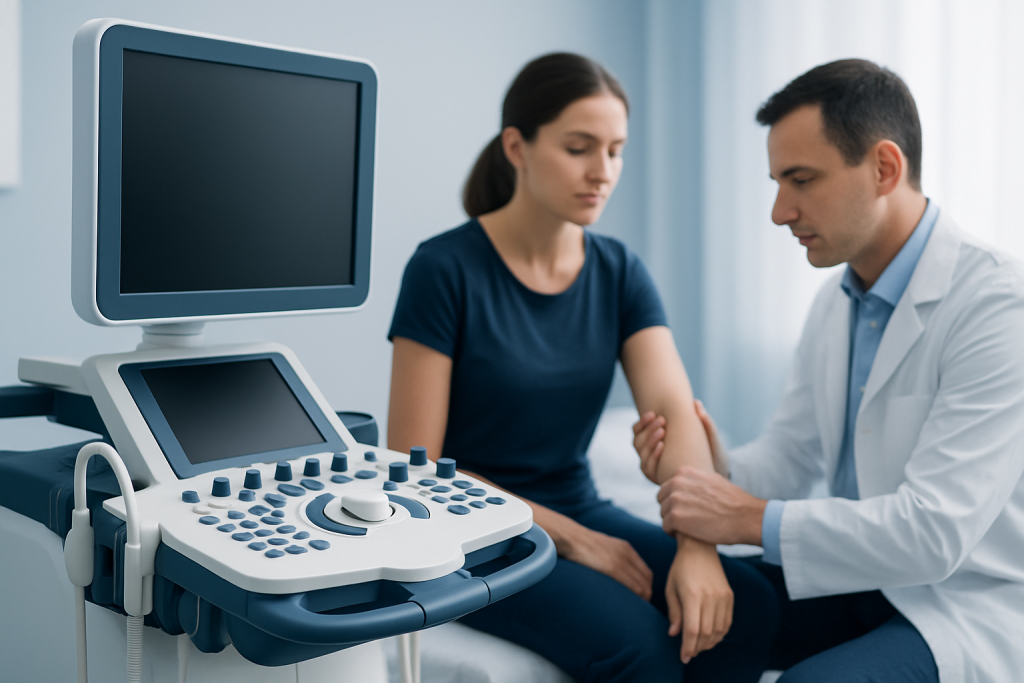
The most typical sign is localized pain that worsens when the affected tendon is used and eases with rest. The area may feel tender to touch, stiff after inactivity, or uncomfortable during specific tasks such as gripping, climbing stairs, reaching overhead, or running.
Some people notice mild swelling, warmth, or a creaking sensation when the tendon moves. Symptoms often begin gradually rather than after a single injury, which is why early tendon pain can be easy to dismiss as a temporary strain.
Common patterns include:
- Shoulder pain with lifting or reaching
- Elbow pain during gripping or racquet sports
- Pain at the front of the knee with jumping or stairs
- Aching at the back of the heel with walking or running
- Wrist or thumb pain with repeated hand use
If pain becomes severe, weakness develops, or a sudden pop is felt, a tendon tear or another injury may be present and medical evaluation is important.
Causes & Risk Factors

Tendinitis usually develops when a tendon is asked to do more than it is currently conditioned to handle. Repetitive motion is a major driver, especially when the same movement is performed for long periods without enough recovery. That can happen in sports, manual work, instrument playing, certain hobbies, or even prolonged computer and phone use.
Age-related tendon changes can also play a role. Tendons lose some elasticity over time, which can make them less tolerant of sudden increases in activity. Poor technique, inadequate warm-up, muscle imbalance, and footwear or equipment that does not fit well may add to the load.
Risk can be higher when a person:
- Has a sudden increase in exercise intensity or duration
- Repeats a single movement at work or in sport
- Has weak supporting muscles or limited flexibility
- Has diabetes, inflammatory conditions, or certain metabolic disorders
- Uses corticosteroids or some antibiotics in some situations, which may affect tendon health
Because tendon pain often reflects both tissue irritation and load overload, treatment is usually more successful when the trigger is identified and corrected, not just the pain treated.
Diagnosis
Diagnosis starts with a careful conversation about where the pain is, what makes it worse, how long it has been present, and whether activity, work, or sport changes preceded it. A clinician will usually examine the joint and surrounding muscles, checking for tenderness, range of motion, swelling, and weakness.
In many cases, no sophisticated testing is needed at first. If symptoms are persistent, unusual, or severe, imaging may help confirm the problem or rule out other causes such as a tear, arthritis, fracture, or nerve-related pain. Ultrasound is often useful for viewing tendons in motion, while MRI can provide more detail when the diagnosis is unclear or surgery is being considered.
For international patients, bringing a timeline of symptoms, prior imaging, and a list of activities that aggravate pain can make the consultation more efficient. That information helps the specialist tailor treatment and decide whether therapy can begin immediately or whether follow-up imaging is needed before travel plans resume.
Treatment Options
Treatment usually focuses on reducing tendon stress while helping the tissue regain capacity. Short-term rest from the aggravating activity may be recommended, but complete inactivity is not always the goal. Many patients do best with relative rest, meaning they avoid painful motions while still keeping the rest of the body moving safely.
Pain relief may include cold packs, anti-inflammatory medicines when appropriate, or other clinician-guided options. A brace, taping, heel lift, or ergonomic adjustment can sometimes lower strain on the tendon during healing. If the pain is significant, a doctor may consider injections in selected cases, but these are not suitable for every tendon problem and must be used thoughtfully.
Rehabilitation is often the most important part of recovery. A physiotherapist may guide stretching, progressive strengthening, and movement retraining to restore tendon load tolerance. This matters because symptoms often improve before the tendon is fully ready for demanding activity, and returning too quickly can lead to recurrence.
When conservative treatment is not enough, or if there is a substantial tear or chronic problem, specialist procedures may be discussed. The exact approach depends on the tendon involved, how long symptoms have lasted, and whether the patient needs to return to sport, work, or travel with a predictable recovery plan.
Prevention & Self-care
Prevention begins with respecting how much load a tendon can handle today, not how much it handled months ago. A gradual increase in exercise, regular warm-ups, and attention to technique can reduce strain, especially after time away from training or after a long sedentary period.
At home, many people benefit from short periods of relative rest, ice for comfort, and avoiding repeated painful motions until symptoms settle. Supportive footwear, ergonomic changes at a desk or workstation, and alternating tasks can also help if the tendon was irritated by daily routines rather than sport alone.
Helpful habits include:
- Building activity levels slowly after illness, travel, or a break from exercise
- Including strength work for the muscles that support the painful tendon
- Using proper form and equipment in sport or work
- Taking brief movement breaks during repetitive tasks
- Listening to early warning pain rather than pushing through it
For patients recovering away from home, it is sensible to ask for a simple written rehab plan. Clear instructions on what to avoid, what to continue, and when to progress can make follow-up care easier once the patient is back in their own country.
When to See a Doctor
Medical evaluation is sensible when tendon pain lasts more than a short time, keeps returning, or begins limiting everyday activities. A doctor should also be seen if swelling is marked, movement becomes difficult, or pain is interfering with sleep, work, sports, or self-care.
Prompt assessment is especially important if there was a sudden injury, a popping sensation, visible deformity, or notable weakness, as these may suggest a more serious tendon injury. People with diabetes, inflammatory disease, or symptoms in more than one tendon area may also benefit from earlier evaluation.
Specialist care can be helpful when the diagnosis is uncertain, symptoms do not improve with basic measures, or a structured rehabilitation plan is needed. Acibadem Health Point’s multidisciplinary specialists and JCI-accredited hospitals diagnose and treat tendinitis for international patients, with coordinated care that can support both treatment and follow-up planning.
Recovery and Outlook
Most people with tendinitis improve with appropriate load management and rehabilitation, though recovery speed varies widely depending on the tendon involved and how long symptoms have been present. A tendon that has been painful for weeks or months generally needs a more gradual rebuild than one that was irritated only recently.
The outlook is usually best when treatment addresses both the irritated tissue and the reason it became overloaded in the first place. That may mean adjusting training schedules, improving movement patterns, treating underlying health conditions, or refining work ergonomics.
Because tendon problems can recur, recovery should not end when the pain fades. A stepwise return to activity, guided by a clinician or physiotherapist, helps the tendon adapt safely and lowers the chance that the same pain will return after travel, competition, or resuming a busy routine.
Frequently asked questions
01What is the difference between tendinitis and tendinopathy?
Tendinitis traditionally means inflammation of a tendon, while tendinopathy is a broader term that includes pain, irritation, and structural change. In everyday medical use, both terms are sometimes used for similar tendon pain problems. A clinician can explain which description best fits the situation.
02Should rest be complete when tendinitis starts?
Usually not. Short-term reduction of painful activity is helpful, but complete rest for too long can weaken the tendon and surrounding muscles. Most patients do better with relative rest and a gradual return guided by a professional.
03Can tendinitis heal on its own?
Mild cases may settle if the provoking activity is reduced early enough. However, persistent pain often needs a structured plan, because the tendon may keep being overloaded if the original trigger is not changed. Early care usually supports a smoother recovery.
04Is exercise safe with tendinitis?
Gentle, non-painful movement is often helpful, but the right exercise depends on the tendon involved and the stage of recovery. A physiotherapist can choose strengthening and stretching work that supports healing without overloading the tendon. Pain should be monitored carefully.
05When is imaging needed for tendon pain?
Imaging is not always necessary at first, since many cases are diagnosed by history and examination. It may be used when symptoms are severe, long-lasting, unusual, or when a tear or another condition needs to be ruled out.
06Can tendinitis come back after it improves?
Yes, recurrence can happen if the same loading pattern returns too quickly. A gradual increase in activity, attention to technique, and ongoing strengthening are the best ways to lower that risk. A clear rehabilitation plan is especially useful for active patients and travelers.
This article is for general information only and is not a substitute for professional medical advice. Please consult a qualified doctor about your individual situation.
Joint and spine care in Turkey — expert assessment & treatment
JCI-accredited · board-certified surgeons · reply within 24h
Add us as a Preferred Source to see more of our trusted health content across Google Search, AI Overviews and Discover.