Buckle Fracture: Symptoms, Causes and Treatment

Key Takeaways
- A buckle fracture is an incomplete break where one side of the bone compresses and bulges, most often in children.
- It commonly follows a fall onto an outstretched hand and may cause pain, swelling, and tenderness near the injury.
- Diagnosis is usually made with an examination and X-rays, although some cases need careful reassessment if symptoms change.
- Treatment is often conservative, using a splint or cast, pain relief as advised, and activity adjustment during healing.
- Most children heal smoothly, but medical review is important if pain worsens, the limb looks crooked, or numbness develops.
A buckle fracture is a common, usually stable bone injury in children, often affecting the wrist after a fall. With the right diagnosis, simple treatment, and follow-up, most children recover well and return to normal activity.
Overview
A buckle fracture, also called a torus fracture, is a common childhood bone injury. It happens when a bone is compressed so that one side buckles outward, rather than breaking all the way through. This pattern is most often seen in the wrist, especially in the radius bone after a fall.
Because children’s bones are still flexible, they can bend under force in a different way from adult bones. That flexibility often makes the injury less complicated than a complete fracture, but it still deserves proper assessment. A buckle fracture is usually stable, meaning the bone has not shifted significantly out of position.
For families managing the injury from home, or for international patients arranging care while traveling, it is helpful to know that treatment is usually straightforward. The main goals are to confirm the diagnosis, ease discomfort, protect the bone while it heals, and make sure the child safely returns to everyday activities.
Symptoms

The first clue is usually pain after a fall or direct impact. A child may begin using the hand or arm less, hold it cautiously, or complain that it hurts when the wrist is moved or touched.
Swelling and tenderness are common, and the area may look mildly bruised. In many cases, the arm does not appear severely deformed, which can make the injury seem minor at first glance. Even so, the child may still be uncomfortable enough to avoid writing, dressing, or lifting objects.
Typical features include:
- Pain at or near the wrist, forearm, or another injured bone
- Localized swelling or tenderness
- Reduced use of the limb
- Pain with movement or pressure
- Sometimes mild bruising, but little or no visible deformity
If the hand becomes cold, pale, very swollen, numb, or increasingly painful, medical attention should be sought promptly because those signs are not typical for a simple stable injury.
Causes & Risk Factors

Buckle fractures are usually caused by a fall onto an outstretched hand. The force travels through the wrist and compresses the bone, which leads to the characteristic “buckling” of the outer surface. Sports falls, playground accidents, and everyday tumbles are common scenarios.
They are seen most often in children because their bones are softer and more pliable than adult bones. Younger patients, particularly those with active lifestyles, may be at slightly higher risk simply because they fall more often while running, climbing, or playing.
Factors that may increase the chance of this injury include:
- Childhood and early adolescence
- Falls during play or sports
- Landing on an extended hand or arm
- Activities with a higher risk of impact, such as skating or cycling
A buckle fracture can also occur in other long bones, but the wrist is the most familiar location. The mechanism is typically straightforward, which helps explain why the injury is often stable and heals predictably when managed correctly.
Diagnosis
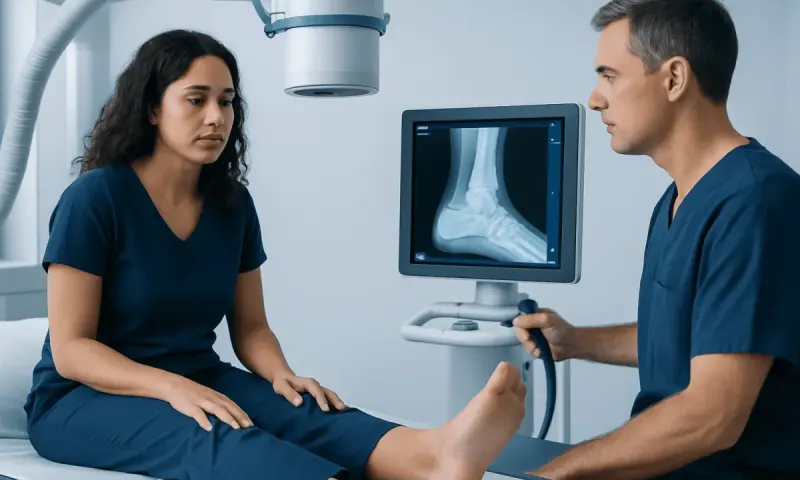
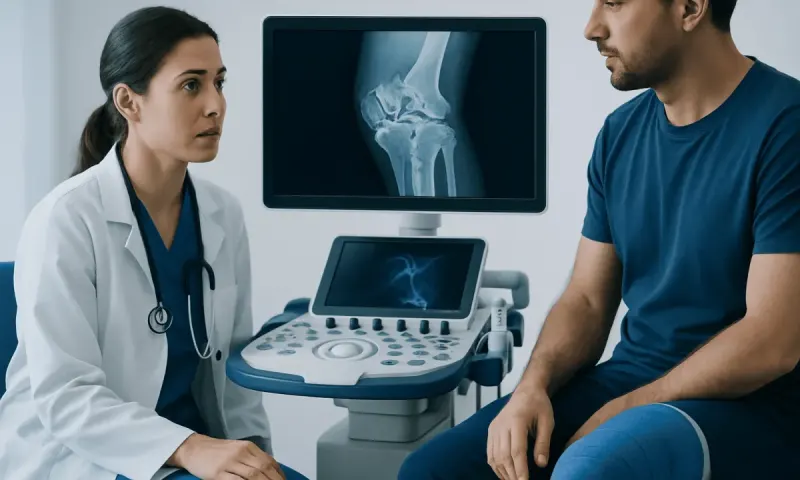
Diagnosis starts with a careful history and physical examination. A clinician will ask how the injury happened, where it hurts, and whether the child can move the hand, wrist, or arm. The exam helps identify tenderness, swelling, and any signs that the injury may be more than a buckle fracture.
X-rays are the usual next step. They help show the subtle compression pattern that defines a buckle fracture and rule out a complete fracture or a more complex injury. In some cases, especially when symptoms and imaging do not perfectly match, follow-up reassessment may be recommended.
For families seeking care while abroad, diagnostic clarity matters because it guides the simplest safe treatment. A stable buckle fracture may be managed differently from other fractures, so getting the correct diagnosis early can reduce unnecessary restrictions and help the child recover comfortably.
Treatment Options
Most buckle fractures are treated without surgery. Because the bone is stable, a removable splint or a short cast is often enough to protect the area while it heals. The exact choice depends on the child’s age, comfort, and the clinician’s judgment.
Knee Pain Relief: Causes and Treatment" class="ahp-ilk">Pain relief is usually handled with general measures recommended by the care team, such as rest, elevation, and appropriate over-the-counter medicine if advised by a clinician. Ice can sometimes help early swelling when used carefully and briefly, with a cloth barrier to protect the skin.
Typical treatment may include:
- Splinting or casting for support
- Limiting sports and rough play during healing
- Reassessment if pain is not improving as expected
- Guidance on when it is safe to return to school activities or sports
Surgery is not usually needed for a true buckle fracture. If the child has significant deformity, severe pain, or an X-ray that shows a different fracture pattern, the treatment plan may need to change.
Prevention & Self-care
Not every fracture can be prevented, especially in energetic children who are learning coordination and balance. Still, practical safety habits can reduce risk. Supervision during active play, age-appropriate protective gear, and safer sports environments all help lower the chance of falls.
At home, the main job is to support healing. The child should use the injured limb as instructed, avoid high-impact play until cleared, and keep follow-up appointments if they are arranged. A splint or cast should stay dry and clean, and any rubbing, pressure points, or skin irritation should be mentioned to the care team.
Traveling families may find it useful to carry the discharge instructions, X-ray report, and a short summary of the injury if they move between countries or continue care at home. That information helps another clinician understand how the fracture was managed and when the child is expected to resume normal activities.
When to See a Doctor
Medical review is important after any suspected fracture, even if the injury appears mild. A child should be assessed if there is persistent pain, swelling, reduced use of the arm, or tenderness after a fall. Early evaluation helps confirm the diagnosis and prevents the injury from being mistaken for a simple bruise.
Urgent care is needed if the hand or fingers become numb, unusually cold, very pale, or increasingly swollen. A visible bend in the arm, open wound, or pain that is clearly worsening also deserves prompt attention. If a splint or cast feels too tight, the child should be checked without delay.
Families planning care from another country should ask for clear instructions about follow-up, repeat imaging if needed, and return-to-activity timing. Acibadem Health Point’s multidisciplinary specialists and JCI-accredited hospitals diagnose and treat this condition for international patients, with care plans that can be coordinated across travel and recovery needs.
Frequently asked questions
01What exactly is a buckle fracture?
A buckle fracture is an incomplete break in which one side of the bone compresses and bulges outward. It is common in children because their bones are more flexible than adult bones.
02Is a buckle fracture serious?
It is usually less complicated than a complete fracture and is often stable. Even so, it should still be assessed so the correct treatment and follow-up can be arranged.
03Does a buckle fracture always need a cast?
Not always. Many children do well with a removable splint, while some may be treated with a short cast depending on the injury and clinician preference.
04How long does recovery take?
Healing time varies with the child’s age and the bone involved, but buckle fractures generally recover well with conservative treatment. A clinician can give guidance on when normal play and sports can resume.
05Can my child still move the wrist with a buckle fracture?
Some movement is often still possible, though it may be painful. Reduced use of the wrist or arm is common, and the child should be evaluated rather than encouraged to keep testing it.
06When should we seek urgent help?
Urgent assessment is needed if there is numbness, marked swelling, a cold or pale hand, obvious deformity, or pain that is getting worse. These signs may suggest a problem that needs prompt review.
This article is for general information only and is not a substitute for professional medical advice. Please consult a qualified doctor about your individual situation.
Joint and spine care in Turkey — expert assessment & treatment
JCI-accredited · board-certified surgeons · reply within 24h
Add us as a Preferred Source to see more of our trusted health content across Google Search, AI Overviews and Discover.