Knock Knees: Symptoms, Causes and Treatment

Key Takeaways
- Knock knees can be a normal part of growth in young children, but persistence beyond the expected age range may need evaluation.
- The condition may be linked to bone growth patterns, injury, infection, excess weight, or certain medical conditions.
- Diagnosis usually starts with a physical examination and may include imaging if the alignment problem is significant or unusual.
- Treatment depends on age and cause and may range from observation and bracing to physiotherapy or surgery in selected cases.
- Pain, asymmetry, worsening deformity, or trouble with walking are good reasons to seek an orthopedic opinion.
Knock knees, also called genu valgum, describe an inward angling of the knees that can be a normal stage of childhood development or a sign of an underlying orthopedic issue. In older children, adolescents, and adults, the condition may affect walking comfort, joint strain, and long-term alignment, so understanding the cause is an important first step.
Overview
Knock knees, known medically as genu valgum, describe a leg alignment pattern in which the knees angle inward while the ankles remain apart. To many families, the change is first noticed in a mirror, in school photographs, or when a child begins to walk with the knees touching more than expected.
In early childhood, this position can be part of normal growth and may improve on its own as the legs mature. In older children, teenagers, and adults, however, knock knees can reflect a structural difference in the bones, the joints, or the way weight is distributed through the lower limbs.
The practical question is not simply whether the knees look different, but whether the alignment is causing pain, fatigue, tripping, uneven shoe wear, or strain in nearby joints. A careful orthopedic assessment helps distinguish a harmless developmental phase from a problem that deserves treatment.
Symptoms
The appearance of the legs is often the first clue. The knees may touch when a person stands with the feet together, while the ankles remain separated. Some people notice that the lower legs angle outward, or that one side looks more pronounced than the other.
Symptoms are not limited to appearance. Depending on the cause and severity, a person may experience knee discomfort after walking or sports, aching around the kneecap, fatigue with longer activity, or a sense that the legs are unstable. Children may also trip more often, although this can happen for many reasons and is not specific to genu valgum.
Features that suggest the alignment deserves medical review include:
- Knock knees that are clearly worsening over time
- One leg appearing more affected than the other
- Pain in the knees, hips, or ankles
- Limping, reduced activity, or difficulty keeping up with peers
- Short stature, delayed growth, or other signs of a broader health issue
Causes & Risk Factors
Normal development is one of the most common explanations in younger children. As the body grows, the angle of the legs changes, and a period of inward knee angling can appear before gradually settling into a more typical alignment.
When knock knees occur outside the usual developmental pattern, the causes may include differences in bone growth, previous injury to the growth plate, infection, nutritional problems, or conditions that affect the skeleton more broadly. In some people, excess body weight can place additional stress on the knees and make the alignment more noticeable or more symptomatic.
Risk factors can vary with age and medical history. A doctor may look for a family tendency toward alignment differences, history of rickets or vitamin D deficiency, prior fractures, arthritis, or neuromuscular conditions that influence muscle balance and gait. Sometimes no single cause is found, and the condition is described according to its mechanical pattern rather than a named disease.
Diagnosis
Diagnosis begins with a conversation about when the alignment was first noticed, whether it is changing, and whether there is pain or limitation. The doctor will also ask about growth, activity level, injury history, and any medical conditions that might affect the bones or joints.
A physical examination usually includes observing the person standing and walking, measuring the distance between the ankles and the knees, and checking whether the alignment is symmetric. The clinician may also examine the hips, feet, and spine, because differences in one area can influence the way the legs appear.
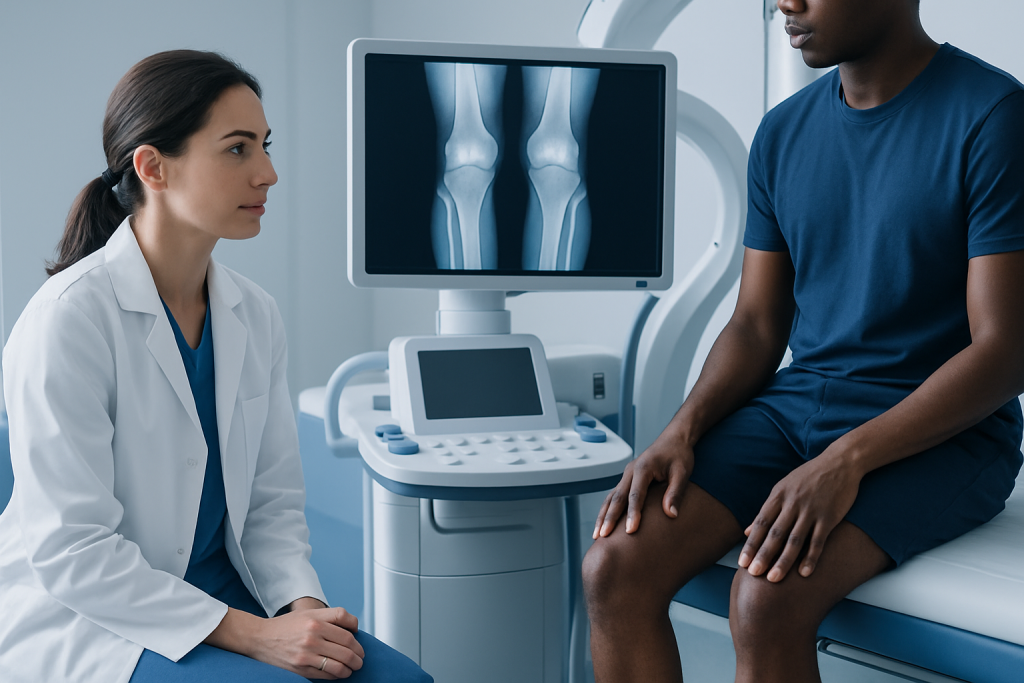
Imaging is not always needed, especially when the pattern appears mild and age-appropriate. If the deformity is marked, asymmetric, progressive, or associated with pain, an X-ray or other imaging study may help define the bone alignment and guide treatment planning. In an international-patient setting, this is often where a clear, stepwise plan becomes especially helpful: diagnosis should be efficient, but still detailed enough to avoid unnecessary intervention.
Treatment Options
Treatment is guided by the person’s age, the severity of the alignment, the symptoms, and the underlying cause. For many young children, careful observation is all that is needed, because the legs may improve as growth continues. A follow-up schedule helps the doctor confirm that the pattern is moving in the expected direction.
When knock knees are related to a correctable cause, treatment addresses that cause. This might include managing vitamin D deficiency, reviewing nutrition, treating an underlying bone disorder, or supporting recovery after injury. Physiotherapy may be recommended to improve strength, movement control, and walking mechanics, especially if discomfort is present.
Bracing is used selectively, depending on the age and the reason for the alignment problem. In more persistent or severe cases, especially in adolescents nearing skeletal maturity or adults with symptomatic malalignment, surgery may be considered. Procedures are planned individually and may aim to guide growth in younger patients or realign the bone in older patients. The right option depends on the exact anatomy and the goals of care, so a specialist opinion is important before making decisions.
Prevention & Self-care
Not every case of knock knees can be prevented, particularly when the cause is developmental or related to growth. Still, practical self-care can help reduce strain and support healthy movement. Maintaining a balanced diet, getting appropriate vitamin D and calcium as advised by a clinician, and staying active are all sensible measures for bone and muscle health.
For children and adults with mild alignment differences, supportive habits can make daily life more comfortable. Comfortable footwear, weight management when appropriate, and low-impact exercise such as swimming or cycling may be easier on the knees than repetitive high-impact activity. A physiotherapist can also suggest exercises that improve hip and thigh strength, which often helps with knee mechanics.
International patients often plan a short in-person evaluation and then continue recovery or exercise programs at home. That approach works best when the care team provides a clear written plan, including activity guidance, follow-up timing, and signs that should prompt re-evaluation after travel.
When to See a Doctor
A medical review is a good idea if knock knees are painful, worsening, or clearly different on one side. It is also wise to seek evaluation if the alignment is affecting walking, sports participation, or confidence in a child or adult.
Children should be assessed if knock knees persist beyond the age when they would usually improve, or if there are other concerns such as short stature, delayed milestones, limp, or frequent falls. Adults should not assume the problem is purely cosmetic if they have knee pain, early arthritis symptoms, or a history of previous leg injury.
For people traveling from abroad, planning care with enough time for examination, imaging, and a follow-up discussion can prevent rushed decisions. Acibadem Health Point’s multidisciplinary specialists and JCI-accredited hospitals diagnose and treat knock knees for international patients, helping them move from assessment to a practical treatment plan with clarity and continuity.
Living With Knock Knees
Many people with knock knees live well with the condition, especially when the alignment is mild and not causing symptoms. The main goal is to protect the joints, preserve mobility, and avoid unnecessary treatment when observation is the safest choice.
When symptoms are present, steady follow-up matters more than one-off reassurance. Monitoring whether the knees are changing, whether pain is developing, and whether activity is becoming limited gives the doctor a better sense of whether the condition is stable or needs a new approach.
Families and adult patients often find it helpful to focus on function rather than appearance alone. Good management is usually about understanding the mechanics of the legs, choosing the right level of support, and adjusting care as growth or activity demands change.
Frequently asked questions
01Are knock knees always a problem in children?
Not necessarily. In young children, knock knees can be part of normal growth and may improve over time without treatment. A doctor is more likely to investigate if the alignment is severe, one-sided, painful, or still present at an age when it should be improving.
02Can knock knees cause pain later in life?
They can, especially if the alignment places extra stress on the kneecap or other parts of the joint. Some adults have no symptoms at all, while others notice aching with walking, stairs, or sports. Evaluation helps determine whether the pain is actually related to alignment or another knee problem.
03How do doctors confirm the diagnosis?
They usually begin with a physical examination and a review of symptoms, growth, and medical history. If the pattern is unusual or significant, imaging may be used to measure the alignment more precisely and look for an underlying cause.
04Is surgery always needed for knock knees?
No. Many cases are managed with observation, physiotherapy, or treatment of the underlying cause. Surgery is reserved for selected cases where the deformity is severe, persistent, or clearly affecting function.
05Can exercise fix knock knees?
Exercise can help improve strength, movement control, and comfort, but it usually does not change the bone alignment itself. A physiotherapist may recommend exercises that support the hips and thighs, which can reduce strain on the knees.
06When should an adult with knock knees seek help?
An adult should seek assessment if the knees are painful, worsening, or interfering with walking or daily activities. It is also sensible to get checked if there is a history of injury or if the alignment appears to be progressing.
This article is for general information only and is not a substitute for professional medical advice. Please consult a qualified doctor about your individual situation.
Joint and spine care in Turkey — expert assessment & treatment
JCI-accredited · board-certified surgeons · reply within 24h
Add us as a Preferred Source to see more of our trusted health content across Google Search, AI Overviews and Discover.