Temple Alopecia: Causes of Hair Loss at the Temples

Temple alopecia describes thinning or loss of hair around the temples, the areas at the front sides of the scalp. It is a pattern rather than a single diagnosis, and the best treatment depends on whether the loss is genetic, related to hair practices, inflammatory, autoimmune, or scarring.
Overview: What Is Temple Alopecia?
Temple alopecia means reduced hair density or visible hair loss around one or both temples. The temples sit between the forehead and the ears, and changes in this area can make the front hairline appear higher, more uneven, or more recessed. Temple alopecia is not a medical diagnosis by itself; it is a location and pattern of hair loss that can have several different causes.
Some people notice a slow, symmetrical change over years. Others develop rapid shedding, a distinct smooth patch, irritation around the hairline, or widening loss that progresses toward the scalp. These details are useful because they help a clinician distinguish between common non-scarring hair loss and conditions that can damage hair follicles permanently. In many cases, timely evaluation can clarify the cause and guide appropriate care.
Hair growth naturally occurs in cycles, and mild changes in hairline shape can occur with age. However, a new or progressing change at the temples deserves attention when it is bothersome, sudden, patchy, or accompanied by scalp symptoms. A qualified dermatologist can assess the scalp and discuss whether treatment, monitoring, or changes in hair care are appropriate.
How Temple Hair Loss Can Look and Feel
Temple hair loss can present in different ways. A person may see gradual thinning of finer hairs at the front corners of the scalp, a receding hairline, or reduced fullness that makes the scalp more visible. In androgenetic hair loss, often called pattern hair loss, recession at the temples may be gradual and commonly occurs with thinning elsewhere on the scalp.
Other patterns can look different. Alopecia areata may cause one or more smooth, round or oval patches that appear over days or weeks. Traction alopecia often affects the hairline and temples, especially where hairstyles pull repeatedly. Frontal fibrosing alopecia may cause a band-like recession of the frontal or temporal hairline, sometimes with reduced or absent eyebrows and changes in the skin around follicles.
Symptoms such as itching, burning, tenderness, scaling, redness, pustules, or shiny skin should not be ignored. Hair loss itself is not usually painful, so these signs may indicate inflammation, infection, or a scarring alopecia. The presence or absence of symptoms does not confirm a cause, but it helps shape the clinical assessment.
Common Causes and Risk Factors

Androgenetic alopecia is one of the most frequent reasons for gradual temple recession. It is influenced by inherited sensitivity of hair follicles to hormones and can affect people of all genders. In men, it may begin with recession at the temples and thinning at the crown. In women, diffuse thinning or widening of the part is more typical, but temporal thinning can also occur.
Traction alopecia results from repeated pulling on the hair shaft and follicle. Tight ponytails, braids, buns, extensions, weaves, head coverings worn with strong tension, and frequent use of styling practices that strain the hairline can contribute. Early traction alopecia may improve when tension is removed, while long-standing traction can lead to follicle damage and permanent loss.
Autoimmune, inflammatory, and scarring disorders are also important considerations. Alopecia areata is an autoimmune condition that can cause sudden patchy hair loss. Frontal fibrosing alopecia and lichen planopilaris are examples of inflammatory scarring alopecias that may affect the front and sides of the hairline. Less commonly, fungal infection of the scalp, thyroid disease, iron deficiency, major illness, nutritional inadequacy, some medicines, or stress-related shedding may contribute to hair loss, although these often affect broader areas of the scalp rather than only the temples.
- Family history of pattern hair loss may increase the likelihood of gradual temple recession.
- Frequent high-tension hairstyles and chemical or heat damage can raise the risk of traction-related loss.
- Autoimmune disease history, scalp inflammation, or sudden patchy loss may point toward a condition needing prompt dermatology review.
How Doctors Diagnose the Cause
Diagnosis begins with a detailed history. A clinician may ask when the hair loss started, how quickly it has changed, whether shedding is occurring elsewhere, and whether there are symptoms such as itch or pain. Questions about family history, recent illness, pregnancy or hormonal changes, diet, stress, medications, hair products, chemical treatments, and styling practices can provide important clues.
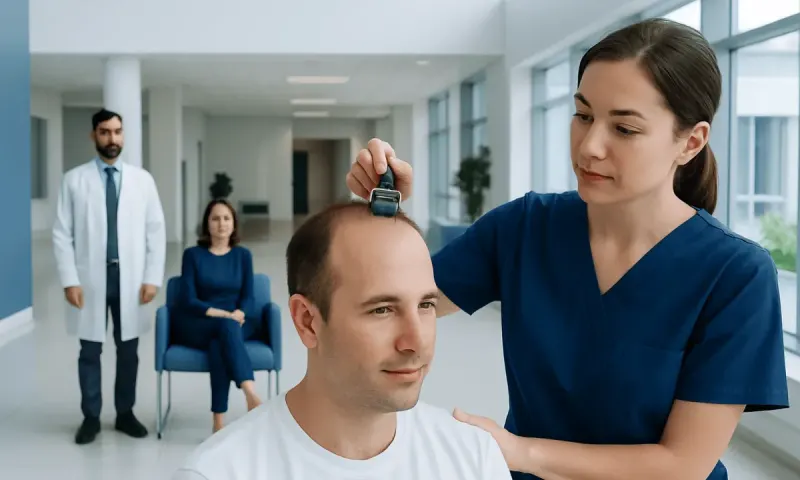
During the examination, the doctor evaluates the hairline, scalp skin, follicle openings, hair shaft thickness, and distribution of loss. A dermatoscope, a handheld device that magnifies the scalp, may help identify features of miniaturized hairs, broken hairs, inflammation, or scarring. The hair-pull test may be used in selected cases to check for active shedding.
Blood tests are not needed for every person with temple alopecia. They may be considered when symptoms or medical history suggest thyroid dysfunction, iron deficiency, hormonal imbalance, nutritional deficiency, or another underlying condition. If the diagnosis remains uncertain or a scarring disorder is suspected, a small scalp biopsy may be recommended. This test can identify inflammation around follicles and help determine the most suitable treatment plan.
Treatment Options Depend on the Underlying Cause
Treatment for temple alopecia should match the diagnosis and the stage of hair loss. For androgenetic alopecia, a clinician may recommend topical medicines that support hair growth, prescription treatments that modify hormonal effects when appropriate, or other evidence-based options tailored to the individual. Results usually take several months to become noticeable, and continued treatment is often needed to maintain benefit. A doctor can review expected benefits, limitations, and possible side effects before treatment begins.
For traction alopecia, the central step is reducing tension on the hairline. Looser hairstyles, breaks from extensions or tightly secured styles, gentle detangling, and avoiding painful styling can protect remaining follicles. If there is active inflammation, a dermatologist may prescribe treatment to settle it. When follicles have been permanently lost, medical treatments may have limited ability to regrow hair, although cosmetic approaches or hair restoration procedures may be discussed after the condition is inactive.
Alopecia areata and inflammatory scarring alopecias require medical management. Depending on the condition and severity, treatment may include anti-inflammatory topical or injected therapies, medicines that affect immune activity, or other specialist-directed options. In scarring alopecia, the main goal is usually to stop ongoing inflammation and retain existing hair, as scarred follicles generally do not regrow. For people considering procedural restoration, careful diagnosis and stable disease control are essential first steps.
Supportive options, such as hair fibers, camouflage products, wigs, and styling changes, can help people feel more comfortable while diagnosis or treatment is underway. These approaches do not treat the underlying cause, but they can be useful alongside medical care.
Hair Care, Prevention, and Self-Care
Not every form of temple alopecia can be prevented, particularly genetically influenced hair loss. However, gentle hair care may reduce avoidable breakage and traction. Hairstyles should not cause pain, headaches, bumps, or a feeling of persistent pulling. Alternating styles, avoiding prolonged tension at the same points, and asking a stylist to loosen braids, extensions, or updos can reduce stress on the temple area.
It is also sensible to limit harsh chemical processing and excessive heat, especially if the hair is already fragile. Gentle cleansing, careful detangling, and avoiding forceful brushing of wet hair may help minimize breakage. Supplements should not be started solely for hair loss unless a clinician identifies a likely deficiency or advises their use; excessive amounts of some nutrients can be harmful.
General health supports normal hair growth, including adequate protein and a varied diet containing iron, zinc, and essential vitamins. Managing long-term health conditions and discussing new shedding after illness, medication changes, or major life events with a clinician can also be helpful. Photographs taken in similar lighting every few months may provide a more reliable record of change than daily checking.
When to Seek Medical Care
Medical assessment is advisable for new, progressing, or distressing temple hair loss. It is especially important to arrange a dermatology appointment when hair loss develops suddenly, appears in clearly defined patches, or is associated with redness, scale, burning, pain, pustules, or shiny areas of scalp. These signs can occur with inflammatory or scarring conditions where early treatment may help preserve remaining hair.
A person should also seek care if temple thinning occurs with eyebrow loss, widespread shedding, fatigue, unexplained weight change, menstrual changes, or other symptoms that could suggest an underlying medical issue. Children with scalp scaling, broken hairs, or patchy hair loss should be assessed promptly because scalp infections can require specific treatment.
It is best not to self-treat persistent hair loss with multiple products at once, as this can irritate the scalp and make assessment more difficult. Acıbadem Health Point’s multidisciplinary specialists and JCI-accredited hospitals can assess hair and scalp concerns and coordinate care for international patients when needed.
Frequently asked questions
01Can temple alopecia grow back?
Regrowth depends on the cause and whether hair follicles remain healthy. Early traction alopecia, alopecia areata, and some forms of non-scarring hair loss may improve with appropriate care. In established scarring alopecia, follicles may be permanently damaged, so treatment focuses on preventing further loss.
02Is temple recession always a sign of male pattern hair loss?
No. Gradual temple recession can be part of androgenetic hair loss, but it can also result from traction, autoimmune hair loss, inflammation, or normal variation in hairline shape. A scalp examination is the most reliable way to distinguish these possibilities.
03Can tight hairstyles cause hair loss at the temples?
Yes. Repeated tension from tight braids, ponytails, buns, extensions, and similar styles can cause traction alopecia, often beginning around the temples and hairline. Reducing tension early may allow recovery before permanent follicle damage occurs.
04What are warning signs of scarring temple alopecia?
Possible warning signs include burning, tenderness, itching, redness, scaling, loss of visible follicle openings, and skin that appears smooth or shiny. Eyebrow thinning alongside frontal or temporal hairline recession can also be relevant. These features should be assessed by a dermatologist without unnecessary delay.
05Do vitamins treat temple hair loss?
Vitamins and minerals may help only when a true nutritional deficiency is contributing to hair loss. They do not reliably treat genetic, autoimmune, traction-related, or scarring causes on their own. A clinician can advise whether testing or supplementation is appropriate.
06How long does treatment for temple alopecia take to work?
Hair growth changes are usually slow, and many treatments require several months before benefit can be assessed. The timeframe varies with the diagnosis, the treatment used, and the degree of follicle damage. Follow-up helps a clinician monitor progress and adjust the plan if needed.
This article is for general information only and is not a substitute for professional medical advice. Please consult a qualified doctor about your individual situation.
Hair transplant in Turkey — costs, graft counts & a free assessment
JCI-accredited · board-certified surgeons · reply within 24h
Add us as a Preferred Source to see more of our trusted health content across Google Search, AI Overviews and Discover.