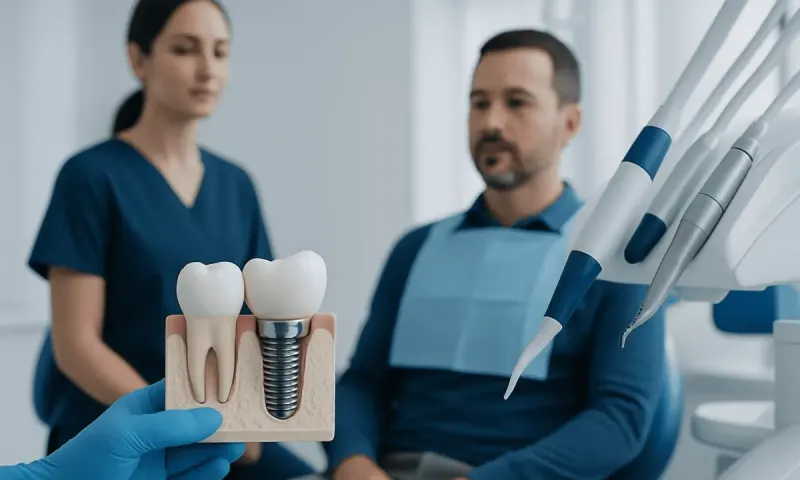
Teeth Implant Prices in Istanbul: What Affects Cost
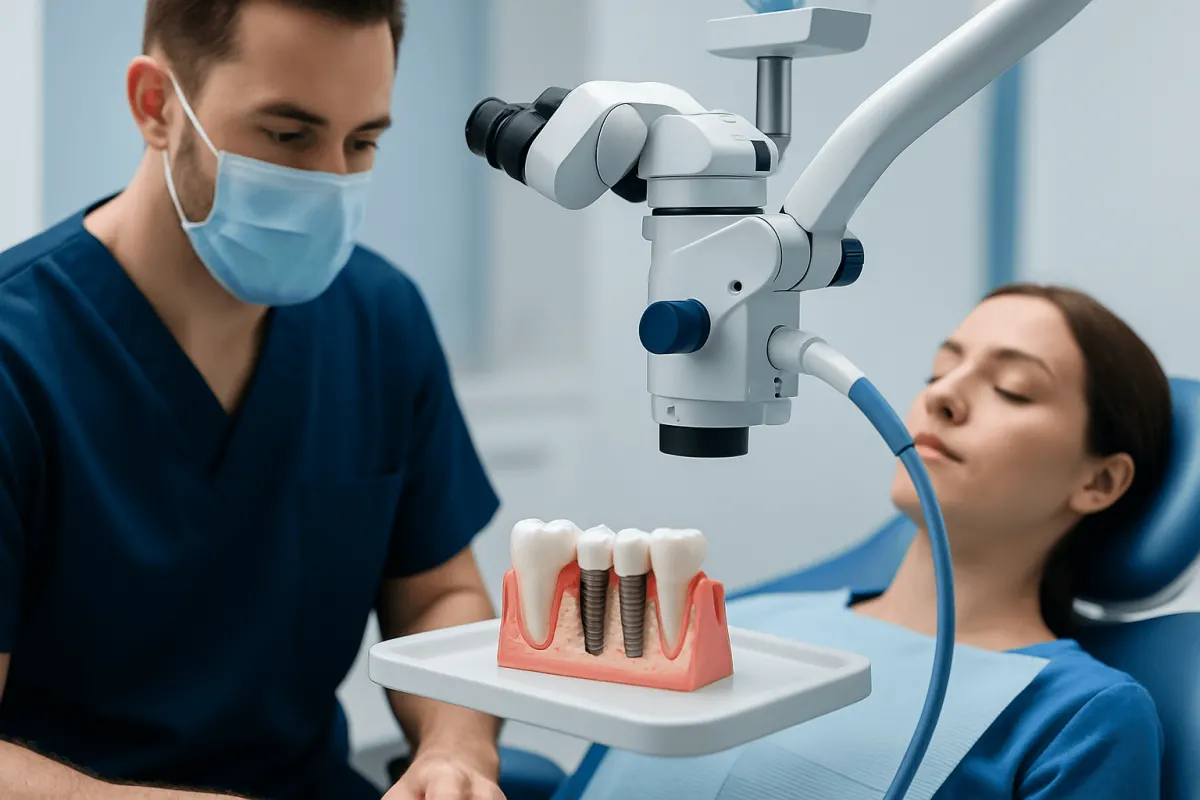
Teeth implants Istanbul price cannot be assessed accurately from an advertised package alone. The total plan depends on the number of missing teeth, implant system, need for bone or gum treatment, final crown or bridge, diagnostic imaging, clinical follow-up and the individual’s oral health needs.
Teeth Implants Istanbul Price: What Does the Total Include?
Teeth implants Istanbul price varies because implant treatment is not one standard procedure. A reliable estimate is based on an in-person or appropriately supported clinical assessment, including dental examination and imaging. It should reflect the person’s missing teeth, jawbone condition, gum health, bite, aesthetic goals and the type of final restoration needed.
When comparing an Istanbul Bone Graft for Dental Implants: What to Expect" class="ahp-ilk">dental implants price, patients should ask for an itemised written plan rather than relying on a headline figure. This helps clarify whether the plan includes diagnostic scans, extraction of failing teeth, implant surgery, healing components, abutments, temporary restorations, the final crown or bridge, laboratory work, sedation where appropriate, medicines and scheduled reviews.
The phrase “dental implant” may describe only the titanium or ceramic fixture placed in the jaw. However, a functional replacement tooth also commonly requires an abutment and a custom crown, bridge or full-arch prosthesis. Additional procedures, such as dental implant treatment, bone grafting or gum treatment, can change both the treatment sequence and the overall cost.
How Dental Implant Treatment Works
A dental implant is a small biocompatible post placed surgically in the jawbone to replace a tooth root. Over time, bone can attach closely to the implant in a process called osseointegration. Once healing is sufficient, the dentist connects a restoration that is designed to look and function like a tooth or group of teeth.
For one missing tooth, treatment often involves one implant and one crown. Several missing teeth may be restored with implant-supported bridges, which can reduce the need for an implant beneath every individual tooth. For extensive tooth loss, a fixed or removable full-arch restoration may be considered after careful assessment of bone, bite, hygiene needs and facial support.
Modern planning commonly uses dental X-rays and three-dimensional cone beam CT imaging. These tools help the dental team assess available bone and identify important anatomical structures, such as nerves and sinus spaces. Digital planning can support precise placement, but it does not replace clinical judgement or ongoing follow-up.
Who May Be Suitable for a Teeth Implant in Istanbul?
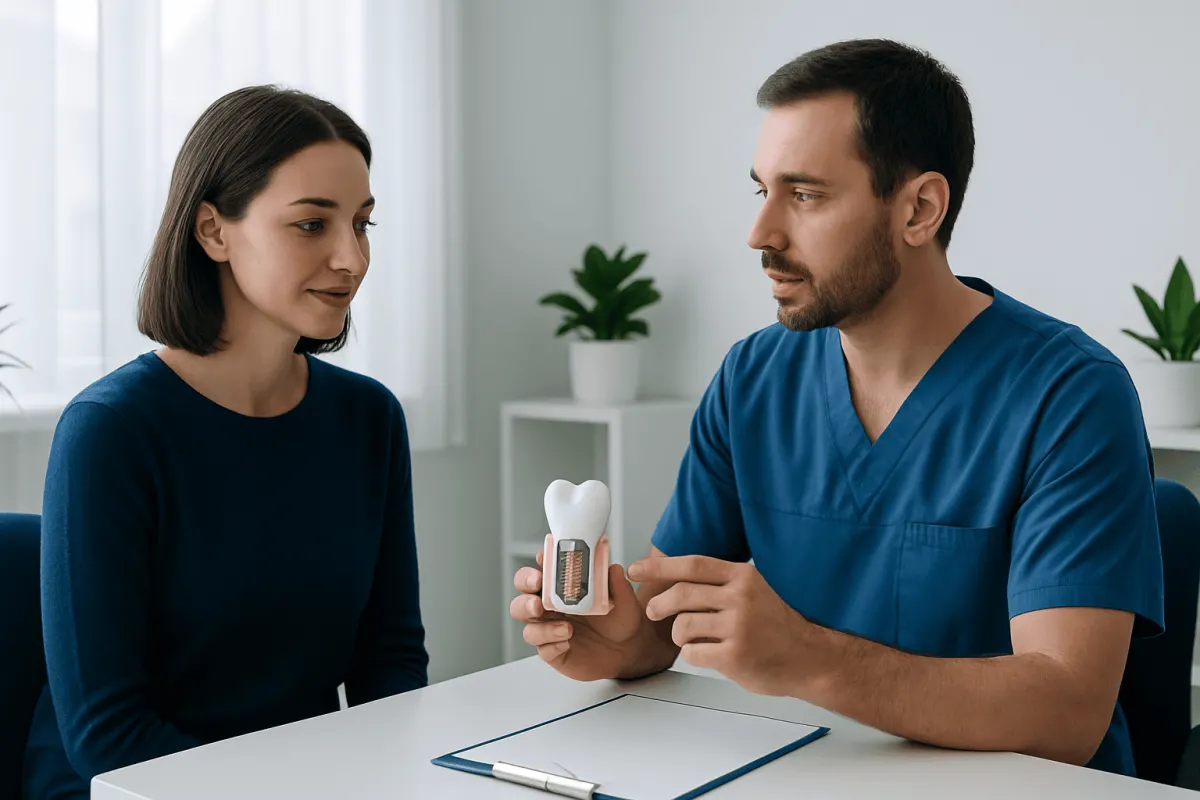
Dental implants may be considered for adults with one or more missing teeth who have sufficiently healthy bone and gums, or who can safely receive preparatory treatment. Good general health, stable oral hygiene habits and the ability to attend review appointments are all important. Implant treatment is planned individually; age alone does not determine suitability.
Some conditions may require additional assessment or treatment before surgery. Active gum disease, untreated tooth decay, infection, inadequate jawbone volume, uncontrolled diabetes, heavy smoking and teeth grinding can affect outcomes. Certain medicines and conditions that influence bone healing or immunity also need to be discussed with the dentist and, when needed, the patient’s physician.
A person considering implants after tooth loss should have the causes of tooth loss addressed as well. For example, gums may need treatment where periodontal disease is present. A durable implant restoration relies on a healthy oral environment, not simply on placement of the implant itself.
- Suitable candidates are able to maintain daily brushing and cleaning between teeth or around restorations.
- People with complex medical histories may need medical clearance or care coordinated with other specialists.
- Patients should understand that implants need lifelong professional review and home care.
Step-by-Step: From Assessment to Final Teeth
The process usually begins with consultation, clinical examination, photographs where useful and dental imaging. The dentist discusses the available options, such as a conventional bridge, removable denture or implant-supported restoration, and explains the expected stages. A written treatment plan should state the planned materials, number of implants, anticipated visits, estimated healing periods and possible additional procedures.
If a tooth needs to be removed, implant placement may happen at the same appointment in selected cases, or it may be delayed to allow healing. During surgery, local anaesthesia is typically used, with additional anxiety management or sedation considered when clinically suitable. The implant is placed into the jawbone, and the site is protected while healing begins.
After a healing phase, the restoration phase can start. The dental team takes impressions or digital scans to create a custom crown, bridge or full-arch prosthesis. In some carefully selected cases, a temporary tooth can be placed earlier; this is not appropriate for everyone and depends on stability, bite forces and the treatment site. The final restoration is adjusted to support comfortable chewing, speech and cleaning.
For international patients, it is important to confirm whether treatment will be completed in one visit or across separate visits. Implant treatment often requires staged care, so travel arrangements should allow time for assessment, surgery, early review and later restoration where required.
Recovery Timeline, Benefits and Possible Risks
After implant surgery, mild swelling, bruising, discomfort and minor bleeding can occur for a short period. The dental team provides personalised aftercare instructions, which may include eating softer foods initially, avoiding smoking, keeping the area clean as advised and attending scheduled reviews. Many people return to usual light activities quickly, but recovery varies according to the number of implants and any accompanying bone or gum procedure.
Bone integration commonly takes weeks to months. The timing of the final restoration depends on healing, implant stability, bone quality and the complexity of the case. Patients should not assume that a rapid pathway is always safer or more suitable; the right timetable is one that protects healing and long-term function.
Potential benefits include a fixed-feeling replacement tooth, improved chewing ability, support for speech and preservation of surrounding teeth compared with some bridge designs. Implants may also help limit bone loss in the area of a missing tooth, although they do not eliminate the need for ongoing gum care.
Risks include infection, delayed healing, implant failure to integrate, injury to nearby structures, sinus-related complications in upper-jaw treatment, gum recession, loosening or damage to the restoration, and inflammation around implants. Peri-implant mucositis and peri-implantitis can develop when bacterial plaque accumulates, particularly if oral hygiene or regular maintenance is inadequate. Prompt dental review can help address concerns early.
How Much Does a Full Set of Teeth Implants Cost in Turkey?
A full set of teeth implants does not have one standard cost in Turkey because “full set” can mean different treatment designs. One person may need a fixed bridge on several implants in one jaw, while another may need treatment for both jaws, extractions, bone grafting, temporary teeth and separate final restorations. The type of prosthesis, implant brand or system, laboratory work and complexity of the bite also affect the plan.
Rather than comparing only an Istanbul dental implants cost advertisement, patients should request a detailed treatment proposal showing what is included and excluded. It is reasonable to ask whether the estimate covers imaging, scans, extractions, grafts, implant surgery, temporary and final teeth, anaesthesia or sedation, clinical reviews, repairs and travel-related timing.
Cost should be considered alongside the qualifications and experience of the treating team, infection-control processes, diagnostic planning, implant traceability, laboratory quality, communication in a language the patient understands and arrangements for long-term maintenance. A lower initial estimate may not represent the full financial or clinical commitment if major parts of care are excluded.
What Country Is the Cheapest to Get Dental Implants?
There is no single country that is consistently the cheapest place to get dental implants. Prices differ between cities, clinics and treatment designs, and they change over time with currency, laboratory costs, regulatory requirements and the complexity of an individual case. A comparison that omits clinical scope can be misleading.
Patients looking at care abroad should compare like with like: the same number of implants, the same restoration design, similar diagnostic standards, equivalent materials and the same level of aftercare. Travel, accommodation, time away from work, repeat visits and arrangements for maintenance or complications at home should also be part of the decision.
Safe decision-making prioritises suitability and transparent care over a destination’s advertised price. It is helpful to choose a clinic that explains alternatives, provides written consent information and gives clear instructions for whom to contact after returning home.
How Long Do Turkey Implants Last? Is It Worth Getting Dental Implants in Turkey?
Dental implants placed in Turkey are not inherently different in lifespan from implants placed elsewhere. Their longevity depends on appropriate case selection, quality of planning and surgery, the implant and restoration used, healing, gum health, bite forces, smoking status and consistent maintenance. With attentive care, implants can function for many years, but no implant or restoration can be guaranteed to last for life.
It may be worth getting dental implants in Turkey for a person who has been properly assessed, understands the full care pathway and can commit to follow-up. The decision should not rest on how much are dental implants in Istanbul Turkey alone. It should include the team’s credentials, the proposed treatment rationale, clarity of documentation, time available for safe healing and a realistic plan for continued dental care at home.
Before travelling, patients can ask for medical and dental records, imaging copies where appropriate, implant brand and component details, and a final treatment summary. These documents can assist a local dentist if maintenance or future repair is needed. Acıbadem Health Point’s multidisciplinary specialists and JCI-accredited hospitals diagnose and treat dental concerns for international patients, with care planned around individual clinical needs.
When to Seek Medical Care
Patients should contact a dentist promptly if they have severe tooth pain, facial swelling, fever, pus, persistent bleeding, a loose tooth, a damaged restoration or difficulty eating because of dental symptoms. Urgent assessment is also appropriate if swelling is spreading, swallowing becomes difficult or breathing is affected; these symptoms require emergency medical attention.
After implant surgery, increasing rather than improving pain or swelling, persistent bleeding, fever, discharge, numbness that does not improve as expected, a loose implant or a broken temporary restoration should be reported to the treating dental team without delay. Patients should follow their own surgeon’s instructions, as recovery expectations vary by procedure.
Regular check-ups are important even when implants feel comfortable. Professional review can identify plaque accumulation, gum inflammation, bite changes or wear of crowns and bridges before these issues become more difficult to manage.
Frequently asked questions
01What is included in a dental implant treatment plan?
A complete plan may include examination, imaging, surgery, the implant fixture, abutment, temporary restoration and final crown, bridge or full-arch restoration. It may also include extraction, bone grafting, gum treatment, sedation, medicines and follow-up visits. Patients should ask for each included and excluded item in writing.
02Can dental implants be placed immediately after a tooth extraction?
Immediate placement is possible in selected cases, but it is not right for every patient. The decision depends on infection, bone quality, gum condition, implant stability and bite forces. A dentist uses examination and imaging to decide whether immediate or delayed placement is safer.
03How long does it take to finish dental implant treatment?
The full process may take several months because bone healing and restoration planning require time. Some patients receive a temporary tooth early in treatment, while others need a longer staged approach. The timeline depends on the number of implants, healing response and whether grafting or other preparatory care is needed.
04Do dental implants require special cleaning?
Implants need thorough daily plaque removal and regular professional maintenance, much like natural teeth. A dentist or hygienist can demonstrate the most suitable toothbrushes, interdental brushes or flossing aids for a particular restoration. Poor cleaning can contribute to inflammation around implants.
05Can smoking affect dental implant success?
Yes. Smoking can impair wound healing and is associated with a greater risk of implant-related complications and gum disease. Reducing or stopping smoking before treatment and remaining smoke-free during healing can support oral and general health. Patients should discuss their smoking history honestly during assessment.
06What should patients check before travelling for implant treatment?
Patients should confirm the clinician’s qualifications, the proposed treatment stages, implant and restoration details, expected healing period and arrangements for follow-up. They should also understand what happens if an unexpected issue develops after they return home. Written records and a clear aftercare plan are especially helpful for continuity of care.
This article is for general information only and is not a substitute for professional medical advice. Please consult a qualified doctor about your individual situation.
Explore treatments in Turkey — costs, top hospitals & a free quote
JCI-accredited · board-certified surgeons · reply within 24h
Add us as a Preferred Source to see more of our trusted health content across Google Search, AI Overviews and Discover.