Dental Implant Prices in Turkey: What Affects Cost?
Bone Graft for Dental Implants: What to Expect" class="ahp-ilk">Dental implants in Turkey prices cannot be responsibly compared using a single figure because each plan may involve a different number of implants, restoration type, imaging, bone preparation, laboratory work and follow-up care. A safe decision starts with a personalized examination, transparent written plan and careful assessment of clinical quality as well as travel arrangements.
Overview: understanding dental implants in Turkey prices
Dental implants in Turkey prices vary widely because an implant is not one standard product or one identical procedure. The total plan may include consultation, dental scans, tooth removal, treatment of gum disease, bone grafting, the implant fixture, an abutment, a temporary tooth, a final crown or bridge, laboratory fees and follow-up appointments. For this reason, a meaningful quote should identify exactly what is and is not included.
For people travelling internationally, the dental implants in Turkey cost should also be considered alongside travel, accommodation, time away from work, possible additional visits and the cost of care at home after returning. A lower initial estimate may not represent the full expense if preparatory treatment, final restorations or later adjustments are excluded.
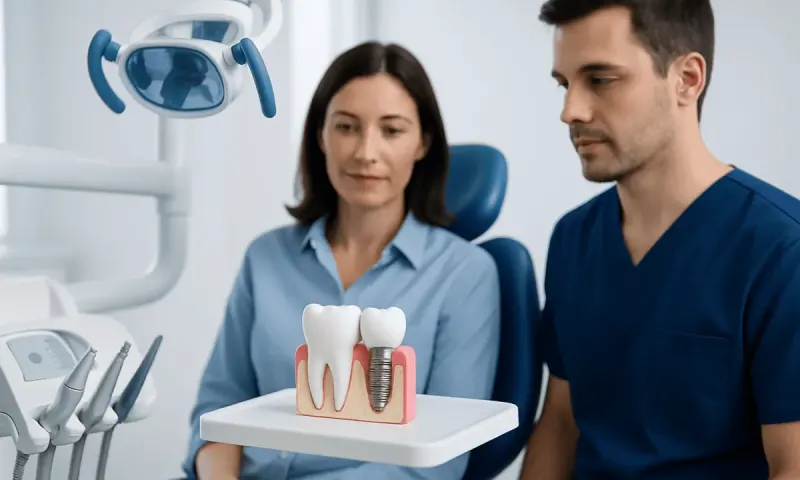
Dental implants are small biocompatible posts placed in the jawbone to support a crown, bridge or removable restoration. They can replace one missing tooth, several teeth or an entire arch. They are designed to restore chewing function and appearance while helping to preserve the bone that normally supports natural teeth.
How dental implants work and who may be a candidate
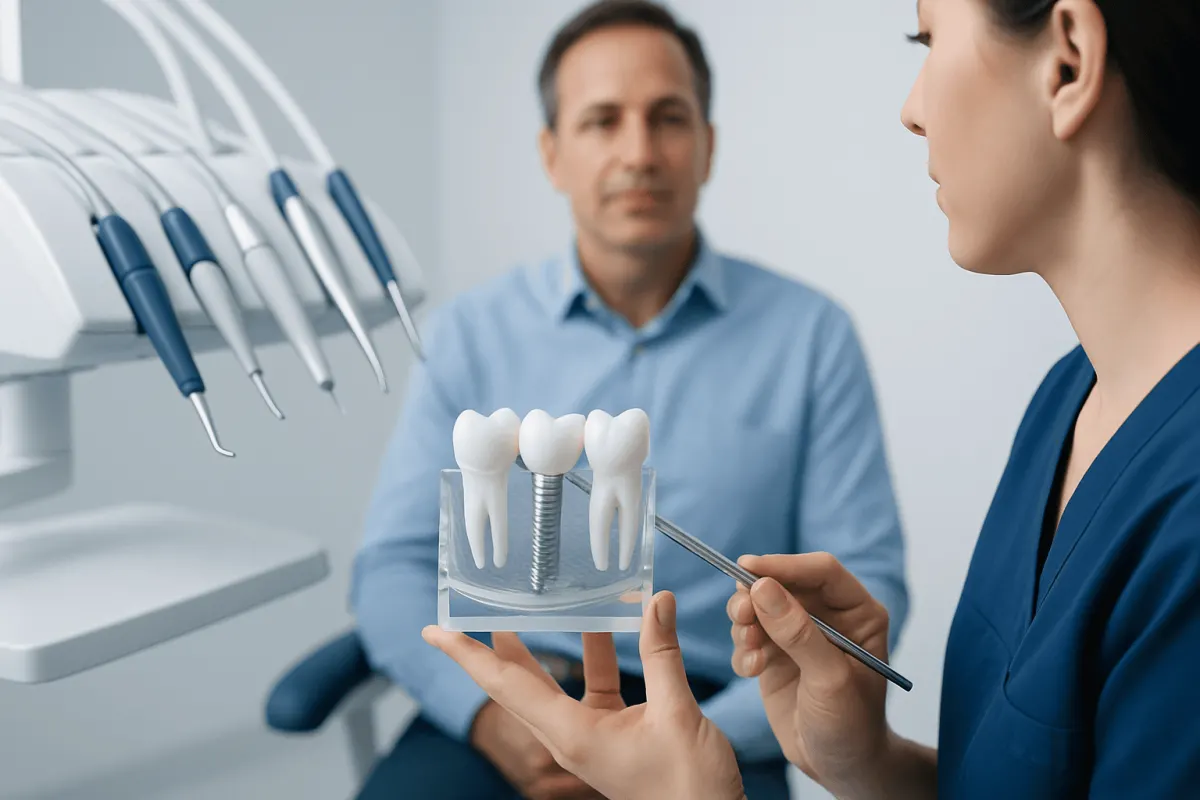
After placement, an implant is intended to bond with surrounding jawbone through a process called osseointegration. Once healing is sufficient, the dentist connects an abutment and a custom-made restoration. The final result may be a single crown, a fixed bridge, or a removable or fixed full-arch prosthesis supported by several implants.
Suitable candidates generally have missing or non-restorable teeth, healthy enough gums, enough bone or the possibility of bone-building treatment, and the ability to maintain daily oral hygiene. A dentist also considers bite forces, tooth grinding, smoking, diabetes control, medications, previous radiation therapy to the jaw and conditions that affect healing.
Active gum disease, untreated tooth infection and poor oral hygiene should usually be managed before implants are placed. Bone loss does not automatically rule out treatment, but it can change the plan, recovery time and complexity. A thorough examination is more reliable than choosing a package based on photographs or a brief remote assessment alone.
What a dental implant treatment plan should include
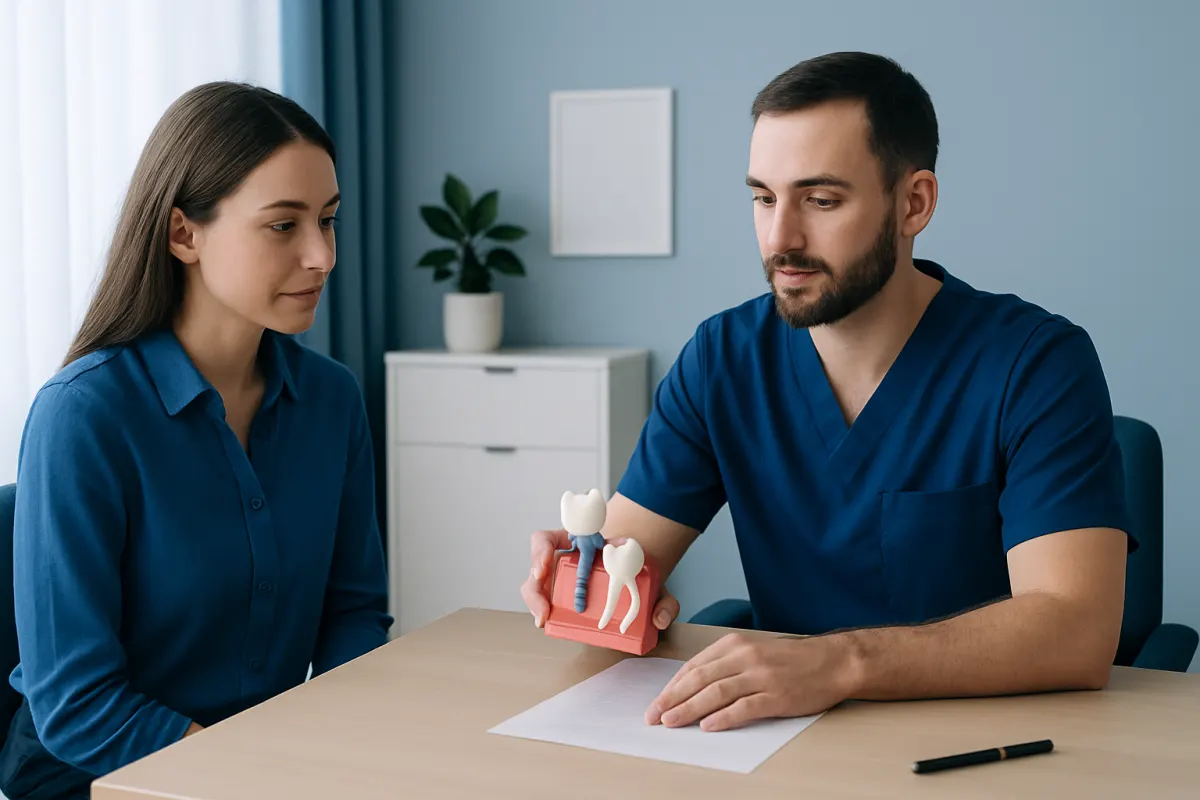
A careful plan begins with a medical and dental history, examination of the mouth and gums, bite assessment and imaging. Panoramic imaging and, when indicated, three-dimensional cone-beam CT scans help the clinician evaluate bone volume and the position of structures such as nerves and sinus cavities. This planning is important for both safety and long-term function.
Patients should receive a written explanation of the proposed implant system, number and location of implants, restoration design, materials, expected treatment stages and likely need for temporary teeth. It is also reasonable to ask whether the quoted dental implants in Turkey price includes scans, sedation if needed, bone grafting, temporary restorations, final crowns or bridges, laboratory costs, medications and review appointments.
The treatment plan should also clarify the arrangements if healing is delayed, a restoration needs adjustment, or an implant-related complication occurs after the patient returns home. A reputable clinical discussion focuses on whether the planned restoration is appropriate for the person’s bite, bone and oral health rather than promising the same solution for every patient.
- Ask for the brand and traceability information of implants and restoration materials.
- Request copies of imaging, treatment records and the final restoration details.
- Discuss the anticipated number of visits and whether the final restoration will be fitted during the same trip.
- Ensure there is a clear plan for routine maintenance with a local dentist or hygienist.
Step-by-step: what happens during implant treatment
First, the dentist stabilizes oral health. This may include treating gum disease, extracting teeth that cannot be saved, managing infection or planning bone grafting. In some circumstances an implant can be placed at the time of extraction; in others, the site needs time to heal before implant surgery. The right approach depends on the individual condition of the tooth, gum and jawbone.
During implant placement, local anesthesia is commonly used. The clinician prepares the implant site in the jawbone and places the implant fixture. Some patients receive a temporary tooth soon after surgery, while others need a healing period before a restoration can be attached. A temporary tooth should not be assumed to have the same strength or function as the final restoration.
After the implant and bone have integrated, the dentist takes impressions or digital scans for the final crown, bridge or full-arch restoration. The restoration is designed to fit the gums, support clear speech and distribute chewing forces appropriately. Final bite adjustments and ongoing reviews are important parts of treatment, not optional extras.
Recovery timeline, benefits and possible risks
It is common to have mild swelling, tenderness, bruising or minor bleeding after implant surgery. These symptoms often improve over several days, but healing time varies according to the number of implants, whether grafting was needed, overall health and the type of restoration. Patients are usually advised to follow their dentist’s instructions about diet, cleaning, smoking avoidance and medicines.
Osseointegration can take months, although the overall timeline is individualized. A person may have a temporary restoration during part of this period. Regular follow-up visits allow the dental team to check healing, remove sutures if used and make sure the temporary or final restoration does not place excessive pressure on the implant.
Potential benefits include improved chewing, stability compared with some removable dentures, support for facial and jawbone structure, and a natural-looking replacement option. Possible risks include infection, swelling, bleeding, sinus-related complications in the upper jaw, nerve irritation in the lower jaw, implant failure to integrate, gum recession, loosening of components and chipping or wear of the restoration. Good planning reduces risk but cannot remove it completely.
Long-term success depends on accurate placement, healthy gums, a well-designed restoration and consistent maintenance. Daily brushing, cleaning between teeth or beneath bridges as instructed, professional hygiene visits and management of tooth grinding are all important.
How much would a full mouth of dental implants cost in Turkey?
A full-mouth implant plan cannot be accurately priced without an examination. The term may describe several different treatments, such as implant-supported removable dentures, fixed full-arch bridges, or separate restorations across both jaws. These options may use different numbers of implants, materials, laboratory techniques and surgical steps, so they should not be treated as interchangeable.
The final dental implants in Turkey cost may also be affected by whether teeth need extraction, whether bone grafting or sinus procedures are required, whether immediate temporary teeth are clinically appropriate, and whether both upper and lower arches are being treated. The quality and type of the final bridge or denture, rather than the implants alone, can be an important part of the treatment plan.
Instead of relying on an advertised starting figure, patients can ask for an itemized written estimate based on diagnostic imaging. It should state the type of full-arch restoration, number of implants, temporary and final prostheses, all anticipated surgical procedures, medication, scheduled reviews and the policy for additional treatment if the clinical situation changes.
What country is the cheapest to get dental implants?
There is no single country that is reliably the cheapest choice for every dental implant case. Advertised prices differ because treatment packages vary, currencies change, local operating costs differ, and clinics may include or exclude major parts of care. Comparing only a headline price can overlook clinical differences that matter for safety, function and future maintenance.
When considering treatment abroad, patients should compare like with like: the same number of implants, similar implant and restoration materials, equivalent imaging and planning, clear infection-control standards, clinician training, laboratory quality and follow-up provisions. Travel costs, the need for more than one trip and potential care at home should be included in the overall decision.
A sound choice is based on value and suitability, not on the lowest advertised price. Patients should be cautious about offers that guarantee immediate treatment without reviewing medical history, imaging and gum health, or that do not explain what happens if additional procedures become necessary.
How long do Turkey implants last?
Implant longevity is not determined by the country where treatment is performed. A well-planned and well-maintained implant can function for many years, but no clinician can guarantee a specific lifespan. The outcome depends on bone healing, gum health, implant position, bite forces, restoration design, smoking, general health and long-term professional maintenance.
The implant fixture and the visible crown or bridge are different components and may not require replacement at the same time. Restorations can experience normal wear, fracture, loosening or cosmetic changes over time, particularly in people who grind their teeth. A night guard may be recommended for some patients.
Regular reviews are essential even when there is no pain. Dental professionals can monitor gum inflammation, plaque buildup, bite changes and the condition of the restoration. Prompt attention to bleeding gums, mobility, discomfort or a loose crown may help prevent more extensive problems.
Is it a good idea to get dental implants in Turkey?
Getting dental implants in Turkey can be an appropriate option for a person who has a suitable clinical assessment, access to qualified dental professionals and a realistic plan for follow-up. It is not automatically the right choice for everyone, particularly when complex medical conditions, advanced bone loss, active gum disease or limited ability to travel for reviews are present.
Dental implants in Turkey reviews may provide useful insight into communication, travel coordination and patient experience, but they cannot replace independent clinical verification. Reviews are subjective and may not show long-term outcomes. Patients should look beyond before-and-after photographs and confirm clinician credentials, imaging-based planning, implant traceability, sterilization standards, written consent and records.
For international patients, Acıbadem Health Point’s multidisciplinary specialists and JCI-accredited hospitals can assess and treat dental needs within an individualized care plan. The most important next step is a consultation that considers oral health, medical history, expected functional goals and the practical ability to attend follow-up care.
When to seek medical care
Anyone considering implants should arrange a dental assessment before booking treatment, especially if there is gum bleeding, loose teeth, pain, swelling, persistent bad breath, difficulty chewing or a history of failed implants. These symptoms may indicate gum disease, infection or another issue that needs attention before implant treatment can be considered.
After implant surgery, contact the treating dental team promptly if pain or swelling becomes worse rather than gradually improving, bleeding does not settle, there is fever, pus, numbness that persists, an implant or restoration feels loose, or there is difficulty swallowing or breathing. Severe swelling, breathing difficulty or uncontrolled bleeding requires urgent medical attention.
People with diabetes, immune system conditions, bone-affecting medicines, blood-thinning medicines or previous head and neck radiation should discuss these factors with both their dentist and relevant medical clinician. This helps ensure that treatment timing and precautions are individualized.
Frequently asked questions
01What is usually included in a dental implant quote?
A quote may include the implant fixture, abutment and crown or bridge, but this is not always the case. Patients should ask whether imaging, extractions, bone grafting, temporary teeth, laboratory work, medication and follow-up visits are included. A written, itemized plan makes comparisons more meaningful.
02Can dental implants be placed immediately after a tooth extraction?
In selected cases, an implant may be placed at the same appointment as an extraction. This depends on infection, bone quality, gum condition, implant stability and the location of the tooth. The dentist must determine whether immediate placement is safe and likely to heal predictably.
03Do dental implants hurt?
Implant placement is commonly performed with local anesthesia, so patients should not feel pain during the procedure. Soreness and swelling afterward are common and are usually managed with the aftercare plan provided by the dental team. Persistent or worsening pain should be assessed promptly.
04Can smokers get dental implants?
Smoking can interfere with wound healing and increases the risk of gum disease and implant-related complications. It does not always prevent treatment, but a dentist will assess the individual risk and may recommend stopping smoking before and after surgery. Long-term smoking cessation supports oral and general health.
05How many visits are needed for dental implants?
The number of visits depends on whether extractions, grafting, immediate temporary teeth or a full-arch restoration are needed. Some stages may be completed during one trip, while final restorations or reviews may require additional appointments after healing. Patients should receive an anticipated timeline before travelling.
06How should implants be cleaned?
Implants require daily brushing and cleaning around and beneath the restoration using the tools recommended by the dental professional. Regular hygienist or dental reviews are also important because plaque and gum inflammation can develop around implants. The right technique varies with the type of crown, bridge or denture.
This article is for general information only and is not a substitute for professional medical advice. Please consult a qualified doctor about your individual situation.
Explore treatments in Turkey — costs, top hospitals & a free quote
JCI-accredited · board-certified surgeons · reply within 24h
Add us as a Preferred Source to see more of our trusted health content across Google Search, AI Overviews and Discover.