Missing Teeth: Alternatives to Dental Implants
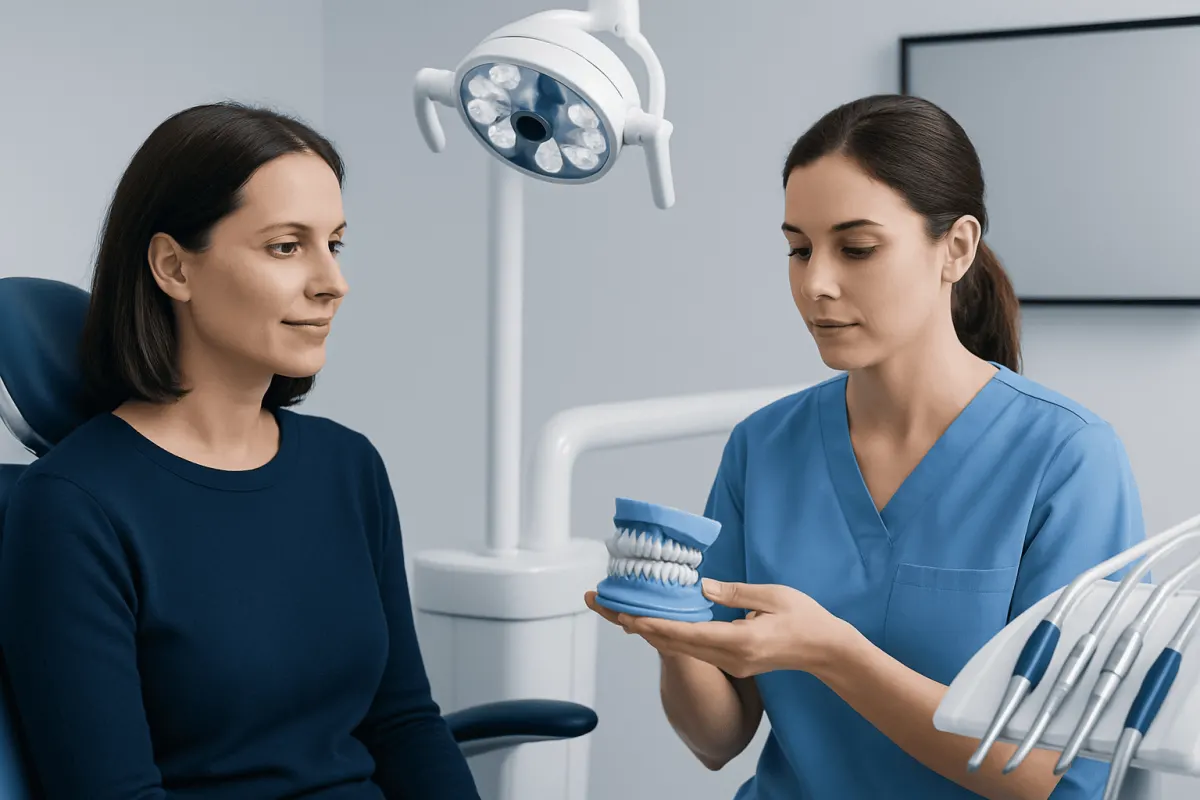
An alternative to implants for missing teeth may be a fixed dental bridge, removable partial or complete denture, resin-bonded bridge, or—in selected cases—orthodontic space closure. The most suitable option depends on the number and location of missing teeth, the condition of neighboring teeth and gums, jawbone health, bite, health history, and personal preferences.
Overview: alternatives to implants for missing teeth
An alternative to implants for missing teeth can be a dental bridge, a removable partial or complete denture, or a resin-bonded bridge. These options can restore appearance and chewing without placing a titanium implant in the jawbone, and the best choice is individualized after a dental assessment.
Missing teeth may affect how a person bites, chews, speaks, or feels about their smile. Over time, nearby teeth can drift toward an untreated space, and teeth in the opposing jaw may move or over-erupt. However, the practical impact varies: a missing back tooth may be managed differently from a visible front tooth or several missing teeth.
Non-implant replacements have different strengths and limitations. A bridge is fixed in place but usually depends on neighboring teeth; a removable denture can replace several teeth but needs daily removal and cleaning; and a resin-bonded bridge is conservative but is best suited to particular locations and bite patterns. A dentist can explain which option is likely to be predictable, comfortable, and maintainable for the individual.
What are the best alternatives to dental implants for missing teeth?
The best alternative depends on the clinical situation rather than a single universal answer. For one missing tooth with strong adjacent teeth, a conventional fixed bridge or resin-bonded bridge may be appropriate. For several missing teeth, a removable partial denture or a larger fixed bridge may be considered. Complete dentures are commonly used when all teeth in one or both arches are missing.
- Conventional fixed bridge: An artificial tooth is supported by crowns placed over teeth next to the gap. It is not removed by the patient and can provide stable chewing and a natural-looking result.
- Resin-bonded bridge: Often used for a front tooth, this option attaches a replacement tooth to the back of a neighboring tooth with a thin bonded wing. It generally requires less alteration of the adjacent tooth than a conventional bridge.
- Removable partial denture: A custom appliance replaces one or more teeth and is taken out for cleaning. It may use clasps, precision attachments, or gum-colored components for support.
- Complete denture: This removable appliance replaces all teeth in an upper or lower jaw. It can improve appearance and function, although lower dentures in particular may feel less stable for some people.
- Orthodontic space closure: In selected cases, braces or clear aligners can move teeth to close a gap, avoiding a prosthetic replacement. This is more feasible for certain spaces and bite relationships.
A person may also choose to leave a space untreated after discussing the consequences with a dentist. This can be reasonable in limited circumstances, but it should be a deliberate decision based on bite function, tooth movement risk, hygiene, and long-term monitoring.
How it works and who may be a candidate

Each non-implant option works by using existing oral structures for support. A conventional bridge uses the teeth on one or both sides of a gap. A resin-bonded bridge relies on adhesive bonding to an adjacent tooth. Removable dentures rest on the gums and may gain additional support from remaining teeth. Orthodontic treatment gradually moves natural teeth through controlled forces.
During candidacy assessment, the dentist reviews medical and dental history, examines the teeth and gums, and evaluates the bite. X-rays or digital scans may help assess roots, bone levels, hidden decay, gum disease, and the available space for a replacement tooth. Active gum disease, untreated tooth decay, infection, or poorly controlled grinding may need treatment before a bridge or denture is made.
A fixed bridge may be less suitable if neighboring teeth are weak, mobile, or affected by significant periodontal disease. A resin-bonded bridge may not be ideal when biting forces are heavy or there is inadequate enamel for bonding. Dentures may be appropriate when several teeth are missing or when surgery is not desired, but they require enough healthy gum and bone support for a stable fit. A qualified dental professional can discuss the benefits and trade-offs of each option.
Procedure: step-by-step for bridges and dentures
Fixed bridge treatment commonly begins with planning, impressions or digital scans, and shade selection. For a conventional bridge, the dentist shapes the neighboring supporting teeth to create room for crowns. A temporary bridge may be placed while a dental laboratory makes the final restoration. At a later visit, the dentist checks the fit, bite, appearance, and comfort before cementing the bridge.
Resin-bonded bridge treatment usually requires less preparation. The dentist may make a small adjustment to the back surface of the supporting tooth, take a scan or impression, and fit a temporary solution if needed. At the placement visit, the bridge is tried in and bonded with dental adhesive. The dentist checks that it does not meet too heavily during biting.
Removable partial or complete denture treatment involves impressions or scans, bite records, and one or more fitting appointments. A wax trial may allow the dentist and patient to assess tooth position, appearance, and bite before the final denture is completed. The finished appliance is adjusted to reduce pressure points and improve function. Follow-up appointments are an expected part of denture care, especially as gums and bone contours change over time.
For people considering a fixed replacement, a consultation about dental bridge treatment can clarify whether the supporting teeth, gums, and bite are appropriate. Treatment plans should also include advice on cleaning around the replacement and protecting it from excessive force.
Recovery timeline, benefits and possible risks
Recovery after bridge or denture treatment is generally quicker than recovery after oral surgery, although each person adapts at a different pace. After tooth preparation for a conventional bridge, mild sensitivity of the supporting teeth or gums may occur for a few days. Following placement, it can take days to weeks to become accustomed to a new bite, speech pattern, or chewing sensation.
New dentures often require the longest adaptation period. Saliva flow may temporarily increase, speech may feel unfamiliar, and certain foods can be difficult at first. Starting with softer foods, cutting food into small pieces, and practicing speech can help. Sore spots should be assessed and adjusted by a dental professional rather than managed by the patient at home.
Potential benefits include improved chewing, clearer speech in some situations, support for facial appearance, and prevention of unwanted tooth movement. Risks and limitations differ by option. A conventional bridge requires reshaping supporting teeth and can develop decay or gum problems at its edges if cleaning is difficult. Resin-bonded bridges can loosen or detach. Dentures can rub, shift, fracture, or gradually become loose as the jawbone changes.
Night-time teeth grinding can damage bridges and dentures. A dentist may recommend a custom protective appliance when appropriate. Regular reviews are important because restorations, gums, and surrounding teeth can change over time.
What is the healthiest way to replace missing teeth?
The healthiest way to replace missing teeth is the one that restores comfortable function while preserving the health of the gums, remaining teeth, and bite. There is no single healthiest option for everyone. A careful plan considers whether nearby teeth are healthy, whether they already need crowns, how much bone and gum support is present, how easy the replacement will be to clean, and the person’s ability to attend follow-up care.
When adjacent teeth are healthy and minimally restored, a resin-bonded bridge may preserve more natural tooth structure than a conventional bridge in suitable cases. When neighboring teeth already have large restorations or need crowns, a conventional bridge may be a practical option. Removable dentures may be the most appropriate solution for multiple missing teeth or when a non-surgical, more flexible approach is preferred.
Healthy long-term results rely on daily plaque control. A bridge needs cleaning underneath the artificial tooth with tools such as floss threaders, interdental brushes, or water-cleaning devices as advised by a dentist. Dentures should be removed and cleaned daily, and the gums, tongue, and any remaining teeth also need regular cleaning. Tobacco avoidance and treatment of gum disease support oral health regardless of the replacement chosen.
How to fix missing teeth without implants
To fix missing teeth without implants, a person should arrange a dental examination rather than choosing an appliance based on appearance alone. The dentist will identify the cause of tooth loss, check for untreated decay or gum disease, assess neighboring teeth, and discuss whether a bridge, denture, resin-bonded bridge, or orthodontic approach is suitable.
For a single front tooth, a resin-bonded bridge can be a conservative option when the bite allows it. For a single back tooth, a conventional bridge may be considered if the adjacent teeth can support it. For multiple spaces, a partial denture can replace teeth in different areas of the mouth, while complete dentures can replace all teeth in an arch. The design should be tailored to speech, chewing needs, appearance, and hygiene.
Temporary solutions may be used after an extraction or while a longer-term plan is being prepared. These can include a temporary partial denture or temporary bridge, depending on the situation. A temporary restoration is not always designed for long-term chewing forces, so attending follow-up appointments and following dietary guidance is important.
Acıbadem Health Point’s multidisciplinary dental specialists at JCI-accredited hospitals assess missing teeth and provide individualized restorative care for international patients. The aim of consultation is to help the person understand appropriate options, expected maintenance, and realistic outcomes.
What will replace dental implants in the future?
Dental implants remain an established treatment option, and no single future technology is expected to replace them for every patient. Research continues into ways to improve tooth replacement, including advanced dental materials, digital treatment planning, regenerative approaches to supporting bone and gum tissues, and bioengineered tooth structures. Many of these developments are still under research or have limited availability.
Some future approaches may help dentists preserve more natural tooth structure, create more precise restorations, or improve treatment for people with bone or gum limitations. However, a new technology should be assessed for safety, long-term evidence, maintenance needs, and suitability for the individual rather than selected because it is new.
For now, conventional bridges, resin-bonded bridges, dentures, orthodontic space closure, and dental implants each have a defined place in care. A dentist can help compare established choices using the person’s current oral health and priorities, rather than relying on predictions about future treatments.
When to seek medical care
A person should arrange a dental appointment after losing a tooth, even if there is no pain. Early assessment can help identify the cause, protect neighboring teeth, and discuss temporary or permanent replacement options. A dentist can also check for gum disease, decay, bite problems, or trauma that could affect treatment planning.
Prompt dental care is especially important for facial swelling, fever, pus or a bad taste from the gums, severe or worsening pain, uncontrolled bleeding, a loose or broken bridge, or denture sores that do not settle after an adjustment. These symptoms can signal infection, injury, or a problem requiring professional care.
After a tooth injury, urgent assessment may improve the chance of saving damaged teeth or planning an appropriate replacement. People with diabetes, immune suppression, bleeding disorders, or medicines that affect bone healing should ensure their dentist knows their full health history before dental procedures.
Frequently asked questions
01Can a missing tooth be replaced without an implant?
Yes. Common non-implant options include a conventional fixed bridge, a resin-bonded bridge, a removable partial denture, and a complete denture when all teeth in an arch are missing. The most appropriate option depends on the location of the gap, the health of neighboring teeth and gums, and the person’s bite and goals.
02Is a dental bridge better than a denture?
Neither is automatically better. A bridge is fixed in the mouth and may feel more like natural teeth, but it typically relies on adjacent teeth and requires careful cleaning. A denture is removable and can replace several teeth, but it may need an adjustment period and periodic refitting.
03How long does it take to get a dental bridge?
A conventional dental bridge often takes at least two appointments, with time between them for the final restoration to be made. The timeline varies according to the type of bridge, the need for treatment of decay or gum disease, and laboratory or digital workflow. A temporary bridge may be used during the process.
04Can a resin-bonded bridge replace a back tooth?
It can be considered in selected situations, but it is most often used for front teeth where biting forces may be lower and appearance is important. Back teeth experience stronger chewing forces, which can make bond failure more likely. A dentist can determine whether the bite and available tooth structure make this option reasonable.
05Will dentures affect eating and speaking?
New dentures can temporarily affect speech and make some foods harder to chew. Most people improve with practice, gradual dietary progression, and professional adjustments when needed. Persistent pain, looseness, or sores should be reviewed by a dentist.
06Do I need to replace every missing tooth?
Not always, but it is worth discussing every missing tooth with a dentist. Whether replacement is advisable depends on the tooth’s position, chewing function, effects on the bite, risk of tooth movement, and overall oral health. Leaving a space may be acceptable in some circumstances when it is monitored.
This article is for general information only and is not a substitute for professional medical advice. Please consult a qualified doctor about your individual situation.
Explore treatments in Turkey — costs, top hospitals & a free quote
JCI-accredited · board-certified surgeons · reply within 24h
Add us as a Preferred Source to see more of our trusted health content across Google Search, AI Overviews and Discover.