Dental Implant Costs in Istanbul: What Shapes the Price
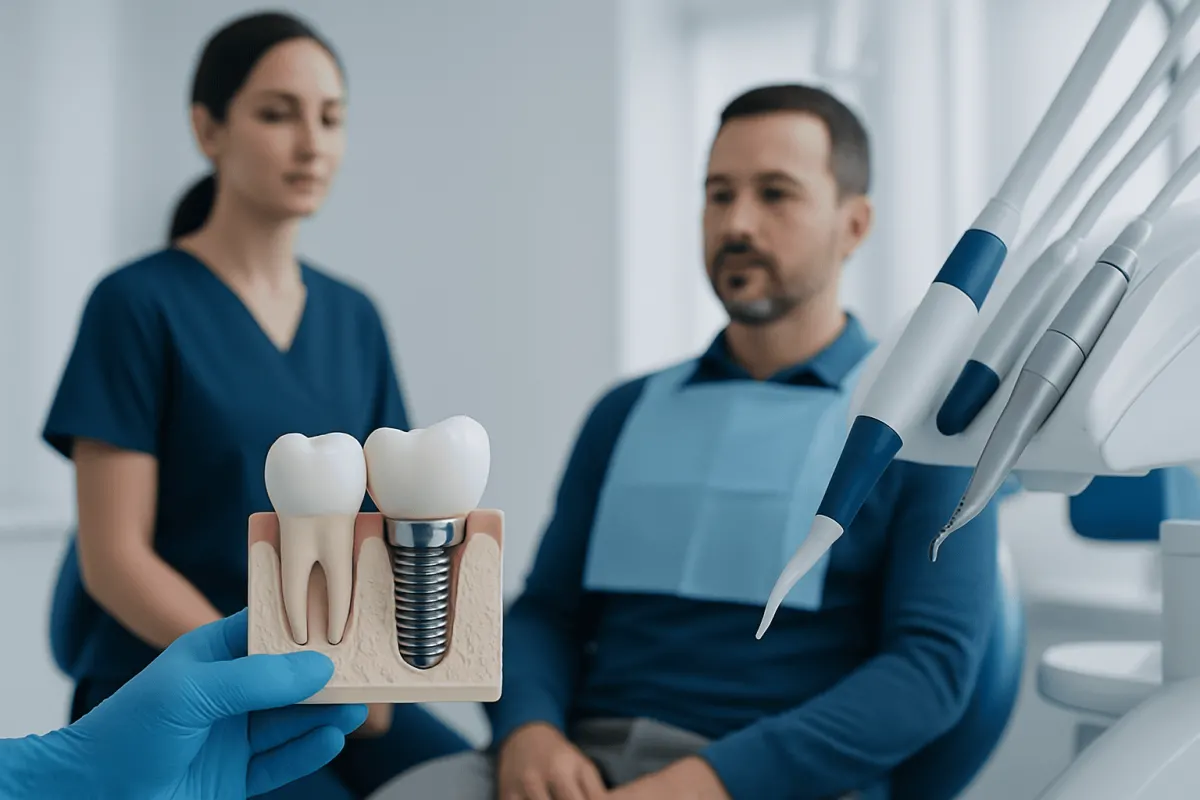
Bone Graft for Dental Implants: What to Expect" class="ahp-ilk">Dental implants Istanbul cost varies substantially because every patient needs a tailored plan based on oral health, the number of missing teeth, bone support, restoration type and follow-up requirements. A safe comparison considers the complete treatment plan and long-term care, rather than an advertised starting figure alone.
Dental Implants Istanbul Cost: The Practical Answer
Dental implants Istanbul cost cannot be responsibly reduced to one standard amount. The final treatment cost is based on the person’s clinical needs, including how many teeth are being replaced, the type of restoration required, the condition of the gums and jawbone, the implant components selected, laboratory work and the plan for aftercare.
For anyone comparing dental implants cost in Istanbul Turkey, the most useful question is not simply “What is the starting price?” but “What is included in the complete plan?” A written plan should identify examinations and imaging, any tooth removal, gum or bone treatment, implants, abutments, temporary and final restorations, medicines, reviews and the approach to maintenance or possible adjustments.
Dental implants are a long-term restorative option for missing teeth. They may improve chewing, speech and confidence when planned carefully, but they also require surgery, healing and consistent home care. A dental assessment is needed before a clinician can determine whether implants are appropriate and provide an individualized estimate.
How Dental Implants Work
A dental implant is a small biocompatible post, commonly made of titanium, that is placed into the jawbone to replace the root of a missing tooth. During healing, bone grows closely around the implant in a process called osseointegration. Once stable, the implant can support an abutment and a custom crown, bridge or removable or fixed full-arch prosthesis.
Replacing one tooth usually involves one implant and one crown. Several missing teeth may be restored with an implant-supported bridge, meaning that not every missing tooth necessarily needs its own implant. For people missing all teeth in an arch, a carefully planned set of implants may support a full-arch restoration. The most suitable design depends on bone anatomy, bite forces, oral hygiene, appearance goals and the clinician’s assessment.
Implants do not decay like natural teeth, but the surrounding gums and bone can develop inflammation. Daily cleaning, regular professional review and management of conditions such as gum disease are important for maintaining implant health over time.
Who May Be a Candidate for Dental Implants?
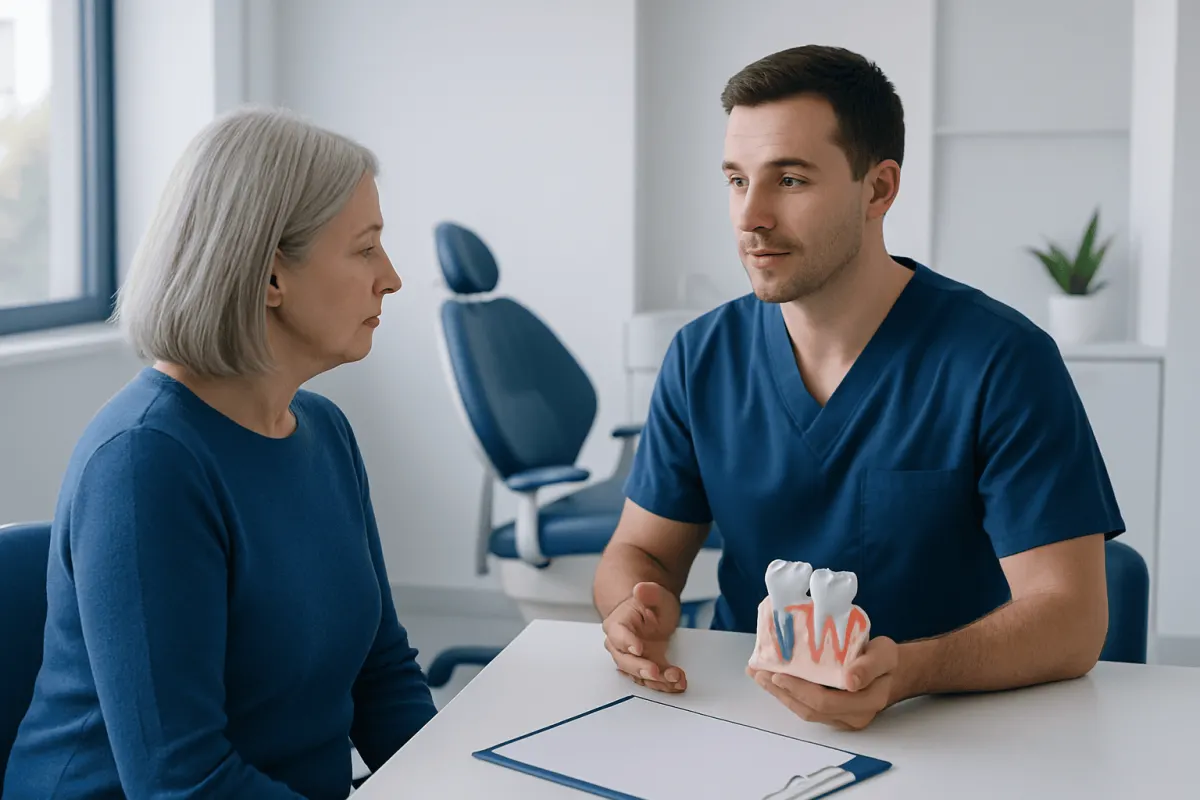
Many adults with one or more missing teeth may be candidates for implants, provided that their oral tissues and general health allow surgery and healing. A clinician considers the amount and quality of jawbone, gum health, bite relationship, neighboring teeth and the patient’s ability to maintain good oral hygiene.
Some people need preparatory treatment before implant placement. This can include treatment for active gum disease, removal of severely damaged teeth, bone grafting, sinus elevation in the upper jaw, or temporary tooth replacement while tissues heal. These needs can affect both the sequence of care and the overall dental implant Istanbul cost.
Health conditions do not automatically rule out implant treatment, but they require careful discussion. Diabetes that is not well controlled, certain medicines that affect bone healing, immune conditions, heavy tobacco use and a history of head or neck radiation may influence risk and planning. A complete medical history and medication review are essential.
- Healthy gums and manageable plaque control support long-term success.
- Adequate bone may be present naturally or achieved with grafting in selected cases.
- Smoking cessation or reduction is often strongly advised because smoking can impair healing.
- People who grind or clench their teeth may need bite protection, such as a night guard.
The Dental Implant Procedure: Step by Step
The process begins with a consultation, dental examination and imaging. Digital X-rays or three-dimensional scans can help the dental team assess bone volume, nerve and sinus locations, and the position of neighboring teeth. The clinician then discusses restoration options and creates a plan that prioritizes function, comfort, oral health and realistic aesthetic expectations.
If necessary, infected teeth may be removed and gum or bone treatment completed first. During implant surgery, local anesthetic is commonly used, with other anxiety-management options considered where appropriate. The implant is placed into the jawbone through a carefully planned surgical procedure. Some patients can receive a temporary tooth or temporary full-arch restoration soon after surgery, while others need a healing period without immediate loading.
After healing and confirmation of implant stability, the restorative phase begins. Impressions or digital scans are used to make the final crown, bridge or full-arch teeth. The dental team checks bite, comfort, speech, appearance and cleanability before completing the restoration. Patients should receive instructions for cleaning around implants and a schedule for professional follow-up.
When care is being planned across borders, it is especially important to understand how each stage will be coordinated. Acıbadem Health Point’s multidisciplinary specialists and JCI-accredited hospitals diagnose and treat dental conditions for international patients, with treatment planning based on individual clinical assessment.
What Affects Istanbul Dental Implants Price?
An Istanbul dental implants price quotation may look different from one clinic to another because the proposed treatments may not be equivalent. A meaningful estimate distinguishes a single implant crown from a bridge or full-arch solution and clarifies the brand or system of implant components, the materials planned for final teeth and the number of appointments required.
Clinical factors also matter. Bone grafting, sinus procedures, treatment for gum disease, tooth extractions, sedation, temporary restorations and complex bite rehabilitation can add stages to treatment. A person with healthy bone replacing one tooth has different needs from someone requiring a full-mouth reconstruction after long-term tooth loss.
Patients should ask whether the quote covers diagnostic imaging, surgical guides when indicated, implant placement, abutments, laboratory fees, temporary teeth, final restorations, follow-up visits and any expected maintenance. Travel, accommodation and time away from work are separate practical considerations that should be included in a personal budget.
It is also sensible to ask how repairs, healing concerns or complications will be handled after returning home. A lower initial quote may not represent better value if important steps, durable materials, qualified laboratory work or a realistic follow-up plan are missing.
How Much Would It Cost to Get Full Dental Implants in Turkey?
There is no single reliable figure for full dental implants in Turkey because “full dental implants” can describe several different treatments. It may refer to implants and a fixed restoration for one jaw, both jaws, a removable implant-supported denture, or a more extensive rehabilitation that includes extractions, grafting and temporary teeth.
The total plan is shaped by the number and position of implants, the condition of the remaining teeth and bone, the type of final prosthesis, laboratory materials, imaging, sedation needs and the number of planned visits. For this reason, a personalized clinical examination is more informative than a package price advertised before records or scans have been reviewed.
Before agreeing to travel, patients should request an itemized written proposal and ask what may change the estimate after examination. They should also ask whether final teeth are included, whether temporary teeth are provided, how long follow-up will take and whether a local dentist can assist with routine maintenance after they return home.
What Country Is the Cheapest to Get Dental Implants?
It is not possible to identify one country as universally the cheapest place for dental implants. Prices vary not only between countries but also among cities, clinics, implant systems, dental laboratories and treatment plans. An apparently low-cost offer may exclude important clinical steps or use a different type of restoration from the one being compared.
Cost should be balanced with safety, professional qualifications, infection-control standards, diagnostic capability, communication, the availability of emergency care and a clear plan for aftercare. Patients should verify the clinician’s credentials, understand the proposed materials and ask for records that can be shared with their home dentist.
Choosing treatment based on price alone can create avoidable difficulties if the plan is incomplete or if follow-up is not practical. The best choice is a setting where the patient can receive an appropriate diagnosis, evidence-based treatment and transparent information about responsibilities before and after travel.
How Long Does It Take for Full Mouth Dental Implants in Turkey?
Full-mouth dental implant treatment may take from several days for an initial surgical phase to several months for completion of the final restoration. The timeline depends on whether teeth need to be extracted, whether bone grafting is required, how well the jaw heals, whether implants can be loaded early and how the final bite and appearance are planned.
Some suitable patients may receive implants and a fixed temporary bridge during an initial visit. However, the final prosthesis is often fitted after a period of healing and implant integration. This staged approach can help the dental team confirm stability and make accurate refinements to speech, bite and aesthetics.
Patients should not assume that a short visit is appropriate for every case. A responsible plan explains which teeth are temporary, when final teeth are expected, how long the patient should remain locally after surgery and what follow-up will be needed at home. Healing times vary between individuals.
Benefits, Risks and Recovery
Potential benefits of implants include more stable tooth replacement, improved chewing compared with some removable options, preservation of adjacent teeth when a single missing tooth is replaced, and support for facial and bite function. Outcomes depend on careful planning, surgical skill, healing, prosthesis design and long-term hygiene.
It is normal to have mild discomfort, swelling, bruising or minor bleeding after implant surgery. These effects generally improve over days, although the exact recovery experience varies. The clinician may recommend soft foods, gentle cleaning and temporary changes to chewing while the surgical area heals.
Possible complications include infection, delayed healing, implant instability or failure to integrate, gum recession, inflammation around the implant, nerve-related symptoms in the lower jaw, sinus concerns in the upper jaw and mechanical problems with the crown or bridge. These risks are not inevitable, but patients should understand them before consenting to treatment.
Long-term success is supported by brushing twice daily, using the recommended cleaning aids between teeth or under bridges, attending maintenance appointments and avoiding tobacco. Teeth grinding should be assessed, as an appropriately designed protective appliance may help protect the restoration.
Is It a Good Idea to Get Dental Implants in Turkey?
Getting dental implants in Turkey can be a reasonable option for some patients when the decision is based on clinical quality, clear communication and a realistic aftercare plan rather than price alone. The key issue is whether the proposed treatment is appropriate for the patient’s mouth and whether the provider can explain each stage, material and expected follow-up in a way the patient understands.
Before travelling, patients should have a consultation where possible, share recent dental records and medical information, and ask whether the treatment plan may change after examination or imaging. They should confirm who will provide urgent advice if problems occur after they leave, obtain copies of scans and treatment records, and arrange ongoing maintenance with a dentist at home.
It may be wise to postpone treatment if there is active infection, poorly controlled medical illness, uncertainty about the proposed plan or insufficient time for recovery. A second opinion can be valuable for complex cases, especially full-mouth rehabilitation or treatment involving bone grafting.
When to Seek Medical Care
Anyone considering implants should arrange a dental assessment for persistent tooth loss, loose dentures, difficulty chewing, broken teeth, recurring gum bleeding or concerns about the appearance or function of their smile. Early assessment can identify gum disease, infection or bone loss before a replacement plan is chosen.
After implant surgery, contact the treating dental team promptly if pain or swelling becomes worse rather than gradually improving, if there is persistent bleeding, fever, pus, an unpleasant taste, a loose implant or restoration, numbness that does not resolve as expected, or difficulty swallowing or breathing. Trouble breathing or swallowing requires urgent emergency care.
Regular dental reviews remain important even when implants feel comfortable. A dentist can check the gums, bite, restoration and bone support, remove hardened deposits that cannot be cleaned at home and identify early signs of inflammation before they become more difficult to manage.
Frequently asked questions
01What is included in dental implants Istanbul cost?
The included items vary by clinic and by treatment plan. Patients should ask whether the estimate covers imaging, surgery, implant components, abutments, temporary teeth, final crowns or bridges, laboratory fees, medicines and review appointments. Any bone grafting, tooth extraction, sedation, travel and later maintenance should be clarified separately if they are not included.
02Are dental implants painful?
Implant placement is usually performed with local anesthetic, so patients should not feel sharp pain during surgery. Mild soreness, swelling and bruising can occur afterward and generally improve during the early recovery period. The dental team can advise on suitable <a href="https://www.acibademhealthpoint.com/blog/tooth-pain-relief/" title="Tooth Pain Relief: Causes and Treatment" class="ahp-ilk">pain relief and oral-care instructions based on the individual procedure.
03Can everyone have full-mouth dental implants?
Not everyone is immediately suitable, but many people can be assessed for full-arch treatment. Gum health, bone volume, general health, smoking, bite forces and the ability to keep restorations clean all affect planning. Some patients need treatment for gum disease or bone support before implants are considered.
04How long do dental implants last?
Implants can function for many years when they integrate well, are restored appropriately and receive consistent care. Their longevity varies with oral hygiene, gum health, smoking, medical conditions, bite forces and regular dental maintenance. Crowns, bridges and other prosthetic parts may need repair or replacement over time.
05Can implants be placed immediately after a tooth is removed?
In selected cases, an implant may be placed at the time of tooth extraction. This depends on factors such as infection, bone condition, gum anatomy and the ability to achieve initial implant stability. A clinician must assess imaging and the surgical site before deciding whether immediate placement is suitable.
06What should a patient ask before travelling for implant treatment?
Patients should ask for a written diagnosis and itemized plan, including the implant and restoration materials, the expected number of visits and the distinction between temporary and final teeth. They should also ask about complications, follow-up after returning home, access to their records and whether their home dentist can provide ongoing maintenance. Adequate time for healing and review should be planned before travel is booked.
This article is for general information only and is not a substitute for professional medical advice. Please consult a qualified doctor about your individual situation.
Explore treatments in Turkey — costs, top hospitals & a free quote
JCI-accredited · board-certified surgeons · reply within 24h
Add us as a Preferred Source to see more of our trusted health content across Google Search, AI Overviews and Discover.