Target Drugs for Cancer: How They Work and What to Expect
Target drugs for cancer, also called targeted therapies, are medicines designed to act on specific proteins, genes or pathways that help cancer cells grow and survive. They can be used alone or alongside surgery, radiation therapy, chemotherapy, hormone therapy or immunotherapy, depending on the cancer type and its test results.
What are target drugs for cancer?
Target drugs for cancer are medicines that interfere with particular biological changes that help cancer cells multiply, avoid cell death, form new blood vessels or spread. They are often called targeted therapies. Unlike traditional chemotherapy, which generally affects fast-growing cells, targeted medicines are developed to act on a defined molecular target or cancer-related pathway.
Targeted therapy is not one single treatment. It includes several medicine types, such as small-molecule drugs that enter cells and monoclonal antibodies that attach to targets on the cell surface or in the surrounding tissues. Some are tablets or capsules taken at home, while others are given by infusion or injection in a clinical setting.
These medicines are used for many cancers, including certain breast, lung, colorectal, kidney, thyroid, blood and skin cancers. Whether a person is likely to benefit depends on the cancer’s type, stage, previous treatments, overall health and, importantly, its biomarker test results.
How targeted therapy is matched to a cancer
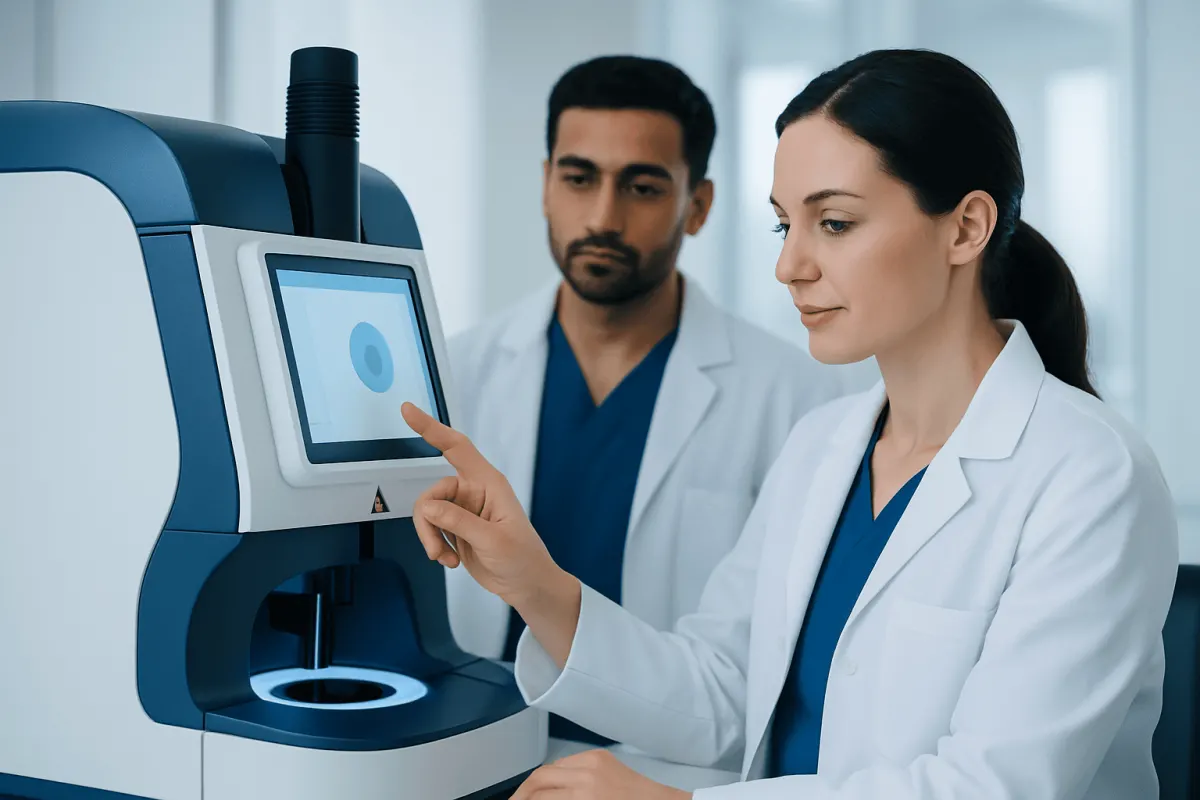
Cancers that look similar under a microscope may behave differently because their cells carry different genetic changes or produce different proteins. A biopsy sample, blood sample or both may be examined for biomarkers before treatment begins. Examples include changes in genes involved in cell growth or proteins found on the cancer-cell surface.
Testing helps the oncology team decide whether a particular target is present and whether a targeted drug is appropriate. A result does not always mean that a medicine will work, but it can help avoid treatment that is unlikely to be useful. In some advanced cancers, broader genomic testing may identify changes that can be treated with a medicine used across more than one cancer type.
Targeted therapy may be given before surgery to shrink a tumor, after primary treatment to lower the risk of recurrence, or for cancer that has spread or returned. It may also be combined with other approaches, including chemotherapy, Cancer Radiation Treatment: Options and Outlook" class="ahp-ilk">radiation treatment, hormone therapy or immunotherapy when this is supported by the treatment plan.
- Small-molecule inhibitors block signals inside cancer cells.
- Monoclonal antibodies bind selected proteins on cancer cells or nearby tissues.
- Angiogenesis inhibitors may reduce signals that support tumor blood-vessel growth.
- Targeted cell-death pathway medicines can make cancer cells more likely to die.
What stops cancer cells from growing?
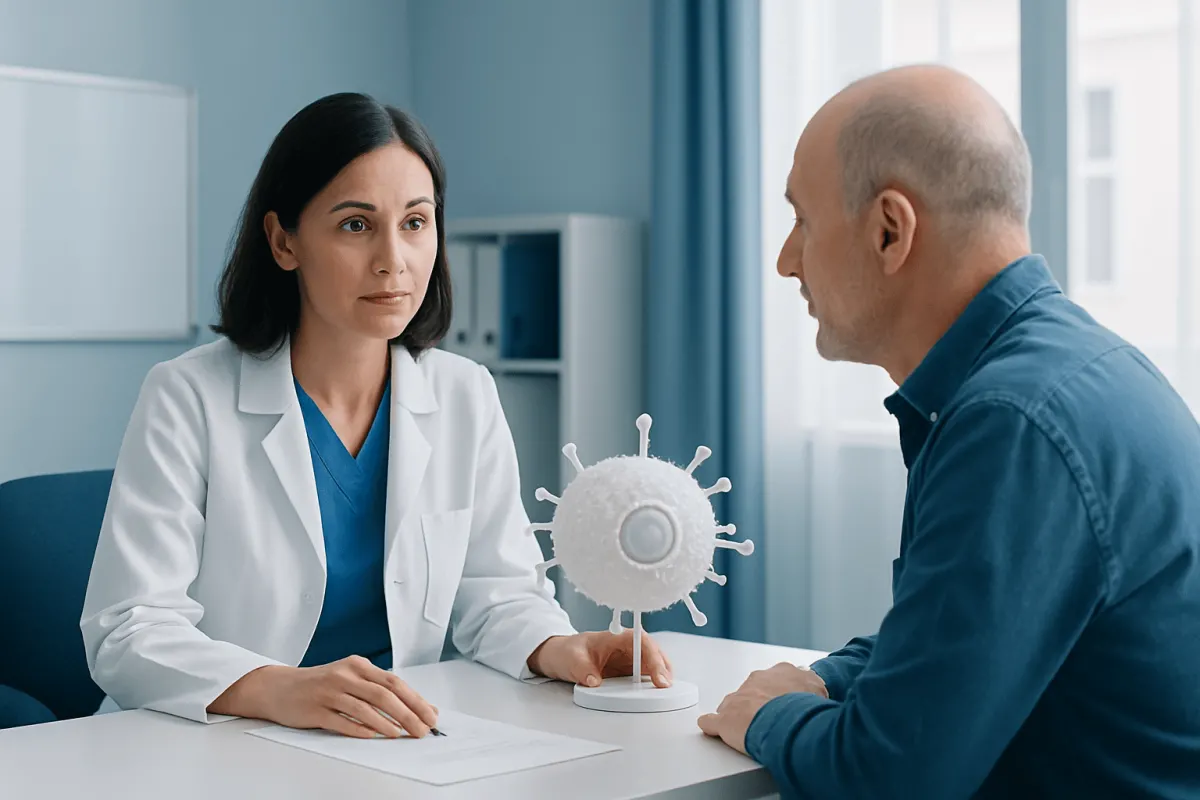
Cancer cells grow when they receive signals telling them to divide, survive and obtain nutrients. Targeted drugs can interrupt these signals. For example, some block growth-factor receptors, some inhibit enzymes used for cell signaling, and others interfere with pathways that help tumors develop a blood supply.
Other cancer treatments can also slow or stop cancer growth. Surgery removes a tumor when it can be safely taken out. Radiation damages cancer-cell DNA in a planned treatment area. Chemotherapy affects rapidly dividing cells, hormone therapy reduces hormone-driven growth in certain cancers, and immunotherapy helps the immune system recognize or attack cancer cells.
In practice, cancer control often relies on more than one approach. The care team considers the cancer’s location, biology and extent, as well as a person’s symptoms, medical history and preferences. For some patients, targeted treatment is part of a broader cancer treatment plan rather than a replacement for every other therapy.
Is target therapy better than chemotherapy?
Targeted therapy is not universally better than chemotherapy. It can be a highly effective option when a cancer has a target that is known to respond to a particular medicine. In that situation, it may be more precise than standard chemotherapy and may have a different side-effect pattern.
However, targeted medicines can still affect healthy tissues and can cause serious complications in some people. They may not be helpful if the needed biomarker is absent, if the cancer becomes resistant, or if another treatment has stronger evidence for that cancer type and stage. Chemotherapy remains an important treatment for many cancers and may be used before, after or together with targeted therapy.
The most suitable treatment is based on clinical evidence and individual circumstances, not on a simple comparison between treatment names. An oncologist can explain the expected benefit, possible risks, practical considerations and alternatives for a particular diagnosis, including conditions such as lung cancer or breast cancer, where biomarker-guided treatment may be considered for selected patients.
Uses, common side effects and medicine safety
The approved use of each targeted medicine is set out in its official product label. This includes the cancer types, disease settings, biomarker requirements and combinations for which it has been studied. Some medicines are used only after another treatment has been tried, while others may be used earlier in care when testing identifies a suitable target.
Side effects vary widely by drug class. Common effects can include tiredness, skin rash or dryness, diarrhea, nausea, appetite changes, mouth sores, high blood pressure, changes in blood counts, liver-test abnormalities and problems with wound healing. Some medicines may also affect the heart, lungs, kidneys, thyroid, eyes or nervous system. These risks are not the same for every medicine.
Targeted drugs can interact with prescription medicines, over-the-counter products, vitamins, herbal preparations and certain foods. Pregnancy, breastfeeding, liver or kidney disease, heart conditions, planned surgery and a history of certain lung or bleeding problems may affect whether a medicine is suitable. Patients should provide the oncology team and pharmacist with a complete, current medication list before treatment and before starting anything new.
Regular blood tests, blood-pressure checks, scans and symptom reviews help the team assess safety and whether treatment is controlling the cancer. Patients should follow the official instructions provided with their medicine and ask their clinician or pharmacist about missed doses, storage and handling. Dosage changes should only be made by the prescribing team.
How long do you stay on targeted therapy?
The duration of targeted therapy depends on the medicine’s approved use and the aim of treatment. In some situations, treatment is given for a defined period after surgery or alongside another planned therapy. When used for advanced cancer, a targeted drug may be continued for as long as it is helping and side effects remain manageable.
Follow-up appointments usually include symptom review, physical examination when needed, laboratory tests and imaging at intervals chosen by the oncology team. These checks can show whether the cancer is responding, stable or progressing, and whether side effects need treatment, a temporary pause or a change in medicine.
Cancer cells can sometimes develop resistance, meaning the drug gradually becomes less effective. This is one reason testing, follow-up and treatment planning remain important throughout care. If a targeted medicine stops working, the team may discuss another targeted option, a different treatment type, a clinical trial or supportive care, depending on the situation.
What new cancer drug has 100% success?
No new cancer drug has 100% success for all patients, all cancer types or all stages of cancer. Treatment responses differ because cancers have different biological features, and people may have different health conditions, previous treatments and degrees of treatment tolerance.
News reports may describe impressive results from early trials or from carefully selected groups of patients. These findings can be encouraging, but they do not guarantee that the same response will occur for everyone. Reliable treatment decisions are based on approved indications, biomarker results, clinical-trial evidence and discussion with an oncology specialist.
It is reasonable to ask the care team what response rates, goals and uncertainties apply to an individual treatment recommendation. They can also explain whether the goal is cure, lowering the chance of recurrence, controlling cancer growth, easing symptoms or extending time without progression.
When to seek medical care
Patients receiving targeted therapy should contact their oncology team promptly if they develop a new or worsening symptom, especially fever, persistent vomiting or diarrhea, severe rash, unusual bleeding or bruising, yellowing of the skin or eyes, marked swelling, reduced urination, severe fatigue or pain that is not controlled by the agreed plan.
Emergency medical help is needed for symptoms such as trouble breathing, chest pain, sudden weakness or confusion, fainting, swelling of the face or throat, or signs of a severe allergic reaction. It is important to tell emergency clinicians about the cancer diagnosis and all medicines being taken.
People with a newly diagnosed cancer, a suspected recurrence or questions about biomarker testing should arrange an appointment with an oncology specialist. Acıbadem Health Point’s multidisciplinary specialists in JCI-accredited hospitals can assess cancer diagnoses and coordinate individualized treatment planning for international patients.
Frequently asked questions
01Are target drugs for cancer the same as immunotherapy?
No. Targeted therapy acts on specific molecules or pathways involved in cancer growth, while immunotherapy works by helping the immune system recognize or respond to cancer. Some treatment plans may include both approaches, but they are different medicine categories.
02Do all cancers have a targeted therapy option?
No. Some cancers do not have an identified target with an approved treatment, and some tumors do not carry the biomarker needed for a particular medicine. Testing can help determine whether targeted therapy is relevant to an individual's cancer.
03Can targeted therapy cure cancer?
In some settings, targeted therapy can be part of treatment intended to cure cancer or reduce the risk of it returning. In advanced cancer, it is more often used to control cancer growth and symptoms. The expected goal depends on the diagnosis and treatment setting.
04Are targeted cancer drugs safer than chemotherapy?
Targeted drugs have different risks rather than no risks. They may avoid some chemotherapy-related effects, but can cause skin, digestive, blood-pressure, heart, lung, liver or other complications depending on the medicine. Ongoing monitoring is important for safe use.
05Can supplements interfere with targeted therapy?
Yes. Some supplements, herbal products and foods can change how medicines are absorbed or processed by the body, and may increase side effects or reduce effectiveness. Patients should check with their oncology team or pharmacist before using any supplement.
06What happens if targeted therapy stops working?
The oncology team may repeat scans, review biomarker information and consider whether cancer resistance has developed. Depending on the results, options may include a different targeted medicine, another systemic treatment, a clinical trial or supportive treatment focused on comfort and quality of life.
This article is for general information only and is not a substitute for professional medical advice. Please consult a qualified doctor about your individual situation.
Oncology care in Turkey — second opinion and treatment plan
JCI-accredited · board-certified surgeons · reply within 24h
Add us as a Preferred Source to see more of our trusted health content across Google Search, AI Overviews and Discover.