H. pylori Cancer Symptoms, Diagnosis and Treatment
H. pylori Breast Cancer Symptoms: Early Signs and Changes" class="ahp-ilk">cancer symptoms are not usually specific, and many people with H. pylori infection never develop cancer. However, long-term untreated infection can raise the risk of stomach cancer, so testing, effective treatment and follow-up are important when symptoms or risk factors are present.
Overview: the link between H. pylori and cancer
H. pylori cancer symptoms are often absent in the early stages. Helicobacter pylori, usually shortened to H. pylori, is a bacterium that can live in the stomach lining. It can cause long-lasting inflammation, gastritis and peptic ulcers; over many years, persistent infection can increase the chance of certain stomach cancers in some people.
Having H. pylori does not mean that a person has cancer or will develop it. Most infected people never develop stomach cancer. Risk is influenced by the duration of infection, family history, smoking, dietary patterns, the condition of the stomach lining and other individual factors. Treating confirmed H. pylori can reduce ongoing inflammation and is an important part of lowering future risk.
Symptoms from H. pylori, ulcers and stomach cancer can overlap. Indigestion or upper abdominal discomfort is common and is much more often caused by non-cancerous conditions. A clinician can decide whether simple H. pylori testing is appropriate or whether an endoscopy is needed to look directly at the stomach lining.
Symptoms that may need evaluation
Many people with H. pylori have no symptoms. When symptoms occur, they can include a burning or aching sensation in the upper abdomen, bloating, frequent burping, nausea, early fullness after eating and indigestion. These symptoms are not reliable indicators of cancer and may also occur with reflux, medication effects, functional dyspepsia or an ulcer.
Possible warning signs of a more serious stomach condition include persistent or worsening upper abdominal pain, feeling full after small meals, loss of appetite, unexplained weight loss, ongoing vomiting, fatigue due to anemia, black tar-like stools or vomiting blood. These symptoms do not diagnose cancer, but they should be assessed promptly.
- New or persistent indigestion that does not improve
- Difficulty swallowing or pain when swallowing
- Repeated vomiting or inability to keep fluids down
- Unexplained iron-deficiency anemia or marked tiredness
- A close family history of stomach cancer
People with symptoms may have gastric cancer only rarely, but timely assessment helps identify treatable causes and avoids delay if further testing is required.
What are the first symptoms of H. pylori?

The first symptoms of H. pylori, when they occur, are usually mild and non-specific. A person may notice indigestion, upper abdominal discomfort, bloating, nausea, frequent belching or an uncomfortable burning sensation that may be worse when the stomach is empty. Some people feel full sooner than usual during meals.
These symptoms alone cannot confirm H. pylori. Many digestive disorders cause similar complaints, and some infected people feel completely well. Testing is particularly useful when symptoms suggest an ulcer or ongoing dyspepsia, or when there are relevant risk factors such as a history of peptic ulcer disease.
A clinician may also consider H. pylori testing in people with unexplained iron-deficiency anemia or certain stomach conditions. Self-diagnosis is not recommended, because the right test and timing can affect the accuracy of results.
How H. pylori causes risk and how long it can go untreated
H. pylori is commonly acquired in childhood and can remain in the stomach for decades without treatment. The infection may persist for life unless it is eradicated with appropriate medicines. During that time, it can maintain inflammation in the stomach lining and, in some people, contribute to ulcers or gradual cellular changes associated with a higher stomach cancer risk.
How long can H. pylori go untreated? There is no fixed timeline. Some people have no complications despite years of infection, while others develop gastritis or ulcers earlier. Cancer, when it is linked to H. pylori, generally develops through changes that occur over many years rather than over days or weeks.
Risk may be higher in people with a first-degree relative with stomach cancer, a previous stomach ulcer, smoking exposure, certain chronic stomach-lining changes or a background from a region where stomach cancer is more common. A healthcare professional can assess personal risk and advise whether testing, treatment or endoscopic monitoring is appropriate.
Diagnosis and assessing cancer risk
Noninvasive tests for active H. pylori infection include a urea breath test and a stool antigen test. Blood antibody tests may show a past exposure and are less useful for confirming an active infection or proving that treatment worked. Some medicines, especially acid-suppressing medicines and recent antibiotics, can affect test results, so patients should ask their clinician whether any medicines need to be paused before testing.
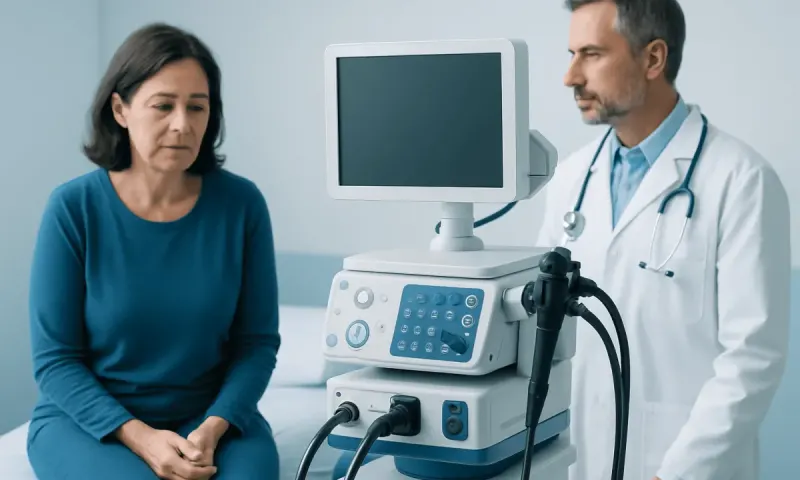
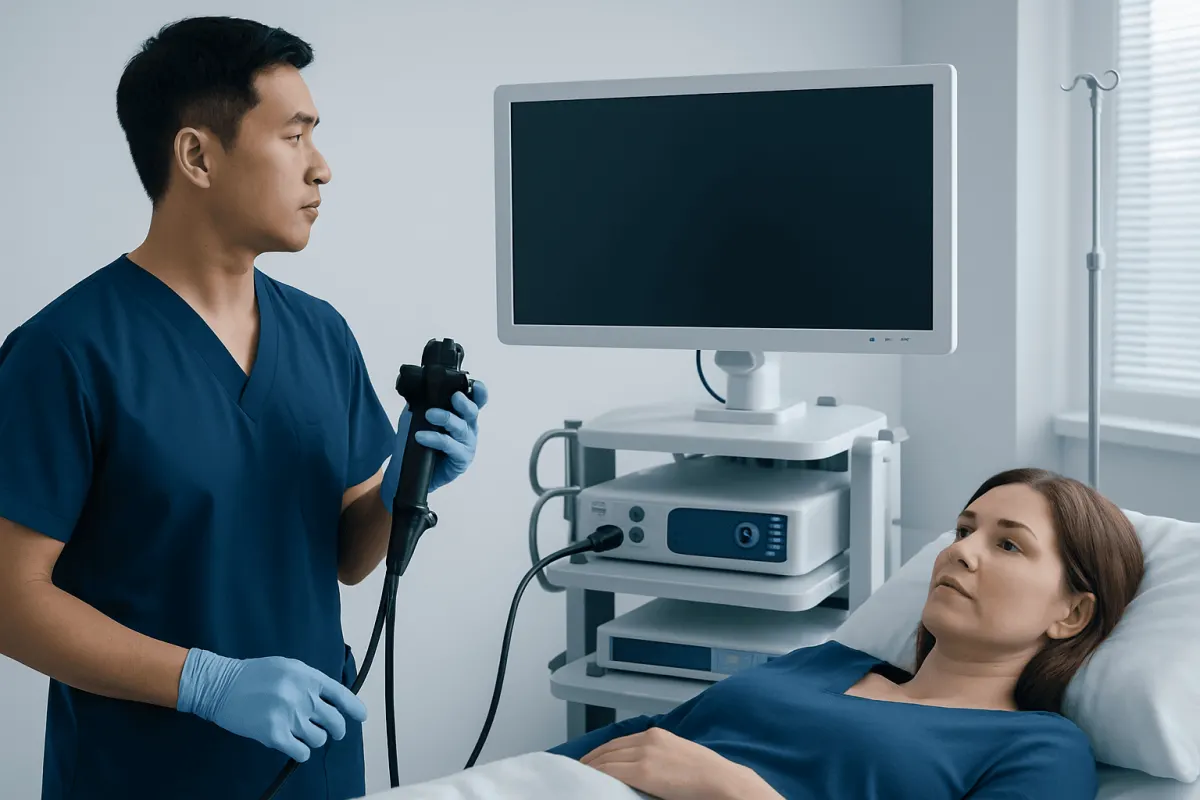
An upper endoscopy may be advised for alarm symptoms, significant anemia, recurrent vomiting, a concerning family history, older age at new symptom onset or symptoms that persist despite initial care. During endoscopy, a specialist passes a thin camera through the mouth to inspect the esophagus, stomach and first part of the small intestine. Small tissue samples can be taken to test for H. pylori and examine the lining for inflammation, ulcers or abnormal cells.
If cancer is diagnosed, further imaging and pathology tests help establish its type and stage. This information guides individualized treatment planning. Not every person with H. pylori needs endoscopy, but it is an important test when symptoms or risk factors suggest that direct assessment is needed.
Modern H. pylori treatment and follow-up
H. pylori treatment usually involves a combination of antibiotics plus a medicine that reduces stomach acid. The exact regimen depends on local antibiotic resistance patterns, previous antibiotic use, allergies and a person’s medical history. Completing every prescribed medicine as directed is important, even if symptoms improve before the course is finished.
Clinicians generally recommend a follow-up test to confirm that the infection has cleared. This is often a breath or stool test performed after enough time has passed following treatment and after certain acid-suppressing medicines have been withheld if advised. Symptoms improving does not by itself prove eradication.
Ulcers related to the infection may need time to heal and sometimes require additional treatment. If tests show that H. pylori remains present, a clinician can recommend another regimen rather than repeating the same approach without guidance. For people who require evaluation or treatment of a stomach lesion, gastroenterology care can coordinate testing, endoscopy and follow-up.
Can I drink coffee during H. pylori treatment? Coffee does not directly prevent antibiotics from working, but it may worsen stomach discomfort, nausea, heartburn or ulcer-related pain in some people. It is reasonable to limit or avoid coffee if it triggers symptoms, and to ask the prescribing clinician or pharmacist about timing with specific medicines. Avoiding alcohol is particularly important with some antibiotic regimens because interactions can occur.
Lifestyle support, emotional wellbeing and anxiety
Food does not eradicate H. pylori, and no particular diet can replace prescribed treatment. During recovery, smaller meals and limiting foods or drinks that clearly trigger pain, reflux or nausea may improve comfort. Smoking cessation is also important because smoking can worsen ulcer healing and is a risk factor for stomach cancer.
Does anxiety go away after H. pylori treatment? Anxiety does not have a single cause, and treating H. pylori is not a guaranteed treatment for anxiety. Some people feel less anxious when digestive symptoms improve or when uncertainty about their health is resolved. Others continue to experience anxiety and may benefit from discussing it with a doctor or mental health professional.
Persistent anxiety, low mood, poor sleep or fear around eating deserve supportive care in their own right. A clinician can help distinguish symptoms related to digestive illness from those that may need psychological support, while taking both concerns seriously.
When to seek medical care
Medical advice should be sought for persistent indigestion, recurring upper abdominal pain, nausea, early fullness or unexplained fatigue, especially if symptoms last more than a few weeks or affect daily life. People with a known history of H. pylori who have not completed treatment or have not had a confirmation test should discuss follow-up with their clinician.
Urgent medical care is needed for vomiting blood, material that resembles coffee grounds, black tar-like stools, fainting, severe or sudden abdominal pain, repeated vomiting, or signs of dehydration. These may indicate bleeding or another complication that needs prompt assessment.
People with a close family history of stomach cancer, unexplained anemia, unintended weight loss or worsening swallowing problems should arrange timely evaluation even if symptoms seem mild. Acıbadem Health Point’s multidisciplinary specialists and JCI-accredited hospitals can assess digestive symptoms and coordinate investigation and treatment for international patients.
Frequently asked questions
01Can H. pylori cause cancer?
H. pylori is a recognized cause of chronic stomach inflammation and is an important risk factor for some types of stomach cancer. However, most people with the infection do not develop cancer. Identifying and treating confirmed infection can reduce ongoing inflammation and future risk.
02How long can H. pylori go untreated?
H. pylori can persist for decades, often without symptoms, if it is not treated. There is no predictable time frame for complications, and many people never develop an ulcer or cancer. Because long-term infection can increase risk in some people, confirmed infection should be discussed with a clinician.
03Can I drink coffee during H. pylori treatment?
Coffee usually does not stop H. pylori medicines from working, but it can aggravate nausea, heartburn or upper abdominal pain. Limiting coffee may make treatment more comfortable if it triggers symptoms. A pharmacist or clinician can advise about any medicine-specific timing instructions.
04What are the first symptoms of H. pylori?
Many people have no symptoms. When present, early symptoms may include indigestion, upper abdominal discomfort, bloating, nausea, belching and feeling full quickly. These symptoms are common and do not confirm H. pylori, so appropriate testing is needed.
05Does anxiety go away after H. pylori treatment?
Some people feel less anxious after treatment because digestive symptoms and health uncertainty improve. However, anxiety may continue because it has many possible causes and is not reliably cured by eradicating H. pylori. Ongoing anxiety should be discussed with a healthcare professional.
06How is H. pylori eradication confirmed?
A urea breath test or stool antigen test is commonly used after treatment to check whether the infection is gone. The test should be done at the timing recommended by the treating clinician, because recent antibiotics and some acid-reducing medicines can affect accuracy. Feeling better alone does not confirm eradication.
This article is for general information only and is not a substitute for professional medical advice. Please consult a qualified doctor about your individual situation.
Medical weight-loss options in Turkey — costs & eligibility
JCI-accredited · board-certified surgeons · reply within 24h
Add us as a Preferred Source to see more of our trusted health content across Google Search, AI Overviews and Discover.