Spleen Cancer: Symptoms, Diagnosis and Treatment
Spleen cancer is uncommon, and most cancers involving the spleen are lymphoma or cancer that has spread there from another part of the body. Symptoms can be subtle, so assessment usually combines blood tests, imaging and, in selected cases, tissue testing to identify the cause and plan treatment.
Overview: What Is Spleen Cancer?
Spleen cancer refers to cancer that begins in the spleen or cancer that involves the spleen after starting elsewhere. It is rare for a solid cancer to originate in this organ. More often, the spleen is affected by lymphoma, a cancer of lymphocytes, which are immune cells found in lymph nodes, blood, bone marrow and the spleen.
The spleen sits in the upper left side of the abdomen, behind the stomach and beneath the ribs. It helps filter blood, remove aging blood cells, store certain blood cells and support immune function. Because the spleen is part of the lymphatic and blood systems, some blood cancers and lymphomas can affect it.
A mass, cyst, enlarged spleen or unusual area found during an ultrasound or CT scan is not necessarily cancer. Infection, inflammation, benign growths, blood disorders and liver-related conditions can also enlarge the spleen or create changes on imaging. Careful evaluation is therefore important before drawing conclusions.
Types of Cancer That Can Affect the Spleen
The most common malignant condition involving the spleen is lymphoma. Lymphoma may mainly involve the spleen, sometimes called primary splenic lymphoma, or it may involve the spleen as part of more widespread disease. Both Hodgkin lymphoma and non-Hodgkin lymphoma can involve the spleen, although the latter is more often associated with primary splenic disease.
Rarely, a cancer develops from blood vessel cells in the spleen. This is called splenic angiosarcoma. It tends to behave aggressively and requires prompt assessment by a specialist cancer team. Other rare tumors can arise from connective tissue or other cells within the spleen, but these are much less common.
Cancers from other organs may also spread to the spleen, though the spleen is not among the most frequent sites of metastasis. When this occurs, the medical team focuses on identifying the original cancer and understanding whether disease is present elsewhere. The diagnosis, rather than the location alone, determines the most suitable treatment approach.
Possible Early Signs and Symptoms

Early spleen cancer may cause no symptoms. In some people, it is discovered incidentally when imaging is performed for another reason or when routine blood tests show changes that need further investigation. When symptoms occur, they can overlap with many non-cancerous conditions.
A person may notice discomfort, pressure or a feeling of fullness in the upper left abdomen. If the spleen is enlarged, it can press on the stomach and lead to feeling full after eating only a small amount. Some people may also experience pain that extends toward the left shoulder, particularly if the spleen is very enlarged or irritated.
General symptoms may include ongoing tiredness, unexplained fever, drenching night sweats, reduced appetite or unintended weight loss. Low red blood cells, white blood cells or platelets can sometimes develop when an enlarged spleen holds onto or breaks down blood cells more quickly than usual. This may contribute to fatigue, infections or easy bruising, but these signs have many possible causes.
- Fullness or discomfort beneath the left rib cage
- Feeling full unusually quickly during meals
- Persistent fatigue or reduced exercise tolerance
- Fever, night sweats or unintended weight loss
- Easy bruising, frequent infections or abnormal blood test results
Causes and Risk Factors
In most cases, there is no single identifiable cause of spleen cancer. Cancer Risk Factors: Lifestyle, Genetics, and Age" class="ahp-ilk">Risk factors depend on the type of cancer involved. For lymphoma, risk may be influenced by age, certain immune system disorders, immunosuppressive medicines, previous treatment for cancer, and some chronic infections. Having a risk factor does not mean that a person will develop cancer, and many people diagnosed with lymphoma have no known risk factors.
People with weakened immune systems may have a higher risk of some lymphomas. This can include people who have received an organ transplant, take long-term immune-suppressing medicines, or have certain immune deficiencies. Some infections are linked with particular lymphoma subtypes, but infection testing and risk assessment are individualized rather than assumed.
There are no established lifestyle measures that specifically prevent primary spleen cancer. However, avoiding tobacco, maintaining a healthy weight, limiting alcohol, staying physically active and attending recommended health checks support general health and may lower the risk of several cancers. Vaccination and appropriate management of chronic infections can also support long-term health when advised by a clinician.
How Doctors Diagnose Spleen Cancer
Diagnosis begins with a medical history and physical examination. A clinician may check for spleen enlargement and ask about symptoms such as abdominal fullness, fever, night sweats, recurrent infections, bleeding or weight change. Blood tests can assess blood cell levels, liver and kidney function, inflammation and other indicators that may help narrow the possible causes.
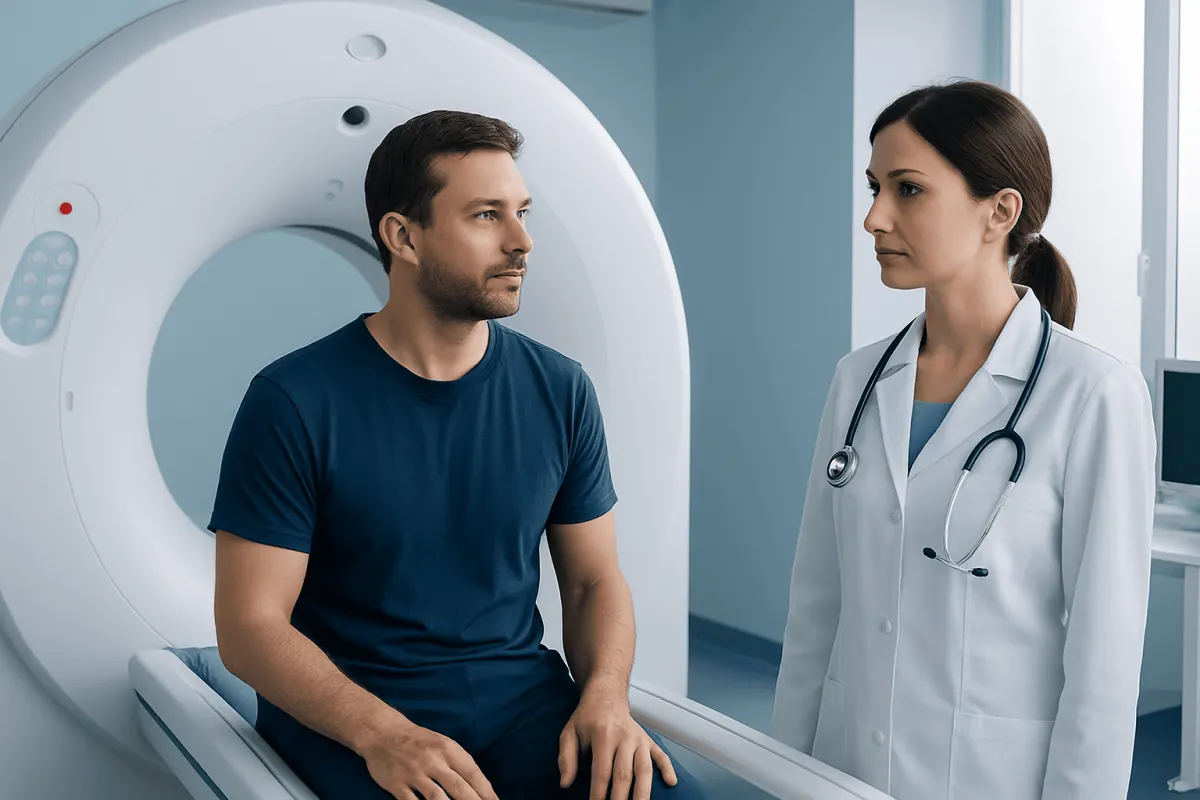
Imaging is central to evaluation. An abdominal ultrasound can identify enlargement or a focal lesion, while CT or MRI scans provide more detailed information about the spleen and nearby organs. PET-CT may be used when lymphoma is suspected or confirmed, as it can help show areas of active disease throughout the body.
A definite diagnosis often requires examination of cells or tissue by a pathologist. Depending on the clinical situation, this may involve a blood test, bone marrow testing, biopsy of a more accessible lymph node or lesion, or removal of the spleen. Direct biopsy of the spleen is not appropriate for every person because the organ is highly vascular and bleeding risk must be considered. The diagnostic plan is tailored by a hematology, oncology, radiology and surgical team.
Doctors also assess the stage or extent of disease. This may include whether cancer is confined to the spleen, present in lymph nodes, bone marrow or other organs, or has spread from a known primary cancer. This information helps balance the likely benefit and possible effects of each treatment option.
Treatment Options and Outlook
Treatment for spleen cancer depends on the diagnosis. Some slow-growing lymphomas that cause no symptoms may be monitored closely for a period, an approach often called active surveillance or watchful waiting. This is a structured plan with regular appointments and tests, not an absence of care.
For lymphoma requiring treatment, options may include immunotherapy, targeted medicines, chemotherapy, radiation therapy in selected situations, or combinations of these approaches. The cancer subtype, stage, genetic features, symptoms, blood counts and overall health all influence the recommendation. Treatment for cancer that has spread to the spleen generally focuses on the original cancer type and its overall extent.
Surgery to remove the spleen, known as splenectomy, may be considered to obtain a diagnosis, manage symptoms from severe enlargement, treat certain localized tumors, or reduce the risk of rupture or bleeding in carefully selected cases. Removing the spleen can increase susceptibility to particular infections, so people usually need specific vaccines and guidance about seeking care promptly if they develop fever after surgery.
Outlook varies widely. Some lymphomas involving the spleen can be managed effectively for many years, while rare tumors such as angiosarcoma may need more intensive treatment. A person’s prognosis cannot be estimated from symptoms or scan findings alone; it requires the final pathology report, staging results and an individualized discussion with the treating team.
Living Well During Evaluation and Treatment
While tests are underway, it can be helpful to keep a record of symptoms, temperature changes, appetite, weight and any bruising or bleeding. Bringing a list of medicines, supplements, previous illnesses and family medical history to appointments can help the care team make informed decisions. It is also reasonable to ask what each test is intended to show and when results are expected.
Anyone with an enlarged spleen should ask their clinician about activity restrictions. Contact sports and activities that could cause a blow to the abdomen may need to be avoided because an enlarged spleen can be more vulnerable to injury. New severe upper abdominal pain, dizziness, fainting or shoulder pain after an injury requires urgent medical assessment.
Nutrition, gentle activity when medically appropriate, rest and emotional support can all be valuable during cancer evaluation or treatment. Patients may benefit from speaking with a dietitian, psychologist, specialist nurse or support organization. Acıbadem Health Point’s multidisciplinary specialists and JCI-accredited hospitals provide diagnostic and treatment care for international patients with hematologic and solid-organ cancers.
When to Seek Medical Care
A person should arrange a medical appointment for persistent fullness or pain in the upper left abdomen, unexplained fatigue, ongoing fever, drenching night sweats, unintentional weight loss, repeated infections, or unusual bruising and bleeding. These symptoms are not specific to spleen cancer, but they warrant assessment when they are new, persistent or worsening.
Urgent medical care is needed after a significant blow to the left side of the abdomen, especially if there is severe abdominal pain, left shoulder pain, dizziness, fainting, rapid heartbeat or marked weakness. These can be signs of internal bleeding, including a possible splenic injury, and should not be managed at home.
People who have had a splenectomy should follow their care team’s vaccination and infection-prevention advice. They should seek prompt medical guidance for fever or feeling acutely unwell, as infections can become serious more quickly without a functioning spleen.
Frequently asked questions
01Is spleen cancer common?
No. Cancer that begins in the spleen is rare. Lymphoma is the most common cancer affecting the spleen, while some cancers can also spread to the spleen from another part of the body.
02Can an enlarged spleen mean cancer?
An enlarged spleen can occur for many reasons and does not automatically indicate cancer. Infections, liver disease, inflammatory conditions and blood disorders are among the other possible causes, so medical assessment is needed.
03What does spleen cancer pain feel like?
Some people experience pressure, fullness or discomfort beneath the left ribs, while others have no pain. Pain may also be felt in the left shoulder in certain situations, but these symptoms can have many different causes.
04Can spleen cancer be found on a blood test?
Blood tests may show low or high blood cell counts and other changes that support the investigation, but they cannot usually confirm spleen cancer on their own. Imaging and, when needed, tissue analysis are used to establish the diagnosis.
05Does removal of the spleen cure spleen cancer?
Splenectomy can be useful for selected localized tumors, for diagnosis, or to relieve complications from an enlarged spleen. Whether it is curative depends entirely on the cancer type and whether disease is present elsewhere.
06Can a person live normally without a spleen?
Many people live active lives without a spleen. However, the spleen contributes to protection against certain infections, so recommended vaccines, awareness of fever and individualized infection-prevention advice are important.
This article is for general information only and is not a substitute for professional medical advice. Please consult a qualified doctor about your individual situation.
Persistent digestive symptoms? Get evaluated in Turkey
JCI-accredited · board-certified surgeons · reply within 24h
Add us as a Preferred Source to see more of our trusted health content across Google Search, AI Overviews and Discover.