Stage 4 Prostate Cancer: Treatment and Daily Life
Prostate cancer stage 4 is advanced cancer that has spread beyond the prostate to nearby structures, lymph nodes or distant parts of the body, commonly the bones. Although it is usually not considered curable when distant spread is present, modern treatments can often control it for years, manage symptoms and help preserve quality of life.
Overview: What Prostate Cancer Stage 4 Means
Prostate cancer stage 4 describes cancer that has grown outside the prostate or spread to other areas of the body. It may involve nearby tissues such as the bladder, rectum or pelvic wall, nearby or distant lymph nodes, or distant organs. When cancer has spread to distant sites, it is called metastatic prostate cancer; the bones are the most common location.
Stage 4 is assessed using the TNM staging system, prostate-specific antigen (PSA) level, biopsy grade group and imaging findings. Stage 4A generally refers to spread to nonregional lymph nodes, while stage 4B refers to distant metastases, such as cancer in bone, lymph nodes outside the pelvis, liver or lungs. The exact stage and cancer biology help the oncology team recommend treatment.
Advanced prostate cancer is a serious diagnosis, but it is treatable. Care is usually focused on slowing cancer growth, reducing the chance of complications, relieving symptoms and maintaining daily function. Treatments and results differ substantially from one person to another, so individual discussions with a urologist and medical oncologist are essential.
Symptoms, Spread and Bone Metastases
Some people with stage 4 disease have few or no symptoms when it is found through a raised PSA level or imaging. Others may have urinary symptoms, including a weak stream, needing to urinate frequently, difficulty starting urination or blood in urine. These symptoms can also occur with non-cancerous prostate enlargement, so they need proper assessment rather than self-diagnosis.
When prostate cancer spreads to bone, it can cause persistent or worsening pain, commonly in the back, hips, pelvis, ribs or thighs. Other possible signs include fatigue, reduced appetite or unintended weight loss. Bone metastases can sometimes weaken a bone and increase fracture risk, although many can be treated before a fracture occurs.
New severe back or neck pain with leg weakness, numbness around the buttocks or groin, difficulty walking, or loss of bladder or bowel control may indicate spinal cord compression. This is a medical emergency and requires urgent evaluation. Prostate cancer may behave differently in each person, so symptoms alone cannot show how far it has spread.
How Long Does It Take for Prostate Cancer to Spread to the Bones?

There is no fixed timetable for prostate cancer to spread to the bones. Some prostate cancers grow very slowly and may never spread, while aggressive cancers can spread earlier. The pace depends on factors including the grade group or Gleason score, PSA pattern, cancer stage at diagnosis, genetic features and response to treatment.
Bone spread may already be present when an aggressive prostate cancer is diagnosed, even if the person has no bone symptoms. In other cases, it develops after years of follow-up. PSA testing, clinical examination and imaging are used together to monitor for progression; a PSA change alone does not confirm that cancer has spread.
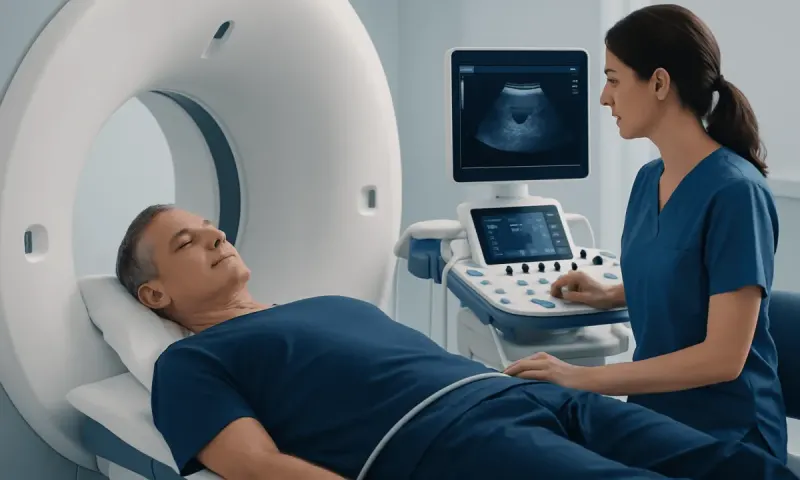
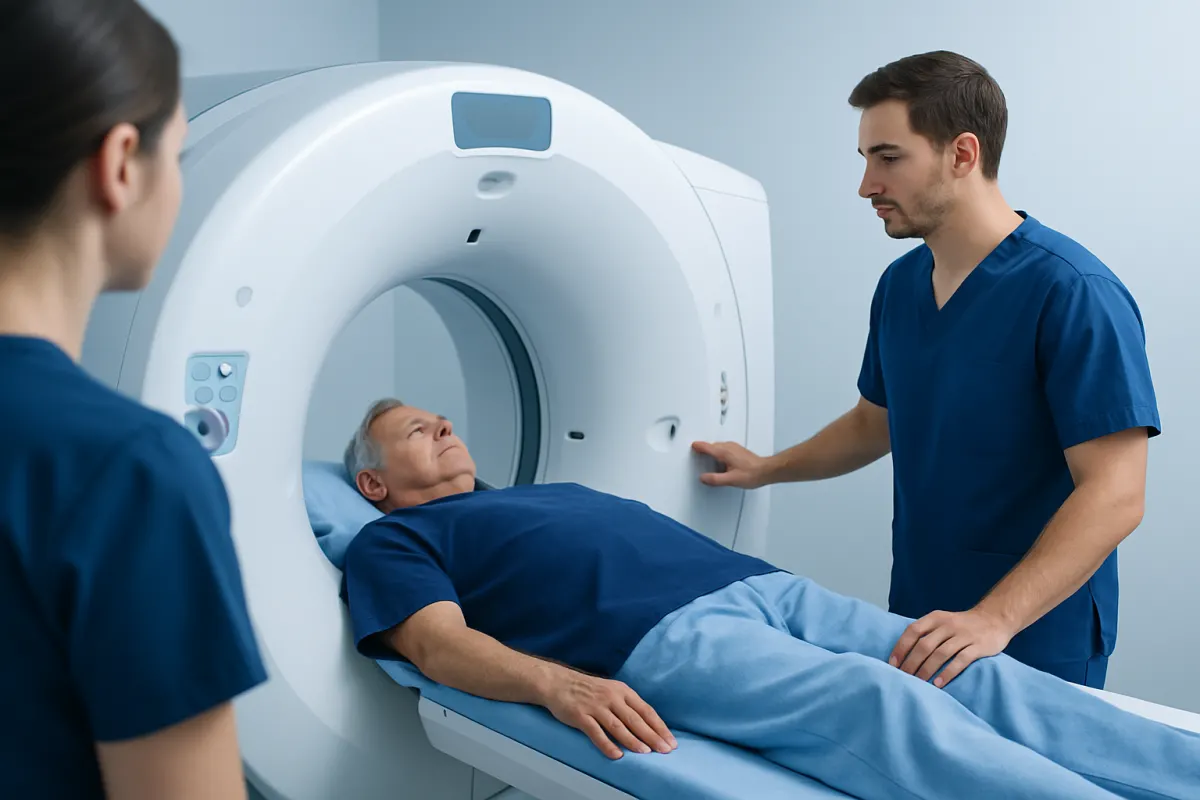
Modern imaging may include MRI, CT, bone scans and, where appropriate, PSMA PET scanning. These tests help clinicians identify where cancer is located and select the most suitable treatment. Regularly scheduled monitoring is important because it can detect changes before they lead to serious complications.
Diagnosis and Treatment Planning
Diagnosis begins with a review of symptoms, medical history, PSA testing, digital rectal examination and prostate biopsy findings. Imaging helps establish the stage and may include MRI of the prostate, CT scans, bone scanning or PET imaging. Blood tests can assess kidney and liver function, blood counts and other factors that affect treatment decisions.
The care team also considers whether the cancer is still sensitive to testosterone-lowering treatment, often called hormone-sensitive disease, or whether it has progressed despite low testosterone levels, called castration-resistant disease. Tumor testing may identify inherited or acquired gene changes that could affect treatment choices. In some situations, genetic counseling and testing are recommended for the person and potentially their relatives.
Stage 4 care often involves several specialists, including a urologist, medical oncologist, radiation oncologist, radiologist, pathologist, specialist nurse, physiotherapist and palliative-care team. Palliative care is not limited to end-of-life care; it can be introduced at any stage to help control pain, fatigue, sleep difficulties, emotional distress and practical concerns.
Treatment Options, Procedures, Recovery and Results
Most people with metastatic prostate cancer receive androgen-deprivation therapy (ADT), which lowers or blocks the effect of testosterone that can stimulate prostate cancer cells. ADT may be given as injections, tablets or surgery to remove the testicles. Depending on the extent of disease and the person’s health, it may be combined with an androgen-receptor pathway medicine, chemotherapy, targeted treatment, immunotherapy or a radiopharmaceutical treatment.
Radiotherapy may be used to treat painful bone metastases, reduce fracture risk or manage cancer pressing on the spinal cord. It can also be considered for the prostate itself in selected people with newly diagnosed, lower-volume metastatic disease. Surgical procedures are less often used to remove the prostate in widespread metastatic disease, but may help address urinary obstruction or other local complications. Radiotherapy treatment is planned carefully to protect nearby healthy tissue.
Recovery depends on the treatment received. After radiotherapy, temporary tiredness, bowel changes or urinary irritation can occur. Hormone treatment can cause hot flushes, reduced sexual desire, erectile difficulties, fatigue, muscle loss, weight changes and bone thinning; clinicians can offer strategies to manage these effects. Chemotherapy may cause fatigue, infection risk, numbness or tingling, and other side effects that should be reported promptly.
Results are measured through symptoms, PSA trends, scans and overall wellbeing. A falling PSA can be encouraging, but it is interpreted alongside scans and clinical findings. Treatment plans are adjusted over time as the cancer responds or changes, with supportive treatments for bone health, pain, urinary symptoms and emotional wellbeing as needed.
What to Eat After Prostate Cancer Treatment?
After Cancer Treatment: Options for Every Stage" class="ahp-ilk">prostate cancer treatment, most people benefit from a varied eating pattern that supports strength, heart health and bone health. This generally includes vegetables, fruit, beans, whole grains, nuts, lean protein sources and healthy fats such as olive oil. Adequate protein is especially important during recovery, periods of fatigue or treatment-related muscle loss.
People receiving ADT may be more likely to gain body fat, lose muscle and experience changes in blood sugar or cholesterol. Regular meals, portion awareness and limiting highly processed foods, sugary drinks and excess alcohol can help support overall health. A registered dietitian can tailor advice for appetite changes, weight loss, diabetes, bowel symptoms or other individual needs.
Calcium and vitamin D are important for bone health, but supplements should only be used after discussing them with the healthcare team. Certain cancer treatments and medical conditions can affect safe supplement choices. Gentle resistance exercise and weight-bearing activity, when approved by a clinician, can also support bones, muscle and balance.
How Long to Live With Advanced Prostate Cancer?
Life expectancy with advanced prostate cancer cannot be predicted accurately for an individual from stage alone. Some people live for many years with cancer that responds well to treatment, while others have cancer that is more aggressive or has spread extensively. Statistics from groups of patients are not a reliable forecast for one person.
Important factors include where the cancer has spread, the amount of metastatic disease, tumor grade, PSA pattern, treatment sensitivity, gene findings, general health and access to ongoing care. New therapies have expanded the options for advanced prostate cancer, and treatment is often given in sequences or combinations over time.
It can help to ask the oncology team about the specific treatment goal, what response will be monitored and what future options may be available. Honest discussions about prognosis can coexist with active treatment and supportive care. Emotional support from family, counselors, support groups and specialist nurses can be valuable throughout care.
When to Seek Medical Care
Medical review is recommended for persistent urinary changes, blood in urine or semen, unexplained weight loss, ongoing bone pain or new pain that does not improve. People already being treated for prostate cancer should contact their care team about new or worsening symptoms, significant fatigue, fever during chemotherapy, medication side effects or a noticeable decline in daily function.
Urgent medical care is needed for severe back pain with weakness, numbness, difficulty walking, or new loss of bladder or bowel control. Sudden severe bone pain after a fall or minor injury also needs prompt assessment because weakened bones can fracture. Do not wait for the next routine appointment if these symptoms occur.
At Acıbadem Health Point, multidisciplinary specialists in JCI-accredited hospitals diagnose and treat prostate cancer for international patients, coordinating medical oncology, urology, radiation oncology and supportive care. A qualified oncology team can explain whether chemotherapy or other systemic treatment is appropriate and create an individualized follow-up plan.
Frequently asked questions
01What does it mean when prostate cancer is stage 4 metastatic?
Stage 4 metastatic prostate cancer means that cancer cells have spread from the prostate to distant parts of the body. The bones are the most common site, but distant lymph nodes, lungs or liver can also be involved. It is advanced disease, but treatments can often control it, reduce symptoms and slow progression.
02Can stage 4 prostate cancer be cured?
When prostate cancer has spread to distant organs or bones, it is generally not considered curable with currently available treatments. However, many people respond well to treatment for long periods, and new options continue to improve disease control. The care team will discuss realistic goals based on the individual cancer and overall health.
03What is usually the first treatment for metastatic prostate cancer?
Testosterone-lowering therapy, also called androgen-deprivation therapy, is commonly a foundation of treatment. It is often combined with another hormone-targeting medicine, chemotherapy or other treatment depending on disease extent, symptoms and personal health factors. The best approach should be selected by a specialist oncology team.
04Does a high PSA always mean prostate cancer has spread?
No. PSA can rise for several reasons, including prostate enlargement, inflammation, infection and prostate cancer that remains confined to the prostate. In someone with known cancer, a rising PSA may suggest activity, but imaging and clinical assessment are needed to determine whether spread has occurred.
05Can bone metastases from prostate cancer be treated?
Yes. Treatments can relieve pain, strengthen or protect bones and reduce the risk of complications. Options may include systemic cancer therapy, radiotherapy, bone-protecting medicines and, in selected situations, orthopedic or spinal procedures. New pain should be assessed early so treatment can be planned promptly.
06Should a person with stage 4 prostate cancer exercise?
For many people, regular adapted physical activity is safe and helpful for energy, mood, muscle strength, balance and bone health. The type and intensity should be discussed with the oncology team, especially if there are bone metastases, pain, fracture risk or heart conditions. A physiotherapist can provide a safe, individualized program.
This article is for general information only and is not a substitute for professional medical advice. Please consult a qualified doctor about your individual situation.
Oncology care in Turkey — second opinion and treatment plan
JCI-accredited · board-certified surgeons · reply within 24h
Add us as a Preferred Source to see more of our trusted health content across Google Search, AI Overviews and Discover.