Stage 2 Prostate Cancer: Outlook and Treatment Choices
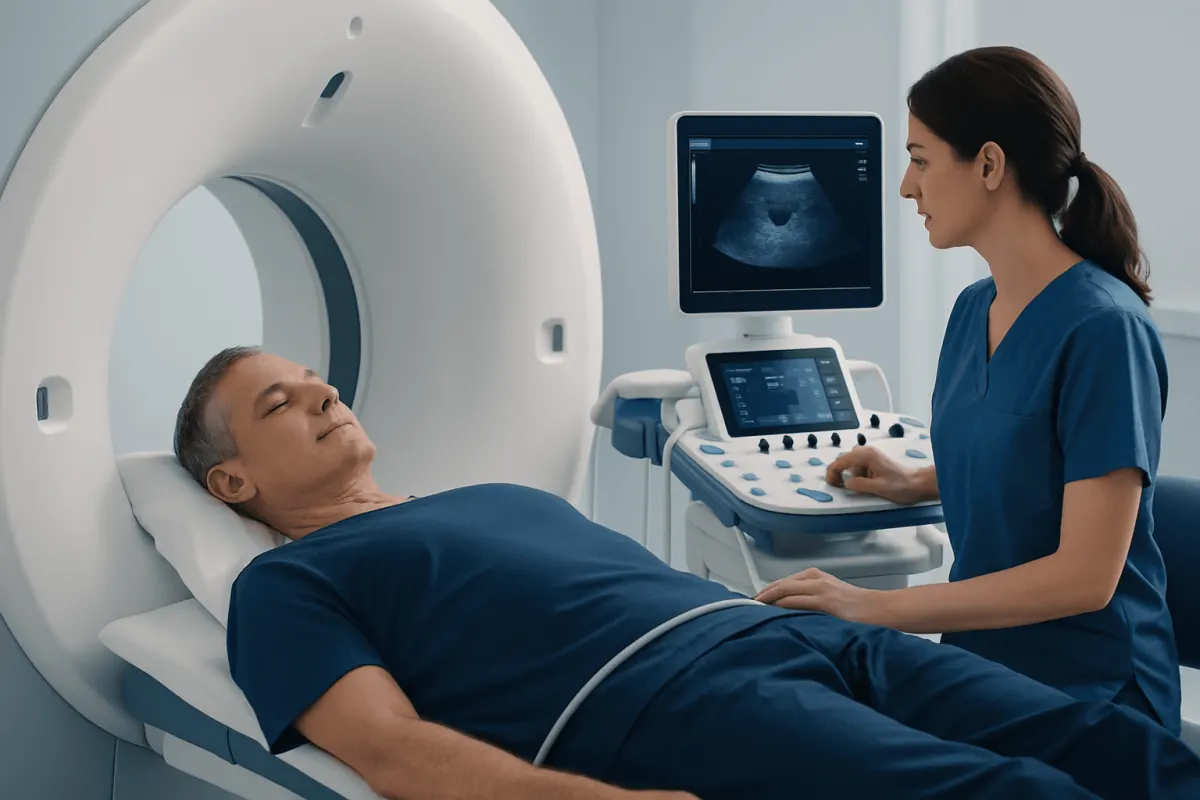
Stage 2 prostate cancer is generally localized, meaning it has not spread beyond the prostate on clinical assessment. Many people have several effective management options, and decisions are individualized around cancer risk, life expectancy, possible side effects, and personal preferences.
Overview: What Stage 2 Prostate Cancer Means
Stage 2 prostate cancer is cancer that appears to be limited to the prostate gland, without evidence that it has spread to nearby lymph nodes, distant organs, or bones. It may be found because of an elevated prostate-specific antigen (PSA) blood test, an abnormal digital rectal examination, MRI findings, or a prostate biopsy. Some people have no symptoms at diagnosis.
Although stage 2 is still localized disease, it can cover a range of cancers. Compared with stage 1, the tumor may be larger, felt during examination, involve more of the prostate, have a higher PSA level, or show more abnormal-looking cells under the microscope. For this reason, clinicians use both the stage and a risk assessment to guide decisions.
Stage descriptions are commonly based on the TNM system: the tumor within the prostate (T), lymph nodes (N), and distant spread (M). The biopsy Gleason score, now also expressed as a Grade Group, and PSA level add important information about how likely the cancer is to grow or spread. A urologist and cancer team can explain how these details apply to the individual.
Symptoms, Testing, and How Diagnosis Is Confirmed
Early and localized prostate cancer often causes no symptoms. When urinary symptoms occur, they may include a weaker stream, needing to urinate more often, difficulty starting urination, or waking at night to urinate. However, these symptoms are common with non-cancerous prostate enlargement and do not by themselves indicate cancer.
Assessment may begin with a PSA blood test and a digital rectal examination. PSA can rise for several reasons, including benign enlargement, inflammation, infection, recent ejaculation, cycling, or medical procedures. A raised PSA does not confirm prostate cancer, but it may prompt repeat testing, prostate MRI, or referral to a urologist.
Multiparametric MRI can identify areas that may need closer evaluation and can help guide biopsy planning. A biopsy is needed to diagnose prostate cancer definitively. Tissue samples are examined to establish the Gleason pattern and Grade Group, which help estimate the cancer’s likely behavior. Depending on risk features, further imaging may be used to check for disease beyond the prostate.
- PSA: a blood marker used in assessment and follow-up.
- Grade Group: describes the biopsy appearance and aggressiveness of cancer cells.
- Clinical stage: reflects examination, imaging, and biopsy information before treatment.
- Risk group: combines PSA, Grade Group, and stage to support treatment planning.
Outlook and the 10-Year Survival Rate

What is the 10-year survival rate for stage 2 prostate cancer? Exact survival figures vary by country, registry, cancer features, age, and other health conditions. However, prostate cancer that is localized to the prostate generally has a very favorable outlook, and population data show that the great majority of people with localized prostate cancer are alive 10 years after diagnosis.
It is important to interpret survival figures carefully. They describe groups of people diagnosed and treated over a previous period; they cannot predict what will happen to one person. Outcomes may be influenced by Grade Group, PSA level, tumor volume, MRI findings, genetic features in selected cases, response to treatment, and whether other significant health conditions are present.
For an individual, the most useful discussion is usually about the likelihood of cancer control with each available strategy, the chance that additional treatment could be needed later, and the possible effect on quality of life. Regular PSA monitoring remains important after treatment or during surveillance because it helps the clinical team identify changes early.
Modern Treatment Approaches for Stage 2 Disease
Treatment is selected according to whether the cancer is favorable intermediate-risk, unfavorable intermediate-risk, or has other higher-risk features despite being localized. Age alone should not determine care. The person’s general health, estimated life expectancy, urinary and sexual function, work and family circumstances, and priorities all help shape a balanced plan.
Active surveillance may be appropriate for carefully selected people with lower-volume, favorable-risk stage 2 cancer. It involves scheduled PSA tests, examinations, MRI scans, and repeat biopsy or other reassessment when needed. The aim is to avoid or postpone treatment side effects while retaining the option for curative treatment if signs suggest the cancer is progressing.
Radical prostatectomy removes the prostate and seminal vesicles, usually with the intention to cure localized cancer. It may be performed using open, laparoscopic, or robot-assisted techniques. Cancer Treatment: Options for Every Stage" class="ahp-ilk">Prostate cancer treatment options should be discussed with a specialist, including the possible need for additional radiation or other therapy if pathology or follow-up PSA results indicate a higher risk of recurrence.
Radiation therapy can also be a curative treatment. External-beam radiotherapy is commonly used, and selected patients may be candidates for internal radiation techniques, also called brachytherapy. For some unfavorable intermediate-risk cancers, a limited course of hormone therapy may be recommended alongside radiation. Hormone therapy lowers testosterone temporarily or longer term, depending on the treatment plan, and has its own possible effects.
What Is the Best Treatment With the Least Side Effects?
What is the best treatment for prostate cancer with the least side effects? There is no single best option for every person because the side-effect profile depends on the cancer, the treatment method, baseline health, and what outcomes matter most to the individual. For some carefully selected low-volume stage 2 cancers, active surveillance has the fewest immediate treatment side effects because no curative treatment is given at the outset.
When curative treatment is needed or preferred, surgery and radiation both offer established cancer-control options, but their possible side effects differ. Surgery may more directly affect urinary continence and erections, particularly in the early recovery period. Radiation can cause temporary urinary or bowel irritation and may affect erections gradually over time; it also involves a small long-term risk of bowel or urinary complications.
Nerve-sparing surgical techniques, precise image-guided radiation, pelvic-floor rehabilitation, erectile-function support, and careful planning can help reduce or manage treatment effects. Focal therapy is being studied and used in selected settings, but it is not suitable for all cancers and may require ongoing monitoring. A consultation that includes both urology and radiation oncology can help a person compare options without assuming one approach is universally less burdensome.
Dairy, Lifestyle, and Supportive Self-Care
Is there a connection between dairy and prostate cancer? Research on dairy foods and prostate cancer has produced mixed results. Some observational studies have suggested an association between higher intake of certain dairy products or calcium and prostate cancer risk, while others have not found a clear or consistent relationship. These studies cannot prove that dairy causes prostate cancer.
There is currently no established recommendation that every person with prostate cancer must avoid dairy. A practical approach is to follow an overall balanced dietary pattern: emphasize vegetables, fruit, whole grains, beans, and other high-fiber foods; choose healthy protein sources; limit highly processed foods; and maintain a weight that supports general health. Dietary changes should be discussed with a doctor or dietitian, especially when there are osteoporosis risks, weight changes, diabetes, kidney disease, or treatment-related nutrition needs.
Regular physical activity, if medically appropriate, can support cardiovascular health, mood, sleep, strength, and recovery. Smoking cessation and limiting alcohol can also benefit general health. Supplements should not be started as a substitute for treatment or without professional advice, since some may interact with medicines or affect blood-test interpretation.
When to Seek Medical Care and Practical Support
When to seek medical care: A person should arrange medical review for persistent urinary changes, blood in urine or semen, new difficulty urinating, or a PSA result that needs interpretation. These symptoms do not necessarily mean prostate cancer, but they deserve assessment. Anyone already diagnosed should contact their care team about worsening urinary symptoms, troublesome treatment side effects, or concerns about emotional wellbeing.
Urgent evaluation is appropriate for inability to pass urine, severe new back or bone pain, weakness or numbness in the legs, loss of bowel or bladder control, or significant bleeding. These symptoms have many possible causes, but prompt assessment is important.
Can I get a Blue Badge if I have prostate cancer? In the United Kingdom, a Blue Badge is not awarded automatically because of a cancer diagnosis. Eligibility is based mainly on substantial and enduring difficulty walking, severe disability, or specific mobility-related criteria assessed by the local authority. A person whose cancer or treatment causes significant mobility impairment may be eligible, so it is reasonable to check the local council’s criteria and ask a clinician for supporting evidence where appropriate.
People considering care abroad or seeking coordinated input can discuss their options with a multidisciplinary team. Acıbadem Health Point’s specialists in JCI-accredited hospitals diagnose and treat prostate cancer for international patients, with care plans tailored to clinical findings and individual goals.
Frequently asked questions
01Can stage 2 prostate cancer be cured?
Many stage 2 prostate cancers can be treated with curative intent because they are localized to the prostate. Surgery and radiation are common curative approaches, while selected lower-risk cases may be safely monitored initially with active surveillance. The likely outcome depends on PSA, Grade Group, tumor extent, overall health, and follow-up findings.
02Does stage 2 prostate cancer always need immediate treatment?
No. Some people with favorable intermediate-risk disease may be suitable for active surveillance, with regular PSA testing, MRI, and repeat assessment. Others may benefit from treatment sooner because their cancer features suggest a greater likelihood of progression. This decision should be made with an experienced urology and oncology team.
03What is the 10-year survival rate for stage 2 prostate cancer?
Localized prostate cancer, which includes many stage 2 cancers, generally has a very high 10-year prostate cancer-specific survival in population data. A single percentage cannot accurately predict an individual's outlook because stage 2 includes different risk levels. A doctor can place personal biopsy, PSA, imaging, and health information into context.
04What is the best treatment for prostate cancer with the least side effects?
There is no universally best treatment with the fewest side effects. Active surveillance avoids immediate treatment effects for appropriate lower-risk cancers, while surgery and radiation have different patterns of urinary, sexual, and bowel effects. Comparing cancer-control goals and quality-of-life priorities with both a urologist and radiation oncologist is helpful.
05Can I get a Blue Badge if I have prostate cancer?
In the UK, having prostate cancer alone does not automatically qualify someone for a Blue Badge. Decisions are based on mobility limitations and the relevant local authority criteria. If cancer or treatment causes substantial, lasting difficulty walking, an application may be appropriate.
06Is there a connection between dairy and prostate cancer?
The evidence is mixed, and research has not established that dairy causes prostate cancer. Some studies suggest possible associations with higher intake of certain dairy foods or calcium, but observational studies cannot prove cause and effect. A balanced diet tailored to personal health needs is usually more useful than eliminating a single food group without medical advice.
This article is for general information only and is not a substitute for professional medical advice. Please consult a qualified doctor about your individual situation.
Oncology care in Turkey — second opinion and treatment plan
JCI-accredited · board-certified surgeons · reply within 24h
Add us as a Preferred Source to see more of our trusted health content across Google Search, AI Overviews and Discover.