

Spotting: Causes and When to Seek Care
- 9 min read
- Published November 28, 2026
Key Takeaways
- Spotting is light bleeding that appears between periods, after sex, or at other unexpected times.
- Common causes include hormonal changes, pregnancy-related bleeding, contraception changes, infection, and growths such as fibroids or polyps.
- A doctor may use history, examination, pregnancy testing, blood tests, and imaging to find the cause.
- Urgent assessment is important if spotting is heavy, painful, occurs during pregnancy, or comes with dizziness, fever, or fainting.
- Keeping track of timing, flow, and associated symptoms can make diagnosis easier and help guide treatment.
Spotting refers to light vaginal bleeding that happens outside a regular menstrual period. It is often harmless, but it can also be a sign that the body needs medical attention, especially when it is new, persistent, or linked to other symptoms.
Overview
Spotting is the kind of bleeding that can catch someone off guard: a small stain on underwear, a pink or brown discharge, or a few drops of blood outside a normal period. It is not the same as a full menstrual period, although it can sometimes happen around the same time in the cycle.
For many people, spotting has a straightforward explanation and resolves on its own. In other situations, it is the body’s way of signaling a hormonal shift, pregnancy-related change, infection, or another condition that deserves a closer look. The goal is not to panic, but to pay attention to the pattern.
Because causes vary widely, spotting is best understood in context. Age, pregnancy status, contraceptive use, recent travel, stress, and cycle changes all matter. A careful conversation with a clinician often provides the first clues and helps determine whether reassurance, testing, or treatment is needed.
Symptoms and What Spotting Can Look Like
Spotting usually means very light bleeding rather than menstrual flow. The color may be bright red, pink, or brown, and the amount is often small enough to notice only when wiping or when a panty liner is enough. Some people notice it once and never again; others see it on and off over several cycles.
Spotting may occur before a period begins, after a period ends, after sexual intercourse, or unpredictably in the middle of a cycle. It may happen with cramping, pelvic pressure, or no discomfort at all. The setting matters just as much as the color or amount.
Symptoms that make spotting more meaningful include pain, fever, foul-smelling discharge, missed periods, bleeding after menopause, bleeding during pregnancy, or bleeding that happens repeatedly after sex. Any of these patterns should be discussed with a clinician rather than monitored in isolation.
Causes and Risk Factors

There is no single explanation for spotting. Hormonal changes are among the most common causes, especially when periods are irregular, ovulation is disrupted, stress is high, body weight changes significantly, or birth control has recently started or changed. Some people notice breakthrough bleeding as the body adjusts to hormonal contraception.
Pregnancy can also be associated with light bleeding, and that is one reason a pregnancy test is often part of the first evaluation. In addition, spotting may come from infections of the cervix or uterus, cervical irritation, or non-cancerous growths such as polyps and fibroids. Less commonly, it may be linked to thyroid conditions, bleeding disorders, endometrial changes, or certain medications that affect clotting.
Risk factors depend on the cause, but a few patterns are common:
- Starting, stopping, or changing hormonal contraception
- Perimenopause, when hormone levels begin to fluctuate
- Pregnancy or possible pregnancy
- Pelvic infection or sexually transmitted infection exposure
- Known fibroids, polyps, or endometriosis
- Use of anticoagulant medicines or other blood-thinning treatments
Age also matters. Spotting in adolescence is often related to cycle immaturity, while spotting after menopause always deserves medical review because it is not considered a normal menstrual pattern.
Diagnosis
Evaluation starts with a detailed history. A clinician will usually ask when spotting began, how often it happens, whether it is linked to periods or sex, and whether there are symptoms such as pain, dizziness, or discharge. They may also ask about pregnancy possibility, contraception, medications, and any recent changes in health or travel routines that might have disrupted sleep, stress, or medication schedules.
A pelvic examination may be recommended depending on age, symptoms, and pregnancy status. Tests often include a pregnancy test, blood tests for anemia or hormone-related concerns, and swabs if infection is suspected. If cervical screening is due, that may be part of the assessment as well.
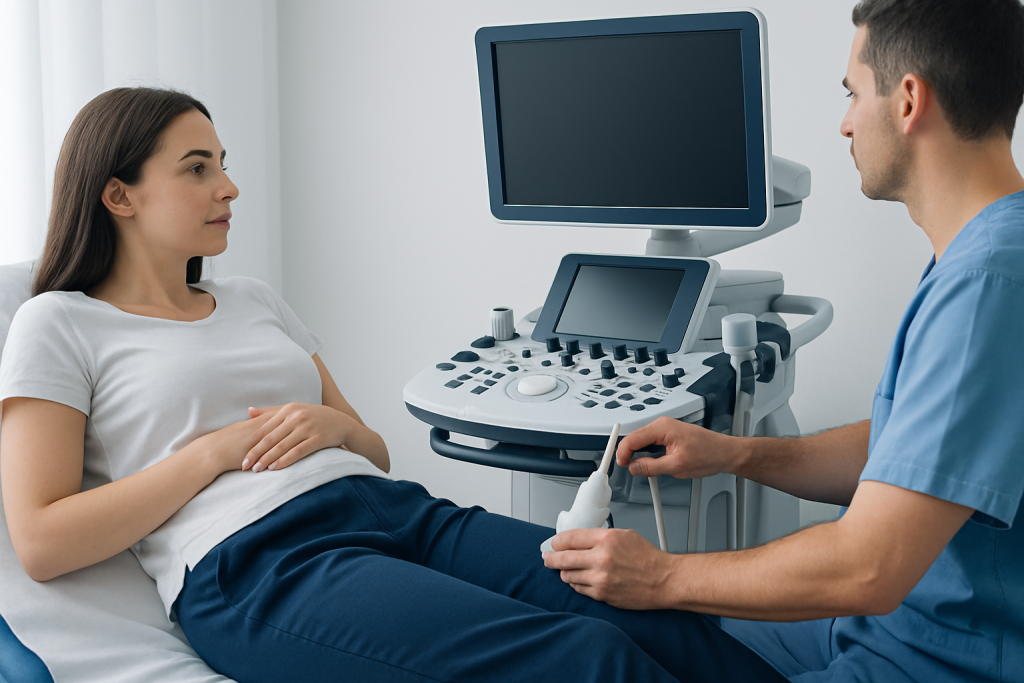
When the cause is not clear from the first visit, imaging such as pelvic ultrasound can help look for fibroids, polyps, ovarian changes, or endometrial thickening. In some cases, additional procedures may be suggested to examine the uterine lining or cervix more closely. The exact path depends on the individual’s age, bleeding pattern, and risk factors.
Treatment Options
Treatment depends entirely on the cause, so there is no single remedy for every kind of spotting. If hormonal contraception is the trigger, a clinician may suggest waiting for an adjustment period, changing the method, or switching to a different hormonal balance if bleeding continues. If pregnancy is possible, the priority is to confirm the pregnancy and make sure bleeding is evaluated appropriately.
When infection is involved, treatment may include targeted medication and guidance on partner evaluation when relevant. Structural causes such as polyps or fibroids may be managed with medication, monitoring, or procedures, depending on symptoms, size, location, and the person’s goals for future fertility. Thyroid or clotting problems are treated as underlying medical conditions rather than as isolated bleeding issues.
For some people, the safest and most practical plan is observation with follow-up, especially when spotting is mild, brief, and clearly linked to a temporary change. For others, the bleeding pattern is the clue that leads to a diagnosis that benefits from timely treatment. A clear plan is especially useful for Myomectomy Recovery for International Patients: The Usual Travel Timeline" class="ahp-ilk">international patients who may need tests, treatment, and follow-up coordinated across travel and home-country care.
Prevention and Self-care
Not every cause of spotting can be prevented, but a few habits can make patterns easier to recognize and may reduce avoidable triggers. Tracking the start and end of bleeding, the amount, color, associated pain, and any relation to sex or exercise can make a future consultation much more productive. A cycle-tracking app or written calendar can both work well.
Healthy routines also matter. Regular meals, adequate sleep, stress management, and adherence to prescribed contraceptive or hormone treatment can help the menstrual system stay more predictable. If bleeding started after a contraceptive change, taking the medicine consistently as directed and giving the body time to adapt may reduce breakthrough bleeding, though persistent symptoms should still be reviewed.
Useful self-care steps include:
- Use pads or liners rather than tampons if bleeding is unexpected and needs monitoring
- Keep note of any pelvic pain, fever, or unusual discharge
- Avoid self-treating with leftover hormones or antibiotics
- Seek medical advice before making major changes to contraception
- Confirm pregnancy promptly if there is any possibility of conception
Self-care should support, not replace, medical assessment when warning signs are present. A small amount of bleeding can be normal in some settings, but repeated or unexplained spotting is worth investigating.
When to See a Doctor
Medical advice is appropriate whenever spotting is new, recurrent, or unexplained. It is especially important if the bleeding keeps returning over several cycles, happens after sex, appears after menopause, or begins after a new medication or contraceptive method is started. Even when the cause turns out to be minor, checking it early often brings reassurance and a more efficient treatment plan.
Prompt evaluation is particularly important if spotting occurs during pregnancy, if there is pelvic pain, if the bleeding becomes heavier, or if there are signs of infection such as fever or a foul odor. Dizziness, fainting, shoulder pain, or severe cramping should be treated urgently because they may indicate a more serious problem.
People who travel for care often appreciate having a plan before they leave home: what testing is needed, what symptoms should trigger a follow-up, and how results will be reviewed after they return. Acibadem Health Point’s multidisciplinary specialists and JCI-accredited hospitals support international patients with diagnosis and treatment pathways designed to stay organized across borders.
Living With Spotting: What to Expect Next
Many people feel uneasy when bleeding appears outside the expected cycle, but spotting often becomes manageable once the cause is identified. The next step is usually not dramatic; it may be a short round of tests, a medication adjustment, or simple monitoring over time. The key is to avoid guessing when a clear answer is available.
If a condition such as fibroids, hormonal imbalance, or infection is found, treatment can often improve both bleeding and overall comfort. If no serious cause is identified, regular follow-up may still be useful to watch for change. For those balancing care between countries, a written summary of tests, imaging, and treatment recommendations can make ongoing care much smoother.
With thoughtful assessment, spotting can move from a confusing symptom to a well-understood part of the health picture. That clarity is often the most helpful outcome, because it allows the person and the clinician to decide together whether the issue needs treatment, monitoring, or simple reassurance.
Frequently asked questions
01Is spotting the same as a period?
Not usually. Spotting is lighter than a period and often appears as small amounts of blood or brown discharge between expected menstrual flows. A period typically has a more regular, heavier pattern and lasts longer.
02Can stress cause spotting?
Stress can affect hormones and may contribute to cycle changes or unexpected bleeding in some people. It is only one possible factor, so ongoing spotting still deserves review if it repeats or comes with other symptoms.
03Does spotting always mean pregnancy?
No. Spotting can happen for many reasons, including hormonal changes, contraception, infection, or structural conditions. If pregnancy is possible, a test is an important first step because pregnancy-related bleeding should be assessed carefully.
04Should spotting after sex be checked?
Yes, especially if it happens more than once. It may be due to irritation, infection, cervical changes, or another cause that can be examined and treated.
05When is spotting after menopause concerning?
Bleeding after menopause should always be evaluated by a doctor. Even light spotting is not considered normal after periods have stopped, and assessment can help identify the cause early.
06Can birth control cause spotting?
Yes, especially when starting a new method or changing hormone levels. Breakthrough bleeding is common for some people, but persistent spotting should be discussed with a clinician so the method can be reviewed if needed.
This article is for general information only and is not a substitute for professional medical advice. Please consult a qualified doctor about your individual situation.
Explore treatments in Turkey — costs, top hospitals & a free quote
JCI-accredited · board-certified surgeons · reply within 24h
Add us as a Preferred Source to see more of our trusted health content across Google Search, AI Overviews and Discover.



How can we help you today?
Meet an Acibadem specialist by secure video, before you travel.
Book a video visit