

Bands for Pregnant Bellies: What You Need to Know
- 9 min read
- Published November 27, 2026
Key Takeaways
- Bands for pregnant bellies can offer short-term support, especially during standing, walking, or light activity.
- They do not treat the cause of pain and should not replace evaluation if symptoms are severe or ongoing.
- The right fit matters: a band should feel supportive, not tight, and should not make breathing or movement difficult.
- Women with pelvic pain, back strain, or abdominal discomfort should ask a clinician whether a support band is appropriate.
- Safe use includes checking skin comfort, avoiding prolonged pressure, and pairing the band with posture and movement advice.
Bands for pregnant bellies are supportive garments some pregnant people use to ease pressure on the lower back, pelvis, or abdomen as the belly grows. They may improve comfort for certain activities, but they are not necessary for every pregnancy and should be used with guidance from a clinician when symptoms are persistent.
Overview
Bands for pregnant bellies are also called maternity support bands, belly bands, or pregnancy support belts. They are designed to gently cradle the lower abdomen and reduce strain on the back, hips, and pelvis as the body changes during pregnancy. For many people, they are best understood as a comfort aid rather than a medical treatment.
Some pregnant women notice relief when they wear a support band during daily activities, especially later in pregnancy when the abdomen is heavier. Others feel little difference or find the band unnecessary. The decision to use one often depends on the kind of discomfort a person has, how active they are, and whether a clinician has identified a pregnancy-related muscle or joint problem.
Because pregnancy symptoms can overlap with other conditions, a support band should not be used to ignore persistent pain, pressure, or swelling. When used thoughtfully, however, it may be one part of a broader plan that includes posture changes, exercise guidance, and routine prenatal care.
Symptoms and situations where support bands may help
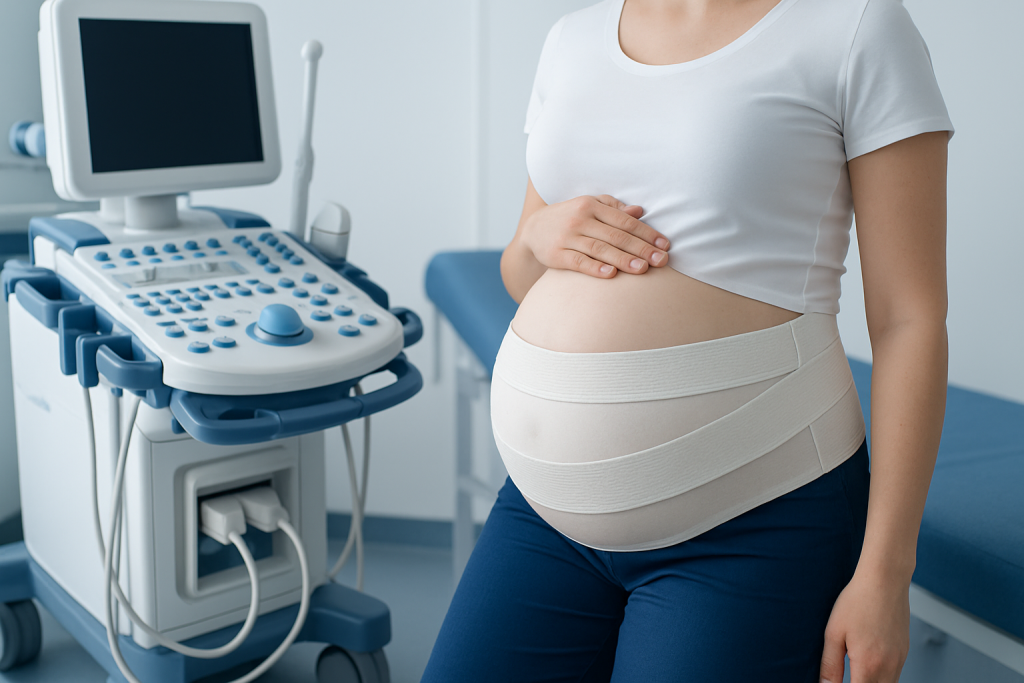
Support bands are commonly used when a pregnant person feels a pulling sensation in the lower abdomen, aching in the lower back, or a heavy feeling in the pelvis during movement. Some also use them for extra comfort when standing for long periods, walking, doing household tasks, or traveling. The goal is usually to make everyday activities feel easier, not to immobilize the body.
They may be especially helpful for certain types of discomfort linked to a growing uterus, changes in posture, or strain on the abdominal wall. In some cases, clinicians suggest a support band for pelvic girdle pain or mild instability, alongside physical therapy or exercise advice. Even then, the band is usually used for specific tasks or limited periods rather than all day.
It is important to remember that not every abdominal or pelvic symptom in pregnancy should be managed at home. Cramping, bleeding, regular contractions, one-sided pain, fever, fluid leakage, or sudden swelling should be discussed with a healthcare professional promptly.
Causes and risk factors

As pregnancy progresses, the uterus expands and the center of gravity shifts forward. This change can place more stress on the lower back, abdominal muscles, and pelvic joints. Hormonal changes also loosen ligaments, which helps prepare the body for birth but can make some movements feel less stable.
Certain factors may make support more appealing or more likely to be recommended. These can include carrying multiples, having a physically demanding routine, previous back or pelvic pain, weak core muscles, or a history of pelvic girdle discomfort in pregnancy. However, these are not the only reasons someone might consider a band, and they do not mean a problem will definitely occur.
Some people expect a band to “hold everything in place,” but its effect is usually modest and external. It may reduce discomfort by redistributing weight and encouraging a more comfortable posture, yet it cannot correct a structural problem or replace assessment for pain that needs treatment.
How doctors evaluate pregnancy discomfort
Before recommending a support band, a clinician usually asks where the pain is, when it started, what makes it better or worse, and whether there are any warning signs such as bleeding or fever. The physical examination may focus on posture, walking pattern, abdominal tenderness, pelvic stability, and muscle strain.
If the symptoms seem consistent with normal pregnancy discomfort or a musculoskeletal issue, the clinician may suggest conservative measures first. These can include rest breaks, posture changes, stretching, hydration, activity modification, or referral to a physiotherapist familiar with pregnancy. A support band may be added if it seems likely to improve function or comfort.
When the symptoms do not fit a simple pattern, further evaluation may be needed to rule out other causes. This is especially important for severe pain, pain with urinary symptoms, persistent contractions, or pain accompanied by Common Causes and How Doctors Evaluate It" class="ahp-ilk">vaginal bleeding or reduced fetal movement later in pregnancy.
Treatment options and how support bands are used
When bands for pregnant bellies are part of care, they are usually combined with other low-risk measures. A support band may be worn under clothing for a few hours at a time during activities that aggravate symptoms. It should feel snug and supportive, but never so tight that it restricts breathing, causes numbness, or leaves deep marks on the skin.
Other helpful strategies may include prenatal physical therapy, targeted exercises approved by a clinician, side-lying rest, warm showers, posture training, and adjusting lifting habits. If a person has pelvic pain, a clinician may suggest stabilizing exercises or movement changes that protect the joints while keeping the body active in a safe way.
Support bands are not the same as compression garments used for other medical reasons, and they should not be borrowed from a different purpose without advice. People with skin sensitivity, abdominal surgery, multiple pregnancies, or specific pregnancy complications may need individualized guidance on whether a band is appropriate.
For Myomectomy Recovery for International Patients: The Usual Travel Timeline" class="ahp-ilk">international patients seeking a coordinated approach, Acibadem Health Point’s multidisciplinary specialists and JCI-accredited hospitals can evaluate pregnancy-related discomfort and help determine whether a support band is suitable as part of a broader care plan.
Prevention and self-care
Not every pregnancy ache can be prevented, but a few habits may reduce strain. Gentle movement, reasonable rest, supportive footwear, and attention to posture can make a meaningful difference. Many people also benefit from learning how to rise from bed, turn in chairs, and lift objects with less stress on the pelvis and lower back.
Self-care works best when it is practical and consistent. Short walking breaks, avoiding long periods in one position, and using pillows for support during sleep can ease the body’s load. If a support band is used, it should be part of this wider routine rather than the only strategy.
- Choose clothing and a band size that do not pinch or rub.
- Check the skin regularly for irritation.
- Use the band for specific tasks if that feels more comfortable than wearing it continuously.
- Stop using it and ask for medical advice if it worsens pain, causes dizziness, or makes movement harder.
When to see a doctor
A healthcare professional should be consulted if pelvic, back, or abdominal discomfort is persistent, worsening, or interfering with sleep, work, or daily movement. This is especially important if the pain is new, one-sided, severe, or different from the usual aches of pregnancy. A clinician can help distinguish normal pregnancy strain from a problem that needs treatment.
Immediate medical advice is important if discomfort comes with vaginal bleeding, fluid leakage, fever, painful urination, regular contractions, fainting, severe swelling, or reduced fetal movement later in pregnancy. These symptoms are not signs to watch and wait on at home.
Even when symptoms are mild, it is reasonable to ask a doctor or midwife whether bands for pregnant bellies are suitable. The most useful guidance is personalized: it considers the pregnancy stage, the pattern of pain, the person’s activity level, and any other health conditions that may affect comfort and safety.
Practical points to remember before buying one
Support bands vary in shape and material. Some are simple elastic bands, while others have structured panels or adjustable straps. A good choice usually depends on the location of discomfort and whether the band needs to fit under clothing, during exercise, or for short periods of standing and walking.
Trying the band on, if possible, can help a person judge fit more accurately. It should stay in place without sliding or rolling, and it should not press into the belly in a way that feels restrictive. If there is any uncertainty, a clinician, physiotherapist, or maternity care provider can help narrow down the options.
For many pregnant women, the biggest value of a support band is simple: it can make movement feel a little easier while they continue with prenatal care, healthy activity, and regular follow-up. Used carefully, it can be a comfort tool; used carelessly, it may do little or cause irritation. The safest path is to let symptoms and professional advice guide the decision.
Frequently asked questions
01What are bands for pregnant bellies used for?
They are used to support the lower abdomen and may reduce discomfort in the back, hips, or pelvis during pregnancy. Some people wear them while walking, standing, or doing light activity. They are meant for comfort and support, not to treat a medical problem on their own.
02Are pregnancy support bands safe?
They are generally considered safe for many pregnant people when used properly and not too tightly. The band should not make breathing difficult, cause pain, or irritate the skin. A clinician should be asked before use if there are pregnancy complications or significant pain.
03Can a belly band help with back pain in pregnancy?
It may help some people feel more supported and reduce the strain that contributes to back pain. However, it does not work for everyone, and ongoing pain may need physical therapy or medical assessment. It is best used as part of a broader care plan.
04How long should a pregnancy belly band be worn?
There is no single rule for everyone. Many people wear it for specific activities or for limited periods rather than all day, especially if that feels more comfortable. A clinician can suggest a use pattern based on symptoms and pregnancy stage.
05Can a belly band harm the baby?
When fitted properly, a support band is not expected to harm the baby. It should be comfortable and should not be so tight that it causes pressure, pain, or breathing difficulty for the mother. If there is concern about fit or symptoms, medical advice is the right next step.
06Do all pregnant women need a support band?
No, many do not need one at all. Some pregnancies progress with only mild discomfort, while others benefit from added support during certain activities. The decision should be based on symptoms, comfort, and guidance from a healthcare professional.
This article is for general information only and is not a substitute for professional medical advice. Please consult a qualified doctor about your individual situation.
Joint and spine care in Turkey — expert assessment & treatment
JCI-accredited · board-certified surgeons · reply within 24h
Add us as a Preferred Source to see more of our trusted health content across Google Search, AI Overviews and Discover.


How can we help you today?
Meet an Acibadem specialist by secure video, before you travel.
Book a video visit