

What Is Hypotension and Pregnancy? A Complete Medical Guide
- 7 min read
- Published November 27, 2026
Key Takeaways
- Low blood pressure can be a normal pregnancy change, especially in the first and second trimesters.
- Common symptoms include dizziness, lightheadedness, blurred vision, and fainting.
- Dehydration, standing up quickly, anemia, and prolonged lying on the back can worsen symptoms.
- Most cases improve with simple measures such as fluids, balanced meals, and position changes.
- Sudden, severe, or persistent symptoms should be discussed with a doctor to rule out other causes.
Hypotension and pregnancy usually refers to low blood pressure during pregnancy, which is often mild and manageable. This guide explains why it happens, what symptoms to watch for, and when medical review is important.
Overview
Hypotension and pregnancy describes low blood pressure during pregnancy. For many people, it is a temporary and expected change caused by normal pregnancy hormones that relax blood vessels and make circulation less resistant.
In practical terms, the concern is usually not the number alone but whether the person feels well. Some pregnant women have low readings without any symptoms, while others notice dizziness, weakness, or near-fainting, especially when standing for long periods or getting up quickly.
Because pregnancy brings so many overlapping changes, low blood pressure can sometimes be confused with hunger, tiredness, or dehydration. A clear assessment helps distinguish ordinary pregnancy-related hypotension from other issues that may need attention.
Symptoms

The most common clue is a feeling of lightheadedness, especially after standing up from a sitting or lying position. Some women describe a brief “blackout” sensation, unsteadiness, or the need to sit down quickly.
Other possible symptoms include blurred vision, nausea, fatigue, a cold or clammy feeling, and fainting. These symptoms may come and go, and they are often more noticeable in hot weather, after long gaps between meals, or when fluid intake is low.
- Dizziness or a spinning sensation
- Fainting or near-fainting
- Blurred vision
- Weakness or unusual tiredness
- Difficulty concentrating
It is helpful to remember that symptoms matter as much as blood pressure numbers. A reading that is low for one person may be acceptable if they feel well, while a modest drop can be significant if it causes frequent symptoms.
Causes & Risk Factors
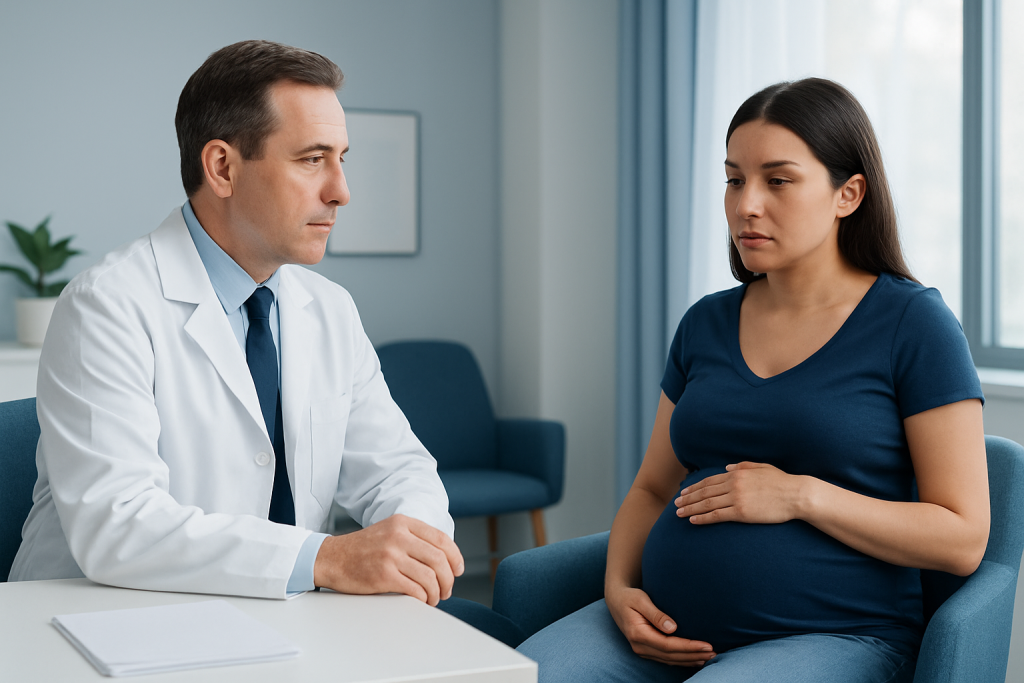
Pregnancy itself is the most common reason blood pressure falls. Hormonal changes widen blood vessels, which can lower pressure, particularly in the first half of pregnancy before the body fully adapts.
Several factors can make hypotension more noticeable. These include dehydration, vomiting, not eating enough, anemia, prolonged standing, warm environments, and rising quickly from bed or a chair. Some women are also naturally prone to lower blood pressure outside pregnancy.
In later pregnancy, lying flat on the back can compress a major blood vessel and briefly reduce circulation, causing dizziness or nausea. Less commonly, low blood pressure may be related to infection, significant bleeding, heart conditions, or medication effects, which is why persistent symptoms should be reviewed by a clinician.
Diagnosis
Blood pressure is checked with a cuff and compared with previous readings and the person’s symptoms. A doctor will usually look at the pattern over time rather than relying on a single measurement.
If the low reading is accompanied by concerning symptoms, additional evaluation may be recommended. This can include checking hydration status, blood tests for anemia or infection, and a review of medications, eating patterns, and any recent vomiting or bleeding.
The goal is to identify whether the hypotension is a normal pregnancy-related change or a sign of another condition. For Myomectomy Recovery for International Patients: The Usual Travel Timeline" class="ahp-ilk">international patients, this evaluation is often straightforward and can usually be organized quickly once a doctor knows the trimester, symptoms, and any previous blood pressure history.
Treatment Options
Management depends on the cause and how much the symptoms interfere with daily life. Mild pregnancy-related hypotension is often handled with conservative steps rather than medication.
Common measures include drinking enough fluids, eating regular balanced meals, standing up slowly, avoiding long periods of stillness, and changing position before symptoms build. Some women find that smaller, more frequent meals help if dizziness appears when they have gone too long without eating.
When lying down causes discomfort in later pregnancy, turning onto the left side can improve circulation. If anemia, dehydration, or another medical issue is present, treatment will focus on that underlying cause. Medication is not routinely needed for simple low blood pressure in pregnancy, and any drug use should be discussed carefully with a doctor because safety depends on the situation.
Prevention & Self-care
Self-care often makes a noticeable difference. Drinking fluids regularly, especially in hot weather or after vomiting, helps support circulation. Wearing comfortable clothing and avoiding overheated spaces can also reduce symptoms.
It can help to move with intention: pause at the edge of the bed before standing, avoid locking the knees when standing for long periods, and sit down promptly if dizziness starts. If a meal is delayed, a small healthy snack may be more helpful than waiting until symptoms become stronger.
- Keep a water bottle nearby throughout the day
- Eat steady, nutritious meals and snacks
- Stand up gradually from sitting or lying positions
- Rest on the left side if feeling faint while lying down
- Ask a doctor before using salt changes or supplements
For women traveling during pregnancy or receiving care from another country, it is sensible to carry a summary of prenatal records and recent blood pressure readings. That makes it easier for a new care team to understand whether low readings are new, recurrent, or part of a broader pattern.
When to See a Doctor
A doctor should be contacted if dizziness happens often, if fainting occurs, or if low blood pressure is affecting walking, working, or basic daily tasks. Even when symptoms seem familiar, it is worth checking for anemia, dehydration, medication effects, or other treatable causes.
Urgent medical review is important if low blood pressure comes with Common Causes and How Doctors Evaluate It" class="ahp-ilk">vaginal bleeding, severe abdominal pain, chest pain, shortness of breath, fever, confusion, or persistent vomiting. These symptoms may suggest a condition that needs prompt assessment rather than routine reassurance.
It is also wise to seek advice if symptoms appear suddenly after the middle of pregnancy, since lying position and circulation changes can become more important later on. A clinician can decide whether the situation is simple pregnancy hypotension or something that needs closer monitoring.
Living With Hypotension During Pregnancy
For most women, low blood pressure in pregnancy is manageable once the pattern is understood. The main aim is to prevent falls, maintain hydration and nutrition, and recognize when the body is asking for rest.
Clear communication with the maternity team is especially useful when someone is pregnant while living abroad, planning a flight for care, or coordinating follow-up after treatment. A well-organized record of symptoms and readings can make appointments more productive and reduce uncertainty.
Acibadem Health Point’s multidisciplinary specialists and JCI-accredited hospitals diagnose and treat pregnancy-related blood pressure concerns for international patients, with care plans tailored to the individual and stage of pregnancy.
Frequently asked questions
01Is low blood pressure normal during pregnancy?
Yes, it can be a normal pregnancy change, especially in the first and second trimesters. It often happens because hormones relax the blood vessels. If it causes symptoms such as fainting or repeated dizziness, it should be assessed.
02Can hypotension harm the baby?
Mild low blood pressure usually does not cause harm if the pregnant person remains well and hydrated. The bigger concern is when low blood pressure is severe, persistent, or linked to another condition such as bleeding or dehydration. A doctor can check whether further evaluation is needed.
03What should someone do when dizziness starts?
They should sit or lie down right away to reduce the risk of falling. Drinking water, eating a small snack if meals have been delayed, and changing position slowly may help. If symptoms are frequent, medical advice is appropriate.
04Why does blood pressure drop when lying on the back in pregnancy?
In later pregnancy, the growing uterus can press on a large vein and reduce blood return to the heart. This can cause dizziness, nausea, or a flushed feeling. Turning onto the left side usually relieves the pressure.
05Does low blood pressure in pregnancy need medication?
Usually not. Most cases are managed with lifestyle measures and treatment of any underlying cause, such as anemia or dehydration. Any medication decision should be made by a doctor because pregnancy safety must be considered carefully.
06When is low blood pressure an emergency in pregnancy?
It needs urgent care if it happens with heavy bleeding, severe abdominal pain, chest pain, shortness of breath, fever, confusion, or fainting that does not quickly improve. Those symptoms may point to a more serious problem. Seeking prompt evaluation is the safest approach.
This article is for general information only and is not a substitute for professional medical advice. Please consult a qualified doctor about your individual situation.
Persistent digestive symptoms? Get evaluated in Turkey
JCI-accredited · board-certified surgeons · reply within 24h
Add us as a Preferred Source to see more of our trusted health content across Google Search, AI Overviews and Discover.



How can we help you today?
Meet an Acibadem specialist by secure video, before you travel.
Book a video visit