Spine Cancer: Diagnosis, Outlook, and Treatment Options

Spine cancer refers to cancer affecting the bones, tissues, or nerves of the spinal column, most often when cancer from another part of the body spreads to the spine. Assessment usually involves imaging and sometimes a biopsy, while treatment aims to control the cancer, protect spinal cord function, stabilize the spine, and manage pain.
Spine cancer overview
Spine cancer is cancer that develops in or spreads to structures of the spine, including the vertebrae, spinal canal, spinal cord coverings, and nearby tissues. Primary spinal tumors begin in the spine and are rare. More commonly, cancer that started in another organ, such as the breast, lung, prostate, kidney, or thyroid, spreads to the bones of the spine. This is called metastatic spine cancer.
A spinal tumor may cause symptoms by weakening bone, irritating nerves, narrowing the spinal canal, or pressing on the spinal cord. Not every spinal tumor is cancerous, and not every episode of back pain suggests cancer. However, persistent or progressive symptoms should be evaluated carefully, particularly in someone with a current or previous Prostate Cancer Diagnosis: Tests and Next Steps" class="ahp-ilk">cancer diagnosis.
Care is usually planned by a multidisciplinary team that may include oncologists, spine surgeons, radiation oncologists, radiologists, pathologists, pain specialists, and rehabilitation professionals. The immediate priorities are to identify the tumor accurately, prevent or treat spinal cord compression, preserve movement and independence, and address the underlying cancer.
Symptoms and warning signs of spine cancer
Back or neck pain is a common symptom, but it is also very common in people without cancer. Pain linked to a spinal tumor may be persistent, progressively worse, present at rest or at night, or not improve with usual measures. It may be felt in the middle or lower back, neck, or sacral region, depending on the area involved.
Symptoms can also develop when a tumor affects nerves or the spinal cord. These may include pain that travels into an arm or leg, tingling, numbness, weakness, reduced balance, difficulty walking, or changes in coordination. A weakened vertebra can sometimes collapse, causing sudden pain and spinal instability.
Changes in bladder or bowel control, inability to pass urine, numbness around the buttocks or genital area, or rapidly worsening leg weakness require urgent assessment. These can be signs of significant nerve or spinal cord compression, where prompt treatment may help protect neurological function.
- New severe back pain in a person with a history of cancer
- Pain that steadily worsens, especially at night or while resting
- Unexplained weakness, numbness, falls, or walking difficulty
- Sudden severe pain after minimal strain, which may suggest a fracture
- New bladder, bowel, or saddle-area sensation changes
What can spine problems cause?

Spine problems can cause a wide range of symptoms because the spine supports the body and protects the spinal cord and nerve roots. Common conditions, such as muscle strain, age-related disc changes, arthritis, disc herniation, and spinal narrowing, may lead to localized pain, stiffness, reduced movement, or pain traveling into the arms or legs.
When nerves are affected, a person may experience tingling, numbness, burning sensations, weakness, altered reflexes, or reduced coordination. More serious spinal conditions, including infection, fracture, inflammatory disease, and tumors, can cause spinal instability or pressure on the spinal cord. These conditions require medical evaluation because neurological symptoms can sometimes progress.
Symptoms alone cannot determine the cause. A clinician considers the pattern of pain, medical history, examination findings, and, when appropriate, imaging. Cancer is not a common cause of back pain, but it should be considered when pain is persistent, unusual, associated with systemic symptoms, or accompanied by a personal history of cancer.
What is L1, L2, L3, L4, L5 spine?
L1 through L5 are the five vertebrae in the lumbar spine, the lower-back region located between the thoracic spine and the sacrum. These vertebrae are large because they carry much of the body’s weight and help provide bending, twisting, and lifting movement. L1 is the highest lumbar vertebra, while L5 is the lowest and connects with the sacrum.
Nerve roots leave the spinal canal at each lumbar level and contribute to the nerves that supply the hips, legs, feet, and pelvic region. For this reason, a problem at a particular lumbar level can sometimes produce symptoms in a recognizable pattern, such as pain or altered sensation in part of a leg. However, symptoms may overlap, and imaging findings do not always explain a person’s pain.
Spine cancer can involve any vertebral level, including the lumbar spine. A tumor in this region may weaken a vertebra, affect nearby nerve roots, or extend into the spinal canal. MRI is often the most useful imaging study when clinicians need to assess soft tissues, nerves, bone marrow, and possible spinal cord or nerve compression.
What happens if you damage your L3, L4, and L5 spine?
Damage involving the L3, L4, or L5 vertebrae or their related nerve roots can affect lower-back stability and function in the hips, thighs, legs, and feet. The exact effects depend on what is damaged: bone, disc, joint, nerve root, or the bundle of nerves below the spinal cord. Injury may result from trauma, disc disease, spinal narrowing, infection, or a tumor, among other causes.
L3 or L4 nerve involvement may contribute to pain, numbness, or weakness around the front of the thigh, knee, or inner lower leg. L5 nerve involvement may cause symptoms along the outer leg and top of the foot, and can make lifting the foot or big toe more difficult. These patterns are not absolute, so a neurological examination is important.
Severe compression of multiple lower spinal nerves can cause marked weakness, difficulty walking, loss of sensation around the groin or buttocks, and changes in bladder or bowel function. These symptoms should be treated as urgent. Early assessment can identify whether decompression, radiation, medication, or another intervention is needed.
Diagnosis and staging of a spinal tumor
Diagnosis begins with a detailed history and physical examination. The clinician asks about the timing and character of pain, neurological symptoms, prior cancer, unexplained weight loss, fever, recent infections, and medication use. Examination may assess strength, sensation, reflexes, walking, spinal tenderness, and bladder or bowel symptoms.
MRI is commonly used to evaluate a suspected spinal tumor because it shows the spinal cord, nerve roots, bone marrow, soft tissues, and the extent of any compression. CT may provide detailed information about bone structure and spinal stability. Depending on the clinical situation, PET imaging, bone scans, or other body imaging may help identify whether there is cancer elsewhere.
A biopsy may be needed to confirm the diagnosis and determine the tumor’s cell type and molecular features. When a person already has a known cancer, the clinical team may still recommend biopsy if the result could change treatment. Staging identifies where the cancer began, whether it has spread, and the features that guide personalized treatment planning.
Modern treatment approaches and outlook
Treatment is individualized according to the tumor type, the location and number of spinal lesions, spinal stability, neurological symptoms, overall health, and the goals of care. In an emergency involving spinal cord compression, doctors may use corticosteroid medication to reduce swelling while arranging urgent radiation therapy, surgery, or both when appropriate.
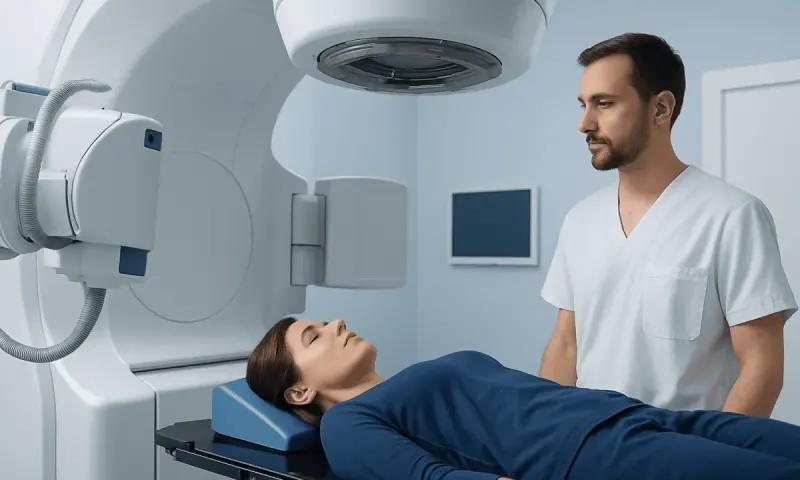
Radiation therapy is frequently used to control tumor growth and relieve pain, especially for metastatic disease. Carefully planned techniques may deliver focused treatment while limiting exposure to nearby tissues. Surgery may be recommended to relieve pressure on the spinal cord or nerves, remove selected tumors, obtain tissue for diagnosis, or stabilize a weakened spine. Spine surgery is considered in the context of the individual tumor and neurological risk.
Systemic treatment may include chemotherapy, hormone therapy, targeted therapy, immunotherapy, bone-strengthening medicines, or other treatments based on the original cancer and its biology. Pain management, physiotherapy, occupational therapy, and emotional support are also important parts of care. The outlook varies widely: some spinal tumors can be cured, while metastatic disease is often managed as a long-term condition with the aim of controlling cancer and maintaining quality of life.
At Acıbadem Health Point, multidisciplinary specialists in JCI-accredited hospitals assess spinal tumors and coordinate oncology, radiation, surgical, and rehabilitation care for international patients.
What exercises strengthen the spine?
For many people without spinal instability, acute neurological symptoms, or a known tumor affecting the spine, regular low-impact exercise can support the muscles that help stabilize the back. Useful approaches often include walking, swimming, gentle cycling, and supervised exercises that build core, hip, and back strength while maintaining flexibility.
Examples may include pelvic tilts, bridges, bird-dog movements, modified planks, and gentle hip and hamstring stretches. Proper technique, gradual progression, and regular activity are generally more important than performing demanding exercises. A physiotherapist can tailor an exercise program to an individual’s mobility, pain level, and health conditions.
People with suspected or confirmed spine cancer, a recent fracture, severe pain, new weakness, or symptoms of spinal cord compression should not begin a new exercise program without medical guidance. Exercise may still be valuable during and after treatment, but it should be adapted to protect the affected area and avoid unnecessary strain.
When to seek medical care
Medical care is appropriate for back or neck pain that does not improve, keeps returning, disrupts sleep, steadily worsens, or is associated with a history of cancer. A doctor should also assess unexplained weight loss, persistent fatigue, fever, or pain that develops without a clear mechanical trigger.
Urgent medical evaluation is needed for new or rapidly worsening weakness, trouble walking, numbness in both legs, new loss of bladder or bowel control, urinary retention, or numbness around the groin and buttocks. These symptoms may indicate pressure on important nerves or the spinal cord and should not be managed with self-care alone.
People who have already been diagnosed with cancer should report new focal spine pain or neurological symptoms promptly to their oncology team. Timely imaging and referral can help clinicians identify spinal involvement early and select the most appropriate treatment.
Frequently asked questions
01Is spine cancer curable?
Some primary spinal tumors can be treated with curative intent, particularly when they can be safely removed or controlled with radiation and other therapies. When cancer has spread to the spine from another organ, treatment more often focuses on long-term control, symptom relief, and protecting neurological function. The outlook depends on the original cancer type, extent of disease, response to treatment, and overall health.
02How common is spine cancer?
Primary cancers that begin in the spine are uncommon. Tumors that spread to the spine from another cancer are more common, especially in people with advanced cancer. A clinician can explain an individual’s likelihood based on symptoms, medical history, and test results.
03Can an MRI detect spine cancer?
MRI is one of the main imaging tests used when a spinal tumor is suspected. It can show abnormal tissue in the vertebrae or spinal canal and assess whether the spinal cord or nerves are under pressure. A biopsy may still be needed to confirm the exact diagnosis.
04Is back pain usually a sign of spine cancer?
No. Back pain is extremely common and is most often related to muscle strain, joint changes, discs, posture, or other non-cancer causes. Persistent, progressive, nighttime, or unexplained pain—especially with a cancer history or neurological symptoms—should be medically assessed.
05Can spine cancer cause paralysis?
A spinal tumor can potentially cause weakness or paralysis if it significantly compresses the spinal cord or important nerves. This is why rapidly worsening weakness, difficulty walking, or bladder or bowel changes need urgent evaluation. Prompt treatment may help preserve function.
06Can a person exercise with spine cancer?
Some people can remain physically active during treatment, but the safest type and amount of activity depends on spinal stability, pain, fracture risk, treatment effects, and neurological symptoms. A doctor and physiotherapist can recommend an individualized plan. High-impact activity, heavy lifting, and unsupervised exercises may not be suitable for everyone.
This article is for general information only and is not a substitute for professional medical advice. Please consult a qualified doctor about your individual situation.
Joint and spine care in Turkey — expert assessment & treatment
JCI-accredited · board-certified surgeons · reply within 24h
Add us as a Preferred Source to see more of our trusted health content across Google Search, AI Overviews and Discover.