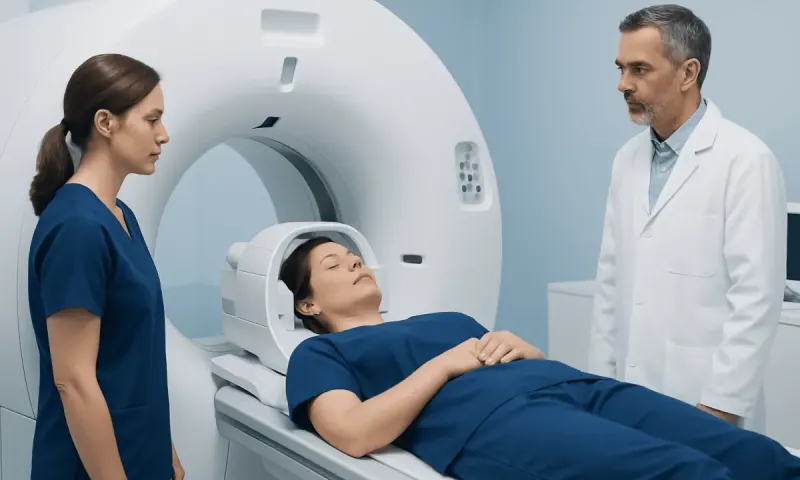
Brain Cancer Radiation Treatment: Options and Outlook
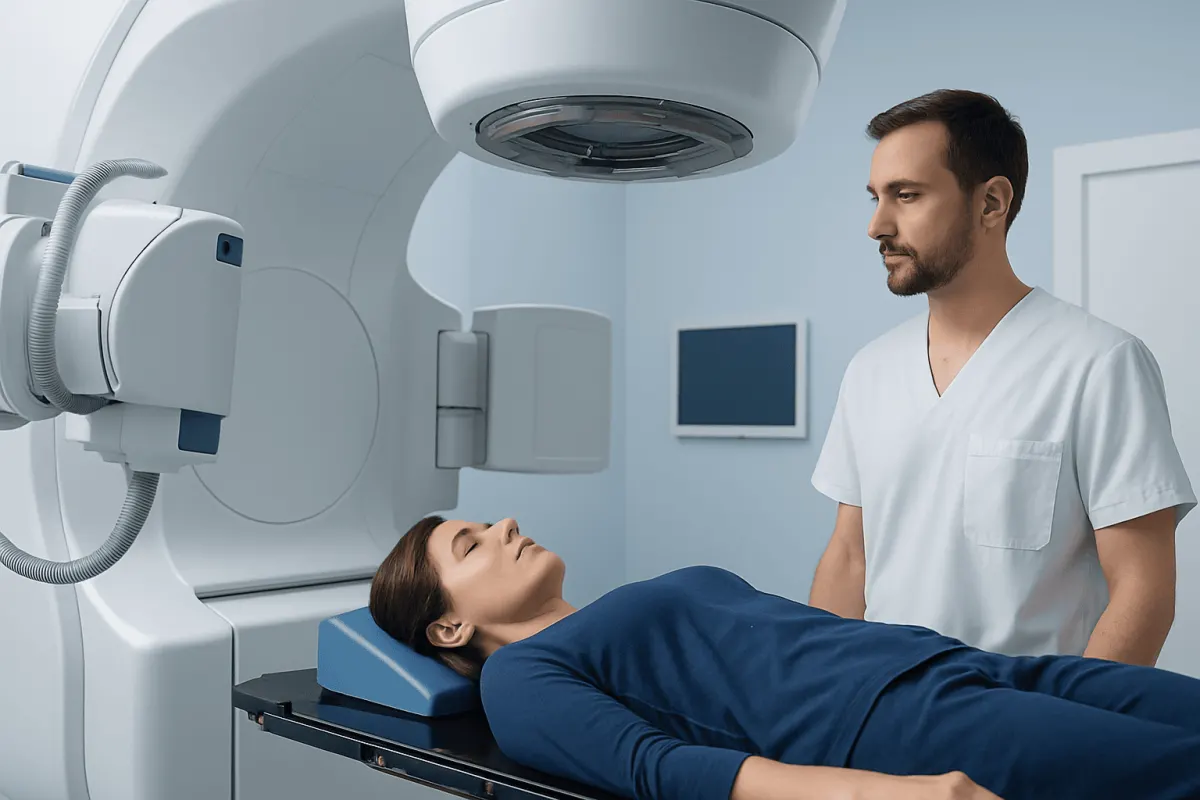
Brain cancer radiation treatment uses high-energy radiation to damage tumor cells while limiting exposure to healthy brain tissue as much as possible. The right approach, expected benefits, and recovery time depend on the tumor type, location, size, whether it has spread to the brain, and the person’s overall health.
How brain cancer radiation treatment works
Brain cancer radiation treatment is a non-surgical treatment that delivers precisely planned high-energy beams to tumor tissue. Radiation damages the genetic material inside cells, making it harder for cancer cells to divide and grow. Healthy cells can also be affected, but they generally have a better ability to repair themselves between treatments.
It may be used for primary brain tumors, which begin in the brain, or for brain metastases, which are tumors that have spread to the brain from cancer elsewhere in the body. Radiation can be given after surgery to treat cells that may remain, before or instead of surgery in selected situations, or to help control symptoms when a cure is not possible.
A radiation oncologist works with neurosurgeons, medical oncologists, neuroradiologists, and other specialists to create an individualized plan. The aim may be long-term tumor control, slowing growth, preserving neurological function, easing symptoms, or a combination of these goals.
Radiation approaches used for brain tumors
External-beam radiation therapy is the most common approach. A machine directs radiation from outside the body toward the treatment area. Conventional fractionated radiation delivers a small dose each weekday over several weeks, allowing normal tissue time to recover between sessions. Modern planning methods, including image guidance and intensity-modulated radiation therapy, help shape the dose around important structures.
Stereotactic radiosurgery is not an operation despite its name. It delivers a very focused, high dose of radiation in one session or a small number of sessions. It is often considered for a limited number of small, well-defined lesions, including certain brain metastases. It may be used alone or after surgery, depending on the clinical setting.
Whole-brain radiation therapy treats the entire brain and may be considered when there are many brain metastases or a diffuse pattern of disease. Because it can affect memory and thinking, clinicians carefully balance potential benefit with possible side effects. In selected patients, techniques that help reduce radiation exposure to the hippocampal region and medicines intended to support cognitive function may be discussed.
Some centers may also offer proton therapy for particular tumors when its dose distribution could reduce exposure to nearby healthy tissue. Its suitability depends on the diagnosis, tumor location, prior treatment, and availability; it is not automatically the best choice for every person.
Planning, diagnosis, and the treatment process
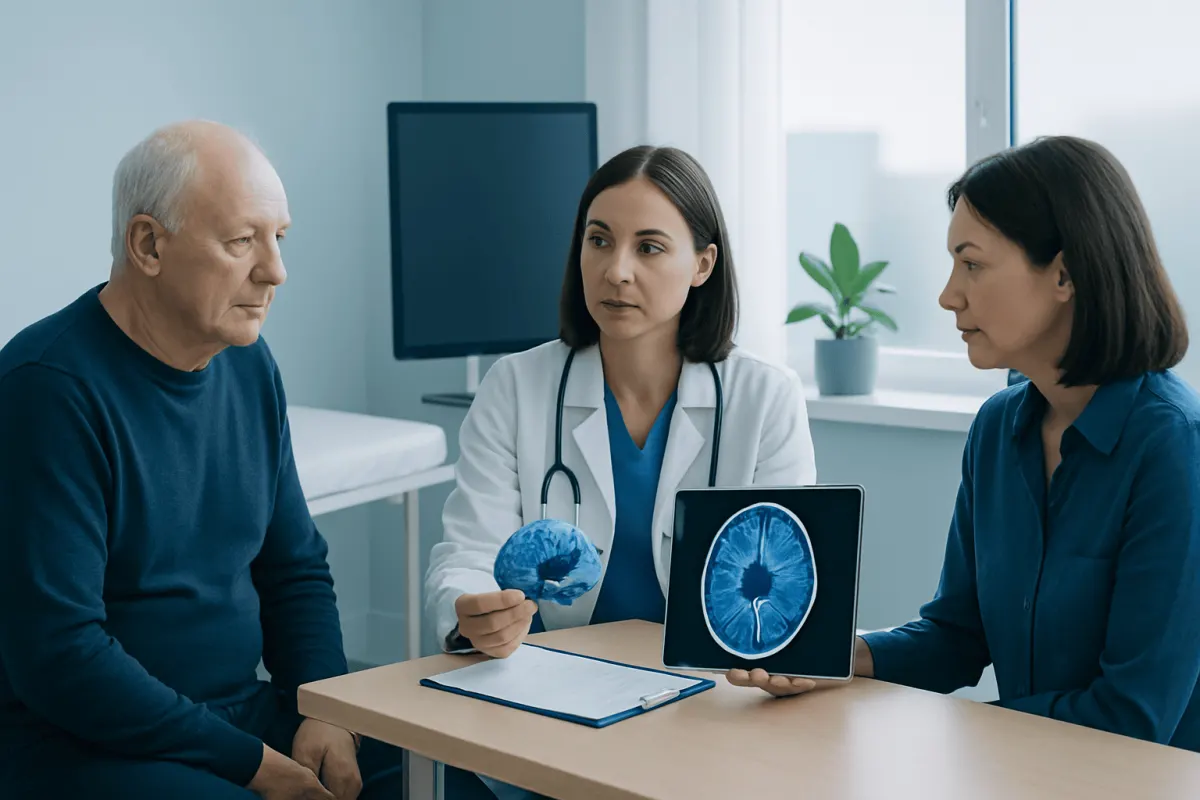
Before treatment begins, the team confirms the diagnosis and reviews the tumor’s features. This commonly includes magnetic resonance imaging (MRI), review of surgical or biopsy tissue when available, and an assessment of neurological symptoms and general health. For many tumors, molecular and genetic testing of tumor tissue can also help guide the overall treatment plan.
Radiation planning starts with a simulation appointment. The person lies in the planned treatment position while imaging is performed, often with a custom-fitted mask to keep the head still and reproducible each day. The planning team outlines the tumor, nearby normal structures, and the area requiring treatment, then calculates a plan that aims to deliver the intended dose safely.
Each radiation visit is usually painless. The treatment itself often takes only minutes, although setup and imaging may take longer. The person does not become radioactive after external-beam radiation and can generally be around family members, including children and pregnant people, after each session.
Follow-up usually includes clinical reviews and MRI scans. Imaging can be difficult to interpret soon after treatment because inflammation can temporarily make a treated area look larger. The care team considers scan findings together with symptoms, examination results, and the timing of treatment before deciding whether a change represents response, treatment effect, or tumor progression.
Side effects and supportive care during treatment
Side effects vary with the dose, treated area, treatment schedule, and individual factors. Fatigue is common and can build gradually during a course of radiation. Other possible short-term effects include headache, nausea, temporary hair loss in the treated area, scalp irritation, and swelling around the tumor that may briefly worsen existing symptoms.
Doctors may prescribe medicines to control swelling, nausea, seizures, or headaches when needed. It is important not to start, stop, or change medicines without medical advice, particularly corticosteroids and anti-seizure medicines. New or worsening weakness, confusion, speech difficulty, severe headache, or seizures should be reported promptly.
Some effects can appear months or years later, depending on the treated area and radiation dose. These may include changes in memory, attention, hormone function, hearing, vision, balance, or brain tissue. The risk is not the same for every treatment plan, and clinicians discuss likely risks before treatment while using planning techniques intended to protect healthy structures.
Supportive care may include rehabilitation, occupational therapy, speech and language therapy, nutrition advice, psychological support, and help managing work or daily activities. These services can be valuable whether radiation is being used with curative intent or for symptom control.
What is the average life expectancy after receiving whole brain radiation therapy?
There is no single average life expectancy after whole-brain radiation therapy that applies to everyone. Whole-brain radiation is most often used for brain metastases, and outlook depends primarily on the original cancer type, the extent of cancer elsewhere in the body, the number and size of brain lesions, available systemic treatments, age, daily functioning, and response to treatment.
For some people, whole-brain radiation is used to relieve symptoms and reduce the risk of neurological decline over a limited period. Others may live substantially longer, especially when the cancer outside the brain is controlled and effective targeted therapy, immunotherapy, surgery, or focused radiation are options. Prognostic estimates should be discussed with the treating oncology team, who can interpret the individual clinical details.
When there are only a few brain metastases, focused radiation or surgery may sometimes be considered instead of whole-brain treatment to limit cognitive effects. Decisions are individualized and should include a clear conversation about likely benefits, side effects, priorities, and quality of life.
What vitamins are best to take after radiation treatment?
No vitamin has been proven to repair the brain after radiation treatment, prevent recurrence, or replace medical follow-up. Most people can obtain needed nutrients through a varied diet that includes vegetables, fruits, whole grains, protein foods, and adequate fluids, adapted to appetite, swallowing ability, and other health conditions.
A doctor may recommend a vitamin or mineral supplement when a blood test, dietary restriction, medication effect, or other condition shows a specific deficiency. Vitamin D, vitamin B12, iron, or calcium may be appropriate for some individuals, but only when clinically indicated. A registered dietitian can help if fatigue, nausea, weight loss, taste changes, or poor appetite make eating difficult.
High-dose antioxidant supplements and herbal products should not be started without checking with the oncology team. Some supplements can interact with cancer medicines, affect blood clotting, alter seizure control, or have uncertain effects during and shortly after radiation. Bringing a complete list of supplements to appointments is a practical safety step.
What is the success rate of radiation therapy?
Radiation therapy does not have one meaningful success rate for all brain cancers. Its results depend on the specific diagnosis, tumor grade, molecular features, tumor size and location, whether surgery was possible, whether disease has spread, and the other treatments being used. A treatment may be considered successful if it shrinks a tumor, stops or slows growth, reduces the chance of recurrence after surgery, relieves symptoms, or helps preserve neurological function.
For some tumors, radiation is part of treatment intended to achieve long-term control. For others, especially advanced metastatic disease, it may be used mainly to control brain lesions and protect comfort and function. Brain scans after treatment help assess response, but clinical well-being is equally important.
The treating radiation oncologist can explain the purpose of radiation in the individual plan and what outcomes are realistic. Questions about expected tumor control, symptom changes, possible alternatives, and the plan if scans change can help patients and families make informed decisions.
How long does it take to recover from radiation therapy?
Recovery from radiation therapy varies. Many people continue normal or modified daily activities during treatment, while fatigue and scalp or skin effects can become more noticeable toward the end of a multiweek course. Acute effects often begin to improve within several weeks after treatment ends, but tiredness can last longer.
Recovery from neurological symptoms may take weeks to months and depends on whether symptoms were caused by the tumor, surgery, swelling, seizures, or radiation itself. Some people need a short course of medicines to manage inflammation after treatment. Rehabilitation can support mobility, speech, memory strategies, and independence during recovery.
Follow-up appointments are important because delayed effects may occur and because MRI changes can take time to clarify. The care team can recommend a safe pace for returning to work, driving, exercise, travel, and other activities based on symptoms, seizure history, medicines, and scan results.
When to seek medical care
Urgent medical assessment is needed for a new seizure, sudden severe headache, fainting, repeated vomiting, new weakness or numbness, facial drooping, new trouble speaking, marked confusion, sudden vision changes, or a rapid decline in balance. These symptoms can have several causes, but they should not be managed at home without guidance.
During or after radiation, the oncology team should also be contacted about persistent or worsening headaches, increasing sleepiness, fever, inability to keep fluids down, new neurological changes, or side effects that interfere with daily life. Early assessment can allow symptoms to be treated before they become more difficult to manage.
Acıbadem Health Point’s multidisciplinary specialists and JCI-accredited hospitals provide evaluation and treatment planning for international patients with brain tumors and brain metastases. A qualified oncology team can explain whether radiation, surgery, systemic therapy, rehabilitation, or supportive care is most appropriate for the individual situation.
Frequently asked questions
01Is radiation therapy painful for brain cancer?
External-beam radiation treatment is not painful while it is being delivered. The person must lie still, often with a fitted mask, which may feel unfamiliar but should not hurt. Side effects such as fatigue, headache, or scalp irritation may occur later and can usually be managed with the care team’s support.
02Can brain radiation cause hair loss?
Hair loss can occur in the area of the scalp that receives radiation. It may begin a few weeks after treatment starts and can be temporary or permanent depending on the radiation dose and location. The radiation team can explain the likelihood for the planned treatment field.
03Can a person drive after brain radiation?
Whether it is safe to drive depends on symptoms, vision, weakness, fatigue, medicines, and any history of seizures. Some people may need to avoid driving temporarily, especially after a seizure or while adjusting to medication. The treating clinician should give individualized advice before driving resumes.
04Is stereotactic radiosurgery better than whole-brain radiation?
Neither approach is universally better. Stereotactic radiosurgery is often used for a limited number of small, defined lesions, while whole-brain radiation may be considered when disease is more widespread in the brain. The choice depends on imaging findings, tumor type, prior treatments, expected benefit, and potential cognitive effects.
05Will symptoms improve after radiation therapy?
Symptoms caused by tumor pressure or swelling may improve when radiation controls the tumor, although improvement can take time. In some cases, temporary inflammation after treatment may briefly worsen symptoms. Medicines and supportive therapies can help manage this period, and new symptoms should be reported promptly.
06How often are MRI scans needed after brain radiation?
The schedule varies by tumor type, treatment goal, symptoms, and the rest of the cancer plan. MRI is often performed periodically after treatment to assess response and distinguish treatment-related changes from tumor growth. The oncology team sets an appropriate follow-up schedule for each person.
This article is for general information only and is not a substitute for professional medical advice. Please consult a qualified doctor about your individual situation.
Oncology care in Turkey — second opinion and treatment plan
JCI-accredited · board-certified surgeons · reply within 24h
Add us as a Preferred Source to see more of our trusted health content across Google Search, AI Overviews and Discover.