Sore Throat From Swollen Glands: Common Causes, Related Conditions, and When to See a Doctor

Sore throat from swollen glands most often happens when the body is reacting to an infection, especially a viral cold, flu-like illness, tonsillitis, or strep throat. In many cases it improves with rest, fluids, and symptom relief, but persistent, worsening, or unusual symptoms should be checked by a doctor.
Overview: Why a Sore Throat and Swollen Glands Often Happen Together
A sore throat from swollen glands usually means the immune system is actively responding to irritation or infection in the throat, mouth, nose, or nearby tissues. The “glands” people feel in the neck are often lymph nodes, not glands in the strict medical sense. These small structures help filter germs and immune cells, so they may become enlarged and tender when the body is fighting an illness.
This combination is very common with viral infections such as colds, influenza, COVID-19, and infectious mononucleosis. It can also happen with bacterial conditions such as strep throat or tonsillitis. Less often, allergies, dental infections, salivary gland problems, or other inflammatory conditions can trigger similar symptoms.
Most cases improve within days to a couple of weeks, depending on the cause. Still, the pattern of symptoms matters. One-sided throat pain, high fever, worsening swelling, difficulty swallowing, or a lump that does not go away may point to a condition that needs medical assessment rather than home care alone.
Common Symptoms That May Occur Alongside Swollen Glands
The main symptom is throat pain that may feel scratchy, raw, burning, or worse with swallowing. Swollen glands in the neck are often felt below the jaw or along the sides of the neck. They may be tender to touch and can make the neck feel sore or tight.
Other symptoms can help suggest the cause. Viral illnesses often bring a runny nose, cough, hoarseness, sneezing, body aches, or fatigue. Bacterial throat infections are more likely to cause sudden throat pain, fever, red or swollen tonsils, white patches on the tonsils, and painful swallowing without much cough.
Some people also notice bad breath, ear pain, headache, or a feeling of fullness in the neck. Children may be more irritable, eat less, or complain of stomach pain with certain infections such as strep throat. If symptoms become severe or seem out of proportion to a usual sore throat, a doctor should evaluate them.
- Tender lumps on one or both sides of the neck
- Pain with swallowing or talking
- Fever, tiredness, or body aches
- Red tonsils, white spots, or visible throat swelling
- Cough, congestion, or runny nose in viral illnesses
Common Causes and Related Conditions

The most common reason for sore throat from swollen glands is a viral upper respiratory infection. Colds, influenza, and COVID-19 can all inflame the throat while causing lymph nodes to enlarge as part of the body’s defense. Viral infections often improve on their own, though symptom severity can vary widely from person to person.
Bacterial infections are another important cause. Strep throat can lead to sudden throat pain, fever, swollen lymph nodes, and inflamed tonsils. Tonsillitis, whether viral or bacterial, may cause enlarged tonsils, bad breath, muffled voice, and significant discomfort with swallowing. In some cases, a more localized collection of infection can form near a tonsil and require urgent care.
Other related conditions include infectious mononucleosis, dental or gum infections, sinus infections with postnasal drip, and salivary gland inflammation. Less commonly, persistent enlarged nodes may be linked to autoimmune disease or, rarely, a more serious underlying condition. If symptoms are ongoing, unexplained, or one-sided, doctors may investigate further to rule out causes beyond a routine infection.
When the symptom pattern points to the tonsils or nearby tissues, doctors may also assess for tonsillitis or other ENT-related conditions. The location of the pain, the size and feel of the lymph nodes, and associated symptoms all help narrow down the cause.
Risk Factors and What Can Make Symptoms More Likely
Close contact with others is one of the biggest risk factors for throat infections. Children, teenagers, parents of school-age children, teachers, and healthcare workers may be exposed more often to viruses and bacteria that spread through coughing, sneezing, or shared surfaces. Seasonal peaks also matter, with some infections becoming more common during colder months.
Smoking, vaping, dry indoor air, mouth breathing, and poor hydration can irritate the throat and make discomfort worse. Allergies may not directly cause lymph nodes to enlarge as often as infections do, but they can contribute to throat irritation through postnasal drip and ongoing inflammation.
Weakened immunity, chronic illnesses, poor oral hygiene, and untreated dental problems may increase the risk of more severe or prolonged symptoms. Travel, recent exposure to someone who is ill, or a known outbreak at school or work can also provide useful clues when symptoms begin suddenly.
How Doctors Diagnose the Cause
Diagnosis starts with a careful history and physical exam. A doctor will usually ask when the sore throat began, whether there is fever or cough, whether swallowing is painful, and whether the swollen glands are on one side or both. They will also examine the throat, tonsils, neck, ears, and sometimes the mouth and teeth.
Testing is guided by the suspected cause. If strep throat is possible, a throat swab may be done. Blood tests can help in selected cases, such as when infectious mononucleosis is suspected or when symptoms are prolonged. If swelling is unusual, severe, or persistent, imaging such as ultrasound or other scans may be considered to look more closely at the lymph nodes or nearby structures.
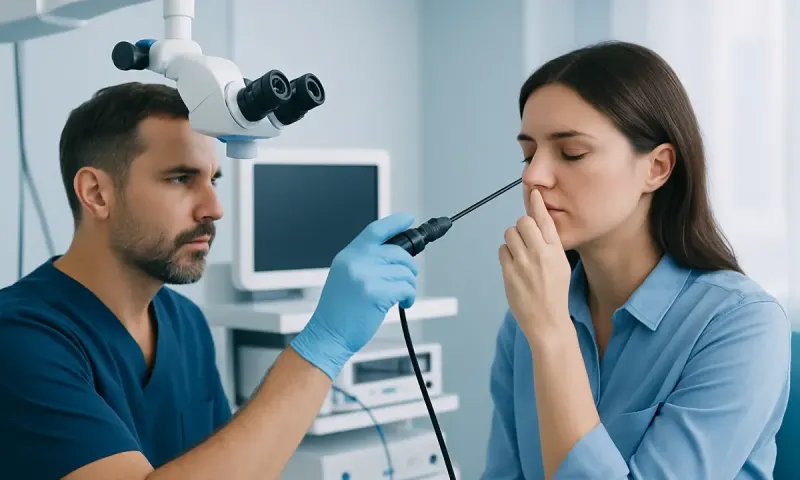
Doctors also watch for signs that suggest complications rather than a simple sore throat. These include drooling, trouble opening the mouth, a muffled voice, neck stiffness, or breathing difficulty. In such cases, timely ENT evaluation may be needed. If advanced assessment is required, tools such as ENT examination and targeted testing can help identify the source of symptoms accurately.
Treatment Options for Sore Throat From Swollen Glands
Treatment depends on the cause, not just the symptom. For viral infections, care is usually supportive: rest, adequate fluids, warm or cool soothing drinks, and over-the-counter pain relief if appropriate for the person’s age and health status. Salt-water gargles and humidified air may also help reduce throat discomfort.
If a bacterial infection such as strep throat is confirmed, a doctor may prescribe antibiotics. It is important that antibiotics are used only when they are likely to help, because they do not treat viral infections. If there is significant swelling, worsening one-sided pain, or concern for a deeper infection, more urgent treatment may be necessary.
Related problems may need more targeted care. For example, if throat symptoms come from chronic tonsil disease, recurrent infection, or complications, an ENT specialist may discuss tonsil surgery. If symptoms are linked to a dental source, dental treatment rather than throat medication may be the main solution. In selected cases, especially where structural issues or complications are suspected, further evaluation such as head and neck surgical assessment may be appropriate.
Near the end of the care pathway, some patients benefit from specialist review for persistent ENT symptoms. Acıbadem Health Point’s multidisciplinary specialists and JCI-accredited hospitals diagnose and treat throat, tonsil, and neck conditions for international patients when more detailed evaluation is needed.
Self-Care and Prevention
Many mild cases can be managed at home while the body recovers. Drinking enough fluids helps keep the throat moist and supports recovery. Soft foods, soup, tea, and cold items such as ice chips may make swallowing easier. Avoiding smoke and other irritants can reduce further throat inflammation.
Simple preventive steps also matter. Frequent handwashing, covering coughs and sneezes, and not sharing cups or utensils can lower the spread of common infections. Replacing a toothbrush after a confirmed bacterial throat infection may also be advised in some cases, based on a doctor’s guidance.
Supporting general health can make infections less disruptive. Good sleep, balanced nutrition, regular dental care, and keeping chronic conditions well managed may all help. If sore throats happen often, a doctor can assess whether recurring infections, allergies, reflux, or another issue is contributing.
- Rest the voice and stay hydrated
- Use a humidifier if indoor air is dry
- Avoid smoking and secondhand smoke
- Practice hand hygiene and avoid close contact when sick
- Seek medical advice for repeated or unusually severe episodes
When to Seek Medical Care
Medical care is appropriate if a sore throat with swollen glands is severe, lasts longer than expected, or keeps coming back. A doctor should also assess symptoms if there is a high fever, white patches on the tonsils, worsening neck swelling, or pain that is mainly on one side. These features can suggest a bacterial infection or a complication that may need treatment.
Urgent care is important if there is trouble breathing, difficulty swallowing saliva, drooling, dehydration, confusion, or a muffled voice. A neck lump that remains enlarged for several weeks, feels hard, or continues to grow should not be ignored, even if the sore throat has improved. In these situations, prompt medical evaluation can help identify the cause and guide safe treatment.
If symptoms do not fit a simple infection, specialists may look for related ENT or neck conditions. Depending on the findings, further work-up might include assessment for lymph node enlargement or other causes of persistent swelling.
Frequently asked questions
01What does sore throat from swollen glands usually mean?
It usually means the lymph nodes in the neck are reacting to an infection or inflammation nearby. Common causes include viral infections, strep throat, and tonsillitis.
02Are swollen glands in the neck always a sign of infection?
No, although infection is the most common reason. Swollen lymph nodes can also occur with dental problems, inflammatory conditions, and less commonly with more serious underlying illnesses.
03How long should swollen glands and a sore throat last?
Many mild viral illnesses improve within several days to about two weeks. If symptoms are getting worse, lasting longer than expected, or the neck lump is not going away, a doctor should evaluate it.
04Can allergies cause a sore throat with swollen glands?
Allergies can cause throat irritation, especially from postnasal drip, but they are a less common cause of noticeably swollen neck glands than infections. If glands are clearly enlarged and tender, infection is often considered first.
05When is a sore throat with swollen glands an emergency?
It may need urgent care if there is trouble breathing, inability to swallow fluids or saliva, drooling, severe one-sided swelling, or signs of dehydration. These symptoms can suggest a complication that should be assessed quickly.
06Do antibiotics help sore throat from swollen glands?
Antibiotics help only when the cause is bacterial, such as confirmed strep throat. They do not treat viral infections, which are a very common reason for sore throat and swollen glands.
This article is for general information only and is not a substitute for professional medical advice. Please consult a qualified doctor about your individual situation.
Explore treatments in Turkey — costs, top hospitals & a free quote
JCI-accredited · board-certified surgeons · reply within 24h
Add us as a Preferred Source to see more of our trusted health content across Google Search, AI Overviews and Discover.