Bacterial Versus Viral Sinusitis: Key Differences
Bacterial versus viral sinusitis can be difficult to distinguish at the start because both may cause nasal blockage, facial pressure, and thick mucus. Most acute sinus infections are viral and improve without antibiotics, while bacterial sinusitis is more likely when symptoms persist, become severe, or worsen after initial improvement.
Overview: How Viral and Bacterial Sinusitis Differ
Bacterial versus viral sinusitis is most often distinguished by how symptoms develop over time rather than by one symptom alone. Viral sinusitis usually occurs during or after a common cold and starts to improve within about 7 to 10 days. Bacterial sinusitis is less common, but may be suspected when symptoms last longer than 10 days without getting better, are unusually severe early on, or worsen after a brief period of improvement.
Sinusitis means inflammation of the tissues lining the sinuses, which are air-filled spaces around the nose, cheeks, forehead, and eyes. When these tissues swell, the normal drainage pathways can narrow. This can lead to blocked nasal passages, facial pressure, reduced smell, and mucus drainage into the nose or throat.
Acute sinusitis lasts less than four weeks. It may be caused by a virus, bacteria, allergies, irritants, or structural factors that affect sinus drainage. A clinician considers the full symptom pattern, medical history, and examination findings before deciding whether bacterial infection is likely.
Early Signs and Symptoms
Viral and bacterial sinusitis share many early symptoms. These can include a blocked or runny nose, pressure or discomfort in the cheeks or forehead, headache, postnasal drip, cough, reduced sense of smell, tiredness, and a feeling of fullness in the ears. Children may be irritable, cough more at night, or have persistent nasal discharge.
In viral sinusitis, symptoms commonly peak over the first few days and then gradually ease. Nasal mucus may become yellow or green during a viral cold because of inflammation and immune cells. Therefore, the color of mucus by itself does not prove that a person has a bacterial infection or needs antibiotics.
Features that make bacterial sinusitis more likely include persistent nasal discharge or daytime cough for more than 10 days without improvement; a high fever with pronounced facial pain and thick nasal discharge for several consecutive days; or “double worsening.” Double worsening means cold symptoms begin to improve, then nasal congestion, discharge, fever, or facial pain become noticeably worse again.
Facial pain can be uncomfortable, but its location does not always identify the affected sinus. Pressure that increases when bending forward may occur, yet it is not specific to bacterial disease. Migraine, dental conditions, allergies, and other illnesses can also cause facial or head pain.
Causes and Risk Factors

Viral sinusitis most often follows an upper respiratory tract infection, such as the common cold. Viruses inflame the nasal lining and may temporarily interfere with mucus clearance. In most people, the immune system clears the infection and the nasal passages return to normal without specific antiviral or antibiotic treatment.
Bacterial sinusitis can develop when swollen sinus passages remain blocked and trapped mucus creates conditions that allow bacteria already present in the nose and upper airway to multiply. It may develop after a viral infection, but this does not happen in most colds.
Several factors can raise the chance of sinus symptoms or make recovery slower. These include allergic rhinitis, asthma, cigarette smoke or other air pollutants, nasal polyps, a deviated nasal septum, recent upper respiratory infections, and conditions that affect immune function. Young children are also exposed to frequent respiratory viruses, particularly in group childcare settings.
Dental infection involving upper teeth can occasionally affect the nearby maxillary sinus. Recurrent or long-lasting symptoms may also be related to allergies, anatomy, chronic inflammation, or another underlying condition rather than repeated bacterial infections. This is why recurrent sinus symptoms should be assessed rather than repeatedly treated without review.
How Sinusitis Is Diagnosed
Acute sinusitis is usually diagnosed clinically, meaning a healthcare professional uses the symptom timeline, severity, and a focused examination. They may ask when symptoms began, whether there was initial improvement followed by worsening, whether fever has occurred, and whether there is a history of allergies, asthma, recent dental problems, or frequent sinus infections.
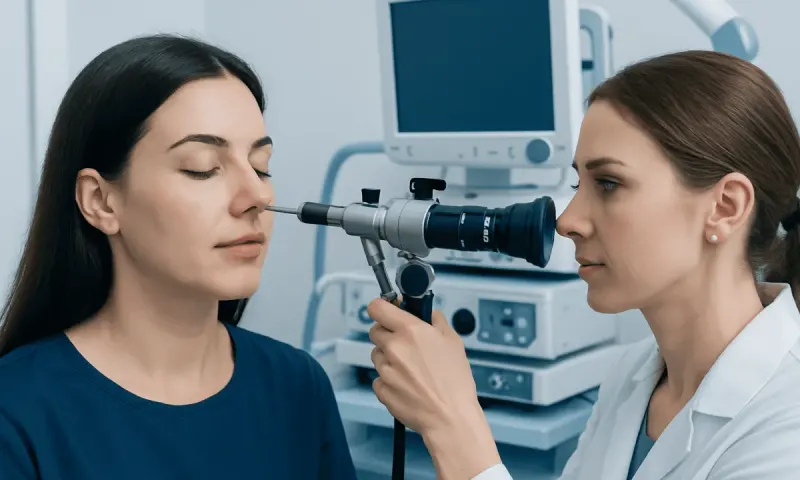
The examination may include looking inside the nose, checking the throat and ears, and gently assessing areas of facial tenderness. A clinician may also evaluate for signs that suggest another explanation, such as allergic rhinitis, migraine, a dental problem, or a lower respiratory infection.
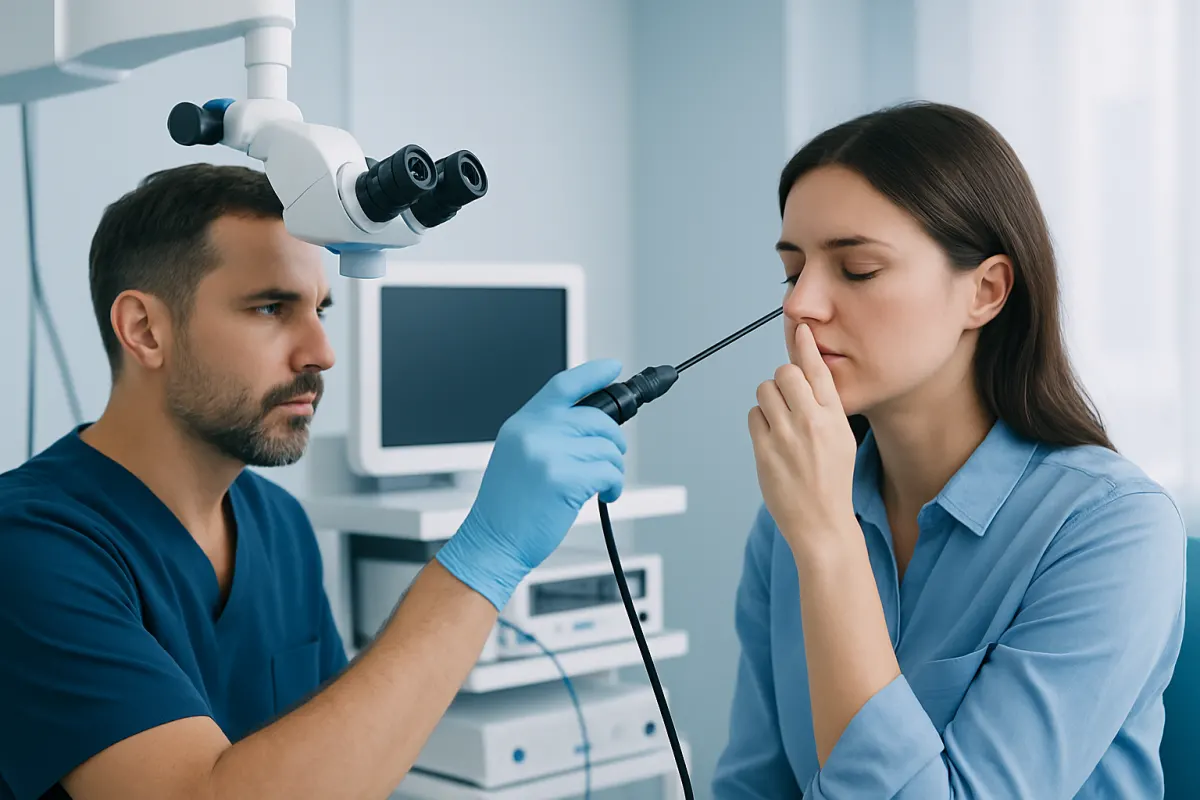
Imaging is not routinely needed for uncomplicated acute sinusitis. CT scans, nasal endoscopy, or other tests may be considered when symptoms are recurrent, last for many weeks, do not respond as expected, or when complications are suspected. These tests can help identify sinus blockage, polyps, structural differences, or disease beyond a simple acute infection.
Nasal swabs are generally not useful for routine acute sinusitis because bacteria found in the nose may not represent the cause of sinus disease. In unusual, severe, or treatment-resistant cases, an ENT specialist may obtain a more targeted sample to guide care.
Treatment Options for Viral and Bacterial Sinusitis
For viral sinusitis, treatment focuses on comfort and normal drainage while the infection resolves. Rest, adequate fluid intake, saline nasal spray or rinses, and humidified air may help some people feel better. Pain or fever medicines available without prescription can be considered when suitable for the individual, following the product instructions and advice from a pharmacist or clinician.
Intranasal corticosteroid sprays may be helpful for some people, especially when allergies contribute to nasal inflammation. They generally work gradually and should be used as directed. Decongestant nasal sprays may provide short-term relief, but using them for more than a few days can cause rebound congestion. Oral decongestants may not be appropriate for people with certain heart conditions, high blood pressure, glaucoma, prostate symptoms, pregnancy, or medication interactions.
When a clinician considers bacterial sinusitis likely, they may recommend observation with follow-up or prescribe an antibiotic, depending on symptom severity, duration, individual health factors, and access to reassessment. Antibiotics do not treat viral infections and can cause side effects, including diarrhea, allergic reactions, and contribution to antibiotic resistance. If prescribed, they should be taken exactly as directed and not saved for future illnesses.
People with frequent infections, persistent obstruction, or chronic symptoms may benefit from ENT assessment. Treatment may include managing allergies, reviewing nasal anatomy, or addressing another cause of poor sinus drainage. Acıbadem Health Point’s multidisciplinary specialists and JCI-accredited hospitals diagnose and treat sinus conditions for international patients when specialist evaluation is needed.
Prevention and Self-Care
Not every sinus infection can be prevented, but reducing exposure to respiratory viruses and controlling nasal inflammation can lower risk. Frequent handwashing, avoiding close contact with people who are acutely unwell when practical, and covering coughs and sneezes are helpful everyday measures. Keeping recommended vaccinations up to date also supports protection against some respiratory illnesses.
People with allergies may reduce sinus symptoms by identifying and limiting triggers where possible and following a clinician’s allergy treatment plan. Avoiding tobacco smoke and vaping aerosols is important because they irritate the nasal and airway lining. Good indoor ventilation and attention to air quality may also be useful for people sensitive to irritants.
Saline rinsing can help clear mucus and allergens for some individuals. Only sterile, distilled, or previously boiled and cooled water should be used in nasal irrigation devices. Devices should be cleaned and dried according to their instructions to reduce contamination risk.
It is best to avoid starting leftover antibiotics or using another person’s medication for sinus symptoms. This can delay an accurate diagnosis and may lead to side effects without benefit. A symptom diary noting onset, fever, pain, and changes over time can be useful if medical review becomes necessary.
When to Seek Medical Care
A person should arrange a non-urgent medical review if sinus symptoms continue for more than 10 days without improvement, worsen after initially getting better, recur often, or interfere substantially with sleep, work, school, or daily activities. Assessment is also appropriate for symptoms accompanied by significant facial pain, persistent fever, or concerns about a possible dental source.
Urgent medical care is needed for swelling or redness around the eyes, vision changes, pain with eye movement, severe or rapidly worsening headache, confusion, stiff neck, fainting, new weakness, marked facial swelling, or severe illness. These symptoms are uncommon but may indicate a complication or a condition other than routine sinusitis.
People who have a weakened immune system, are receiving cancer treatment, have had a recent organ transplant, or have poorly controlled long-term health conditions should contact a healthcare professional sooner when they develop possible sinus infection symptoms. Infants and young children with concerning symptoms should also be assessed promptly by an appropriate clinician.
Timely evaluation helps ensure that treatment matches the cause. In many cases, reassurance and supportive care are enough; when bacterial infection or another condition is suspected, a clinician can recommend the safest next steps.
Frequently asked questions
01How can a person tell whether sinusitis is bacterial or viral?
The symptom pattern over time is more useful than mucus color. Viral sinusitis usually begins to improve within 7 to 10 days, while bacterial sinusitis is more likely if symptoms persist beyond 10 days without improvement, are severe from the start, or worsen after getting better.
02Does green or yellow mucus mean antibiotics are needed?
No. Mucus can become yellow or green during a viral cold as inflammation changes its appearance. A clinician considers symptom duration, severity, and the overall course of illness before deciding whether antibiotics may be appropriate.
03Can viral sinusitis turn into bacterial sinusitis?
It can happen, but most viral sinus infections resolve without becoming bacterial. Bacterial infection may develop when inflammation blocks sinus drainage for longer, allowing bacteria to multiply. New worsening after initial improvement is one reason to seek medical advice.
04How long does viral sinusitis last?
Many people begin to feel better within 7 to 10 days, although congestion or cough can sometimes linger. Symptoms that do not improve after 10 days, or that become worse, should be discussed with a healthcare professional.
05Are antibiotics always needed for bacterial sinusitis?
No. Some uncomplicated cases can be monitored with supportive treatment and follow-up, depending on symptoms and individual health circumstances. When antibiotics are prescribed, they should be used exactly as instructed by the treating clinician.
06What can help sinus pressure at home?
Rest, fluids, saline nasal sprays or rinses, and appropriate non-prescription pain relief may help relieve discomfort. People should check with a pharmacist or clinician before using decongestants or other medicines if they have chronic health conditions, are pregnant, or take regular medication.
This article is for general information only and is not a substitute for professional medical advice. Please consult a qualified doctor about your individual situation.
Explore treatments in Turkey — costs, top hospitals & a free quote
JCI-accredited · board-certified surgeons · reply within 24h
Add us as a Preferred Source to see more of our trusted health content across Google Search, AI Overviews and Discover.