HIV RNA Test: Early Detection and Viral Load Testing
An HIV RNA test detects the virus’s genetic material in blood. It may help identify HIV very early after a possible exposure and is also used to measure viral load in people diagnosed with HIV.
What Is an HIV RNA Test?
An HIV RNA test is a blood test that looks for genetic material from the human immunodeficiency virus (HIV). RNA is part of the virus itself, so this test can identify HIV before the immune system has had enough time to produce detectable antibodies. It is sometimes called a nucleic acid test (NAT) or, when used after diagnosis, an HIV viral load test.
The test has two main roles. First, it may be used when a clinician suspects very recent HIV infection, such as after a recent exposure or during symptoms consistent with acute HIV. Second, for a person already diagnosed with HIV, it measures the amount of virus in the blood to assess how well treatment is working.
An HIV RNA test is not routinely the first test for every person seeking HIV screening. Standard laboratory antigen/antibody testing is widely used because it is highly accurate and practical for routine testing. RNA testing is usually selected when the timing or clinical situation calls for earlier detection or more detailed follow-up.
Why the Timing of HIV Testing Matters
Every HIV test has a window period: the time between acquiring HIV and when a particular test can reliably detect it. HIV RNA generally becomes detectable earlier than HIV antibodies, because the test searches for the virus directly. However, even an RNA test may not detect infection immediately after exposure.
A laboratory antigen/antibody test detects both HIV antibodies and the p24 antigen, a viral protein that may appear before antibodies. It is commonly used for initial testing. If results are unclear, if there has been a very recent exposure, or if acute HIV is strongly suspected, an HIV RNA test can help clarify the situation.
Testing plans should be based on the date and nature of the possible exposure, any symptoms, previous results and whether post-exposure prophylaxis or pre-exposure prophylaxis has been used. A clinician can recommend the right combination and timing of tests, including repeat testing when needed.
- RNA testing may identify infection earlier than antibody-only testing.
- Antigen/antibody testing remains an important standard screening tool.
- A negative result soon after exposure may need to be repeated at a clinician-recommended time.
When an HIV RNA Test May Be Recommended

A clinician may order an HIV RNA test after a recent possible exposure to HIV, particularly if another HIV test is negative or indeterminate but the clinical concern remains high. Exposures can include sex without a barrier method, sharing injection equipment, or contact with blood in certain occupational settings. The individual circumstances and likelihood of exposure matter.
The test may also be considered when someone develops a flu-like illness shortly after a possible exposure. Acute HIV can cause fever, rash, sore throat, swollen lymph nodes, fatigue, headache, muscle aches or mouth sores. These symptoms are common in many other illnesses and do not diagnose HIV on their own.
For people with confirmed HIV, viral load testing is a central part of ongoing care. Results help the healthcare team evaluate whether antiretroviral therapy is suppressing the virus, identify a possible treatment issue and guide follow-up. For broader background on the condition, see HIV and AIDS information.
How the Test Is Performed and How to Prepare
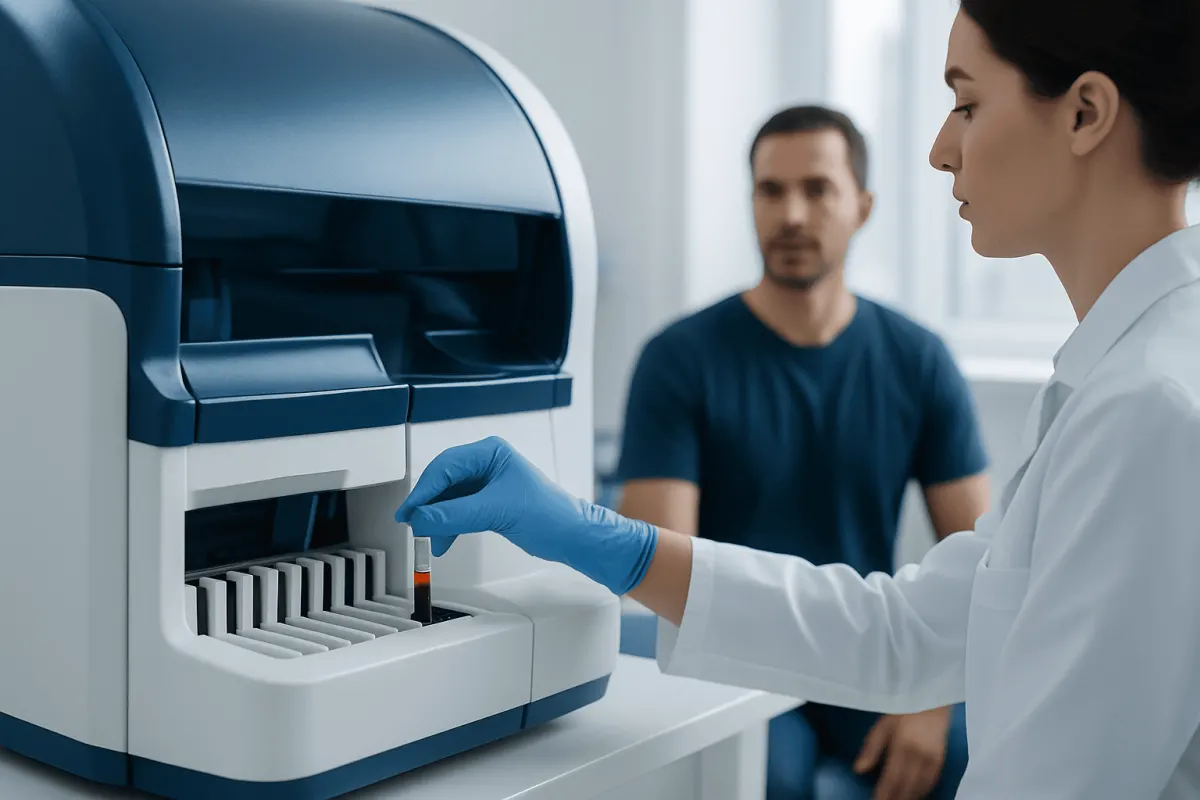
An HIV RNA test is usually performed with a blood sample taken from a vein in the arm. The collection itself takes only a few minutes. Most people do not need to fast or make special preparations, although they should tell the healthcare team about current medicines, recent HIV prevention medicines and any previous HIV test results.
The laboratory uses a sensitive method to detect or quantify HIV RNA in the sample. When the test is ordered to diagnose a possible recent infection, the result may be reported as detected or not detected. When it is used to monitor known HIV, it is usually reported as a viral load, meaning the amount of HIV RNA measured in a given volume of blood.
A blood draw may cause brief discomfort, bruising or lightheadedness, but serious complications are uncommon. The timing for results varies by laboratory and local testing pathway. A healthcare professional can explain when and how results will be communicated and what follow-up may be required.
Understanding HIV RNA Test Results
A detected HIV RNA result can indicate HIV infection, particularly when supported by other HIV test results and the clinical history. Because diagnosis has important medical and personal implications, clinicians typically use an established testing algorithm and may perform confirmatory testing. Prompt follow-up makes it possible to begin appropriate care without unnecessary delay.
A result showing no detectable HIV RNA is reassuring, but it must be interpreted in relation to when the exposure occurred. If testing is done too early, the amount of virus may be below the test’s detection limit. A clinician may therefore advise repeat antigen/antibody testing or RNA testing after an appropriate interval.
For a person receiving HIV treatment, a low or undetectable viral load generally means treatment is effectively suppressing the virus. Undetectable does not mean HIV has been cured, and medication should not be stopped without medical advice. Sustained viral suppression also prevents sexual transmission of HIV, a principle often described as undetectable equals untransmittable (U=U), when confirmed and maintained through treatment.
A rising or detectable viral load during treatment does not automatically mean treatment has failed. It can occur for several reasons, including missed doses, medication interactions, a temporary laboratory variation or treatment resistance. The care team may repeat the test, review medications and determine the next steps.
What Happens After a Positive HIV Diagnosis?
If HIV is confirmed, early connection with an experienced healthcare team is important. Modern antiretroviral therapy uses a combination of medicines to stop HIV from making copies of itself. With consistent treatment and follow-up, many people living with HIV can maintain viral suppression and live long, active lives.
Initial care commonly includes a review of medical history, physical examination and laboratory testing. This may include viral load, immune system measurements, kidney and liver tests, screening for other sexually transmitted infections, and assessment for hepatitis or tuberculosis where appropriate. The results help the care team select and monitor a suitable treatment plan.
Emotional support is also an important part of care. A new diagnosis can bring uncertainty, but confidential counselling, reliable information and support from trusted people or organizations can help. HIV care should be respectful, nonjudgmental and tailored to the person’s health needs and circumstances.
Prevention and Self-Care
HIV is preventable. Using condoms or other barrier methods, avoiding shared injection equipment, and having regular HIV and sexually transmitted infection testing when appropriate can reduce risk. Pre-exposure prophylaxis (PrEP) is an option for some people at ongoing risk of HIV, while post-exposure prophylaxis (PEP) may be used after a possible exposure and needs to be started urgently.
People who are prescribed HIV treatment should take it exactly as directed and attend scheduled blood tests. Discussing side effects, missed doses, new supplements or medicines, and concerns about adherence openly with the care team can help maintain viral suppression. Treatment decisions should be individualized rather than based on another person’s regimen.
After a possible exposure, it is sensible to avoid donating blood, plasma, organs, tissue or semen until a clinician confirms it is safe. Using barriers during sex and not sharing injection equipment can lower the chance of onward transmission while testing is underway.
When to Seek Medical Care
Medical advice should be sought as soon as possible after a potential HIV exposure. PEP may reduce the likelihood of HIV infection when started promptly, generally within 72 hours, so urgent assessment is important. Emergency services or an urgent care setting may be appropriate if timely access to a sexual health or infectious diseases clinic is not available.
People should also arrange testing if they have symptoms after a possible exposure, receive an unclear HIV screening result, have a new diagnosis of another sexually transmitted infection, or are concerned about their HIV risk. Symptoms alone cannot confirm or rule out HIV, and testing is the only way to know.
Anyone living with HIV should contact their clinician if they have trouble taking medicines, new or persistent symptoms, possible medication interactions, or concerns about a viral load result. Acıbadem Health Point’s multidisciplinary specialists and JCI-accredited hospitals support diagnosis and treatment planning for international patients who need HIV-related medical evaluation.
Frequently asked questions
01How early can an HIV RNA test detect HIV?
An HIV RNA test can usually detect HIV earlier than tests that look only for antibodies because it identifies viral genetic material. Detection still depends on timing, and testing extremely soon after an exposure can produce a negative result. A clinician can advise whether repeat testing is needed.
02Is an HIV RNA test the same as a viral load test?
Both tests measure or detect HIV RNA in blood using similar laboratory methods. The term viral load test is most often used for people who already have a confirmed HIV diagnosis and are monitoring treatment. RNA testing may also be used as part of evaluating suspected early infection.
03Can an HIV RNA test be wrong?
HIV RNA tests are highly sensitive, but no result should be interpreted without considering the clinical context and other HIV tests. Testing too soon after exposure may result in an undetectable result, while an unexpected detected result may require confirmation. Healthcare professionals use established testing pathways to make an accurate diagnosis.
04Do I need an HIV RNA test after every possible exposure?
Not always. Many people can start with a laboratory antigen/antibody test, with repeat testing based on the timing of exposure. An RNA test may be especially helpful if the exposure was recent, symptoms suggest acute HIV, or initial test results are uncertain.
05What does an undetectable HIV viral load mean?
An undetectable viral load means the amount of HIV in the blood is below the test’s measurement limit. It shows that treatment is suppressing the virus, but it is not a cure and treatment should continue as prescribed. When viral suppression is maintained, there is no sexual transmission of HIV.
06Should someone take PEP while waiting for an HIV test result?
PEP is assessed after a possible exposure and must be started quickly, generally within 72 hours. A healthcare professional will evaluate the exposure, arrange baseline testing and explain follow-up testing. Waiting for symptoms or a later test result can mean missing the time window for PEP.
This article is for general information only and is not a substitute for professional medical advice. Please consult a qualified doctor about your individual situation.
Explore treatments in Turkey — costs, top hospitals & a free quote
JCI-accredited · board-certified surgeons · reply within 24h
Add us as a Preferred Source to see more of our trusted health content across Google Search, AI Overviews and Discover.