

Soleus Muscle: Anatomy, Function and Injuries
- 8 min read
- Published November 9, 2026
Key Takeaways
- The soleus is a deep calf muscle that supports posture, balance, and walking.
- Soleus strain often causes lower calf pain that worsens with activity or pushing off.
- Diagnosis usually relies on a clinical exam, with imaging used when needed to rule out other injuries.
- Recovery is typically managed with rest, gradual loading, stretching, and strengthening.
- Sudden swelling, severe pain, or inability to bear weight should be evaluated promptly.
The soleus is a deep calf muscle that helps with walking, standing, and pushing off during movement. When it is strained or irritated, pain can affect everyday activity and sports, but most cases improve with proper assessment, rest, and guided rehabilitation.
Overview
The soleus is one of the main muscles of the calf, sitting beneath the larger gastrocnemius muscle. It works quietly in the background during everyday tasks such as standing, walking, climbing stairs, and maintaining balance. Because it is used constantly, it can become irritated or strained in both athletic and non-athletic settings.
People often notice the soleus only when it begins to hurt. Pain may appear after running, jumping, brisk walking, or a long day on the feet. In international patients, this is one of those problems that can seem minor at first, yet it may interrupt travel plans, sightseeing, work meetings, or rehabilitation routines if it is not addressed early and sensibly.
A soleus injury is usually not dangerous, but it deserves proper attention because calf pain can also come from other conditions, including Achilles tendon problems, blood clots, or muscle tears elsewhere in the leg. A careful assessment helps identify the real source of discomfort and guides the safest path back to normal movement.
Symptoms
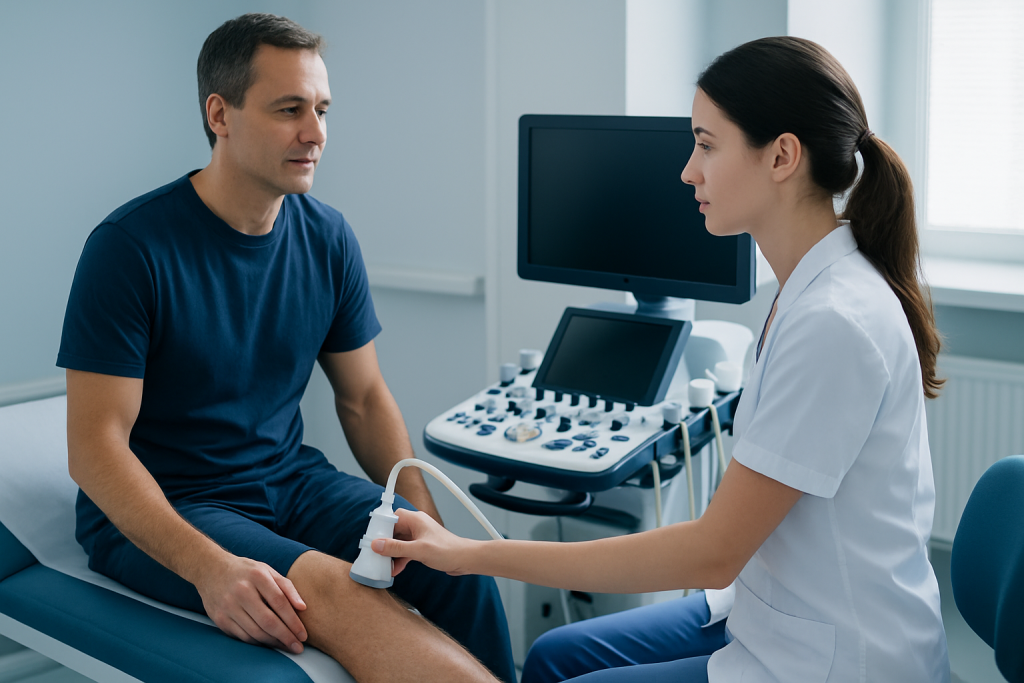
Soleus-related pain is often felt in the deeper part of the lower calf rather than near the surface. The discomfort may be dull, tight, or cramping, and it often becomes more noticeable during activity that involves pushing off the foot, such as walking uphill, running, or rising onto the toes.
Symptoms can vary depending on whether the muscle is mildly irritated or more significantly strained. Some people can still walk, but with a stiff, protective gait. Others feel pain when they bend the knee and flex the ankle, because that position places more load on the soleus than the gastrocnemius.
- Deep calf pain or tenderness
- Stiffness after rest or first thing in the morning
- Pain during running, jumping, or stair climbing
- Discomfort when pushing off the foot
- Occasional swelling or tightness in the lower leg
If the pain began suddenly with a pop, if there is visible bruising, or if walking becomes difficult, the injury may be more than simple strain and should be assessed by a clinician.
Causes & Risk Factors
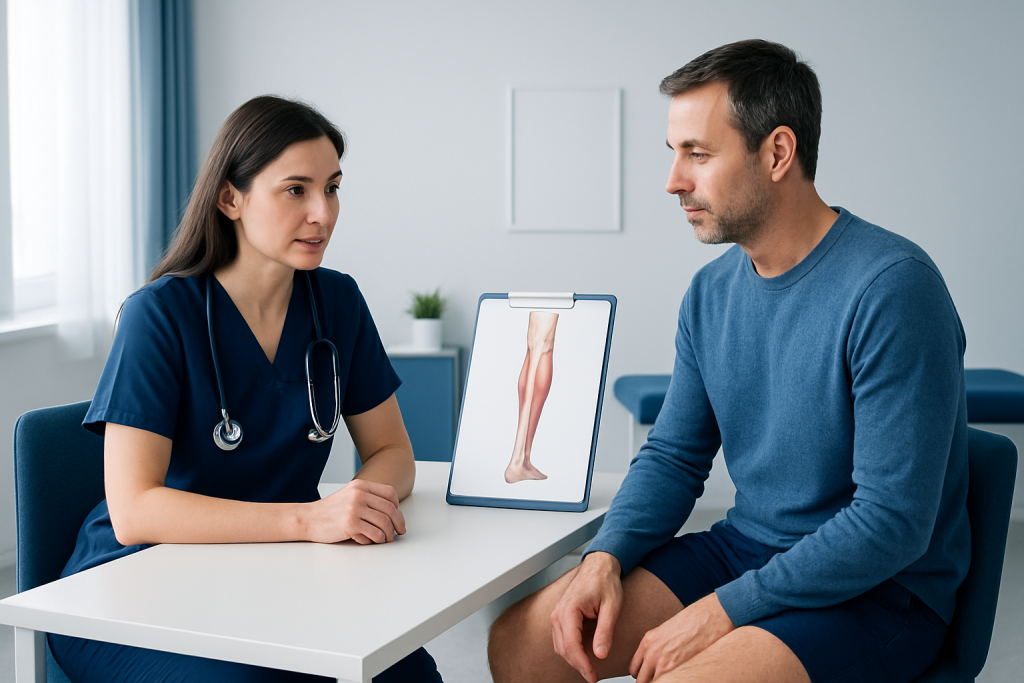
The soleus is vulnerable to overuse because it helps control movement every time the body shifts forward. Repeated running, sudden increases in exercise intensity, fast direction changes, and prolonged standing can all place extra stress on the muscle. On trips or busy workdays, people sometimes go from low activity to long periods of walking, and that sudden change can trigger symptoms.
Risk is higher when the calf is tired, inflexible, or not fully conditioned for the activity being done. Poor footwear, uneven surfaces, inadequate warm-up, and previous calf injury can all contribute. In some cases, dehydration or muscle fatigue may make cramping and strain more likely, especially during travel or hot-weather activity.
The soleus can also become painful when nearby structures are affected. Achilles tendon issues, ankle stiffness, or altered walking patterns after another injury may shift pressure onto the calf muscle. That is why the diagnosis should not rely on location of pain alone; the whole leg and movement pattern matter.
Diagnosis
Diagnosis usually begins with a conversation about how the pain started, what movements make it worse, and whether there was a sudden injury or gradual build-up of symptoms. A doctor will examine the calf, ankle, and foot, checking tenderness, swelling, strength, flexibility, and the way the patient walks.
One useful clue is that soleus pain may be more obvious when the knee is bent during calf testing. This helps distinguish it from some gastrocnemius problems, although the two muscles work closely together and symptoms can overlap. A clinician also considers other causes of calf pain, including Achilles tendon injury, muscle tear, stress injury, and circulatory problems.
Imaging is not always necessary, but it can be helpful when the diagnosis is unclear or symptoms are more severe. Ultrasound or MRI may be used to look for muscle tearing, fluid collection, or related tendon injury. If there are concerns about a blood clot or another medical issue, further testing may be recommended quickly and safely.
Treatment Options
Treatment depends on the extent of the injury, but many soleus strains improve with conservative care. In the early stage, the muscle usually benefits from relative rest rather than complete immobilization. The goal is to calm pain while preserving gentle movement so the calf does not become overly stiff.
As symptoms settle, rehabilitation often focuses on gradually reintroducing loading. This may include guided stretching, calf strengthening, balance work, and a step-by-step return to walking, running, or sport. A physiotherapist or orthopedist may adjust the program based on pain, swelling, and strength. For patients recovering while abroad, a well-planned follow-up schedule can be especially useful so progress continues after returning home.
Other supportive measures may include temporary activity modification, ice after aggravating activity, elevation when swelling is present, and short-term use of supportive taping or compression when advised by a clinician. Pain relief recommendations should always be individualized by a doctor, especially when other health conditions are involved.
- Relative rest and activity modification
- Progressive physiotherapy and strengthening
- Manual therapy or mobility work when appropriate
- Supportive footwear or temporary shoe adjustments
- Gradual return to exercise under supervision
Surgery is rarely needed for an isolated soleus strain. It may only be considered if there is a more complex injury or another diagnosis that requires it.
Prevention & Self-care
Preventing soleus problems is often about respecting load. The muscle tends to cope well when exercise volume rises gradually and recovery time is built in. Warming up before sport, especially after long flights or periods of sitting, can help the calf prepare for movement.
Regular calf strengthening is useful, but it should be balanced. Exercises that target both the straight-knee and bent-knee calf position can improve resilience because the soleus is worked more strongly when the knee is flexed. Stretching may also help maintain ankle mobility, though it is best used as part of a broader conditioning plan rather than as the only strategy.
Simple self-care habits can make a difference during recovery and travel:
- Increase walking, running, and training load gradually
- Choose supportive, appropriate footwear
- Take short movement breaks during long sitting periods
- Use gentle mobility exercises instead of forcing pain
- Hydrate well, especially during heat, exercise, or travel
If symptoms keep returning, it is often a sign that the calf is not yet ready for the current activity level, or that another mechanical issue is present. In that situation, a structured assessment is wiser than repeating the same routine and hoping the pain disappears.
When to See a Doctor
Medical evaluation is advisable if calf pain is severe, comes on suddenly, or does not improve with sensible rest and reduced activity. Persistent pain that keeps returning, limits walking, or interferes with sleep should also be assessed. A doctor can help confirm whether the soleus is the source or whether another structure needs attention.
Prompt care is especially important if the leg becomes notably swollen, red, warm, or tender in a way that seems different from a muscle strain. Shortness of breath, chest pain, or sudden worsening swelling require urgent medical attention because they may suggest a clot or another serious condition. These problems are not common, but they should never be ignored.
For travelers and international patients, it is often helpful to seek evaluation before long journeys or activity-heavy trips if calf symptoms are already present. Acibadem Health Point’s multidisciplinary specialists and JCI-accredited hospitals diagnose and treat soleus-related problems for international patients, with care plans that can be coordinated around recovery and follow-up needs.
Frequently asked questions
01What is the soleus muscle responsible for?
The soleus is a deep calf muscle that helps with standing, walking, balance, and pushing the body forward. It works continuously during many daily movements, so it plays an important role even when people do not notice it.
02How does a soleus strain feel?
It often feels like deep calf tightness, aching, or pain that worsens with running, jumping, or pushing off the foot. Some people also notice stiffness after rest or discomfort when the knee is bent and the ankle is flexed.
03Is soleus pain the same as Achilles pain?
Not necessarily. Soleus pain is usually felt deeper in the calf, while Achilles tendon pain is more often closer to the back of the ankle. Because the symptoms can overlap, a clinician may need to examine both areas carefully.
04How long does a soleus injury take to heal?
Healing time depends on how irritated or strained the muscle is and how soon treatment begins. Mild cases may improve relatively quickly, while more significant strains need a slower, guided return to activity to avoid re-injury.
05Can I keep walking with soleus pain?
Some people can continue walking, but it is usually best to reduce activity that worsens the pain. If walking becomes limping, painful, or unstable, medical evaluation is sensible before continuing exercise or travel plans.
06What helps a soleus strain recover?
Rest from aggravating activity, gradual strengthening, and careful return to movement are central to recovery. A physiotherapist or doctor can tailor the plan so the muscle regains load tolerance without being pushed too soon.
This article is for general information only and is not a substitute for professional medical advice. Please consult a qualified doctor about your individual situation.
Joint and spine care in Turkey — expert assessment & treatment
JCI-accredited · board-certified surgeons · reply within 24h
Add us as a Preferred Source to see more of our trusted health content across Google Search, AI Overviews and Discover.


How can we help you today?
Meet an Acibadem specialist by secure video, before you travel.
Book a video visit