Achilles Tendon Pain: Causes and Treatment

Key Takeaways
- Achilles pain often develops after repetitive strain, sudden training changes, or tight calf muscles.
- Morning stiffness, tenderness, swelling, and pain with walking or running are common symptoms.
- Diagnosis is usually based on history and examination, with imaging used when needed.
- Early load management, activity modification, and guided rehabilitation can support recovery.
- A sudden snapping sensation or inability to push off the foot needs prompt medical assessment.
Hurting Achilles usually refers to pain, stiffness, or tenderness along the tendon that connects the calf muscle to the heel. It is often linked to overuse, sudden activity changes, or tendon irritation, and it usually improves with the right care plan.
Overview
When someone says they have a hurting Achilles, they are usually describing pain in the thick tendon at the back of the ankle. This tendon links the calf muscles to the heel bone and carries a heavy workload every time a person walks, climbs stairs, stands on tiptoe, or changes direction.
Because it is used so often, the Achilles tendon can become irritated by repeated stress or a sudden increase in activity. Some people notice a dull ache during exercise; others feel stiffness after rest or tenderness when the back of the ankle is pressed. The good news is that many Achilles problems respond well to early evaluation, load adjustment, and a structured recovery plan.
For international patients deciding where to seek care, Achilles pain is often manageable without surgery, but it should not be ignored if it lingers or interferes with daily movement. A clear diagnosis matters because the treatment approach differs for tendinopathy, bursitis, partial tears, and complete rupture.
Symptoms

A hurting Achilles may begin gradually, which is why many people first notice it during routine actions rather than a single injury. Pain may sit just above the heel, in the middle portion of the tendon, or near the area where the tendon attaches to the heel bone. The discomfort can feel sharp during activity or stiff and achy after rest.
Common symptoms include:
- Pain or tightness at the back of the ankle
- Morning stiffness that eases with movement
- Tenderness when touching the tendon
- Mild swelling or thickening of the tendon
- Pain that worsens with running, jumping, or hills
- Reduced strength when pushing off the foot
If the tendon is significantly strained or torn, the symptoms can be more dramatic. A person may hear or feel a pop, have sudden severe pain, or struggle to stand on tiptoe. Those signs deserve prompt medical attention.
Causes & Risk Factors

Most Achilles pain comes from overload rather than one isolated event. The tendon may be asked to do more than it can comfortably handle when training ramps up too fast, footwear changes abruptly, or long periods of walking, dancing, or sport follow a sedentary stretch. Repeated strain can irritate the tendon and the surrounding tissues.
Several factors can raise the chance of developing Achilles symptoms:
- Sudden increase in exercise intensity or mileage
- Running on hard or sloped surfaces
- Tight calf muscles or limited ankle flexibility
- Foot mechanics that place extra load on the tendon
- Age-related tendon changes
- Previous ankle or tendon injury
- Certain medicines, such as some antibiotics or steroid use, may affect tendon health
In some cases, the problem is not only the tendon itself. Pain can also come from irritation of the bursa, inflammation around the tendon, or a tear after a sudden forceful movement. Understanding the source of the pain helps the clinician recommend the safest path back to normal activity.
Diagnosis
Diagnosis usually begins with a conversation about how the pain started, what activities make it worse, and whether there was a sudden injury. The clinician will then examine the ankle, calf, and foot, checking for swelling, tenderness, range of motion, and strength. Simple movement tests can help show whether the tendon is irritated or damaged.
Imaging is not always necessary, but it can be useful when the picture is unclear or the symptoms are more severe. Ultrasound can show tendon thickening, inflammation, or partial tearing. Magnetic resonance imaging, or MRI, may be used if a more detailed view is needed, especially when surgery is being considered or the diagnosis remains uncertain.
People traveling for care often appreciate a stepwise approach: a focused exam, clear explanation of the likely cause, and a plan that balances recovery with daily life. That may include advice on activity levels during the trip, follow-up after returning home, and guidance on which symptoms should trigger a recheck.
Treatment Options
Treatment depends on the type and severity of the problem, but the first step is usually to reduce strain on the tendon rather than completely immobilize it for long periods. A clinician may recommend temporary activity modification, relative rest, and a gradual return to load. The goal is to calm irritation while keeping the tendon active enough to recover.
Rehabilitation is often central to treatment. A physiotherapy-guided program may include calf stretching when appropriate, strengthening exercises, balance work, and gradual tendon loading. This kind of program is often more effective than simply waiting for pain to disappear, because the tendon needs progressive conditioning to tolerate everyday movement again.
Other treatment measures may include:
- Ice or short-term measures to ease discomfort
- Supportive footwear or temporary heel lifts in selected cases
- Arthritis Knee Physical Therapy: Early Signs, Risk Factors, and How It Is Treated" class="ahp-ilk">Physical therapy for mobility and strength
- Pain relief medicines recommended by a doctor, when suitable
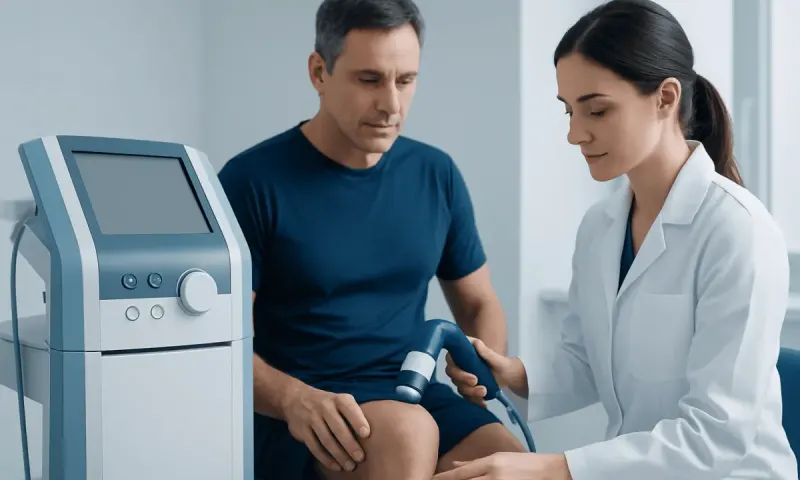
- Shockwave therapy in some chronic cases
- Immobilization or surgery in selected tears or ruptures
Complete Achilles ruptures require timely specialist assessment. Some patients are treated without surgery using protected rehabilitation, while others may benefit from an operation depending on the injury pattern, activity needs, and overall health. The best option is individualized after a full review.
Prevention & Self-care
For people hoping to avoid recurring Achilles pain, the most helpful habit is pacing. Tendons adapt slowly, so changes in exercise should be introduced gradually. Sudden sprints, long runs, hill training, or a return to sport after a break can all provoke symptoms if the tendon has not been prepared.
Practical self-care steps often include choosing supportive shoes, warming up before exercise, and building calf strength and ankle mobility over time. Runners and active travelers may also benefit from alternating higher-impact days with easier ones, especially when sightseeing involves more walking than usual.
Helpful habits may include:
- Increase training load gradually
- Use shoes that fit well and support the foot
- Stretch and strengthen under professional guidance
- Avoid “pushing through” worsening pain
- Break up long periods of standing or walking
- Follow the rehab plan even after symptoms improve
Recovery is often smoother when patients stay realistic about time. Tendons typically improve in stages, and a plan that respects tissue healing is more effective than rushing back too soon. For international patients, this also means coordinating rehab advice before travel ends so progress continues at home.
When to See a Doctor
Medical review is a good idea if Achilles pain lasts more than a short period, keeps returning, or limits walking, exercise, or work. Earlier assessment is especially useful when the pain is rising rather than settling, or when there is noticeable swelling or weakness.
Prompt evaluation is important if the person feels a sudden snap, hears a popping sound, cannot push off the foot, or has major difficulty bearing weight. Those features can indicate a significant tear or rupture and should not be left to self-treatment alone.
It is also sensible to seek care if the pain pattern is unclear, if home measures are not helping, or if there are concerns about the side effects of medicines. In a travel medicine context, a specialist can help decide whether treatment should begin before departure, continue during the trip, or wait for follow-up after arrival home. Acibadem Health Point’s multidisciplinary specialists and JCI-accredited hospitals diagnose and treat Achilles conditions for international patients, with coordinated evaluation and rehabilitation when needed.
Living With Recovery
Healing from Achilles problems is often less about a single treatment and more about a sequence of well-timed adjustments. People tend to do best when they understand which movements are helpful, which ones are too much for the current stage, and how to reintroduce activity without triggering a flare-up.
During recovery, it is common to have days that feel better and then slightly worse again after extra walking or a longer workout. That does not always mean the tendon is failing to heal. It often means the current load needs a small adjustment, which is where professional guidance can make recovery more predictable.
For patients managing care across borders, written exercise instructions, a clear red-flag list, and a follow-up plan can make a real difference. A consistent plan helps protect progress, whether the next appointment happens locally or after returning to another country.
Frequently asked questions
01Is a hurting Achilles the same as Achilles tendinitis?
Not always. Achilles pain is a broad description that can include tendinopathy, irritation around the tendon, bursitis, or a tear. A clinician uses the history and exam to narrow down the exact cause.
02Can Achilles pain go away on its own?
Mild irritation may settle with reduced activity and careful self-care, but recurring or persistent pain usually needs a structured plan. If the tendon keeps getting overloaded, symptoms can linger or worsen.
03Should exercise stop completely if the Achilles hurts?
Not necessarily. In many cases, the goal is to reduce painful loads rather than stop all movement. A clinician or physiotherapist can suggest safer activity levels and exercises during recovery.
04What does an Achilles rupture feel like?
Many people describe a sudden pop, sharp pain, and immediate weakness in the ankle or calf. Walking, standing on tiptoe, or pushing off the foot may become difficult, which is why prompt assessment is important.
05Can tight calf muscles cause Achilles pain?
Yes, tight calves can increase the load on the Achilles tendon. Stretching and strengthening are often part of a broader rehab plan, but they should be matched to the person’s specific condition.
06When is imaging needed for Achilles pain?
Imaging is often used when the diagnosis is uncertain, symptoms are severe, or a tear is suspected. Ultrasound and MRI can help confirm the problem and guide treatment planning.
This article is for general information only and is not a substitute for professional medical advice. Please consult a qualified doctor about your individual situation.
Joint and spine care in Turkey — expert assessment & treatment
JCI-accredited · board-certified surgeons · reply within 24h
Add us as a Preferred Source to see more of our trusted health content across Google Search, AI Overviews and Discover.