SMP Hair: How Scalp Tattooing Creates a Fuller Look
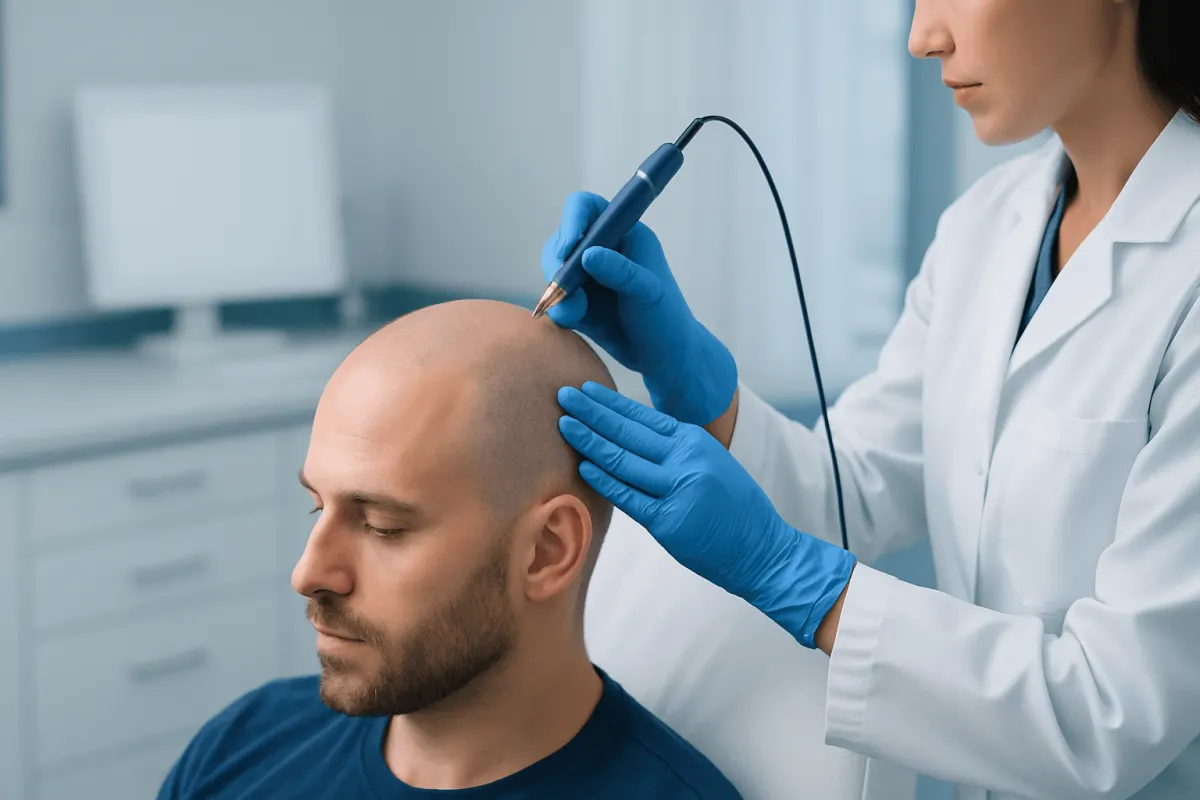
SMP hair, also called scalp micropigmentation, uses tiny deposits of pigment to create the visual effect of hair follicles on the scalp. It can help camouflage thinning areas, scars, or complete hair loss, but it does not regrow hair or stop the underlying cause of hair loss.
SMP hair: an overview
SMP hair is short for scalp micropigmentation. It is a non-surgical cosmetic procedure in which a trained practitioner places small dots of pigment into the upper layer of the scalp. These dots are designed to resemble the shadow of very short hair follicles, helping create the impression of a fuller hairline, denser short hair, or reduced contrast between the scalp and remaining hair.
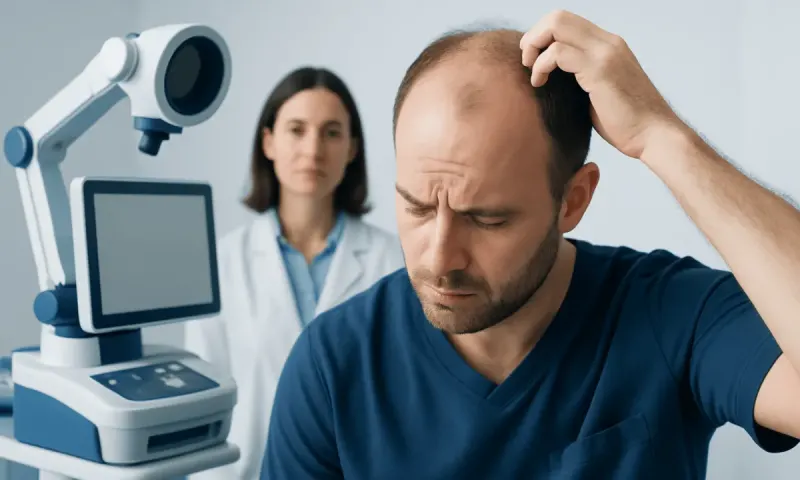
The procedure may be considered by people with male- or female-pattern hair loss, diffuse thinning, alopecia areata, scarring after injury or surgery, or limited density after a hair transplant. It is not a hair restoration treatment: it does not create follicles, stimulate growth, or treat medical causes of hair loss. A clinical assessment can help clarify the type of hair loss and whether options such as hair loss evaluation or hair transplant treatment may also be appropriate.
Unlike a conventional decorative tattoo, SMP uses specialized equipment, pigments, dot size, depth, and placement to mimic follicles. The most natural result usually depends on careful hairline design, appropriate pigment selection for the person’s skin tone and natural hair color, and realistic planning for future hair loss.
How the scalp micropigmentation procedure works
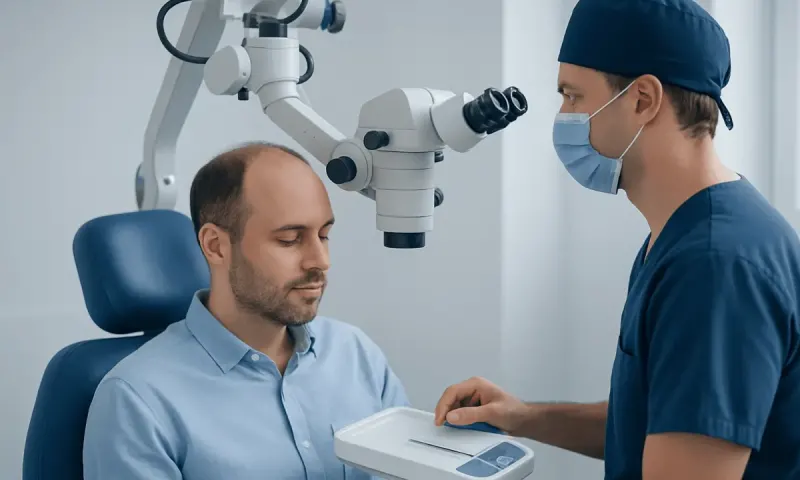
Before treatment, the practitioner reviews medical history, scalp health, allergies, previous cosmetic tattooing, medicines, and the person’s goals. The consultation should include discussion of the intended hairline, the degree of density desired, and the fact that a conservative, age-appropriate hairline is often easier to maintain if hair loss progresses.
During a session, the scalp is cleaned and pigment is inserted with fine needles in a pattern that resembles closely cut hair. Sensation varies, but many people describe mild to moderate discomfort. A session may focus on building a hairline, adding density between existing hairs, concealing a scar, or treating a larger bald area.
SMP is commonly completed over two to four sessions rather than in one visit. The gradual approach allows the practitioner to assess pigment retention after healing and build density in layers. The interval between sessions also gives the scalp time to recover and helps avoid an overly dark or artificial-looking result.
People considering SMP for a transplant scar or thinning after restoration surgery should discuss timing with their clinician. In some cases, addressing the underlying hair loss first, including with medical hair loss treatment, may help support a more stable long-term cosmetic plan.
Recovery, aftercare and healing timeline

After scalp micropigmentation, the scalp may look slightly red, feel tender, or appear darker than expected for a short time. Small scabs or dry flakes can occur as the skin heals. These changes are usually temporary, and the pigment often softens as healing progresses.
Aftercare instructions vary by practitioner and by the extent of treatment. In general, patients may be asked to keep the scalp dry for several days, avoid touching or picking at healing skin, and temporarily limit strenuous exercise, swimming, saunas, steam rooms, and prolonged sun exposure. They should follow the individual instructions provided rather than applying products or treatments that have not been approved.
How long does it take for SMP to fully heal? Surface healing commonly takes around five to seven days, although mild dryness or flaking can continue somewhat longer. The pigment and scalp appearance generally settle over about two to four weeks after a session. Because SMP is often performed in stages, the final healed result is best judged several weeks after the last planned session.
New or worsening redness, warmth, swelling, significant pain, pus, fever, or an allergic-type rash should be assessed promptly by a healthcare professional. These symptoms are not expected parts of routine healing and may need medical attention.
Results, longevity and natural hair growth
A successful SMP result should look like a subtle follicle shadow rather than a solid block of color. For a shaved-head style, it can create the appearance of a deliberate, closely clipped haircut. For people with thinning but existing hair, carefully placed pigment can reduce the visibility of scalp show-through and make hair appear denser from a normal viewing distance.
Can hair still grow after SMP? Yes. Scalp micropigmentation is placed superficially in the skin and does not remove hair follicles. Existing hair can continue to grow and can be washed, cut, or shaved as usual once healing is complete. However, SMP does not prevent further hair loss, and a change in hair density may alter the balance between the pigment and natural hair over time.
What does scalp micropigmentation look like after 5 years? After five years, SMP may still look effective, but some degree of fading is possible. Sun exposure, skin type, immune response, pigment characteristics, and aftercare can all influence how long the color remains stable. A touch-up may restore definition or adjust density, while progressive hair loss, greying hair, or a changing hairline may require a revised design rather than simply adding darker pigment.
Long-term satisfaction is often improved by choosing an experienced provider who uses pigments intended for scalp work and plans conservatively. Very dark pigment, an unnaturally low hairline, or overly dense placement can be harder to adapt as a person ages or their hair loss pattern changes.
What are the disadvantages of SMP hair treatment?
What are the disadvantages of SMP hair treatment? The main limitation is that SMP is an optical solution, not hair regrowth. It cannot restore hair texture, length, curl pattern, or the ability to style a fuller head of hair. It may be less suitable for someone who wants long hair or who expects the result to remain unchanged despite progressive hair loss.
Results depend heavily on practitioner training, sterile technique, pigment quality, and design judgment. Possible risks include discomfort, temporary redness, infection, allergic or inflammatory skin reactions, uneven pigment retention, color change, or a result that appears too dark or artificial. The risk may be higher if treatment is performed on irritated skin, active scalp disease, or by an inadequately trained provider.
Removal or major correction can be difficult, time-consuming, and not always complete. Laser treatment may be considered for unwanted pigment, but it can require multiple sessions and should be assessed by an experienced clinician. People should also understand that touch-ups may be needed over time, so SMP is best viewed as a long-term cosmetic commitment.
People with active psoriasis, eczema, folliculitis, infection, a history of problematic scarring, or unexplained scalp changes should seek medical advice before proceeding. A dermatologist can help ensure that a cosmetic procedure does not delay diagnosis or management of a treatable scalp condition.
Choosing safely and caring for the result
A reputable SMP provider should discuss suitability, expected appearance, risks, hygiene standards, patch testing when appropriate, and aftercare. Patients can ask to see healed—not only immediate—examples of work in people with similar skin tones and hair loss patterns. It is also reasonable to ask how complications, pigment changes, and future touch-ups are managed.
Protecting the scalp from sun exposure can help reduce pigment fading and support skin health. Once the scalp has healed, regular use of sun protection, a hat when practical, and gentle scalp care may be useful. People with remaining hair should continue any clinician-recommended care for their hair loss, because SMP does not treat the underlying process.
SMP can sometimes be combined with other approaches, such as medical treatment, a hair transplant, or cosmetic styling strategies. The best plan depends on the diagnosis, pattern and pace of hair loss, scalp health, personal preferences, and willingness to maintain the result over time.
Acıbadem Health Point’s multidisciplinary specialists and JCI-accredited hospitals can assess hair and scalp concerns and discuss suitable diagnostic and treatment options for international patients.
When to seek medical care
Medical assessment is important when hair loss is sudden, patchy, rapidly worsening, associated with scalp pain or itching, or accompanied by scaling, pustules, bleeding, or scarring. These signs can occur with conditions that need specific treatment, and cosmetic camouflage should not replace diagnosis.
People should also consult a qualified clinician before SMP if they have an active scalp condition, immune suppression, diabetes that is not well controlled, a bleeding disorder, a tendency to form raised scars, known pigment allergies, or a history of skin cancer on the scalp. Pregnancy, breastfeeding, and medicines that affect bleeding or immune function should be discussed with the treating clinician and SMP provider.
After treatment, prompt medical care is advised for increasing redness, significant swelling, severe pain, discharge, fever, or widespread rash. Early review is also sensible if the result heals unevenly or if there is concern about an allergic reaction.
Frequently asked questions
01Is SMP hair the same as a regular tattoo?
SMP uses tattooing principles, but it is designed specifically to imitate tiny hair follicle shadows on the scalp. It typically uses specialized pigments, dot patterns, and more superficial placement than many decorative tattoos. The skill and planning needed to create a natural hairline are important.
02Does scalp micropigmentation hurt?
Comfort levels differ between individuals and depend on the area being treated. Many people describe a scratching or prickling sensation that is manageable, although sensitive areas may feel more uncomfortable. A provider can explain comfort measures before the procedure.
03How many SMP sessions are usually needed?
Most people need two to four sessions to build the result gradually. The number depends on the treatment area, desired density, skin response, and whether SMP is being used for a shaved-head effect, thinning hair, or scar camouflage. Sessions are usually separated by healing time.
04Will SMP look natural if hair loss gets worse?
It can continue to look natural when the original design has been planned conservatively and adjusted as needed. However, ongoing hair loss can change how pigment blends with remaining hair. A touch-up or redesign may be needed if the natural hairline or density changes substantially.
05Can SMP cover a hair transplant scar?
SMP may help make some hair transplant or scalp surgery scars less noticeable by reducing the color contrast with surrounding skin. Scar tissue can hold pigment differently from normal skin, so an experienced assessment is important. The scar should be fully healed and medically suitable before treatment.
06Can scalp micropigmentation be removed?
Unwanted SMP may sometimes be lightened or removed with laser treatment, but the process can take multiple sessions and outcomes vary. This is why careful consultation, a conservative design, and selection of a qualified practitioner are essential before starting. A dermatologist or laser specialist can advise on correction options.
This article is for general information only and is not a substitute for professional medical advice. Please consult a qualified doctor about your individual situation.
Hair transplant in Turkey — costs, graft counts & a free assessment
JCI-accredited · board-certified surgeons · reply within 24h
Add us as a Preferred Source to see more of our trusted health content across Google Search, AI Overviews and Discover.