Sleep Apnea Machine: Uses and How It Works
Key Takeaways
- A sleep apnea machine is commonly used to treat obstructive sleep apnea by maintaining airway airflow during sleep.
- The right mask fit, pressure settings, and follow-up support are important for comfort and success.
- Symptoms such as loud snoring, witnessed pauses in breathing, and daytime sleepiness deserve medical evaluation.
- Lifestyle changes can support treatment, but a machine does not replace a proper diagnosis or ongoing care.
- People traveling for care can still receive careful testing, machine fitting, and follow-up planning before returning home.
A sleep apnea machine is most often a CPAP device that helps keep the airway open during sleep, reducing breathing pauses and improving rest. Understanding how it works, how it is fitted, and how to adapt to it can make treatment much easier and more effective.
Overview
When people talk about a “sleep apnea machine,” they are usually referring to a CPAP device, short for continuous positive airway pressure. It is designed to gently deliver air through a mask and help keep the throat open while a person sleeps. For many adults with obstructive sleep apnea, this steady airflow reduces breathing interruptions and helps sleep become more restful.
Sleep apnea is not just about snoring. It is a condition in which breathing repeatedly slows or stops during sleep, often because the airway narrows or collapses. Over time, untreated sleep apnea can affect energy, concentration, mood, and overall health. A machine is one of the most common non-surgical treatments because it addresses the airway problem directly during sleep.
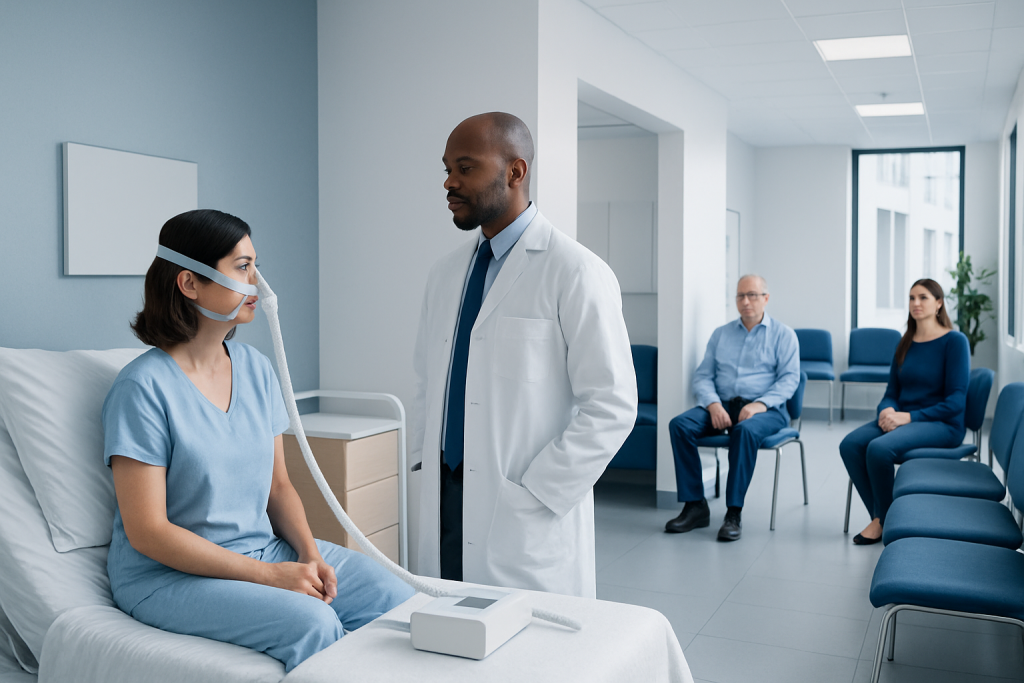
For international patients, starting treatment often begins with understanding whether the sleep problem is truly sleep apnea and which type of device is most suitable. That may involve a sleep study, a mask fitting, and a discussion of the person’s routine at home, travel schedule, and ability to follow treatment consistently after returning to their country.
Symptoms
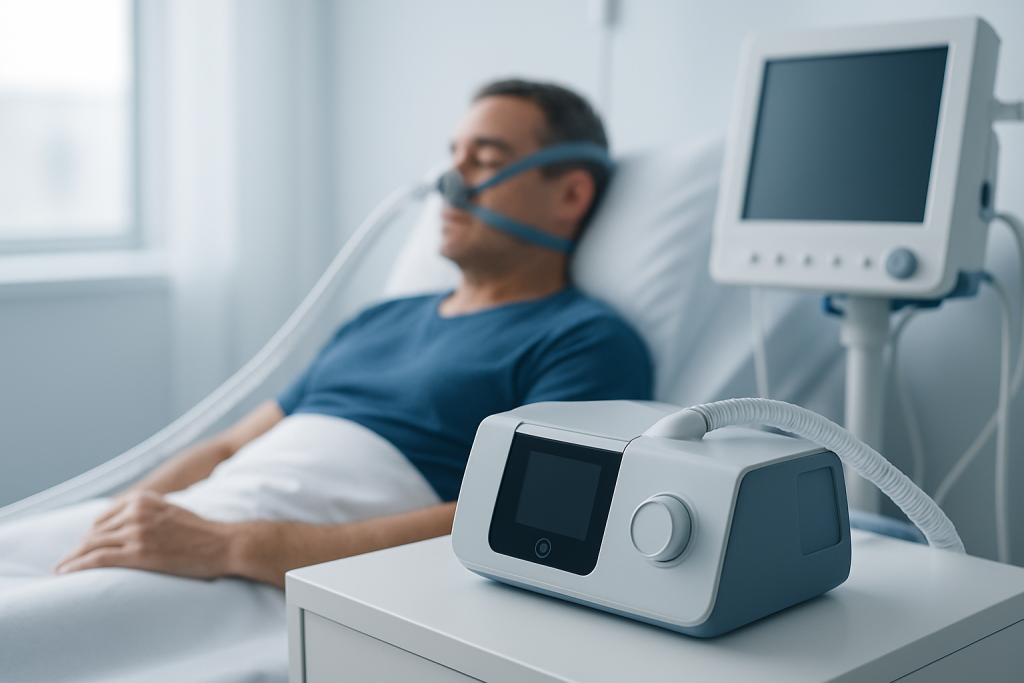
The signs of sleep apnea are often first noticed by a bed partner, roommate, or family member. Loud snoring, gasping, choking sounds during sleep, and pauses in breathing are common clues. Some people wake with a dry mouth, headache, or a feeling that sleep was never refreshing.
Daytime symptoms matter just as much. People may feel unusually sleepy, have trouble focusing, forget small details, or feel irritable for no clear reason. Some notice they doze off in quiet moments, such as while reading, watching television, or sitting in traffic.
It is also possible for symptoms to be subtle. A person may not realize they are waking repeatedly through the night, only that they feel tired, unwell, or less sharp than before. Because these symptoms can overlap with stress, poor sleep habits, or other medical conditions, an evaluation is important rather than guessing the cause.
Causes & Risk Factors
Obstructive sleep apnea happens when the muscles in the back of the throat relax too much during sleep, allowing the airway to become partly or fully blocked. The brain briefly senses the lack of airflow and wakes the body enough to restore breathing, often without the person remembering it. These repeated disruptions fragment sleep and strain the body.
Several factors can increase the chance of developing sleep apnea. Extra weight, a larger neck circumference, nasal blockage, certain jaw or airway shapes, smoking, alcohol use near bedtime, and sleeping on the back can all play a role. Age and family history may also contribute. In some people, sleep apnea develops even without obvious risk factors.
It helps to think of sleep apnea as a mechanical problem that can be influenced by anatomy, sleep position, and overall health. Because of that, treatment may combine a machine with other changes, such as weight management or positional strategies. A doctor will usually look at the full picture rather than focusing on one single factor.
Diagnosis
Before a sleep apnea machine is prescribed, the condition needs to be identified properly. Doctors usually start with a medical history and a description of sleep patterns, daytime tiredness, snoring, and breathing pauses. Family or partner observations are often very useful because the patient may not notice what happens during sleep.
A sleep study is the standard way to confirm the diagnosis. This may be done overnight in a sleep laboratory or, for some patients, at home with a monitored testing device. The study helps measure how often breathing is disturbed and whether oxygen levels drop during sleep. It also helps determine whether the pattern fits obstructive sleep apnea or another sleep-related breathing disorder.
For patients traveling for care, the diagnostic plan should be practical as well as accurate. That may mean organizing testing, mask fitting, and treatment education during the same visit when possible, then setting up a clear follow-up pathway with a local physician at home. Good planning matters because sleep apnea treatment works best when it is tailored and monitored over time.
Treatment Options
CPAP is the best-known sleep apnea machine treatment, but it is not the only option. The device works by pushing air through a mask to create enough pressure to keep the airway open. Some people use a different pressure mode, such as auto-adjusting PAP, depending on their breathing pattern and comfort needs.
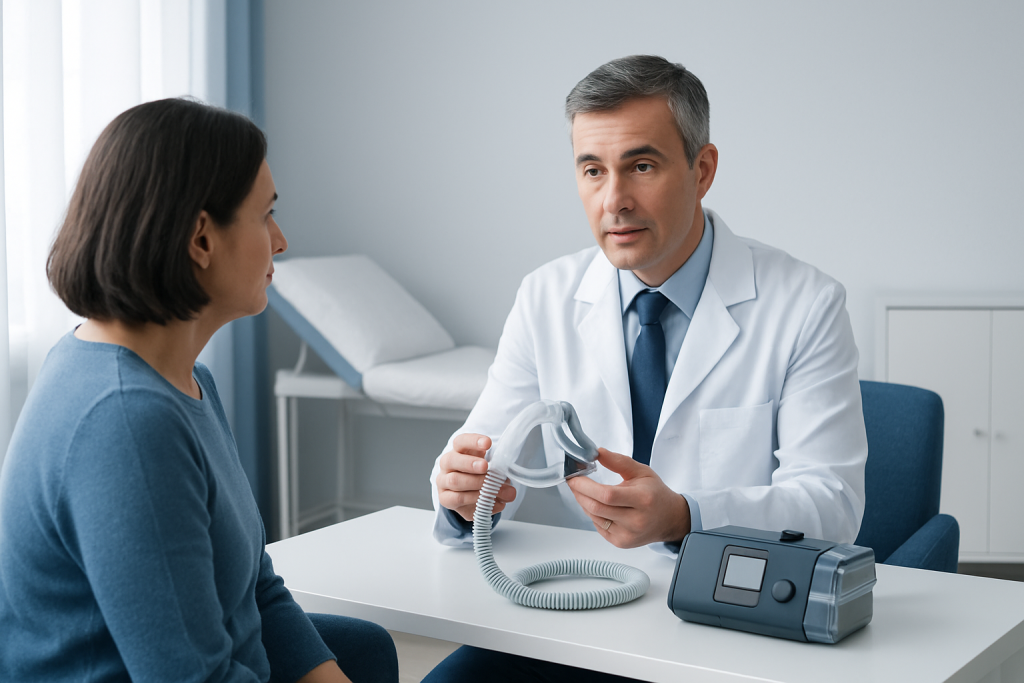
Mask choice is often as important as the machine itself. Some masks cover the nose only, some sit under the nose, and others cover both the nose and mouth. The best option depends on breathing habits, facial structure, comfort, and whether the person tends to breathe through the mouth during sleep. A proper fit can improve tolerance and reduce leaks, skin irritation, and dry mouth.
In some cases, doctors may discuss alternatives or additions to machine therapy. Oral appliances can help selected patients with mild to moderate sleep apnea. Weight reduction, positional therapy, nasal treatment, or surgery may also be considered in specific situations. The treatment plan is usually individualized, because the goal is not simply to prescribe a device, but to choose a method the patient can realistically use night after night.
- CPAP: delivers constant pressure to keep the airway open
- Auto-adjusting PAP: changes pressure in response to breathing needs
- Bi-level PAP: provides different pressures for inhalation and exhalation in selected cases
- Oral appliance: may be used for some mild to moderate cases
- Surgical or anatomical approaches: may be considered when appropriate
Prevention & Self-care
Not every case of sleep apnea can be prevented, especially when anatomy or family tendency is part of the picture. Still, certain habits can support treatment and may reduce symptom burden. Maintaining a healthy weight, limiting alcohol before bed, avoiding sedating substances unless prescribed, and sleeping on the side can all help some people breathe more easily at night.
Learning to use a sleep apnea machine often takes patience. It may help to wear the mask for short periods while awake before using it overnight. Keeping the mask clean, replacing parts as advised, and addressing dryness or congestion early can make the routine much more comfortable. Small adjustments often matter more than dramatic changes.
Travelers who begin treatment abroad should ask for written instructions, device settings, and a clear follow-up plan before returning home. A doctor can also advise whether a portable machine is suitable for future trips, how to manage humidity or power differences, and how to coordinate care with a local sleep specialist if needed.
When to See a Doctor
Medical evaluation is a good idea when snoring is loud and regular, when breathing pauses are observed, or when sleep is not refreshing despite enough time in bed. Daytime sleepiness, morning headaches, concentration problems, and unexplained fatigue are also important reasons to seek care. These symptoms can affect safety, work performance, and quality of life.
A doctor should also be consulted if a sleep apnea machine is prescribed but feels impossible to tolerate. Air leaks, pressure discomfort, dry nose or mouth, mask pressure on the skin, and anxiety at bedtime are common and often fixable. Early follow-up can prevent frustration and help the treatment become sustainable.
Because untreated sleep apnea can strain the heart, disrupt Systolic Blood Pressure: What Patients Need to Know" class="ahp-ilk">blood pressure control, and worsen overall well-being, it is best not to delay assessment. Acibadem Health Point’s multidisciplinary specialists and JCI-accredited hospitals diagnose and treat sleep apnea for international patients, with care planning that can support both the hospital stay and the return home.
Frequently asked questions
01What is a sleep apnea machine used for?
A sleep apnea machine is used to help keep the airway open during sleep, most often for obstructive sleep apnea. By improving airflow, it can reduce breathing pauses, loud snoring, and sleep fragmentation. Many people also notice better daytime alertness after consistent use.
02Is a CPAP machine the same as a sleep apnea machine?
CPAP is the most common type of sleep apnea machine, so people often use the terms interchangeably. However, there are other positive airway pressure devices as well, including auto-adjusting and bi-level machines. A doctor chooses the device based on the patient’s sleep study and symptoms.
03How long does it take to get used to the machine?
Adjustment time varies from person to person. Some adapt within days, while others need more time and mask changes or pressure adjustments. Support from the care team is important because comfort issues are often manageable.
04Can a sleep apnea machine cure sleep apnea?
The machine does not cure the underlying cause of sleep apnea, but it can control symptoms very effectively while it is used. Many people need ongoing nightly treatment to keep the airway open. Other treatments may be added depending on the cause and severity of the condition.
05What happens if sleep apnea is left untreated?
Untreated sleep apnea can lead to persistent fatigue, poor concentration, mood changes, and disrupted sleep. Over time, it may also place extra strain on the cardiovascular system and increase the risk of other health problems. This is why proper diagnosis and follow-up are important.
06Do international patients need follow-up after getting a sleep apnea machine abroad?
Yes. Follow-up helps confirm that the settings are comfortable and effective, and it allows the plan to be adjusted if symptoms continue. Patients traveling home should receive clear instructions and know whom to contact if problems arise.
This article is for general information only and is not a substitute for professional medical advice. Please consult a qualified doctor about your individual situation.
Explore treatments in Turkey — costs, top hospitals & a free quote
JCI-accredited · board-certified surgeons · reply within 24h
Add us as a Preferred Source to see more of our trusted health content across Google Search, AI Overviews and Discover.