What Is REM Sleep?

Key Takeaways
- REM sleep is one of the main stages of the sleep cycle and is marked by vivid dreaming and active brain patterns.
- It supports memory, learning, emotional balance, and healthy daytime functioning.
- Too little, too much, or disrupted REM sleep may be linked to sleep disorders, stress, medications, or other health conditions.
- Good sleep habits can help protect sleep cycles, including REM sleep.
- Persistent nightmares, acting out dreams, loud snoring, or ongoing daytime sleepiness deserve medical review.
REM sleep is a natural stage of sleep in which the brain becomes highly active while the body stays mostly still. It plays an important role in dreaming, memory, mood regulation, and overall sleep quality.
Overview
REM sleep is the stage of sleep most people associate with dreaming, but its job is broader than that. During rapid eye movement, or REM, the brain becomes highly active, breathing and heart rate may change slightly, and the body’s large muscles are kept in a near-paralyzed state to prevent acting out dreams.
Sleep is not one long uniform stretch. It moves through repeating cycles that include lighter sleep, deeper sleep, and REM sleep. These cycles shift through the night, which is one reason sleep quality depends not only on total hours but also on how well the body can move naturally through each stage.
For people arranging care from another country, sleep concerns can sometimes be easy to overlook because travel, jet lag, and stress can temporarily disturb REM sleep. Still, when poor sleep becomes persistent, it is worth understanding what REM sleep does and why it matters for daily health.
What Happens During REM Sleep
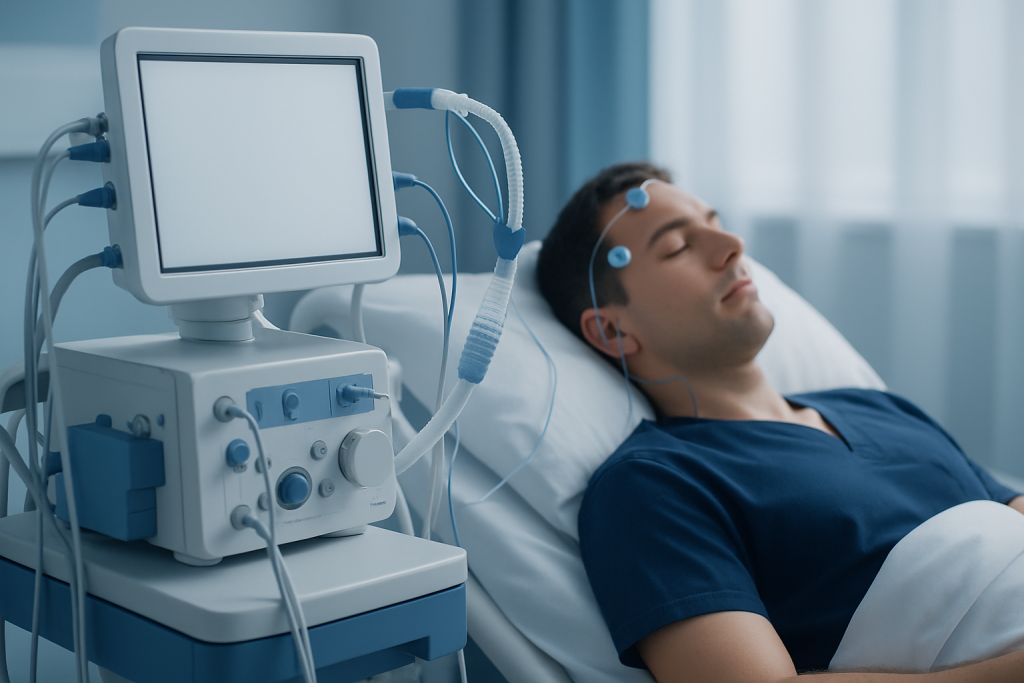
REM sleep has a distinctive pattern. The eyes move quickly beneath the eyelids, brain activity rises, and most skeletal muscles become relaxed and still. This combination helps explain why dreams can feel vivid and emotionally charged while the body remains safely inactive.
Although REM sleep is often discussed on its own, it is part of a larger sleep rhythm. In a healthy night, the body usually cycles through non-REM and REM stages several times. Early in the night, deeper non-REM sleep tends to be more prominent; later, REM periods often become longer.
Researchers believe REM sleep helps the brain process experiences, support memory consolidation, and regulate emotion. It is also thought to contribute to learning and overall mental performance, though sleep health is complex and no single stage works in isolation.
Symptoms and Signs of REM Sleep Problems

People do not usually “feel” REM sleep directly, but clues can appear when REM is disrupted. The most common sign is not enough restful sleep, which may show up as difficulty concentrating, irritability, morning fatigue, or trouble remembering information.
Some REM-related problems are more specific. These may include frequent vivid dreams or nightmares, sudden awakenings from dream-filled sleep, or excessive daytime sleepiness even after a full night in bed. In some cases, a person may begin moving or talking during sleep, which can suggest a sleep disorder that needs assessment.
- Unrefreshing sleep despite enough time in bed
- Recurring nightmares or disturbing dreams
- Acting out dreams, kicking, or punching during sleep
- Daytime sleepiness, brain fog, or poor focus
- Loud snoring or breathing pauses that fragment sleep
These signs do not automatically mean a serious problem, but they are useful signals that sleep should be reviewed more carefully.
Causes and Risk Factors
Many factors can interfere with REM sleep. Stress, anxiety, irregular sleep schedules, shift work, jet lag, and frequent nighttime awakenings can all disrupt the body’s ability to complete normal sleep cycles.
Medical conditions can also play a role. Obstructive sleep apnea may repeatedly interrupt sleep and reduce REM continuity. Depression, post-traumatic stress, and certain neurological conditions can affect dream patterns or REM regulation. Some medications, including certain antidepressants and other central nervous system medicines, may alter REM sleep as well.
Risk can increase when several factors occur together. For example, a traveler adjusting to a new time zone while coping with illness, sleeping poorly in a hotel, and using medication for another condition may notice temporary sleep changes. In many cases these settle, but persistent symptoms deserve evaluation.
Diagnosis
There is no home test that can directly measure REM sleep with precision. When a clinician suspects a sleep disorder, the first step is usually a detailed history of bedtime habits, symptoms, medications, snoring, awakenings, and daytime functioning.
Depending on the pattern, the clinician may recommend a sleep study, also called polysomnography. This test monitors breathing, brain waves, eye movements, muscle activity, oxygen levels, and heart rhythm during sleep. Those measurements help show whether REM sleep is occurring normally and whether another disorder is interrupting it.
In some cases, sleep logs or actigraphy may be used to track sleep timing over days or weeks. This can be especially helpful when travel, work schedules, or shifting routines make it hard to understand what is happening at night.
Treatment Options
Treatment depends on what is disturbing REM sleep. If a sleep disorder is present, the main goal is to address that cause rather than chase REM sleep itself. For example, sleep apnea may be treated with airway support or other therapies, while nightmares or REM sleep behavior disorder may need a different approach.
When medications are contributing, a doctor may review whether a change is appropriate. This should never be done suddenly without medical guidance. For stress-related sleep disruption, treatment may include counseling, relaxation strategies, or cognitive behavioral therapy for insomnia, which is a well-established non-drug approach.
Useful treatment paths may include:
- Evaluation for sleep apnea, insomnia, or parasomnias
- Medication review with a qualified clinician
- Behavioral therapy for insomnia or stress
- Targeted treatment for nightmares or dream enactment behaviors
- Sleep schedule adjustments after travel or shift changes
When people travel internationally for care, sleep symptoms can be discussed alongside the main medical issue, since poor sleep may affect recovery, energy, and the ability to follow through with treatment plans.
Prevention and Self-care
Protecting REM sleep often starts with protecting the whole sleep cycle. A steady sleep and wake time, a dark and quiet bedroom, and enough time in bed all help the brain move through sleep stages without constant interruption.
Simple habits can make a meaningful difference. Limiting caffeine late in the day, reducing alcohol near bedtime, and avoiding long naps can support more stable sleep. Regular physical activity may also help, although intense exercise immediately before bed is not ideal for everyone.
For travelers, adjusting gradually to a new time zone, getting morning light when appropriate, and keeping meals and sleep times predictable can ease disruption. People who already have a sleep disorder should follow their doctor’s plan closely, since self-care works best when it complements medical treatment.
- Keep a consistent sleep schedule when possible
- Make the bedroom cool, quiet, and dark
- Limit alcohol, nicotine, and late caffeine
- Use wind-down time before bed
- Seek help early if symptoms persist
When to See a Doctor
A doctor’s advice is sensible when sleep problems continue for more than a short period or begin to affect daily life. Ongoing fatigue, poor concentration, morning headaches, repeated nightmares, or bed-partner concerns about snoring or dream enactment all deserve attention.
It is especially important to seek evaluation if a person wakes gasping, has breathing pauses during sleep, injures themselves or a partner during sleep, or feels so sleepy during the day that driving or work becomes unsafe. These symptoms can point to a treatable sleep disorder.
Acibadem Health Point’s multidisciplinary specialists and JCI-accredited hospitals can help diagnose and treat sleep-related conditions for international patients, with care plans that consider both medical needs and the realities of travel and recovery.
Prompt assessment can bring clarity, reduce worry, and lead to more restorative sleep. Even when symptoms turn out to be mild or temporary, a medical review can help separate ordinary sleep disruption from a condition that needs treatment.
Living With Better Sleep
Understanding REM sleep can make sleep feel less mysterious and more manageable. It is one important part of a larger system that supports memory, mood, learning, and daytime alertness. When the sleep cycle is disrupted, the effects can be felt far beyond the bedroom.
Because many things can influence REM sleep, the most useful approach is usually practical and individualized. That may mean improving sleep habits, treating a breathing problem, adjusting medication, or addressing stress and anxiety. A clinician can help decide which path makes sense.
For patients balancing treatment with international travel, a clear sleep plan can be especially helpful during follow-up and recovery. A steady routine, good communication with the care team, and timely evaluation of persistent symptoms can all support better rest over time.
Frequently asked questions
01What is REM sleep in simple terms?
REM sleep is a stage of sleep when the brain is highly active and dreaming is common. The body’s muscles are mostly relaxed, which helps prevent acting out those dreams.
02How much REM sleep does a person need?
There is no single perfect amount for everyone, and REM sleep naturally changes with age and sleep patterns. What matters most is whether sleep feels restorative and whether daytime function is good.
03Can stress reduce REM sleep?
Yes, stress and anxiety can make sleep lighter and more fragmented, which may disturb normal sleep cycles. Over time, that can reduce the quality of REM sleep and overall rest.
04Is dreaming only happening in REM sleep?
Dreaming is most vivid during REM sleep, but dreams can also occur in other stages. REM dreams are often easier to remember and may feel more detailed.
05What is REM sleep behavior disorder?
This is a condition in which the usual muscle paralysis of REM sleep is reduced, so a person may act out dreams. It should be evaluated by a doctor because it can cause injury and may be linked to other sleep or neurological conditions.
06Can travel affect REM sleep?
Yes, changing time zones, unfamiliar sleeping conditions, and irregular schedules can temporarily disrupt sleep cycles. Most people improve as the body adjusts, but persistent problems should be discussed with a clinician.
This article is for general information only and is not a substitute for professional medical advice. Please consult a qualified doctor about your individual situation.
Heart care in Turkey — expert evaluation and treatment
JCI-accredited · board-certified surgeons · reply within 24h
Add us as a Preferred Source to see more of our trusted health content across Google Search, AI Overviews and Discover.