Natural Remedies for Sleep Apnea: What May Help
Natural remedies for sleep apnea can support better breathing during sleep, particularly through weight management, side sleeping, and avoiding alcohol near bedtime. However, they do not reliably replace medical evaluation or proven treatments such as CPAP, oral appliances, or surgery when clinically appropriate.
Natural remedies for sleep apnea: what the evidence supports
Natural remedies for sleep apnea are best understood as supportive lifestyle measures rather than cures. The strongest evidence applies to obstructive sleep apnea (OSA), the common form in which throat tissues narrow or block the airway during sleep. Depending on the person, measures such as changing sleep position, managing weight, limiting alcohol, and treating nasal congestion may lessen symptoms or reduce the severity of OSA.
These measures cannot determine whether breathing interruptions have stopped. Untreated sleep apnea may contribute to poor concentration, low mood, high blood pressure, heart and blood vessel disease, and accident risk from excessive sleepiness. A clinician can confirm the diagnosis and severity with a sleep assessment, then discuss whether lifestyle measures alone are reasonable or whether treatment is needed.
Natural approaches are not appropriate substitutes for medical treatment in people with moderate or severe OSA, significant daytime sleepiness, or health conditions linked with sleep apnea. Central sleep apnea, in which the brain does not consistently send breathing signals, has different causes and requires medical evaluation rather than home remedies.
Understanding sleep apnea and its symptoms
Sleep apnea is a sleep-related breathing disorder marked by repeated episodes of reduced or stopped breathing. In OSA, the airway collapses temporarily during sleep. Common signs include loud habitual snoring, witnessed pauses in breathing, gasping or choking during sleep, restless sleep, morning headaches, dry mouth, and waking unrefreshed.
Daytime symptoms can be less obvious. A person may experience tiredness despite spending enough time in bed, difficulty concentrating, irritability, reduced libido, or falling asleep unintentionally while reading, watching television, or driving. Not everyone who snores has sleep apnea, and some people with sleep apnea do not snore loudly.
Risk can increase with excess body weight, a larger neck circumference, nasal obstruction, enlarged tonsils, smoking, alcohol use, menopause, family history, and certain facial or airway features. Sleep apnea occurs in people of all body sizes and ages, including children, so symptoms should not be dismissed solely because a person does not fit a typical risk profile.
Evidence-backed lifestyle measures that may help

Weight management is among the most effective lifestyle measures for adults with excess weight and OSA. Fatty tissue around the neck and upper airway can make collapse more likely. Gradual, sustainable weight loss may improve breathing during sleep and overall cardiometabolic health, but it should be viewed as part of a treatment plan rather than an immediate replacement for prescribed therapy. Sleep apnea can persist even after weight loss.
Side sleeping, also called positional therapy, can help people whose breathing events occur mainly while lying on their back. Sleeping supine allows the tongue and soft tissues to fall backward more easily. A supportive body pillow, a positional device, or other comfortable methods to encourage side sleeping may be useful. A sleep study can help identify whether a person’s OSA is position-dependent.
Regular physical activity may improve sleep quality, fitness, and OSA severity, even before major weight changes occur. Activities should match the person’s abilities and health status. Establishing a consistent sleep schedule, allowing adequate time for sleep, and addressing chronic sleep deprivation may also reduce fatigue, although these steps do not by themselves correct airway obstruction.
- Choose gradual eating and activity changes that can be maintained long term.
- Use side sleeping if it is comfortable and does not worsen pain or other conditions.
- Continue prescribed CPAP or other treatment unless a sleep specialist advises otherwise.
Helpful habits with limited or situation-specific benefit
Avoiding alcohol for several hours before bed can be helpful because alcohol relaxes upper-airway muscles and may worsen snoring and breathing interruptions. Sedative medicines, including some sleep aids and anti-anxiety medicines, can have similar effects. A person should never stop a prescribed medication abruptly; instead, they should ask the prescribing clinician whether timing, dose, or an alternative is appropriate.
Smoking cessation can reduce airway irritation and offers important benefits for lung, heart, and vascular health. Keeping the nasal passages clear may also improve comfort for people with allergies or a cold. Saline nasal rinses, allergen avoidance, and clinician-recommended treatment for allergic rhinitis may help nasal breathing, but they do not treat throat-level airway collapse or replace OSA therapy.
Elevating the head of the bed slightly may reduce snoring or reflux symptoms for some people, but evidence that it meaningfully treats sleep apnea is limited. The same is true for throat exercises, sometimes called myofunctional therapy: small studies suggest that professionally guided exercises may reduce mild OSA in selected adults, but the approach is not a dependable stand-alone treatment for everyone.
Remedies that are unproven or should be approached carefully
There is no good evidence that essential oils, herbal preparations, special teas, magnets, mouth taping, or over-the-counter anti-snoring products can safely treat sleep apnea. Some may make a person feel more relaxed or temporarily improve nasal comfort, but feeling that sleep is better does not prove that breathing pauses have resolved. Supplements can also interact with medicines or cause side effects.
Mouth taping deserves particular caution. Taping the mouth shut may be uncomfortable or unsafe for people with nasal blockage, reflux, anxiety, vomiting risk, lung disease, or unrecognized sleep apnea. It does not address the cause of airway obstruction and should not be used as a self-treatment for suspected sleep apnea.
Over-the-counter nasal strips can widen the nostril opening and may reduce simple snoring caused by nasal resistance. They generally do not treat OSA because the blockage often occurs deeper in the throat. A custom-fitted oral appliance prescribed and monitored by a qualified dental sleep specialist is different from a store-bought anti-snoring device and may be an evidence-based option for selected patients.
Medical diagnosis and proven treatment options
A clinician may begin by reviewing symptoms, medical history, medicines, sleep patterns, and risk factors. Diagnosis usually requires a sleep study, either in a sleep laboratory or, for appropriate adults, with a home sleep apnea test. Testing measures breathing patterns and oxygen levels and helps show how often events happen and how severe they are.
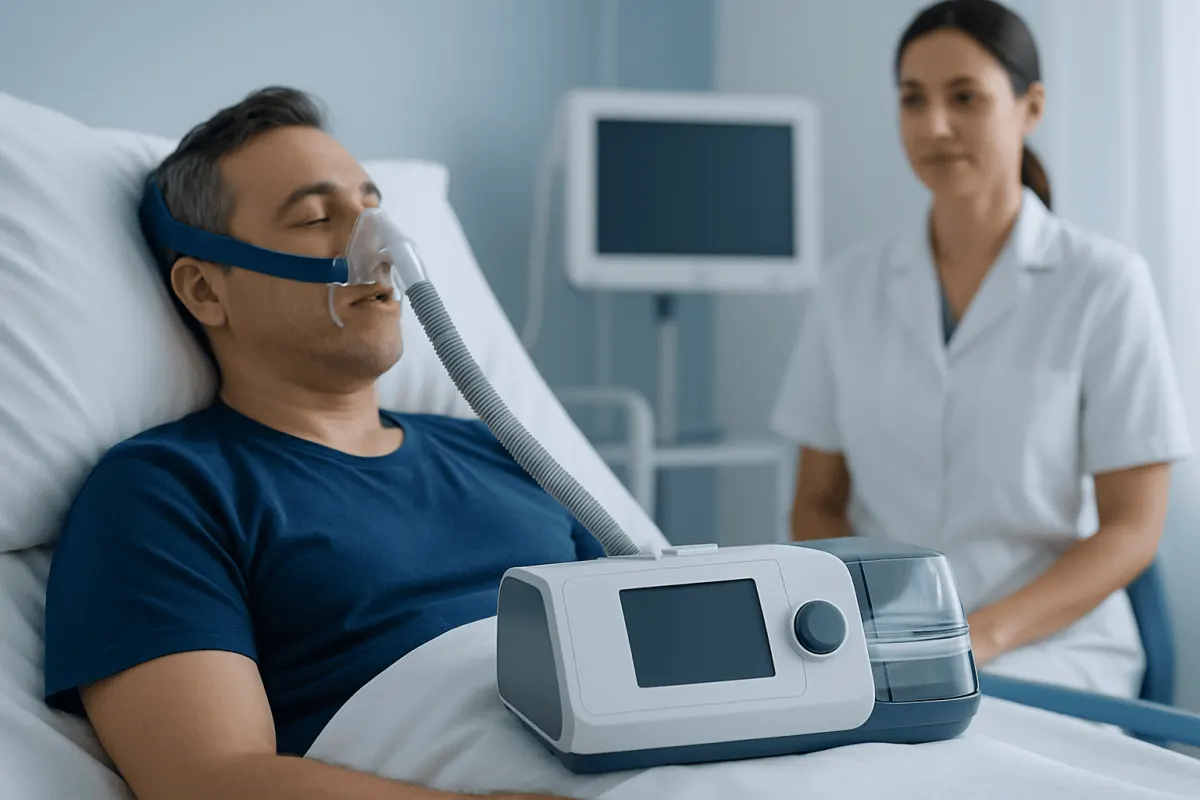
Continuous positive airway pressure (CPAP) uses gentle airflow through a mask to keep the airway open and is a well-established treatment for OSA. Mask fitting, humidification, and pressure adjustments can often improve comfort. For some people with mild to moderate OSA or difficulty using CPAP, a custom mandibular advancement device may be considered to bring the lower jaw forward during sleep.
Other options can include positional therapy, treatment of nasal or throat conditions, and surgery for carefully selected patients with structural airway concerns. Treatment should be individualized because the right approach depends on OSA severity, anatomy, symptoms, other health conditions, and personal preferences. Follow-up is important to confirm that treatment is working and to address ongoing symptoms.
When to seek medical care
Seek urgent medical advice if a person has severe sleepiness that makes driving or operating machinery unsafe, wakes with severe shortness of breath, has chest pain, faints, or experiences new neurological symptoms such as weakness or difficulty speaking. Emergency symptoms should be assessed promptly according to local emergency services guidance. These symptoms are not always caused by sleep apnea, but they should not be managed with home remedies alone.
A doctor or sleep specialist should assess loud frequent snoring accompanied by witnessed breathing pauses, gasping, choking, repeated nighttime waking, or persistent daytime fatigue. Evaluation is also especially important for people with high blood pressure, irregular heart rhythms, heart disease, stroke history, type 2 diabetes, obesity, or pregnancy-related sleep concerns.
Parents and caregivers should seek assessment for children who snore regularly, have pauses in breathing, sleep in unusual positions, breathe through the mouth persistently, have behavioral concerns, or struggle with daytime attention. Acıbadem Health Point’s multidisciplinary specialists and JCI-accredited hospitals diagnose and treat sleep-related breathing conditions for international patients, with care plans tailored after appropriate assessment.
Frequently asked questions
01Can natural remedies cure sleep apnea?
Natural remedies do not reliably cure sleep apnea. Lifestyle changes can reduce symptoms and may improve mild obstructive sleep apnea in some people, but a sleep assessment is needed to know whether breathing interruptions continue. Proven medical treatment may still be necessary.
02What is the best sleeping position for sleep apnea?
For many people with obstructive sleep apnea, sleeping on the side is better than sleeping on the back. This is most helpful when sleep apnea is position-dependent, meaning events occur mainly while lying supine. A sleep study can help determine whether positional therapy is likely to help.
03Will losing weight get rid of sleep apnea?
Weight loss can substantially improve obstructive sleep apnea in some adults with excess weight, but it does not resolve the condition for everyone. Airway anatomy, muscle tone, nasal obstruction, and other factors also play a role. People should continue prescribed treatment until a clinician confirms that it is no longer needed.
04Can nasal strips help with sleep apnea?
Nasal strips may make nasal breathing feel easier and can help some people who snore because of nasal congestion. However, they generally do not treat obstructive sleep apnea, which commonly involves collapse farther back in the throat. Persistent snoring or breathing pauses should be evaluated medically.
05Are sleep apnea supplements safe and effective?
No supplement has been shown to safely and reliably treat sleep apnea. Herbal products and sleep-promoting supplements may interact with medicines or worsen daytime drowsiness. It is sensible to discuss any supplement with a doctor or pharmacist, especially when taking regular medicines.
06When is CPAP needed for sleep apnea?
CPAP is often recommended for moderate to severe obstructive sleep apnea and for people with troublesome symptoms or certain related health risks. It may also be appropriate for mild OSA when symptoms are significant. A sleep clinician can explain the expected benefits and help make the equipment more comfortable to use.
This article is for general information only and is not a substitute for professional medical advice. Please consult a qualified doctor about your individual situation.
Explore treatments in Turkey — costs, top hospitals & a free quote
JCI-accredited · board-certified surgeons · reply within 24h
Add us as a Preferred Source to see more of our trusted health content across Google Search, AI Overviews and Discover.