Oxygen Concentrator: Uses, Types and How It Works
Key Takeaways
- An oxygen concentrator filters and concentrates oxygen from the surrounding air for medical use.
- It may be prescribed for chronic lung disease, recovery after certain illnesses, or other conditions that lower oxygen levels.
- Safe use matters: the device should be used exactly as instructed, especially around heat, flames, and cleaning routines.
- Symptoms such as worsening shortness of breath, confusion, or blue lips need prompt medical attention.
- The right oxygen setup depends on the person’s diagnosis, mobility needs, and travel or home environment.
An oxygen concentrator is a medical device that helps deliver extra oxygen to people whose blood oxygen levels are low. It can support breathing at home or during travel, but it should always be used under a doctor’s guidance.
Overview
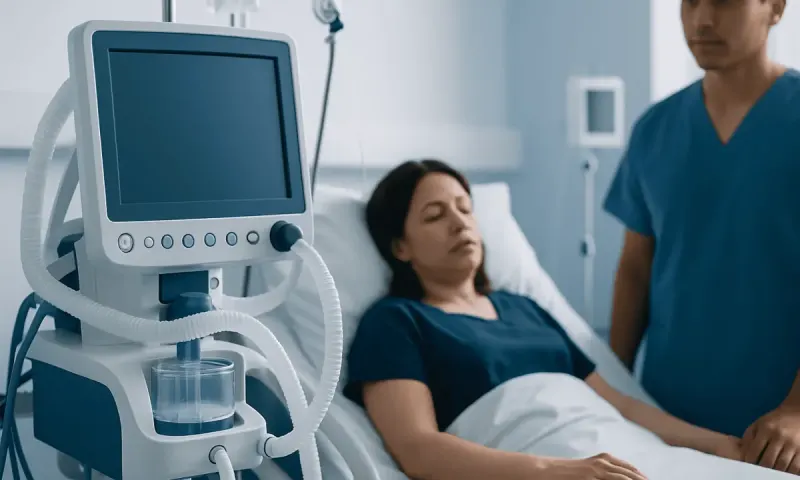
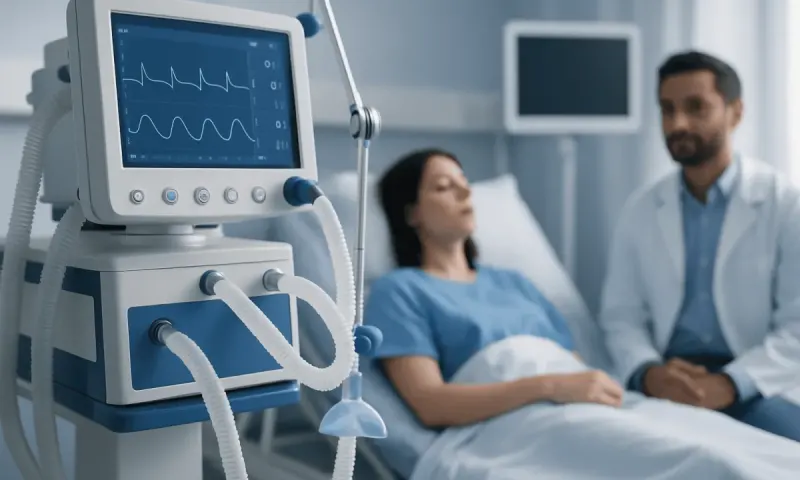
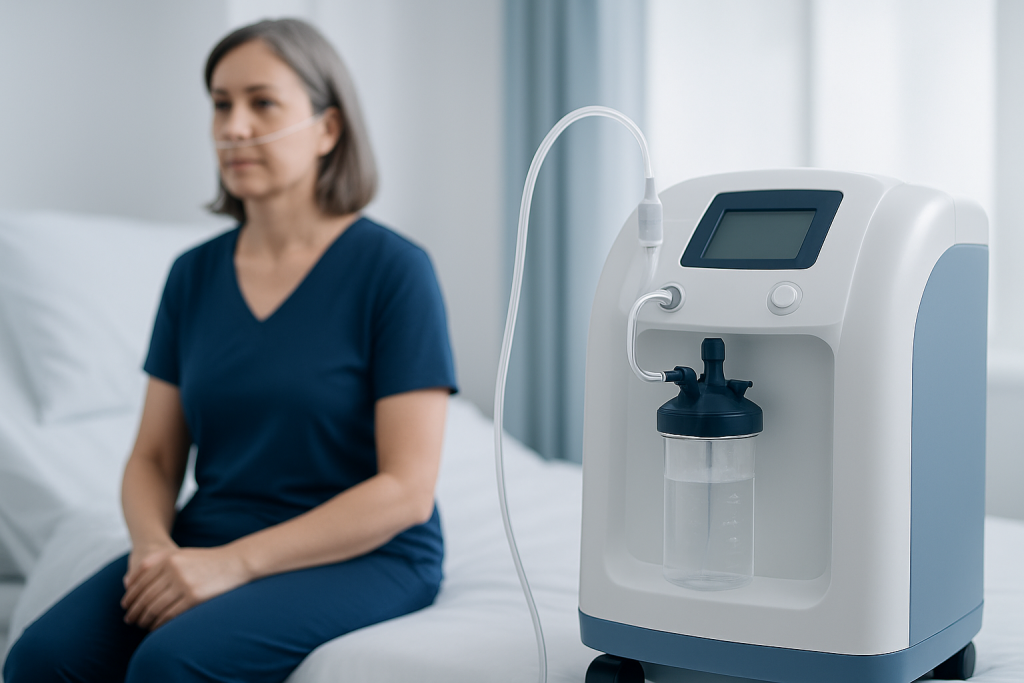
An oxygen concentrator is a device that takes in room air, removes much of the nitrogen, and delivers air with a higher oxygen concentration through a mask or nasal cannula. For people whose lungs or circulation cannot maintain adequate oxygen levels on their own, it can make daily breathing more manageable and help the body receive the oxygen it needs.
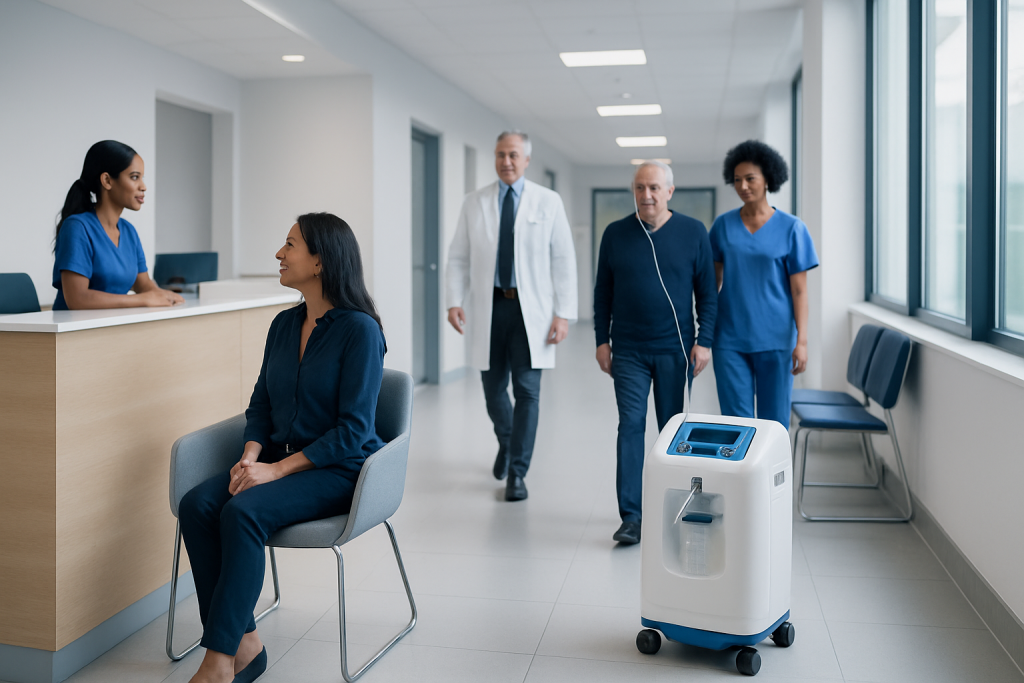
Unlike oxygen cylinders, which store oxygen in a tank, a concentrator works by drawing oxygen from the surrounding air. That difference can matter in everyday life: some patients use stationary units at home, while others benefit from portable models during appointments, family visits, or international travel when medically cleared to do so. The device choice is usually based on a doctor’s assessment, the person’s activity level, and how much oxygen is required at rest and on exertion.
For patients considering care in another country, the oxygen plan should be discussed well before travel. A physician can confirm whether a concentrator is appropriate, whether airline or hotel arrangements need extra planning, and whether follow-up care will be needed after the trip.
Symptoms
An oxygen concentrator is not used for ordinary tiredness or mild breathlessness from exertion. It is usually considered when a clinician finds that blood oxygen is lower than expected or when symptoms suggest the body is not getting enough oxygen.
People who may be evaluated for oxygen therapy often describe shortness of breath during everyday tasks, unusual fatigue, faster breathing, or reduced exercise tolerance. Some may notice headaches, trouble concentrating, restlessness, or waking unrefreshed. In more serious situations, the lips or fingertips may look bluish, and the person may seem confused or unusually drowsy.
- Shortness of breath at rest or with minimal activity
- Persistent fatigue or poor stamina
- Blue-tinged lips or nail beds
- Confusion, irritability, or difficulty focusing
- Worsening symptoms during sleep or movement
These symptoms can have many causes, including lung, heart, or blood conditions, so the device should never be started on guesswork alone. A proper medical evaluation helps determine whether oxygen is truly needed and how much is appropriate.
Causes & Risk Factors

Several health conditions can reduce the amount of oxygen that reaches the blood. Chronic obstructive pulmonary disease, advanced interstitial lung disease, severe asthma, pneumonia, sleep-related breathing problems, heart failure, and some neuromuscular disorders are among the situations in which oxygen support may be considered. Recovery after certain infections or surgeries can also temporarily lower oxygen levels.
Risk is higher in people with a history of smoking, long-standing lung disease, repeated chest infections, or limited physical reserve. Older adults may be more vulnerable because reserve in the heart and lungs naturally decreases over time. For some patients, the issue is not a lung disease alone but a combination of weak breathing mechanics, heart problems, and reduced mobility.
International patients sometimes arrive with fragmented records or incomplete testing from home. In those cases, doctors often need to review previous imaging, lung tests, medication lists, and oxygen measurements before recommending a concentrator or another therapy. That careful step avoids both under-treatment and unnecessary use.
Diagnosis
Before oxygen therapy is prescribed, a doctor usually confirms the problem with objective tests rather than symptoms alone. The simplest check is pulse oximetry, which estimates oxygen saturation using a small sensor on the finger or earlobe. In some cases, an arterial blood gas test is needed for a more detailed look at oxygen and carbon dioxide levels.
Additional investigations may be used to find the underlying cause. These can include chest X-rays, CT scans, spirometry, sleep studies, ECGs, or echocardiography depending on the suspected condition. The goal is not only to decide whether oxygen is needed, but also to understand why oxygen levels are low in the first place.
Doctors may also assess oxygen during walking or other activity, because some people breathe adequately at rest but desaturate when moving. For travelers, this matters: a patient may feel well in the clinic, yet still need a different plan for flights, hills, or longer sightseeing days.
Treatment Options
An oxygen concentrator may be prescribed when a person needs a steady supply of oxygen and a clinician believes it is suitable for home or portable use. The device is connected to a nasal cannula or mask, and the oxygen flow is set according to the medical prescription. Some people use it only during sleep or activity, while others need it for many hours a day.
Treatment is not limited to the machine itself. The underlying condition must also be managed, which may include inhaled medicines, antibiotics, diuretics, pulmonary rehabilitation, sleep therapy, or other condition-specific care. In some situations, the doctor may recommend a different oxygen delivery system, such as compressed oxygen cylinders, liquid oxygen, or a higher-level respiratory support device.
When mobility matters, portable oxygen concentrators can offer more freedom, but they are not identical to every home model and may have limits on battery life or oxygen output. The right option depends on medical need, activity patterns, and whether the patient will be staying locally or returning home after treatment.
Prevention & Self-care
Not every cause of low oxygen can be prevented, but good self-care can reduce strain on the lungs and support safer oxygen use. People who have been prescribed a concentrator should follow their care plan closely, keep all follow-up visits, and report changes in symptoms rather than adjusting oxygen on their own.
Basic safety is essential. Oxygen should be kept away from flames, smoking, sparking devices, and heat sources. The device should be placed where airflow is not blocked, tubing should be checked for wear, and filters should be cleaned or replaced as instructed by the manufacturer or care team.
- Do not smoke or allow smoking near oxygen equipment
- Keep the device away from candles, gas stoves, and heaters
- Do not use oils or petroleum-based products near oxygen
- Inspect tubing and connections regularly
- Follow the prescribed flow rate unless a clinician advises otherwise
For patients recovering abroad, it is wise to leave the clinic with written instructions, contact details, and a clear plan for follow-up in their home country. That continuity helps avoid confusion about equipment, replacement parts, or when the therapy should be reassessed.
When to See a Doctor
Medical advice is important before starting or changing oxygen therapy, and it becomes urgent if breathing suddenly worsens. A doctor should review any new shortness of breath, falling oxygen readings, or trouble performing routine activities, especially if the person already has lung or heart disease.
Prompt evaluation is also needed if a person on oxygen develops confusion, chest pain, severe drowsiness, bluish discoloration, or an inability to speak in full sentences. These signs may indicate a serious problem that needs immediate treatment, not just a device adjustment.
Patients who plan to travel for care should discuss oxygen needs before departure and again before returning home. Acibadem Health Point’s multidisciplinary specialists and JCI-accredited hospitals can diagnose and treat oxygen-related conditions for international patients, helping coordinate care from assessment through follow-up in a clear and organized way.
Practical Questions for Patients and Families
People often want to know how an oxygen concentrator fits into ordinary life. Many can continue reading, light household tasks, and some forms of work while using it, but comfort and safety vary by diagnosis and the amount of oxygen required. The best routine is the one the treating team approves and the patient can sustain consistently.
Travel, sleep, and exercise are common points of confusion. A portable unit may be helpful for short outings, but not every device is approved for every flight or every oxygen prescription. Likewise, nighttime oxygen needs can be different from daytime needs, so a plan that works at the clinic may need adjustment after sleep testing or walking assessment.
Families can help by learning how the device works, confirming backup plans for power interruptions, and keeping emergency numbers accessible. When questions arise, the safest step is to contact the care team rather than improvising settings or borrowing equipment from someone else.
Frequently asked questions
01What does an oxygen concentrator do?
An oxygen concentrator pulls in room air and delivers oxygen-enriched air for medical use. It is commonly prescribed for people whose oxygen levels are too low because of lung, heart, or sleep-related conditions.
02Is an oxygen concentrator the same as an oxygen tank?
No. An oxygen tank stores oxygen in a cylinder, while a concentrator produces oxygen-rich air from the surrounding environment. The choice depends on medical needs, mobility, and practical use at home or while traveling.
03Can a person use an oxygen concentrator without a prescription?
It is not wise to start oxygen on one’s own. A doctor should confirm whether oxygen is needed, how much should be used, and whether the device is appropriate for the person’s condition.
04Is it safe to sleep with an oxygen concentrator?
It can be safe when prescribed and used correctly. The doctor may order oxygen specifically for nighttime use, especially if oxygen levels drop during sleep.
05What should be done if oxygen levels seem lower than usual?
The person should contact a doctor or seek urgent medical help if the drop is significant or accompanied by worsening symptoms. The cause may be the illness itself, a device issue, or another new problem that needs assessment.
06Can portable oxygen concentrators be used for travel?
Some portable concentrators can be used for travel, but rules vary by airline, destination, and device type. Planning should begin early so the medical team can confirm suitability and provide the necessary documentation.
This article is for general information only and is not a substitute for professional medical advice. Please consult a qualified doctor about your individual situation.
Explore treatments in Turkey — costs, top hospitals & a free quote
JCI-accredited · board-certified surgeons · reply within 24h
Add us as a Preferred Source to see more of our trusted health content across Google Search, AI Overviews and Discover.