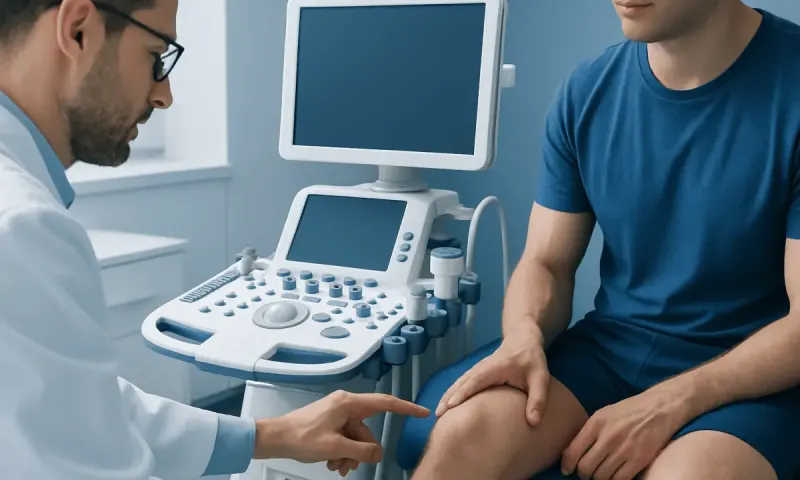
SLAP Tear: Symptoms, Causes and Treatment

Key Takeaways
- A SLAP tear affects the superior labrum, often where the biceps tendon attaches.
- Pain may be felt deep in the shoulder and worsen with lifting, throwing, or reaching overhead.
- Diagnosis usually combines a physical exam with imaging, and sometimes arthroscopy is needed to confirm the injury.
- Treatment may include rest, activity changes, physical therapy, medicines, or surgery depending on the tear and symptoms.
- Recovery is often gradual, and returning to sport or heavy work usually requires a structured rehabilitation plan.
A SLAP tear is an injury to the top part of the shoulder labrum, the ring of cartilage that helps stabilize the joint. It can cause pain, clicking, weakness, and trouble with overhead movement, especially in active adults and athletes.
Overview
A SLAP tear is a specific type of shoulder labrum injury. The labrum is a rim of cartilage that deepens the socket of the shoulder joint, helping the ball of the upper arm bone stay centered and move smoothly.
“SLAP” stands for superior labrum anterior and posterior. In simple terms, the tear involves the upper part of the labrum, often near the attachment point of the biceps tendon. Because this area helps the shoulder stay stable during reaching, lifting, and throwing, symptoms can be noticeable in active people, manual workers, and anyone who uses repeated overhead motion.
Not every shoulder pain pattern means a SLAP tear. Many other conditions can feel similar, including rotator cuff irritation, tendon inflammation, frozen shoulder, or arthritis. A careful evaluation helps sort out the cause and guide the right treatment.
Symptoms
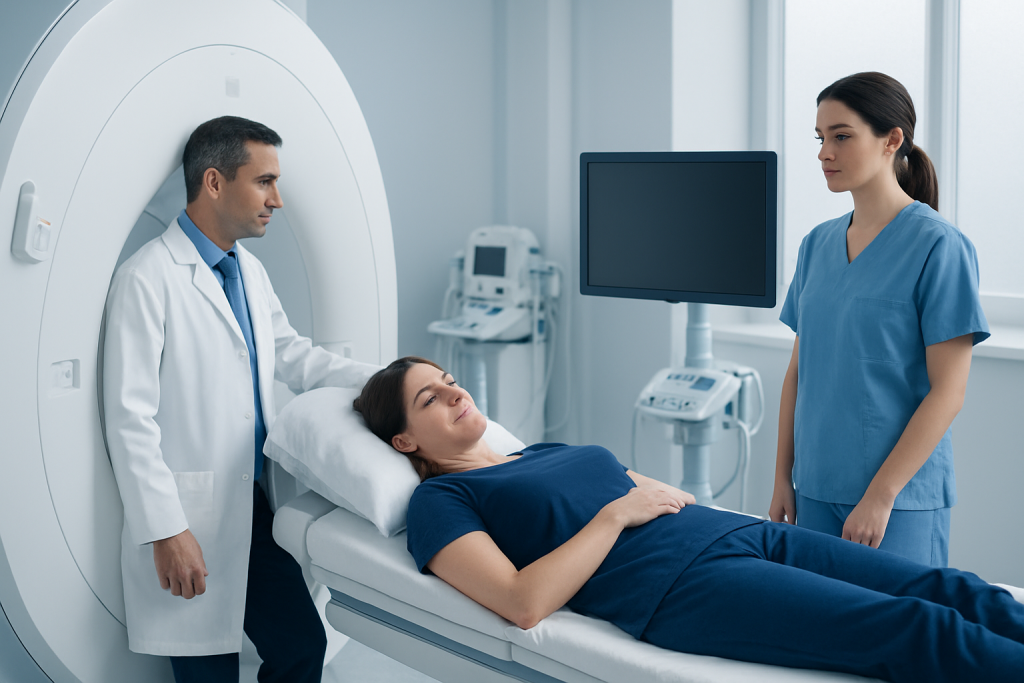
Symptoms can be subtle at first, and some people describe a deep, hard-to-pinpoint pain rather than a sharp injury sensation. Others notice the problem after a fall, heavy lift, or forceful pull on the arm.
Common signs include:
- Pain deep inside the shoulder, especially with overhead activity
- Clicking, popping, or a catching sensation
- Weakness when lifting, throwing, or pushing
- Pain when reaching behind the back or across the body
- A feeling that the shoulder is not moving smoothly
- Pain that worsens after sport or repetitive use
In some cases, the shoulder may feel unstable, though true dislocation is not typical with an isolated SLAP tear. For international patients trying to decide whether to travel for care, a useful clue is whether the pain keeps returning despite rest or limits work, sport, or daily tasks in a consistent way.
Causes & Risk Factors
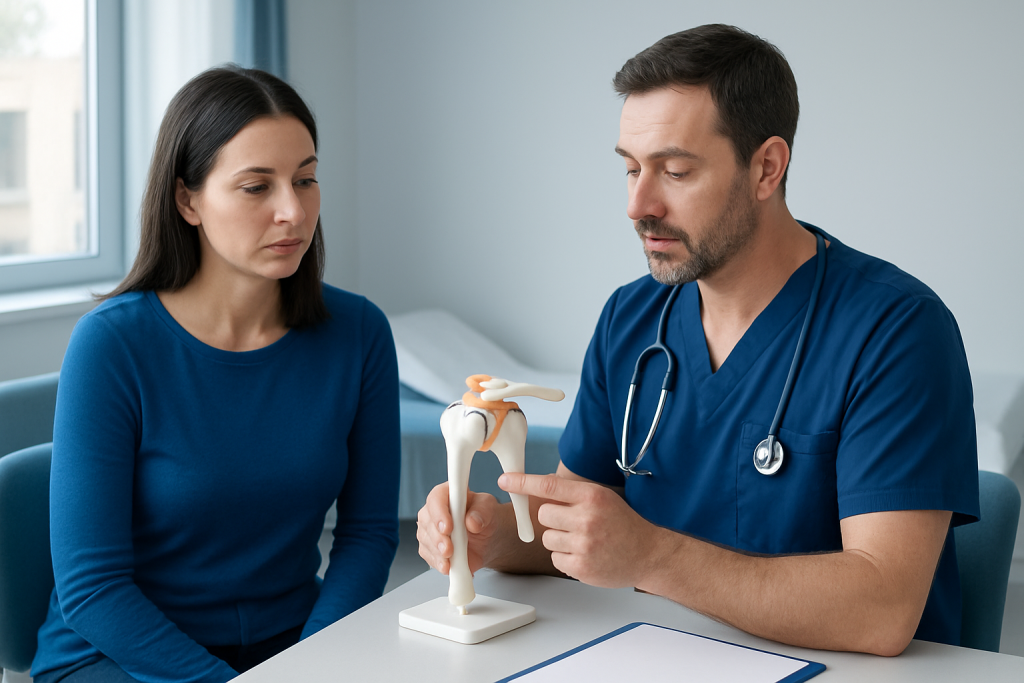
SLAP tears can result from a single injury or from repeated stress over time. A fall onto an outstretched arm, sudden traction on the arm, or a forceful overhead movement may tear the superior labrum.
Repetitive overhead sports are a well-known risk factor, especially baseball pitching, tennis, volleyball, swimming, and weight training with frequent pressing or pulling motions. Occupations that involve lifting, reaching, carrying, or working above shoulder height may also place extra strain on the labrum.
Other factors that can increase risk include:
- Age-related wear in the shoulder
- Previous shoulder injury or instability
- Poor shoulder mechanics or muscle imbalance
- High-volume overhead training without enough recovery
It is also important to remember that some labral findings on imaging can be incidental, especially in older adults. A tear on a scan only matters if it matches the person’s symptoms and physical exam findings.
Diagnosis
Diagnosis begins with a detailed conversation about how the pain started, what movements aggravate it, and whether there are mechanical symptoms such as clicking or catching. The clinician will usually compare both shoulders and check strength, range of motion, and stability.
Physical examination tests can suggest a labral injury, but they are not perfect on their own. Many shoulder problems overlap, so doctors often look for a pattern rather than one single finding.
Imaging may include:
- X-rays to look for bone changes or other causes of pain
- MRI to evaluate soft tissues such as the labrum and rotator cuff
- MRA in some cases, when contrast is used to better outline labral tears
Occasionally, a diagnosis is confirmed during arthroscopy, a minimally invasive procedure that lets the surgeon look inside the joint directly. This is usually considered when symptoms persist or when surgery is already being planned.
Treatment Options
Treatment depends on the type of tear, the person’s age, activity level, and how much the shoulder limits daily life. Many people start with non-surgical care, especially if the shoulder remains stable and pain can be managed.
Conservative treatment may include rest from aggravating activities, short-term use of anti-inflammatory medicines if appropriate, and a focused physical therapy program. Therapy usually aims to improve shoulder blade control, rotator cuff strength, posture, and movement mechanics so the joint is less stressed.
When symptoms continue despite rehabilitation, or when the tear is clearly affecting sports or work, surgery may be discussed. Surgical options can include:
- Arthroscopic repair of the torn labrum
- Debridement, which trims unstable tissue in selected cases
- Biceps tenodesis or related procedures when the biceps anchor is a major pain source, especially in some adults
Recovery plans vary. After surgery, the shoulder is usually protected for a period of time, followed by gradual physical therapy. Returning to sport or demanding work is typically stepwise rather than immediate, and it is important not to rush the process.
Prevention & Self-care
Not every SLAP tear can be prevented, especially after trauma. Still, many people can lower shoulder strain by paying attention to technique, workload, and recovery.
Practical self-care steps include:
- Warm up before sports or lifting
- Build shoulder and upper back strength gradually
- Avoid increasing training volume too quickly
- Use good form for overhead exercise and throwing mechanics
- Take breaks when pain begins to build
- Use ice after flare-ups if advised by a clinician
For someone recovering at home or traveling internationally for treatment, consistency matters. Following the rehabilitation plan, keeping appointments, and communicating any increase in pain or loss of motion can help the care team adjust treatment safely. If exercises are being done away from the treating hospital, written instructions and video guidance can be especially helpful.
When to See a Doctor
Medical evaluation is a good idea when shoulder pain lasts more than a short period, keeps returning, or interferes with sleep, work, driving, dressing, or sport. A doctor should also assess the shoulder if there was a clear injury followed by weakness, a popping sensation, or a feeling that the joint is unstable.
Prompt review is especially important if the arm cannot be lifted normally, if pain is severe after trauma, or if numbness, marked swelling, or visible deformity is present. These features may point to a different problem that needs quicker attention.
For patients considering travel for care, it is sensible to seek an orthopedic opinion before the problem becomes long-standing. Acibadem Health Point’s multidisciplinary specialists and JCI-accredited hospitals diagnose and treat shoulder conditions such as SLAP tears for international patients, with coordinated planning that can help organize imaging, consultation, and follow-up.
Recovery and Outlook
Many people improve with non-surgical treatment, especially when the tear is small or when symptoms are driven partly by inflammation and muscle imbalance. Others need surgery to restore shoulder function or reduce persistent pain.
Recovery is shaped by the person’s goals. A recreational gym user, a competitive thrower, and someone whose job requires heavy lifting may all need different timelines and rehab priorities. What they share is the need for patience and good communication with the treatment team.
After treatment, improvement often comes in stages: pain settles first, then motion returns, then strength and confidence rebuild. If recovery is slower than expected, follow-up matters because the diagnosis may need to be revisited or the rehabilitation plan adjusted.
Frequently asked questions
01What exactly is a SLAP tear?
A SLAP tear is a tear in the top part of the shoulder labrum, the cartilage ring that helps stabilize the shoulder joint. It often involves the area where the biceps tendon attaches to the labrum.
02Can a SLAP tear heal without surgery?
Some people improve with rest, activity modification, and physical therapy. Whether surgery is needed depends on the severity of the tear, the person’s symptoms, and how well the shoulder responds to rehabilitation.
03Does a SLAP tear always cause a lot of pain?
No. Symptoms can range from mild discomfort to more persistent pain and mechanical catching. In some people, the main issue is weakness or difficulty with overhead activity rather than severe pain.
04How is a SLAP tear different from a rotator cuff injury?
A SLAP tear affects the labrum, while a rotator cuff injury affects the tendons and muscles that move the shoulder. The two problems can feel similar, which is why exam and imaging are often needed to tell them apart.
05Is MRI always enough to diagnose a SLAP tear?
MRI can be very helpful, but it does not always show the tear clearly, and some findings may not explain the symptoms. Doctors combine imaging with the history and physical exam, and sometimes arthroscopy is needed for confirmation.
06How long does recovery take after treatment?
Recovery varies widely depending on whether treatment is non-surgical or surgical, and on the demands of the patient’s sport or job. A rehabilitation plan is usually gradual, with return to full activity happening only after strength and motion are restored.
This article is for general information only and is not a substitute for professional medical advice. Please consult a qualified doctor about your individual situation.
Joint and spine care in Turkey — expert assessment & treatment
JCI-accredited · board-certified surgeons · reply within 24h
Add us as a Preferred Source to see more of our trusted health content across Google Search, AI Overviews and Discover.