Sinus Cancer Symptoms, Diagnosis, Outlook, and Treatment
Sinus cancer symptoms can resemble common sinus conditions at first, but persistent one-sided nasal blockage, repeated nosebleeds, facial numbness, or eye symptoms should be assessed by a doctor. Diagnosis usually requires imaging and a biopsy, and treatment is planned according to the tumor type, location, and stage.
Sinus cancer symptoms: an answer-first overview
Sinus cancer symptoms may include a blocked nose that does not settle, recurrent nosebleeds, reduced sense of smell, facial pain or numbness, swelling around the eye, or changes in vision. These symptoms are much more often caused by noncancerous conditions such as allergies, infection, chronic sinus inflammation, or nasal polyps, but symptoms that are persistent, progressive, or mainly on one side should be checked.
Sinus cancer refers to cancers that begin in the nasal cavity or paranasal sinuses, the air-filled spaces around the nose. These cancers are uncommon, and several different tumor types can occur. The most common is squamous cell carcinoma, but other types include adenocarcinoma, salivary gland-type cancers, melanoma, lymphoma, and sarcoma.
The symptoms and treatment plan depend partly on where the tumor begins. A tumor in the nasal cavity may cause obstruction or bleeding early, while tumors in deeper sinus spaces may remain unnoticed until they affect nearby structures such as the eye socket, nerves, palate, or skull base.
Common symptoms and signs of sinus cancer
Many early symptoms overlap with everyday nose and sinus complaints. The important distinction is that cancer-related symptoms are more likely to persist despite usual treatment, steadily worsen, or affect one side of the face or nose more than the other.
- Persistent blockage or congestion in one nostril
- Frequent or unexplained nosebleeds
- A lump, sore, or thickening inside the nose
- Reduced sense of smell or altered nasal discharge
- Facial pressure, pain, tingling, or numbness
- Loose upper teeth, pain in the upper jaw, or poorly fitting dentures
- Swelling of the cheek, nose, or roof of the mouth
- Watery eye, double vision, eye bulging, or reduced vision
- Headache, ear pressure, or enlarged lymph nodes in the neck
Symptoms affecting the eyes, such as double vision, a bulging eye, or a change in vision, require prompt medical assessment. They do not always mean cancer, but they can indicate that a problem in the sinus area is affecting the tissues around the eye.
What are the symptoms of stage 1 nasal cancer?
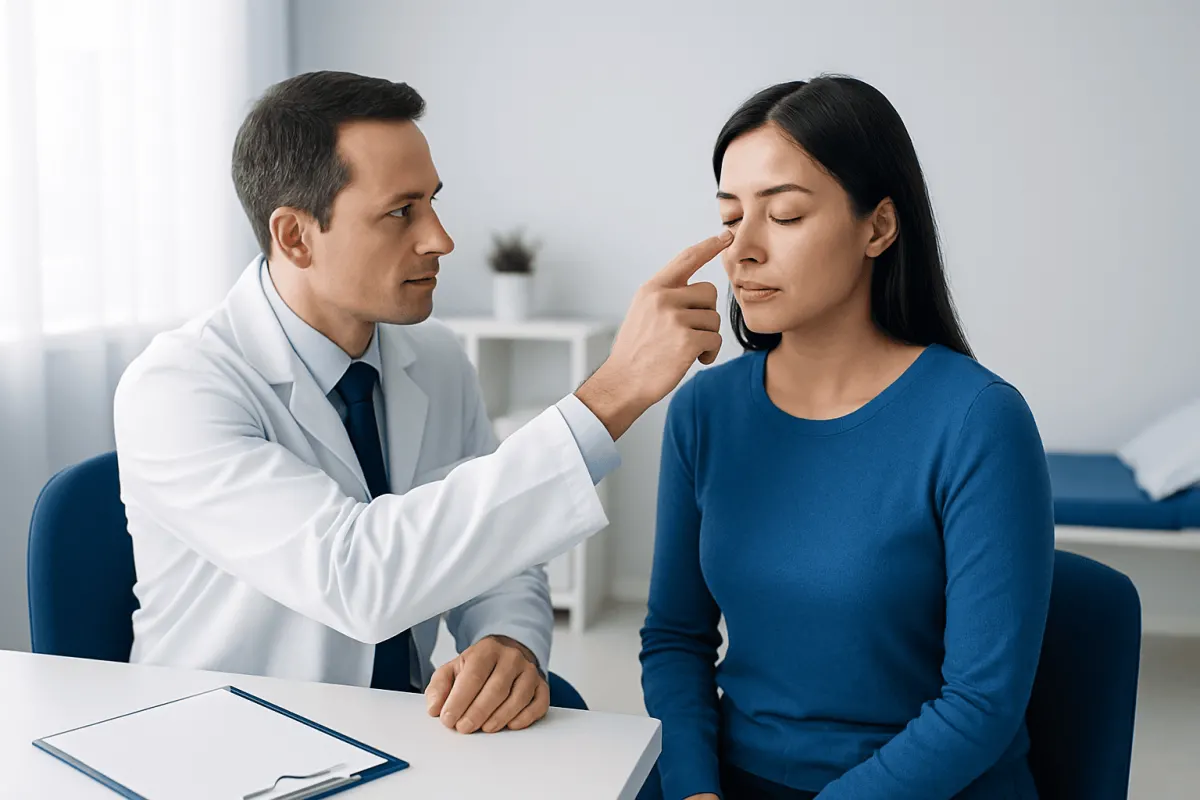
Stage 1 nasal cancer is generally a small tumor limited to the area where it began, without spread to lymph nodes or distant parts of the body. Because it is localized, symptoms can be subtle or absent. Some people notice persistent one-sided stuffiness, minor repeated nosebleeds, a small nasal lump, crusting, or a reduced sense of smell.
Stage 1 disease cannot be identified from symptoms alone. Staging depends on the exact site of origin, the tumor’s size and local extent, imaging findings, and biopsy results. A person with mild symptoms may have a noncancerous condition, while a more advanced tumor may cause relatively little discomfort at first depending on its location.
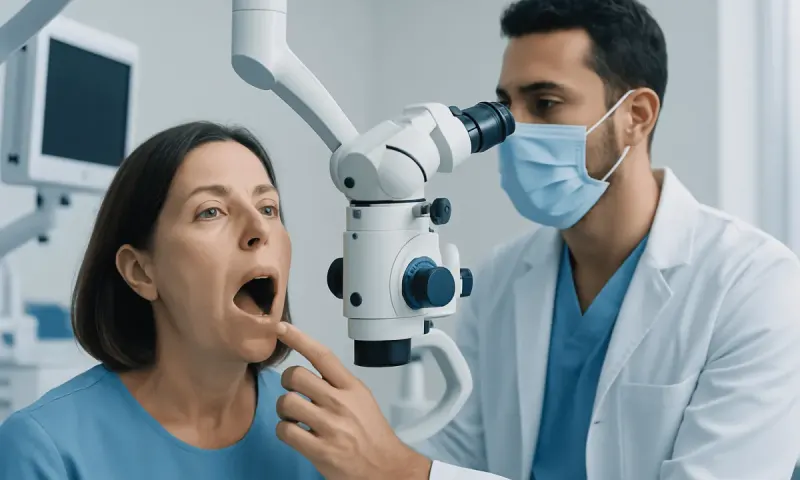
A clinician may examine the nose with a thin flexible camera called a nasal endoscope. If an unusual area is seen, imaging and a tissue sample may be recommended rather than assuming the symptoms are due to a routine sinus infection.
Can you have a tumor in your sinuses?
Yes. A tumor can develop in the nasal cavity or in any of the paranasal sinuses, including the maxillary sinuses beneath the cheeks, the ethmoid sinuses between the eyes, the frontal sinuses above the eyes, and the sphenoid sinuses deeper behind the nose. Not every sinus tumor is cancerous.
Benign growths, inflammatory polyps, cysts, and fungal disease can also create a mass-like appearance or cause blockage. Even when a mass is found on a scan, its nature cannot be confirmed by imaging alone. A biopsy is usually needed to determine whether it is benign, malignant, or related to inflammation or infection.
Doctors consider the location, appearance, symptoms, and imaging features when deciding on the next steps. Some lesions can be approached through the nostrils using endoscopic techniques, while others need a different surgical route because of their position near the eye, brain, or major blood vessels.
Causes, risk factors, and diagnosis
In many individuals, there is no single identifiable cause of sinus cancer. Tobacco use is a recognized risk factor for some nasal and sinus cancers. Long-term workplace exposure to wood dust, leather dust, nickel compounds, chromium compounds, and certain industrial chemicals may also raise risk for particular tumor types. Previous radiation treatment to the head and neck and some viral infections are associated with selected cancers, although most exposed people do not develop sinus cancer.
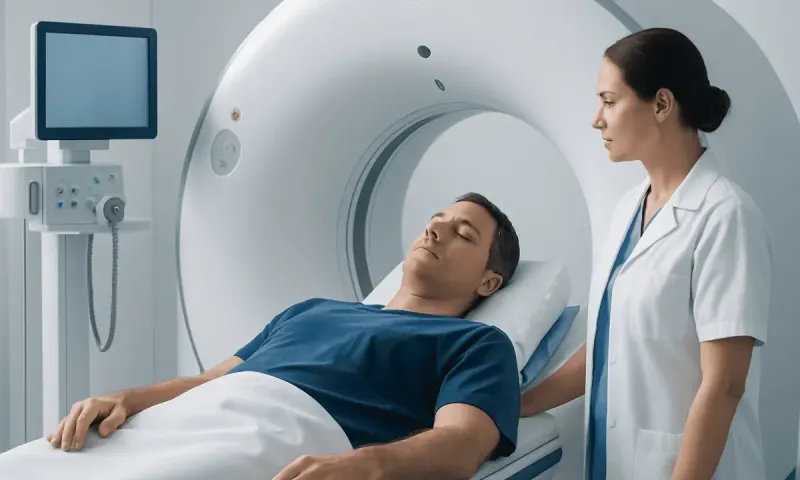
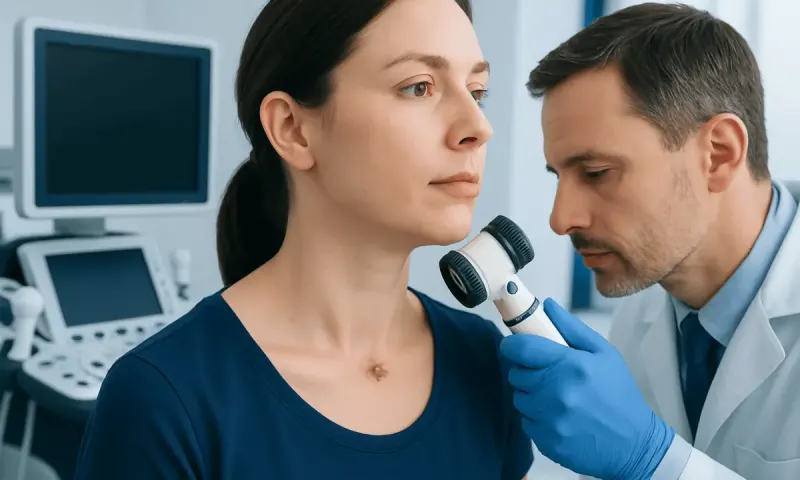
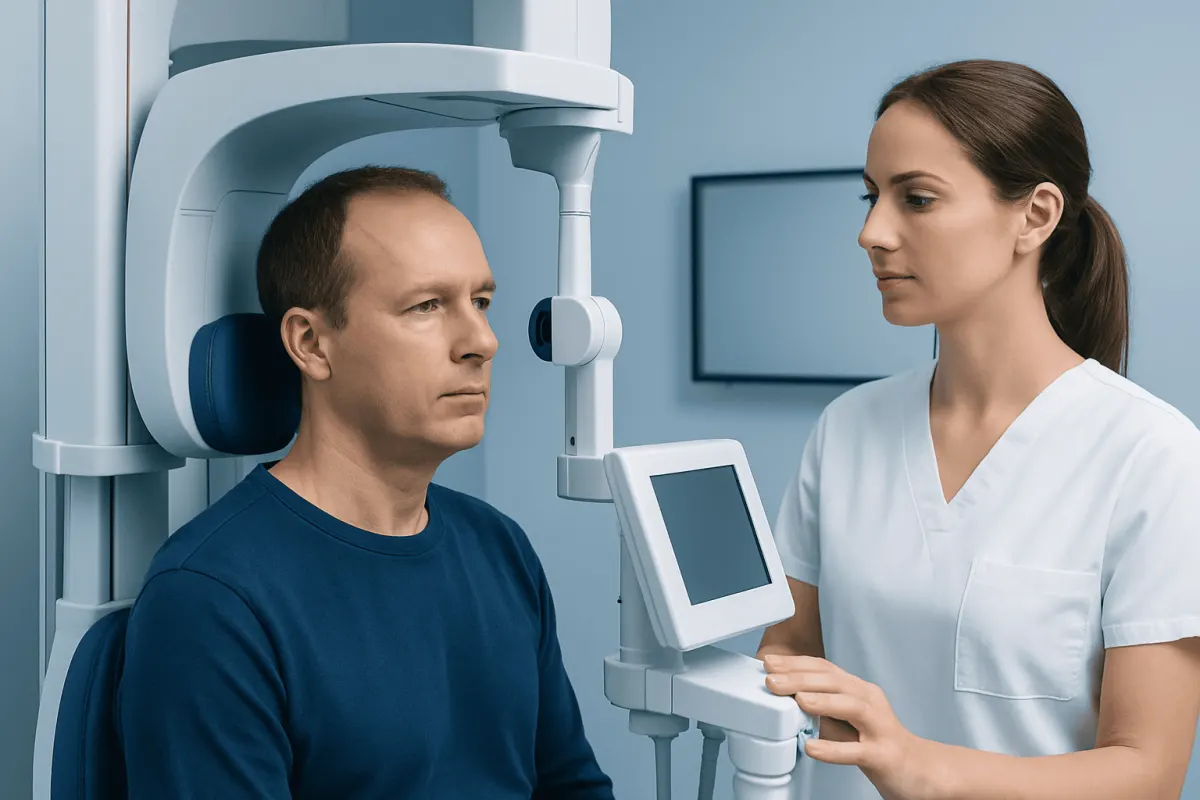
Diagnosis begins with a medical history and examination of the nose, mouth, face, eyes, and neck. An ear, nose, and throat specialist may perform nasal endoscopy to inspect areas that cannot be seen from outside the nose. CT scanning can show bone involvement and the anatomy of the sinuses, while MRI can provide detailed information about soft tissues, nerves, the eye socket, and the skull base.
A biopsy is essential for diagnosis. A pathologist examines the sample to identify the precise tumor type, which directly influences treatment recommendations. Once cancer is confirmed, imaging of the neck and sometimes the chest or whole body may be used to determine stage and check for spread.
Modern treatment approaches for sinus cancer
Treatment is individualized and should be discussed by a multidisciplinary team that may include head and neck surgeons, ENT specialists, medical oncologists, radiation oncologists, radiologists, pathologists, ophthalmology specialists, dentists, speech and swallowing therapists, and supportive-care professionals. The best approach depends on the tumor type, site, stage, whether nearby structures are involved, and the person’s general health and preferences.
Surgery is often used for localized cancers when the tumor can be removed safely. In selected cases, surgeons can use minimally invasive endoscopic surgery through the nostrils. More extensive tumors may require open surgery or reconstruction to restore appearance and function. Robotic surgery may be considered in carefully selected head and neck cases, depending on tumor location and surgical access.
Radiation therapy may be used after surgery to lower the risk of local recurrence, as the main treatment when surgery is not appropriate, or alongside chemotherapy for some advanced cancers. Radiotherapy is planned precisely to target the tumor while protecting nearby structures as much as possible. Chemotherapy, targeted medicines, or immunotherapy may be used for certain tumor types, recurrent disease, or cancer that has spread; chemotherapy treatment can be given with radiation or as part of systemic treatment when clinically appropriate.
Supportive care is an important part of treatment. It can address pain, nasal symptoms, nutrition, dental health, vision concerns, speech or swallowing difficulties, fatigue, and emotional wellbeing throughout diagnosis, treatment, and recovery.
What is the life expectancy for someone with stage 4 sinus cancer?
There is no single life expectancy for stage 4 sinus cancer. Stage 4 includes a broad range of situations, such as a tumor that has grown into nearby important structures, cancer that has spread to lymph nodes, or cancer that has spread to distant organs. The outlook can therefore differ substantially from one person to another.
Prognosis is influenced by the exact cancer type, where it began, the extent of local involvement, whether distant spread is present, whether complete treatment is possible, and how the cancer responds. Age, overall health, and access to experienced multidisciplinary care also affect cancer Treatment Options: Surgery, Chemo, Radiation & Beyond" class="ahp-ilk">treatment options and recovery.
Doctors may discuss prognosis using information from imaging, pathology, staging, and treatment response rather than relying on broad averages. Even with advanced disease, treatment may aim to control the cancer, relieve symptoms, preserve function, and in some cases achieve long-term remission. An oncology team can provide the most meaningful individual explanation after completing the assessment.
Can sinus cancer come back?
Yes. Sinus cancer can come back after treatment, which is called recurrence. It may return at or near the original site, in nearby lymph nodes, or less commonly in another part of the body. The likelihood of recurrence varies according to tumor type, stage, surgical margins, response to radiation or systemic therapy, and other pathology findings.
Regular follow-up appointments are important after treatment because recurrence may be detected before it causes major symptoms. Follow-up often includes symptom review, physical examination, nasal endoscopy when appropriate, and imaging at intervals chosen by the care team. The schedule is usually more frequent during the first years after treatment and becomes less frequent over time.
New persistent congestion, bleeding, facial pain, numbness, swelling, changes in vision, a neck lump, or unexplained weight loss should be reported promptly rather than waiting for the next planned appointment. If recurrence occurs, treatment options may include surgery, radiation in selected circumstances, systemic therapy, clinical trials, or symptom-focused supportive care.
When to seek medical care
Medical care should be sought if nasal or sinus symptoms last more than a few weeks, do not improve as expected, keep returning, or are clearly worse on one side. A clinician should also assess recurrent unexplained nosebleeds, a visible nasal lump, facial swelling, numbness, persistent upper tooth symptoms, or a neck lump.
Urgent assessment is appropriate for new double vision, loss or marked change of vision, severe swelling around an eye, confusion, weakness, or severe headache with other concerning neurological symptoms. These signs may have causes other than cancer, but they should not be managed with self-care alone.
There is no proven screening test for sinus cancer in people without symptoms. Avoiding tobacco and using appropriate protective equipment around occupational dusts and chemicals can help reduce risk. Acıbadem Health Point’s multidisciplinary specialists and JCI-accredited hospitals evaluate and treat nasal and sinus cancers for international patients, with care planned around the individual diagnosis.
Frequently asked questions
01Are sinus cancer symptoms different from sinusitis?
They can overlap, especially early on. Sinusitis commonly causes congestion, pressure, and discharge, while sinus cancer is more likely to cause symptoms that persist or worsen, occur mainly on one side, or include recurrent bleeding, facial numbness, a lump, or eye changes. Only a clinical assessment and, when needed, imaging and biopsy can distinguish the causes.
02How is sinus cancer diagnosed?
Diagnosis usually involves an examination by an ENT specialist, often with nasal endoscopy. CT or MRI scans help define the size and location of an abnormal area, but a biopsy is needed to confirm cancer and identify the exact tumor type. Additional scans may be used for staging after diagnosis.
03Is sinus cancer curable?
Some sinus cancers can be treated with curative intent, particularly when they are localized and can be fully treated with surgery, radiation therapy, or both. Whether cure is possible depends on the tumor type, stage, location, and response to treatment. The treating oncology team can explain the goals of treatment for an individual situation.
04Does sinus cancer always cause nosebleeds?
No. Nosebleeds can occur, especially with tumors in the nasal cavity, but many people with sinus cancer do not have them. Other possible symptoms include persistent one-sided nasal blockage, facial discomfort, numbness, tooth symptoms, or eye changes. Most nosebleeds are caused by noncancerous problems.
05Can a sinus CT scan detect cancer?
A CT scan can identify an abnormal mass, show its relationship to the sinus walls and nearby structures, and help guide further evaluation. However, it cannot reliably determine whether a mass is cancerous. A biopsy is generally required for a definite diagnosis.
06What follow-up is needed after sinus cancer treatment?
Follow-up typically includes regular visits with the treating team, symptom review, examination of the nose and neck, and nasal endoscopy when appropriate. Imaging may also be scheduled based on the cancer type and treatment received. Ongoing follow-up helps monitor recovery, manage treatment effects, and detect recurrence early.
This article is for general information only and is not a substitute for professional medical advice. Please consult a qualified doctor about your individual situation.
Oncology care in Turkey — second opinion and treatment plan
JCI-accredited · board-certified surgeons · reply within 24h
Add us as a Preferred Source to see more of our trusted health content across Google Search, AI Overviews and Discover.