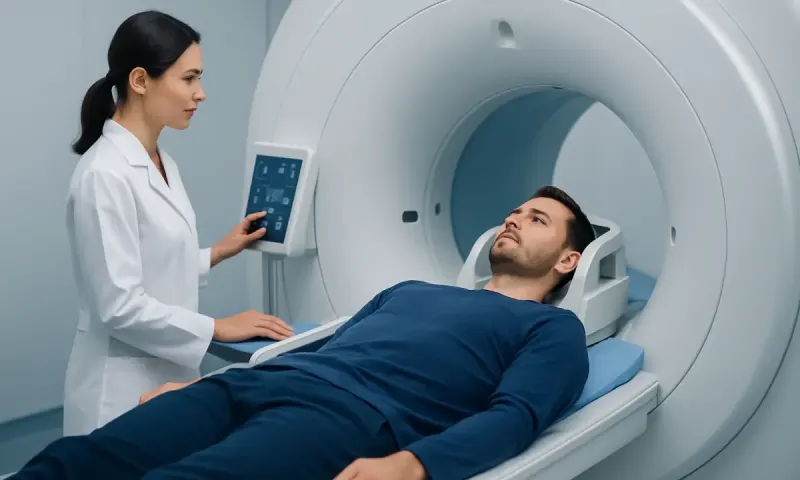
Signs of a Spinal Tumor and Today’s Treatment Options

A sign of spinal tumor can be persistent or worsening back or neck pain, especially when accompanied by numbness, weakness, walking difficulty, or changes in bladder or bowel control. These symptoms have many more common causes, but timely medical assessment is important because pressure on the spinal cord or nerves may need urgent treatment.
Overview: What Can Be a Sign of Spinal Tumor?
A sign of spinal tumor may be back or neck pain that persists, gradually worsens, wakes a person from sleep, or is not explained by a strain or injury. A tumor can also affect the spinal cord or nearby nerve roots, causing numbness, tingling, weakness, poor balance, or changes in bladder or bowel function. Although spinal tumors are uncommon, these symptoms should be assessed promptly when they are progressive or occur together.
A spinal tumor is an abnormal growth located in or around the spinal column. It may be benign, meaning non-cancerous, or malignant, meaning cancerous. Some begin in tissues of the spine or spinal cord; others are metastatic tumors that have spread to the spine from cancer elsewhere in the body. A tumor can still require treatment even when benign if it presses on important nerves or makes the spine unstable.
Spinal symptoms are much more often caused by conditions such as muscle strain, disc problems, arthritis, or spinal narrowing. However, clinicians take possible spinal cord compression seriously because early diagnosis and treatment can help preserve movement, sensation, and independence.
What Are the Symptoms of a Mass in the Spine?
The symptoms of a mass in the spine vary according to its size and exact location. Some masses are found incidentally before they cause symptoms. Others produce pain first, followed by symptoms related to pressure on a nerve root, the spinal cord, or the bones that support the spine.
Possible symptoms include:
- Persistent back, neck, or radicular pain that travels into an arm, chest, buttock, or leg
- Pain that becomes worse at night, when lying down, or with coughing and straining
- Numbness, tingling, burning sensations, or reduced sensitivity
- Weakness, heaviness, clumsiness, or reduced coordination in the arms or legs
- Difficulty walking, new falls, balance changes, or a stiff gait
- Loss of bladder or bowel control, difficulty urinating, or new constipation with neurological symptoms
- Unexplained weight loss, fatigue, fever, or a known history of cancer
Symptoms may develop slowly with a benign or low-grade tumor, while metastatic tumors or bleeding into a tumor can sometimes cause more rapid deterioration. Severe back pain with new weakness, loss of sensation around the groin or buttocks, or bladder or bowel changes requires urgent medical evaluation.
Where Do Most Spinal Tumors Grow?

Most tumors affecting the spine are metastatic tumors in the vertebrae, the bones that form the spinal column. Cancer cells can travel through the bloodstream and settle in vertebral bone, where they may weaken the spine, cause pain, or extend toward the spinal canal. In adults, a spinal tumor may therefore lead clinicians to consider whether there is a cancer elsewhere in the body.
Primary spinal tumors begin in the spine itself and are less common. Doctors often classify them by their relationship to the spinal cord. Extradural tumors are outside the protective covering of the spinal cord and commonly involve vertebral bone. Intradural-extramedullary tumors are inside the covering but outside the spinal cord; examples include many meningiomas and nerve sheath tumors. Intramedullary tumors begin within the spinal cord itself.
Each location can affect different structures and guide treatment planning. For example, a tumor near a nerve root may cause shooting pain or localized weakness, while pressure on the spinal cord can affect walking, sensation, and bladder function below the level of compression.
Causes, Types, and Risk Factors
In many people with a primary spinal tumor, there is no clear preventable cause. Tumors can arise from cells in the spinal cord, nerve coverings, meninges, bone, cartilage, or other supporting tissues. Some are benign and slow growing, while others are malignant or have the potential to recur after treatment.
The most important risk factor for a metastatic spinal tumor is a previous or current Prostate Cancer Diagnosis: Tests and Next Steps" class="ahp-ilk">cancer diagnosis. Cancers of the breast, prostate, lung, kidney, thyroid, and blood-forming tissues can spread to bone, including the spine. A new spinal lesion does not automatically mean metastatic cancer, but this possibility needs careful evaluation.
Rare inherited conditions may increase the likelihood of particular nervous system tumors. Previous radiation exposure to an area of the body is also an uncommon risk factor for later tumors. These factors do not mean a spinal tumor will develop, and most back pain is not caused by cancer.
How Is a Suspected Spinal Tumor Diagnosed?
Assessment begins with a detailed discussion of symptoms, medical history, cancer history, and recent changes in function. A clinician will examine strength, reflexes, sensation, walking, coordination, and signs of spinal tenderness or instability. This examination helps identify whether the spinal cord or specific nerve roots may be affected.
MRI with contrast is usually the most informative imaging test for a suspected spinal tumor because it shows the spinal cord, nerve roots, soft tissues, and bone marrow in detail. CT scans can provide useful information about bone involvement and surgical planning. Depending on the findings, clinicians may arrange blood tests and imaging of other body areas to look for a possible primary cancer.
A biopsy may be needed when imaging alone cannot establish the tumor type or when the result will change treatment. Whenever possible, biopsy planning is coordinated with the surgical and oncology team, as the route used to obtain tissue can matter for later surgery. People with signs of cord compression may need rapid imaging and specialist care before all diagnostic steps are complete.
Can a Spinal Tumor Be Removed?
Many spinal tumors can be removed fully or partly with surgery, but this depends on the tumor’s type, size, location, relationship to the spinal cord and nerves, and the person’s overall health. The goals may include relieving pressure on neural structures, obtaining a diagnosis, stabilizing weakened vertebrae, reducing pain, and removing as much tumor as can be done safely.
Complete removal is often possible for selected benign tumors located outside the spinal cord. Tumors within the spinal cord or those closely attached to critical nerves may require a more limited operation to reduce the risk of neurological injury. Modern planning can include high-resolution imaging, microsurgical techniques, navigation, and neurophysiological monitoring during surgery.
Radiation therapy may be used after surgery, instead of surgery for some tumors, or to treat metastatic disease. Focused radiation techniques can deliver treatment precisely in appropriate cases. Systemic treatments, such as chemotherapy, targeted therapy, immunotherapy, hormone treatment, or bone-strengthening medicines, may be considered when the tumor is metastatic or has a tumor type that responds to these approaches. Spine surgery and stereotactic radiosurgery may be considered by a specialist team when clinically appropriate.
What Is the Life Expectancy for a Benign Tumor on the Spine?
A benign tumor on the spine does not generally shorten life expectancy simply because it is present. Many benign spinal tumors grow slowly, and after successful treatment or regular monitoring, people may have a normal life expectancy. However, “benign” describes how the tumor behaves under the microscope; it does not mean that the tumor cannot cause significant symptoms if it compresses the spinal cord, nerve roots, or blood vessels.
Individual outlook depends on the exact diagnosis, tumor location, growth rate, completeness of removal, and whether symptoms were present before treatment. Some benign tumors can recur and may need long-term MRI follow-up. Recovery of nerve function also varies: weakness or numbness that has been present for a long time may improve gradually and may not always resolve completely.
A neurosurgeon, orthopedic spine surgeon, and neuro-oncology or oncology team can explain the expected outlook once imaging and, when needed, pathology results are available. They can also discuss surveillance schedules and rehabilitation needs in a way that reflects the individual situation.
When to Seek Medical Care
Medical care should be sought for back or neck pain that is persistent, steadily worsening, unusually severe, or accompanied by unexplained weight loss, fever, or a history of cancer. A clinician should also assess new numbness, tingling, weakness, difficulty walking, or pain that travels down an arm or leg and does not improve.
Urgent assessment is needed for new or rapidly worsening weakness, major trouble walking, numbness in the saddle area around the genitals or buttocks, or loss of bladder or bowel control. These can indicate serious nerve or spinal cord compression and should not be managed with self-care alone.
While waiting for assessment, it is sensible to avoid activities that significantly worsen pain or place heavy strain on the spine. Acıbadem Health Point’s multidisciplinary specialists and JCI-accredited hospitals evaluate and treat spinal tumors for international patients, coordinating imaging, pathology, oncology, spinal surgery, and rehabilitation when needed.
Frequently asked questions
01What is usually the first sign of a spinal tumor?
Persistent back or neck pain is often the first symptom, particularly if it worsens over time, occurs at night, or is not linked to activity or injury. Pain alone is not specific to a tumor, but it should be assessed when it is persistent or occurs with numbness, weakness, or unexplained weight loss.
02Can a spinal tumor cause leg weakness?
Yes. A tumor pressing on the spinal cord or nerve roots can cause weakness, heaviness, numbness, altered reflexes, or difficulty walking. New or worsening leg weakness should be evaluated promptly, especially when bladder or bowel symptoms are also present.
03Where do most spinal tumors grow?
Most tumors involving the spine are metastatic tumors in the vertebral bones. Primary tumors can also develop in the bones, around the spinal cord, within the spinal cord, or along nerve roots.
04Can a spinal tumor be removed?
Many spinal tumors can be removed or reduced with surgery, although complete removal is not always safe or possible. The approach depends on the tumor type and location, its relationship to nerves and the spinal cord, and whether the spine needs stabilization.
05What is the life expectancy for a benign tumor on the spine?
Many people with a benign spinal tumor have a normal life expectancy, particularly when the tumor is monitored or treated successfully. The outlook depends on its type, location, growth behavior, and whether it has caused lasting pressure on the spinal cord or nerves.
06How quickly do spinal tumor symptoms develop?
Symptoms may develop gradually over months or years with slow-growing tumors, but they can progress more quickly with metastatic disease or acute spinal cord compression. Any rapid change in strength, walking, sensation, or bladder and bowel control needs urgent medical care.
This article is for general information only and is not a substitute for professional medical advice. Please consult a qualified doctor about your individual situation.
Persistent digestive symptoms? Get evaluated in Turkey
JCI-accredited · board-certified surgeons · reply within 24h
Add us as a Preferred Source to see more of our trusted health content across Google Search, AI Overviews and Discover.