Scoliosis Meaning: Understanding Spinal Curvature
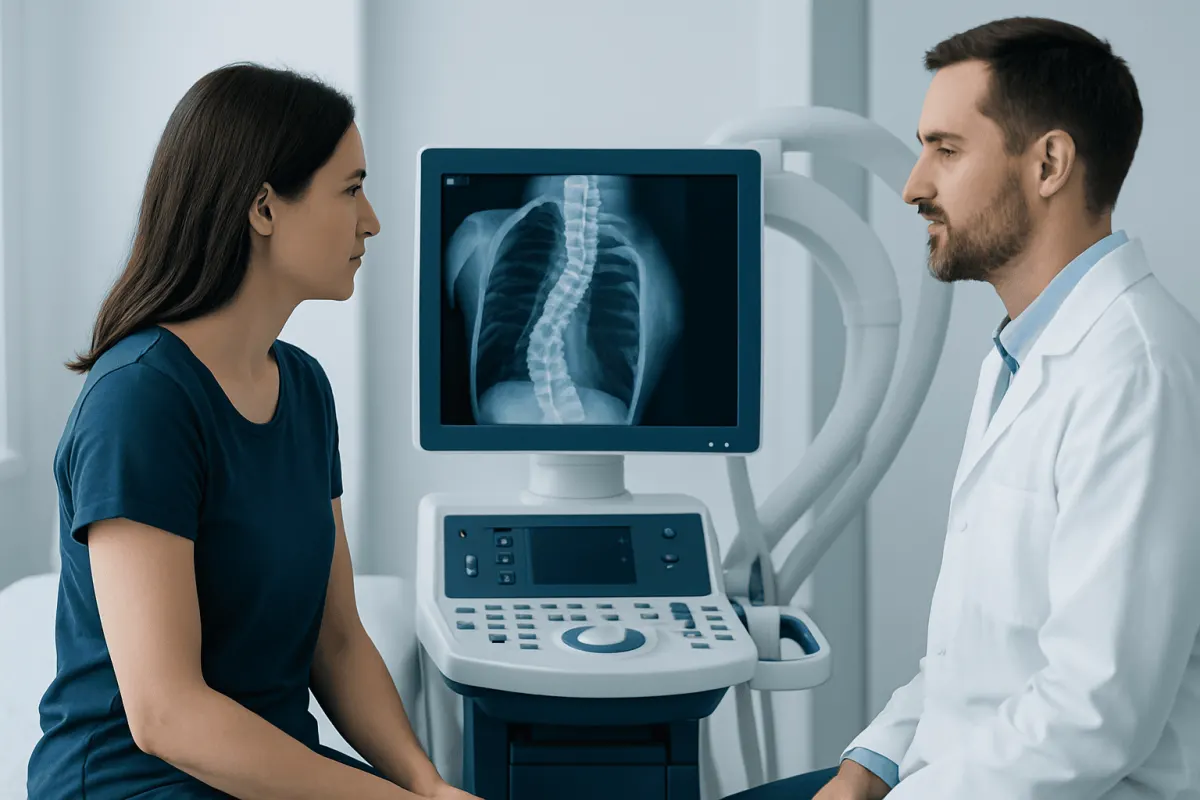
Scoliosis means that the spine curves sideways and usually rotates, creating a three-dimensional change in spinal alignment. Many curves are mild and monitored over time, while larger or progressive curves may need specialist care.
Scoliosis meaning: what does it describe?
Scoliosis means an abnormal sideways curvature of the spine. Rather than appearing straight when viewed from behind, the spine forms a curve that may resemble the letter C or S. The vertebrae also commonly rotate, which can make one side of the back, ribs, shoulder or waist look more prominent.
Doctors generally use the term scoliosis when an X-ray shows a spinal curve of at least 10 degrees, measured by a method called the Cobb angle. A person may be born with scoliosis, develop it during childhood or adolescence, or develop it later in adult life as the spine and discs change with age.
A scoliosis diagnosis does not automatically mean that a person will need a brace or surgery. Many curves remain mild, cause few or no symptoms, and are followed with regular examinations and imaging when appropriate. The main goals of assessment are to identify the cause, estimate whether the curve may progress and support comfort, function and overall health.
Is scoliosis something to worry about?
Scoliosis is worth assessing, but it is not always something to fear. Mild curves often do not interfere with daily activities and may only need observation, especially after a person has finished growing. A clinician can help explain what the curve measurement means for the individual rather than relying on appearance alone.
Curves are more likely to progress when they are identified during a rapid growth phase, are already moderate or larger, or have an underlying cause. In adults, scoliosis may be associated with back discomfort, changes in posture, nerve irritation or reduced walking tolerance, although not all adult back pain is caused by scoliosis.
Very large curves can affect chest movement and lung function, but this is uncommon and usually relates to severe, untreated thoracic scoliosis. Timely review by a qualified clinician allows appropriate monitoring and treatment decisions without assuming that a visible spinal asymmetry will lead to major health problems.
What are 5 symptoms of scoliosis?
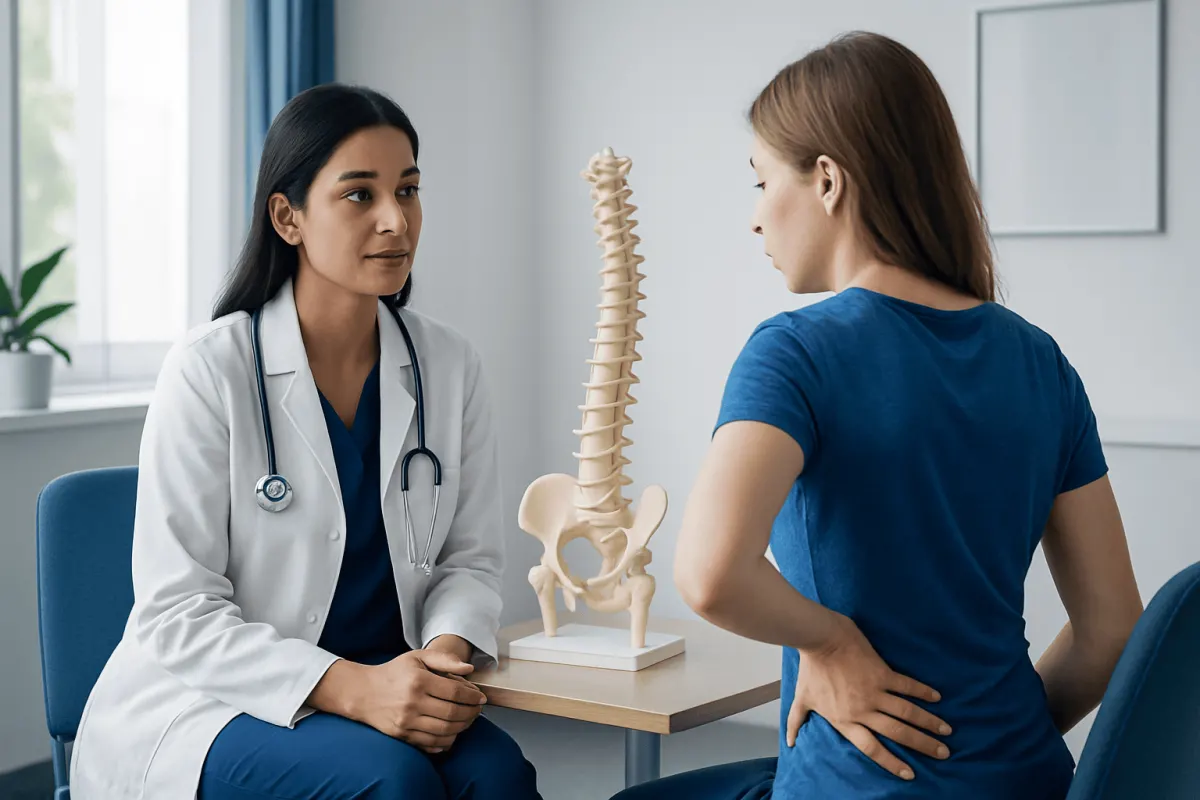
Scoliosis may cause no pain or noticeable symptoms, particularly in children and teenagers. It is often first noticed during a routine health check, school screening where available, or by a family member who sees a change in posture. The following five signs are commonly associated with scoliosis:
- One shoulder sitting higher than the other
- One shoulder blade appearing more prominent
- An uneven waist or hips that look uneven
- A rib or lower-back prominence when bending forward
- Clothes, such as shirt hems or trouser waistbands, hanging unevenly
Some people, especially adults, also have back aching, muscle fatigue, stiffness, or pain that travels into a leg when nerves are affected. Pain that is severe, persistent, occurs at night, or is accompanied by weakness, numbness, fever or unexplained weight loss should be evaluated promptly, as it may have causes beyond uncomplicated scoliosis.
What are the 7 types of scoliosis?
Doctors classify scoliosis by its cause, the age when it begins, and the location or direction of the curve. The categories can overlap in clinical practice, and the terminology may vary slightly between specialists. Seven commonly discussed types or causes are:
- Idiopathic scoliosis: the most common form, with no single identified cause.
- Infantile idiopathic scoliosis: idiopathic scoliosis beginning from birth to age 3.
- Juvenile idiopathic scoliosis: beginning between ages 4 and 10.
- Adolescent idiopathic scoliosis: beginning around puberty, usually from age 10 until skeletal maturity.
- Congenital scoliosis: caused by vertebrae that do not form or separate normally before birth.
- Neuromuscular scoliosis: linked with conditions that affect muscle control or nerve function, such as cerebral palsy or muscular dystrophy.
- Degenerative, or adult-onset, scoliosis: developing later in life as discs, joints and other spinal structures wear or change.
Syndromic scoliosis is another term sometimes used when scoliosis occurs as part of a genetic or connective-tissue condition. Establishing the type matters because it helps the care team decide whether additional tests, closer follow-up or a different treatment approach is needed. More information on the condition is available in Acıbadem Health Point's scoliosis resource.
Which organ is affected by scoliosis?
Scoliosis primarily affects the spine, which is made up of bones, discs, joints, muscles and supporting connective tissues. It is therefore not a disease of one internal organ. The curve may alter the shape and movement of the rib cage when it involves the middle, or thoracic, part of the spine.
In most mild and moderate cases, the heart and lungs continue to function normally. With severe thoracic curves, however, reduced space or movement within the chest can make it harder for the lungs to expand fully. This may contribute to shortness of breath or reduced exercise tolerance in some people.
Healthcare professionals consider breathing symptoms, curve location and curve size during assessment. They may request lung function testing for selected patients with substantial thoracic curves or respiratory concerns. Symptoms such as new breathlessness, chest pain or fainting require medical assessment and should not be assumed to be caused by scoliosis.
How scoliosis is diagnosed and monitored
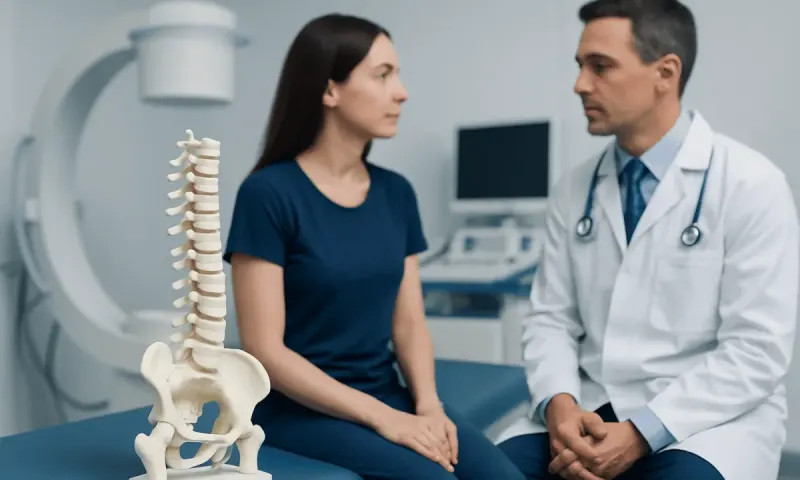
Assessment usually begins with a medical history and physical examination. The clinician looks at shoulder height, the waist, hip alignment and the spine while the person stands. During the forward-bend test, the clinician may look for a rib or back prominence caused by rotation of the spine.
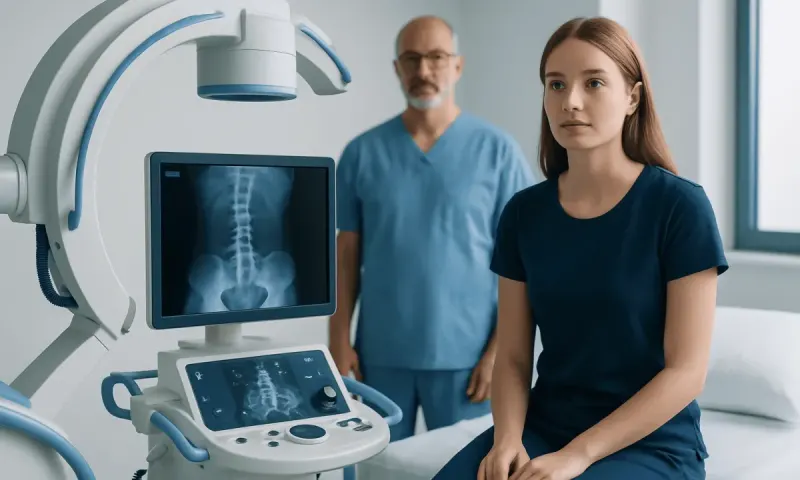
Standing spinal X-rays confirm the diagnosis and measure the curve. Depending on the findings, age and symptoms, the clinician may recommend further imaging such as MRI. MRI can be useful when there are neurological symptoms, unusual pain, an atypical curve pattern, very early onset, or concern about conditions affecting the spinal cord.
Follow-up is individualized. Children and adolescents who are still growing may have periodic examinations and X-rays because a curve can change during growth. Adults may need follow-up based on symptoms, curve progression, balance and the health of the discs and joints. Imaging is used thoughtfully to obtain useful information while limiting unnecessary radiation exposure.
Treatment and everyday support for scoliosis
Treatment is based on the person rather than the diagnosis alone. Important factors include the curve measurement, location, cause, skeletal maturity, rate of progression, pain, neurological symptoms and the effect on daily life. Observation with planned reviews is often appropriate for mild curves.
For a growing child or adolescent with a curve considered likely to worsen, a brace may be recommended to help limit further progression while growth continues. Bracing does not straighten every curve, and its use is guided by a spine specialist. Physiotherapy and scoliosis-specific exercise approaches may support posture, movement, strength and confidence, although exercise plans should be tailored rather than treated as a replacement for monitoring.
For adults, care may include Arthritis Knee Physical Therapy: Early Signs, Risk Factors, and How It Is Treated" class="ahp-ilk">physical therapy, activity modification, pain-management strategies and treatment for associated nerve or joint problems. Surgery may be considered for selected curves that are severe, progressing, painful despite appropriate non-surgical care, or affecting balance, function or breathing. Scoliosis surgery is a carefully individualized decision that should follow discussion of expected benefits, limitations and potential risks.
Regular physical activity is generally beneficial, and many people with scoliosis can take part in school, work, exercise and sports. A clinician or physiotherapist can advise on activities after surgery or when significant pain, weakness or other medical conditions are present.
When to seek medical care
A child, teenager or adult should arrange a medical assessment if they notice a new uneven shoulder, hip or waist; a visible curve in the back; or a rib prominence when bending forward. Assessment is also appropriate when back pain persists, posture changes noticeably, or a known curve appears to be changing.
More urgent medical review is needed for new weakness, numbness, difficulty walking, loss of bladder or bowel control, severe or rapidly worsening pain, fever, unexplained weight loss, or breathing difficulty. These symptoms are not typical features of mild idiopathic scoliosis and need timely evaluation.
Acıbadem Health Point’s multidisciplinary specialists in JCI-accredited hospitals assess and treat scoliosis for international patients, including evaluation, monitoring, rehabilitation and surgical care when indicated. A qualified spine specialist can help patients understand their individual curve and choose an appropriate follow-up plan.
Frequently asked questions
01What does scoliosis mean in simple terms?
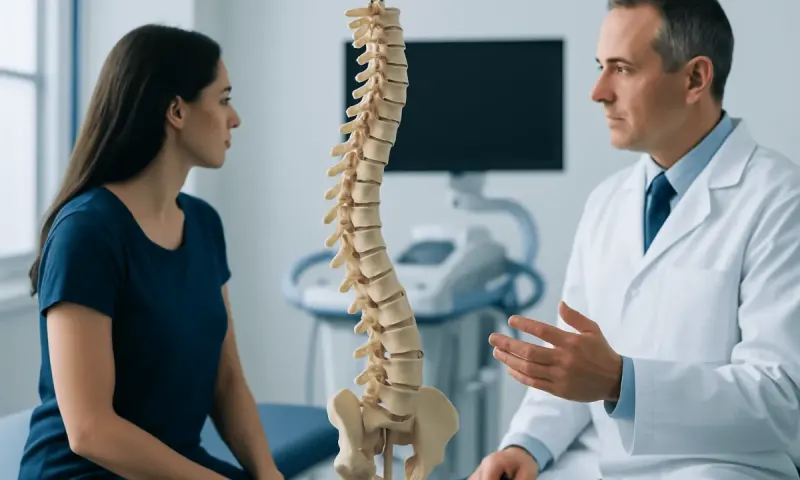
Scoliosis means the spine has a sideways curve and often twists slightly as well. It is more than ordinary slouching or poor posture, although posture can make an existing curve more noticeable. An X-ray is used to confirm and measure the curve.
02Can scoliosis go away on its own?
A structural scoliosis curve usually does not completely disappear on its own. Some mild curves remain stable and may never require active treatment. In young children, certain curves may improve, but they still need specialist monitoring.
03Does scoliosis cause back pain?
Many children and teenagers with scoliosis have no pain. Adults with scoliosis may experience back aching, stiffness or fatigue, particularly when age-related changes affect the spine. Persistent or severe pain should be assessed because it may have another cause.
04Can exercise make scoliosis worse?
Appropriate exercise does not usually make scoliosis worse and can support general fitness, mobility and muscle strength. However, exercise alone may not stop a progressive curve in a growing child. A clinician or physiotherapist can recommend an activity plan suited to the person's curve and symptoms.
05At what age is scoliosis most often found?
Idiopathic scoliosis is commonly identified during the adolescent growth spurt. It can also be present at birth, begin in early childhood, or develop in adults. The age of onset helps clinicians determine the likely cause and follow-up needs.
06Will scoliosis affect pregnancy?
Most people with scoliosis can have a healthy pregnancy. Pregnancy may bring temporary back discomfort, as it can for people without scoliosis, but it does not usually cause major curve progression after skeletal maturity. Individuals with severe curves, previous spinal surgery or significant breathing problems should discuss pregnancy planning with their healthcare team.
This article is for general information only and is not a substitute for professional medical advice. Please consult a qualified doctor about your individual situation.
Joint and spine care in Turkey — expert assessment & treatment
JCI-accredited · board-certified surgeons · reply within 24h
Add us as a Preferred Source to see more of our trusted health content across Google Search, AI Overviews and Discover.