What Is the Best Age for Scoliosis Surgery?
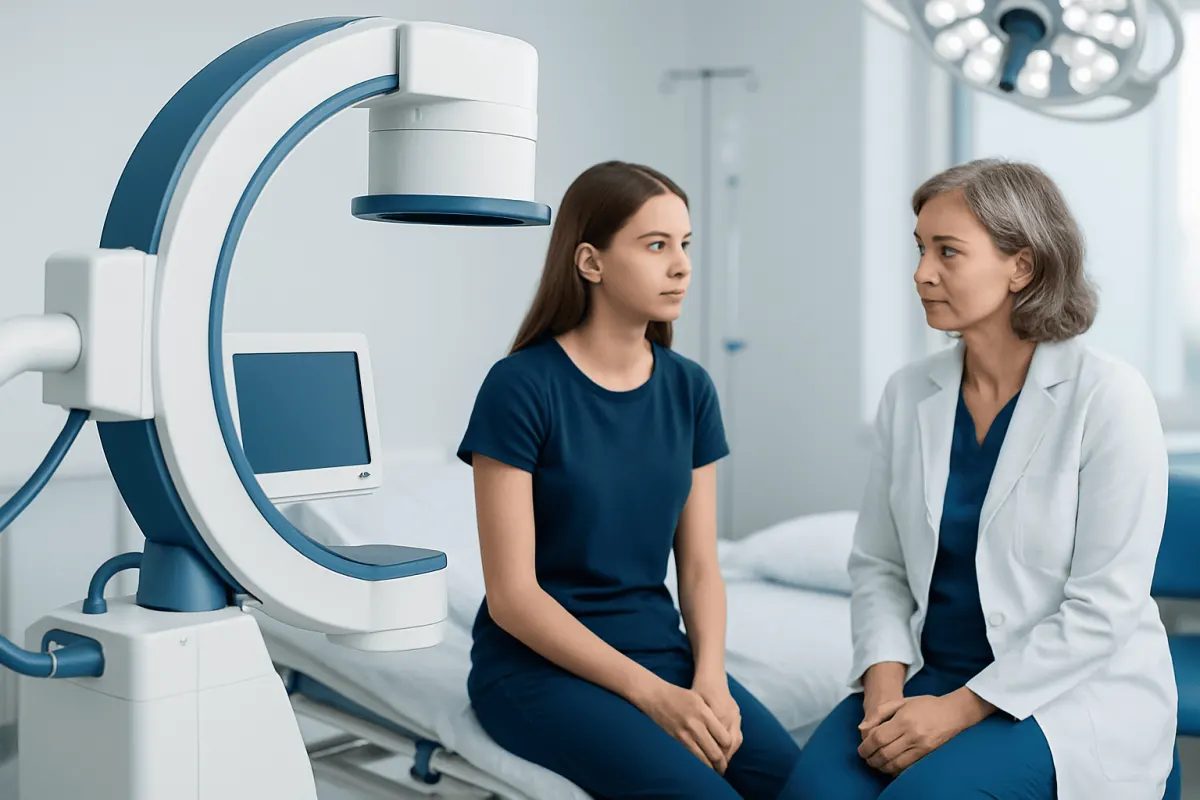
The best age for scoliosis surgery is the age at which a person’s spinal curve is severe or progressing enough to outweigh the risks of surgery. For many people with adolescent idiopathic scoliosis, this decision is considered during the teenage growth years, but treatment is individualized and can also be appropriate in adulthood.
Best age for scoliosis surgery: the answer depends on the curve
The best age for scoliosis surgery is not a single number. Surgery is generally considered when a spinal curve is large, continues to worsen, is likely to progress with remaining growth, or causes substantial imbalance, pain, breathing concerns or limitations in daily life. The decision is based on the person rather than their birthday.
For many children with adolescent idiopathic scoliosis, the discussion happens in the early to middle teenage years because this is when rapid growth can make a curve progress. However, operating too early may mean the spine has significant growth remaining, while waiting too long may allow a curve to become stiffer or larger. A pediatric spine team considers skeletal maturity, the curve’s location and flexibility, X-ray measurements, symptoms and the child’s emotional readiness.
Adults can also benefit from surgery when scoliosis causes persistent pain, nerve symptoms, worsening imbalance or declining function despite non-surgical care. In adults, the goal is often to improve comfort, alignment and mobility rather than to treat growth-related progression. Scoliosis should be assessed by an experienced clinician so that timing is based on current health needs and future risk.
When is surgery considered, and who may be a candidate?
Surgery is not needed for most scoliosis curves. Mild curves are often monitored, particularly after growth is complete. For children who are still growing, a brace may be recommended for certain moderate curves to reduce the chance of further progression. Exercise and physiotherapy can support strength, confidence and general function, although they do not reliably straighten every structural curve.
Spine specialists commonly discuss surgery for a growing child whose curve reaches roughly 45 to 50 degrees and is still progressing. A curve of this size may be more likely to continue increasing over time. The exact threshold varies because curve pattern, skeletal maturity, rotation of the spine, body balance and individual circumstances all influence the recommendation.
Candidacy also involves a detailed review of general health. The team considers heart and lung health, neurological findings, nutrition, medications, bone quality and any underlying neuromuscular or connective-tissue condition. Before deciding on surgery, families should understand the expected goals, alternatives and possible limitations of treatment.
- Observation may be suitable for mild, stable curves.
- Bracing may help selected growing children with moderate curves.
- Surgery may be appropriate for severe, progressive or symptomatic scoliosis.
At what age is scoliosis surgery recommended?
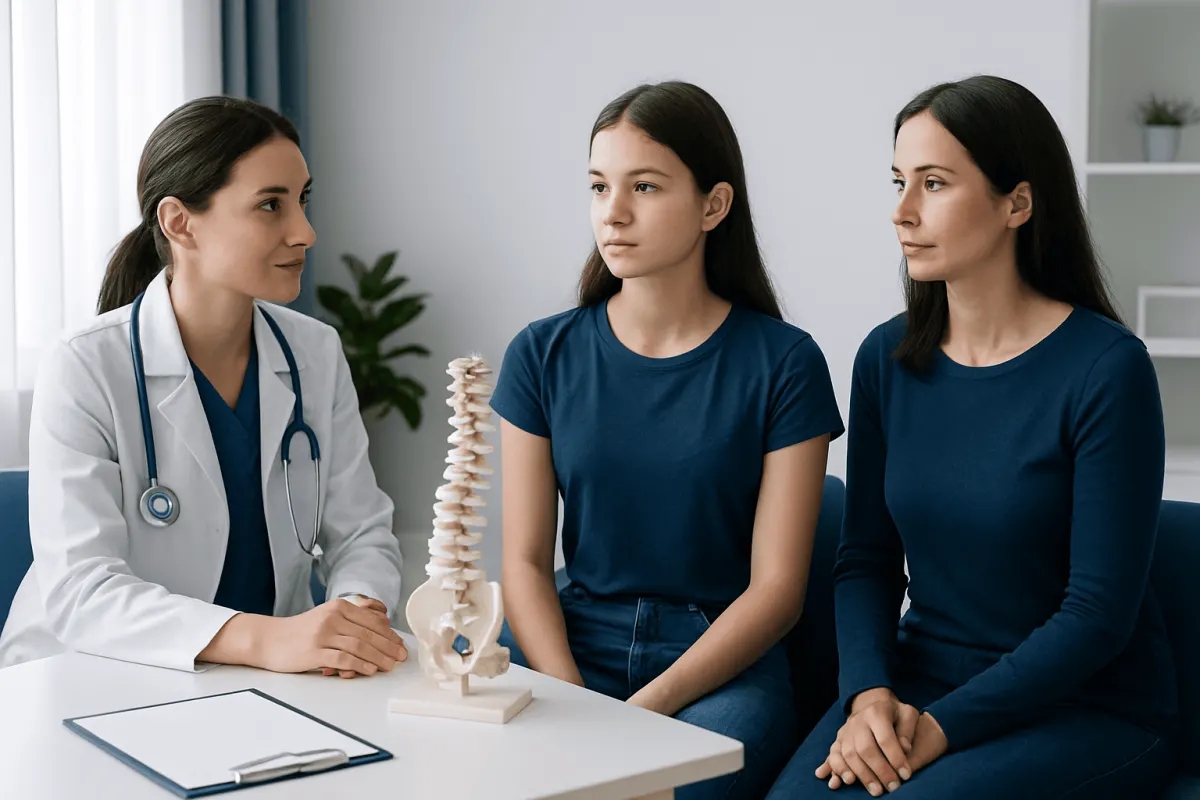
Scoliosis surgery is often recommended during adolescence when a curve has reached a level at which it is likely to progress, especially if substantial growth remains. This commonly places the best age to get scoliosis surgery in the teenage years for some patients, but there is no universal “right” age. A 10-year-old, a 14-year-old and an 18-year-old may need different approaches even if their X-rays look similar.
In younger children with early-onset scoliosis, surgeons usually try to preserve spinal and chest growth whenever possible. Depending on the diagnosis and curve behavior, growth-friendly systems or other specialized approaches may be considered instead of an early definitive fusion. These cases require evaluation in a pediatric spine center.
For adults, there is no upper age limit defined solely by the calendar. The best age to do scoliosis surgery is when expected benefits—such as reduced disabling pain, improved standing balance or relief of nerve pressure—are likely to exceed the risks. Overall health, bone strength, frailty and personal goals become particularly important with increasing age.
How scoliosis surgery works: procedure steps and expected benefits
The most common operation for significant adolescent scoliosis is posterior spinal fusion. The surgeon reaches the spine through an incision along the back, carefully positions screws or hooks at selected vertebrae, and connects them with metal rods. These implants allow controlled correction and stabilization of the curve while protecting the spinal cord and nerves.
Bone graft material is placed along the prepared spinal segments so that the vertebrae gradually fuse into one solid section of bone. The extent of fusion is planned carefully: it needs to provide stable correction while preserving as much movement as safely possible. During surgery, specialized monitoring is commonly used to check spinal cord and nerve function.
Potential benefits include stopping further progression of the treated curve, improving trunk balance and appearance, and supporting long-term function. The operation does not create a perfectly straight spine, and it may not eliminate every source of pain. Discussion of scoliosis surgery should include the likely degree of correction, the number of spinal levels involved and the activities that may be affected afterward.
Planning usually includes standing full-spine X-rays and may include bending X-rays, MRI or CT scans in selected cases. Blood tests, anesthesia assessment and discussions about blood management, rehabilitation and school or work arrangements help patients prepare safely.
How risky is surgery for scoliosis?
Scoliosis surgery is a major operation, but it is performed with established techniques, careful planning and close monitoring. For appropriately selected patients, the expected benefit may be meaningful; however, no surgery is risk-free. The surgeon should explain risks in the context of the individual’s age, curve type, medical history and planned procedure.
Possible complications include bleeding, infection, blood clots, wound-healing problems, reactions to anesthesia, implant-related problems, failure of the bones to fuse fully and a need for further surgery. Nerve injury is uncommon but serious, and may cause weakness, altered sensation or changes in bladder or bowel function. Very large, stiff curves and certain underlying medical conditions can increase operative complexity.
Risk reduction begins before the procedure. It may involve treating anemia or infection, improving nutrition, stopping smoking or nicotine exposure, reviewing medications and following preoperative instructions. After surgery, early movement, breathing exercises, pain management and wound care are important parts of safe recovery. Patients should ask their surgeon about the risks most relevant to their situation rather than relying on general estimates.
How painful is scoliosis surgery?
Scoliosis surgery causes significant discomfort in the first days after the operation, as expected after a major spine procedure. Pain is taken seriously and is managed with a planned, multimodal approach that may include different types of pain-relieving medicines, local or regional techniques when appropriate, positioning, ice and guided movement. The aim is not necessarily to remove all discomfort immediately, but to make pain manageable enough for deep breathing, sleep and safe mobility.
Pain usually improves steadily after the early postoperative period, although tiredness, muscle soreness and stiffness can continue for weeks. Some people notice numbness or sensitivity around the incision as it heals. Pain experiences vary, so patients should tell the hospital team if their symptoms are not controlled or if pain suddenly worsens.
Emotional preparation can help as well. Knowing what to expect, practicing breathing exercises, arranging practical help at home and setting small mobility goals can make recovery feel more manageable. A child or teenager may also benefit from age-appropriate explanations and support from family, nursing staff and rehabilitation professionals.
How long does it take for a 12-year-old to recover from scoliosis surgery?
A 12-year-old usually begins sitting up and walking with support within the first days after scoliosis surgery, under the guidance of the hospital team. The length of hospital stay varies by procedure, pain control, mobility and individual recovery, but it is commonly several days. Returning home does not mean recovery is complete; the spine and surrounding tissues continue healing for many months.
During the first few weeks, a child may need help with dressing, bathing, school arrangements and avoiding bending, twisting, heavy lifting or impact activities. Many children return to school gradually within several weeks, depending on fatigue, comfort and the school environment. Follow-up visits and imaging allow the surgeon to monitor healing and advise when activity can increase.
Light daily activity usually builds over the first months, while sports and more strenuous activity often require a longer, individualized clearance period. Fusion maturation can continue for roughly a year or longer. Families should follow their surgeon’s specific instructions because recovery recommendations differ according to the levels fused, surgical technique and the child’s progress.
When to seek medical care
A child, teenager or adult should arrange a medical assessment if one shoulder or hip appears higher than the other, the ribs look uneven when bending forward, the body shifts to one side, or a curve seems to be worsening. Routine assessment is particularly important during rapid growth, when scoliosis can change more quickly. Early review allows time for monitoring or bracing when these options are suitable.
Prompt medical attention is needed for new weakness, numbness, difficulty walking, loss of bladder or bowel control, severe unrelenting back pain, fever with back pain, or sudden worsening after an injury. These symptoms are not typical of uncomplicated adolescent idiopathic scoliosis and require assessment.
After surgery, patients should contact their surgical team for increasing redness, drainage or swelling around the wound, fever, uncontrolled pain, breathing difficulty, calf swelling, new neurological symptoms or any concern about recovery. Acıbadem Health Point’s multidisciplinary specialists and JCI-accredited hospitals evaluate and treat scoliosis for international patients, including assessment, surgical planning and follow-up care.
Frequently asked questions
01What is the best age for scoliosis surgery?
There is no single best age for scoliosis surgery. The timing depends on how large and flexible the curve is, whether it is progressing, how much growth remains, symptoms and overall health. In many cases of progressive adolescent scoliosis, surgery is considered during the teenage years.
02At what curve size is scoliosis surgery usually considered?
Surgery is often discussed when a growing child has a curve around 45 to 50 degrees that continues to progress. This is not an absolute rule, because curve type, skeletal maturity, symptoms and individual health factors also matter. A spine specialist uses repeated examinations and X-rays to guide the decision.
03Can scoliosis surgery be delayed until adulthood?
Some people can safely delay or avoid surgery, especially if their curve is stable and symptoms are manageable. However, certain larger curves may progress over time and can become stiffer, which may affect later treatment options. A specialist can explain the likely effects of waiting in an individual case.
04How long does it take for a 12-year-old to recover from scoliosis surgery?
Most 12-year-olds start walking in the hospital and are discharged after several days when pain control and mobility are appropriate. A gradual return to school often occurs within weeks, while full recovery and fusion healing take months. The surgeon provides personalized activity restrictions and clearance for sports.
05How painful is scoliosis surgery?
Pain is usually most noticeable during the first few days after surgery, but hospital teams use several methods to make it manageable. Stiffness and muscle soreness may continue for weeks as activity gradually increases. Patients should report pain that is severe, worsening or not controlled by the prescribed plan.
06How risky is surgery for scoliosis?
Scoliosis surgery is a major procedure with potential risks, including bleeding, infection, blood clots, implant problems, incomplete fusion and rare nerve injury. Careful imaging, anesthesia assessment, spinal cord monitoring and postoperative care are used to improve safety. The individual risk profile should be discussed directly with the surgical team.
This article is for general information only and is not a substitute for professional medical advice. Please consult a qualified doctor about your individual situation.
Joint and spine care in Turkey — expert assessment & treatment
JCI-accredited · board-certified surgeons · reply within 24h
Add us as a Preferred Source to see more of our trusted health content across Google Search, AI Overviews and Discover.