Right-Sided Back Pain During Pregnancy: Causes and Care
Pain in the right side and back while pregnant is commonly related to normal body changes, such as stretching ligaments, altered posture, and muscle strain. However, the location, timing, severity, and accompanying symptoms can help distinguish common discomforts from problems that need urgent medical care.
Overview: Why Right-Sided Pain Can Happen in Pregnancy
Pain in right side and back while pregnant is often caused by the physical changes of pregnancy. As the uterus grows, it shifts the body’s center of gravity, places more demand on the back and pelvic muscles, and stretches supportive ligaments. Discomfort may be felt in the lower back, flank, hip, groin, or right side of the abdomen, especially after standing, walking, lifting, or changing position.
Not all right-sided pain has the same meaning. A mild ache that improves with rest may be different from a sharp pain beneath the ribs, a cramping pain that comes in waves, or pain accompanied by urinary symptoms, fever, bleeding, or severe nausea. A clinician can assess the person’s stage of pregnancy, medical history, blood pressure, urine tests, and other findings to identify the likely cause safely.
It is sensible to report new, persistent, or worsening pain to the obstetrician, midwife, or maternity unit. Most causes are manageable, and early assessment is particularly important when pain occurs with other symptoms or feels unlike usual pregnancy discomfort.
Patterns That Can Help Describe the Pain
Describing the pain clearly can help the maternity team decide what assessment is needed. Useful details include when it began, whether it is constant or comes and goes, its exact location, what makes it better or worse, and whether it travels to the groin, shoulder, buttock, or leg. The presence of symptoms such as fever, nausea, urinary changes, vaginal discharge, bleeding, reduced fetal movement, or swelling is also important.
Lower right abdominal or groin discomfort may be linked to stretching of the round ligaments that support the uterus. This is often sharp, brief, and triggered by getting up quickly, coughing, rolling over in bed, or sudden movement. It is more common during the second trimester, although pelvic and abdominal stretching sensations can occur at other times.
Low back pain that spreads into the buttock or back of the thigh may occur when pregnancy-related posture changes and hormone effects place strain on muscles and pelvic joints. In contrast, pain high on the right side, particularly below the ribs or around the shoulder blade, deserves closer attention because it may be related to digestive, gallbladder, liver, or blood-pressure-related conditions.
- Muscular pain: often worse after activity or certain positions and better with rest or support.
- Urinary or kidney pain: may be felt in the side or back and may occur with burning urination, urgency, fever, or nausea.
- Gallbladder-type pain: may occur in the upper right abdomen after meals and may spread to the right shoulder or back.
- Labor-related pain: may be rhythmic, increasingly regular, and associated with pelvic pressure or changes in vaginal discharge.
Common Pregnancy-Related Triggers
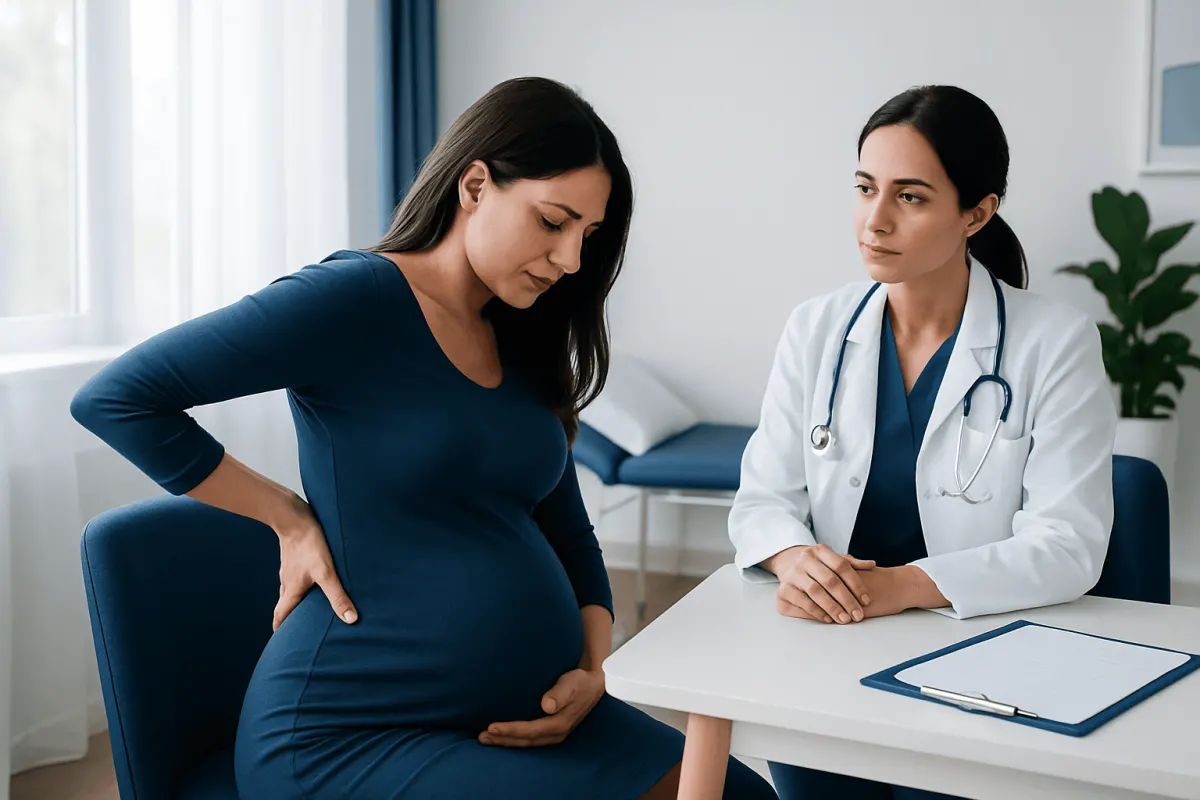
Mechanical strain is a frequent reason for pain in the right side and back during pregnancy. The growing uterus changes spinal curvature and can overload the lower-back muscles. Long periods of sitting, standing, driving, carrying bags, poor sleep position, or an activity that exceeds the person’s usual routine may aggravate symptoms. Pain may be one-sided because of habitual posture, prior injury, or uneven muscle tension.
Round ligament pain is another common explanation for one-sided lower abdominal discomfort. The ligaments lengthen as the uterus expands, and a sudden stretch can cause a brief pulling, stabbing, or aching sensation. Slower movements, changing positions carefully, and avoiding abrupt twisting may reduce episodes.
Constipation, trapped gas, and bloating can also cause abdominal pressure or cramping that is felt more on one side. Pregnancy hormones can slow digestion, and iron supplements may contribute to constipation for some people. Regular fluids, fiber-containing foods, and gentle movement may help, but a clinician should be consulted before starting laxatives or supplements.
Pelvic girdle pain may cause discomfort around the lower back, hips, pubic area, or upper thighs. It can be worse with stairs, getting in and out of a car, turning in bed, or standing on one leg to dress. Physiotherapy and pregnancy-specific movement advice may be helpful when symptoms interfere with daily activities.
Medical Causes That Should Be Considered
Some conditions not caused by normal stretching or posture can produce pain on the right side and back. A urinary tract infection may cause burning when passing urine, frequent urination, lower abdominal discomfort, or cloudy or strong-smelling urine. When infection reaches the kidneys, it can cause pain in the flank or back, fever, chills, nausea, or vomiting and needs urgent assessment during pregnancy.
Kidney stones can cause sudden, severe side or back pain that may come in waves and travel toward the lower abdomen or groin. Blood in the urine, nausea, or urinary urgency may occur. Imaging choices in pregnancy are selected carefully, and clinicians can recommend safe approaches for diagnosis and symptom control. Information about related urinary conditions is available in kidney stones.
Gallstones or gallbladder inflammation may cause persistent or episodic pain in the upper right abdomen, sometimes after a fatty meal. The pain can spread to the back or right shoulder and may be accompanied by nausea or vomiting. Pain with fever, jaundice, or worsening tenderness should be evaluated urgently. Learn more about gallstones.
After 20 weeks of pregnancy, pain in the upper right abdomen or beneath the ribs can rarely be associated with preeclampsia, a pregnancy-related condition involving high blood pressure and possible organ effects. Warning symptoms can include a severe headache, visual disturbance, sudden swelling of the face or hands, shortness of breath, or feeling very unwell. These symptoms should not be monitored at home; immediate maternity assessment is needed.
How Clinicians Assess Right-Sided Back and Abdominal Pain
Assessment begins with a conversation about the pain and any associated symptoms. The clinician may ask about the stage of pregnancy, previous pregnancies, bowel and bladder habits, recent activity, medical conditions, medications, and whether fetal movements have changed. A physical examination can help identify muscle tenderness, abdominal sensitivity, uterine activity, or signs of dehydration or infection.
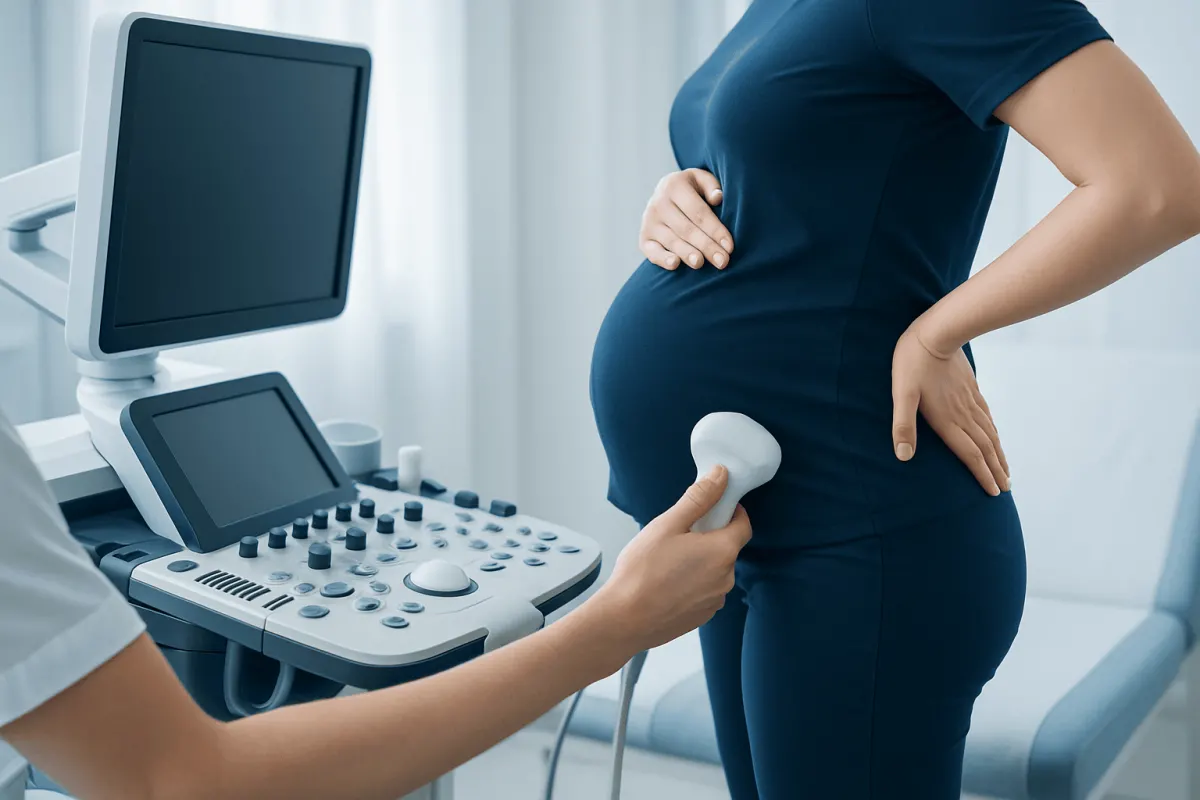
Depending on the symptoms, tests may include blood pressure measurement, urine testing, blood tests, and monitoring of the baby’s heartbeat and uterine contractions. Ultrasound may be used to assess the pregnancy and to examine the kidneys, gallbladder, or other abdominal structures when appropriate. These decisions are individualized to avoid unnecessary testing while identifying important problems promptly.
Right lower abdominal pain can occasionally resemble appendicitis, although the position of the appendix may shift as pregnancy progresses. Persistent pain that becomes more severe, especially with fever, vomiting, loss of appetite, or marked tenderness, requires urgent clinical review. It is important not to assume that all abdominal pain is due to pregnancy changes.
For international patients, Acıbadem Health Point’s multidisciplinary specialists and JCI-accredited hospitals can assess pregnancy-related symptoms and coordinate appropriate obstetric, imaging, and specialist care.
Comfort Measures and Safer Self-Care
For mild discomfort that has already been discussed with a maternity care professional, simple measures may help. Resting in a comfortable side-lying position, using pillows to support the abdomen and between the knees, and avoiding prolonged periods in one position can reduce strain. Gentle walking, pregnancy-appropriate stretching, and supervised exercise may also support back and pelvic comfort.
Good body mechanics are useful throughout pregnancy. This includes bending at the knees rather than the waist, keeping frequently used items within easy reach, wearing supportive footwear, and avoiding heavy lifting where possible. When getting out of bed, rolling onto the side first and using the arms to push up may be more comfortable than sitting up abruptly.
A warm shower or a warm, not hot, compress may soothe muscle tension for some people. Heat should not be applied long enough to raise core body temperature, and it should not be placed over an area of severe, unexplained, or increasingly painful abdominal discomfort. Massage, support belts, or physiotherapy should be considered with guidance from the maternity team, particularly for pelvic girdle or persistent back pain.
Medication choices in pregnancy require care. People should ask their obstetrician, midwife, pharmacist, or doctor before taking pain medicines, anti-inflammatory medicines, herbal products, or over-the-counter remedies. The safest option depends on the stage of pregnancy, the cause of pain, and the individual’s health history.
When to Seek Medical Care
Contact a maternity care provider the same day for pain that is new, persistent, worsening, or preventing normal activity. Prompt advice is also appropriate for pain with burning urination, urinary urgency, vomiting, diarrhea that does not settle, fever, chills, new vaginal discharge, or concern about fetal movements. If there is uncertainty, it is safer to call the maternity unit or clinician for guidance.
Seek urgent medical care for severe or sudden abdominal, side, or back pain; vaginal bleeding; leaking fluid; regular painful contractions before term; fainting; chest pain; trouble breathing; or shoulder-tip pain with feeling unwell. Urgent assessment is also needed for upper-right abdominal pain accompanied by a severe headache, vision changes, sudden swelling, or high blood pressure concerns.
People with a history of kidney disease, urinary infections, gallbladder disease, high blood pressure, preeclampsia, preterm birth, or pregnancy complications should have a lower threshold for contacting their care team. Early review can provide reassurance when symptoms are benign and treatment when a medical condition is present.
Frequently asked questions
01Is pain on the right side and back normal during pregnancy?
It can be normal, particularly when it is mild, linked to movement, and improves with rest or position changes. Stretching ligaments, muscle strain, and posture changes are common causes. However, persistent, severe, or new pain should be discussed with a maternity care professional.
02What does round ligament pain feel like?
Round ligament pain is often described as a sharp, pulling, or brief stabbing sensation in the lower abdomen or groin, usually on one side. It may occur when standing quickly, coughing, sneezing, rolling over, or changing direction. It should improve with rest, slower movements, and avoidance of sudden twisting.
03Can right-sided back pain mean a kidney infection in pregnancy?
It can, especially if the pain is in the side or flank and occurs with fever, chills, nausea, painful urination, or urinary urgency. Kidney infections need prompt treatment in pregnancy because they can become serious if untreated. A pregnant person with these symptoms should contact a maternity unit or doctor urgently.
04When is pain under the right ribs during pregnancy concerning?
Pain under the right ribs may be caused by posture, the growing uterus, or gallbladder problems, but it can also be a warning sign of preeclampsia after 20 weeks. Immediate assessment is needed if it occurs with severe headache, vision changes, sudden swelling, nausea, shortness of breath, or feeling very unwell. Severe or persistent upper-right abdominal pain should always be checked.
05Can a pregnant person use a heating pad for back pain?
A warm compress or warm shower may help mild muscle discomfort, but it should not be hot enough or used long enough to raise body temperature. Heat should not be relied on for severe, unexplained, or worsening abdominal pain. It is best to ask the maternity care team about the safest approach for individual circumstances.
06Does right-sided pain mean labor is starting?
Pain alone does not necessarily mean labor. Labor is more likely when tightening or cramps become regular, stronger, and closer together, often with pelvic pressure or changes in vaginal discharge. Before 37 weeks, regular contractions, fluid leakage, bleeding, or persistent cramping should be assessed urgently.
This article is for general information only and is not a substitute for professional medical advice. Please consult a qualified doctor about your individual situation.
Persistent digestive symptoms? Get evaluated in Turkey
JCI-accredited · board-certified surgeons · reply within 24h
Add us as a Preferred Source to see more of our trusted health content across Google Search, AI Overviews and Discover.