Vertebrogenic Low Back Pain: Diagnosis and Care
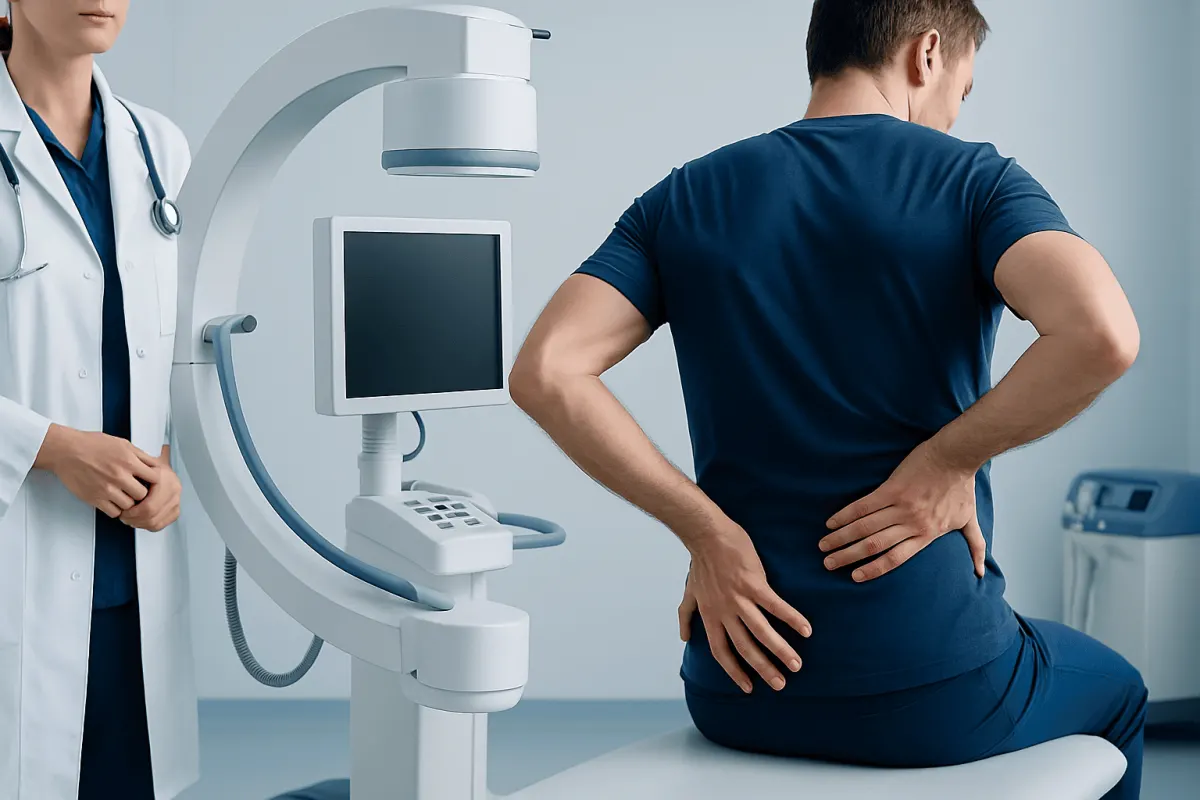
Vertebrogenic low back pain is a type of chronic low back pain thought to originate in the vertebral endplates—the layers between spinal bones and discs—and their nerve supply. It commonly causes deep, central low back pain that worsens with sitting, bending or activity, but a clinical assessment is needed because back pain can have many causes.
Overview: what is vertebrogenic low back pain?
Vertebrogenic low back pain is chronic pain that is believed to come from the vertebral endplates. These are thin layers of tissue that sit between each spinal bone (vertebra) and its neighboring disc. Endplates help transfer load through the spine and support disc nutrition. When they become damaged or inflamed, they may stimulate the basivertebral nerve, which carries pain signals from within the vertebral body.
This diagnosis is one possible explanation for persistent axial low back pain, meaning pain centered in the lower back. It is different from pain caused mainly by irritated nerve roots, which more often travels into the buttock, leg or foot. It is also distinct from pain primarily arising from the facet joints, sacroiliac joints, muscles, or a spinal fracture. More than one source of pain can be present at the same time.
“Vertebrogenic” describes where the pain is thought to originate; it does not mean that every change seen on a spinal scan is painful. A clinician considers the person’s symptoms, physical examination, health history and imaging findings together before deciding whether this is the most likely source of pain.
Typical symptoms and pain patterns
People with vertebrogenic low back pain often describe a deep, aching, burning or sharp pain in the midline of the lower back. The pain may spread broadly across the lower back or toward the buttocks, but it usually does not follow a clear path below the knee. Symptoms may be constant or recur over months, and they can interfere with work, sleep, exercise and daily tasks.
Pain commonly becomes more noticeable with prolonged sitting, forward bending, lifting, driving, or activities that load the spine. Some people also find that standing for long periods, moving from sitting to standing, or repeated bending increases discomfort. However, symptom patterns overlap substantially with other common back conditions, so these features alone cannot establish a diagnosis.
Leg numbness, tingling, marked weakness or shooting pain may point toward nerve compression or another condition rather than vertebrogenic pain alone. A clinician will ask about these symptoms, as well as stiffness, injury, overall health, emotional wellbeing, sleep and the effect of pain on everyday function.
Possible causes and risk factors

Vertebral endplates can develop small cracks, degeneration and inflammatory changes over time. These changes may allow disc material and inflammatory substances to affect the bone next to the disc. In some individuals, this process may sensitize the basivertebral nerve and contribute to ongoing pain. Age-related disc degeneration is common, but not every person with degeneration develops chronic pain.
MRI may show bone marrow changes near the endplates called Modic changes. Modic type 1 changes are commonly associated with inflammation and edema-like changes, while Modic type 2 changes reflect fatty replacement in the marrow. These findings can support a vertebrogenic pain diagnosis in a person whose symptoms and examination fit, but they are not a standalone explanation for pain.
Factors that may increase the likelihood of spinal degeneration or persistent back pain include previous back injury, repeated heavy loading, physically demanding work, smoking, low physical activity, excess body weight, and poor sleep. Genetics, emotional stress and coexisting health conditions can also influence how pain is experienced and how well a person recovers. These factors do not mean that a person has caused their condition or that improvement is not possible.
How clinicians diagnose the condition
There is no single blood test or simple office test that confirms vertebrogenic low back pain. Assessment begins with a detailed discussion of the pain’s location, duration, triggers and impact, followed by a physical examination. The clinician will check posture, movement, strength, sensation, reflexes and signs that suggest nerve involvement or another source of symptoms.
MRI is the imaging test most often used when vertebrogenic pain is suspected, particularly in people with persistent symptoms that have not improved with initial care. It can identify Modic type 1 or type 2 changes at the vertebral endplates and can also assess discs, nerve compression, fractures, infection, tumors and other possible causes. Imaging is not routinely necessary for every new episode of uncomplicated low back pain.
Diagnosis also involves ruling out conditions that need different treatment, such as lumbar disc herniation with nerve root irritation, spinal stenosis, inflammatory arthritis, osteoporosis-related fracture, kidney disease or infection. Blood tests may be appropriate if there are signs of inflammation, infection or another systemic illness. A careful diagnosis helps avoid treatment that does not match the main pain generator.
Treatment options and recovery planning
Care is individualized and usually starts with conservative measures. A clinician may recommend staying as active as symptoms allow, temporarily modifying activities that strongly aggravate pain, and following a structured rehabilitation program. Physiotherapy may focus on comfortable movement, trunk and hip strength, flexibility, pacing and gradual return to valued activities. Complete bed rest is generally not helpful for ongoing low back pain.
Heat or cold may provide short-term relief for some people. Medicines may also be considered, depending on medical history and other treatments, but they should be discussed with a qualified clinician because some pain medicines are not suitable for everyone or may have important side effects. Support for sleep, stress management and smoking cessation can be useful parts of a broader pain-management plan.
If pain remains significant despite appropriate non-surgical care and the clinical picture supports vertebrogenic pain, a spine specialist may discuss interventional options. One option for carefully selected adults is basivertebral nerve ablation, a minimally invasive procedure intended to interrupt pain signaling from the affected vertebral endplates. Eligibility depends on symptom duration, MRI findings, prior treatment, spinal anatomy and exclusion of other primary pain sources. Surgery is not routinely required for vertebrogenic pain itself, although it may be considered for separate structural problems in selected cases.
Recovery is often gradual. Progress is best assessed not only by pain intensity but also by improvements in walking, sleep, confidence, work capacity and participation in daily life. Regular follow-up allows the care plan to be adjusted if symptoms change or recovery stalls.
Self-care and reducing strain on the back
Self-care does not replace medical assessment, but it can support recovery. Gentle, regular movement is generally preferable to avoiding all activity. Walking, swimming, cycling or exercises prescribed by a physiotherapist may help maintain conditioning. The right activity is one that can be increased gradually without causing a substantial or lasting flare in symptoms.
Practical adjustments can reduce repeated strain. These may include taking movement breaks during long periods of sitting, setting up a supportive workstation, using safe lifting techniques, keeping frequently used items within easy reach and varying positions throughout the day. When lifting is necessary, keeping an object close to the body and avoiding twisting under load can be helpful.
Maintaining a healthy weight where appropriate, eating a balanced diet, avoiding tobacco and prioritizing restorative sleep support general musculoskeletal health. People with persistent pain may also benefit from learning pacing strategies: dividing demanding tasks into manageable steps and balancing activity with planned recovery rather than doing too much on better days.
When to seek medical care
Medical evaluation is appropriate when low back pain lasts several weeks, repeatedly returns, limits work or daily activities, disrupts sleep, or does not improve with sensible self-care. A doctor can help identify whether vertebrogenic pain or another condition may be contributing and can recommend a safe plan tailored to the person’s health and goals.
Urgent medical care is needed for new loss of bladder or bowel control, numbness around the groin or inner thighs, rapidly worsening leg weakness, or severe back pain after a major injury. Prompt assessment is also important if back pain occurs with fever, chills, unexplained weight loss, a history of cancer, intravenous drug use, significant immune suppression, or persistent pain that is severe at night.
Acıbadem Health Point’s multidisciplinary specialists and JCI-accredited hospitals can assess and treat back pain conditions for international patients when specialist evaluation is needed. The most suitable care pathway depends on the individual’s symptoms, examination findings, imaging and overall health.
Frequently asked questions
01Is vertebrogenic low back pain the same as sciatica?
No. Vertebrogenic low back pain is thought to arise from vertebral endplates and is usually centered in the lower back. Sciatica describes symptoms caused by irritation or compression of the sciatic nerve or its nerve roots, often producing pain, tingling or numbness that travels into the leg.
02Can an MRI diagnose vertebrogenic low back pain?
MRI can provide important supporting information by showing Modic type 1 or type 2 changes near vertebral endplates. However, an MRI result alone cannot diagnose the source of pain, because similar changes can be present in people without symptoms. A clinician must interpret the scan alongside the person’s history and examination.
03How long does vertebrogenic low back pain last?
The condition is generally considered in people with chronic low back pain, often lasting six months or longer. The course varies widely: some people improve with rehabilitation and lifestyle adjustments, while others need more specialized pain management. A clinician can help set realistic goals based on the underlying findings and response to treatment.
04Is exercise safe with vertebrogenic low back pain?
In most cases, gradual and appropriately selected exercise is safe and beneficial. A physiotherapist or clinician can adapt exercises to current symptoms, mobility and fitness, especially after a recent injury or severe pain flare. Exercise should be stopped and medical advice sought if it causes new weakness, spreading numbness or other concerning symptoms.
05Will vertebrogenic low back pain require surgery?
Most people do not need open surgery for vertebrogenic low back pain. Conservative care is usually tried first, and some carefully selected patients may be candidates for a minimally invasive basivertebral nerve procedure. Surgery may be considered when a different problem, such as significant nerve compression or spinal instability, is also present.
06What symptoms require urgent attention?
Urgent assessment is needed for loss of bladder or bowel control, numbness in the saddle area, rapidly progressing leg weakness, or severe pain after significant trauma. Fever, unexplained weight loss, a history of cancer, or severe unrelenting night pain should also be assessed promptly because they may indicate another cause of back pain.
This article is for general information only and is not a substitute for professional medical advice. Please consult a qualified doctor about your individual situation.
Joint and spine care in Turkey — expert assessment & treatment
JCI-accredited · board-certified surgeons · reply within 24h
Add us as a Preferred Source to see more of our trusted health content across Google Search, AI Overviews and Discover.