Red Hot Kneecaps: Causes That May Need Prompt Care
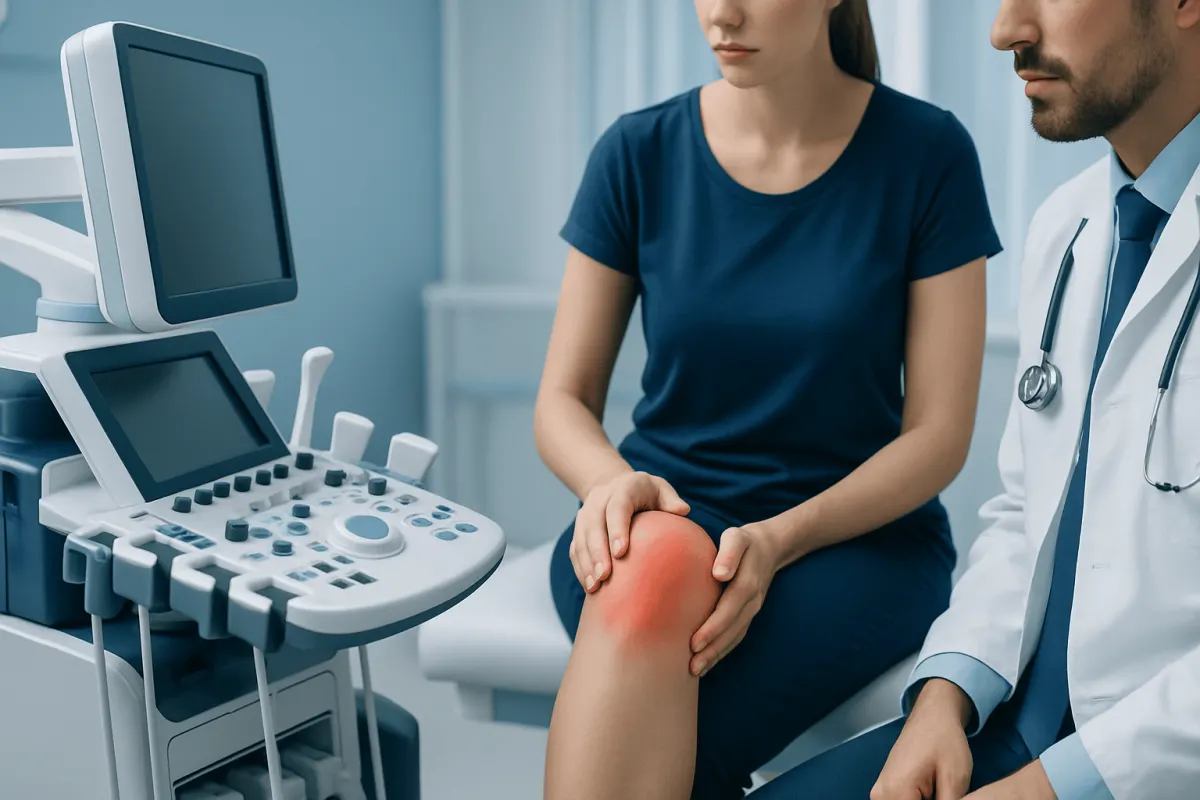
Red hot kneecaps usually mean that inflammation is increasing blood flow around the knee. Minor strain can contribute, but sudden warmth, redness, swelling, fever, or difficulty moving the joint should be assessed promptly because infection and crystal arthritis also need to be ruled out.
What do red hot kneecaps mean?
Red hot kneecaps usually reflect inflammation in or around the knee. Inflammation widens small blood vessels and increases blood flow, which can make the skin over the kneecap feel warmer, look pink or red, and become swollen or tender. The change may follow a knock, prolonged kneeling, intense activity, or an arthritis flare. However, it can also occur with conditions that need timely treatment, including infection.
The kneecap, also called the patella, sits at the front of the knee. Pain and warmth felt directly over it may arise from the skin, a fluid-filled sac called a bursa, the tendon, or the joint beneath it. A clinician considers the location of the warmth, how quickly it began, accompanying symptoms, and a person’s health history to identify the most likely cause.
Redness can be harder to recognize on some skin tones. In these cases, a knee may instead appear darker, purplish, or unusually shiny, while feeling noticeably warmer than the other knee. Comparing both knees can be useful, but a warmer knee should not be ignored if there is swelling, pain, illness, or reduced movement.
Patterns that can help identify the cause
The timing and pattern of symptoms can provide useful clues, although they cannot confirm a diagnosis at home. Symptoms after a fall, twist, new exercise routine, or direct blow may suggest a soft-tissue injury. Pain that develops gradually after climbing stairs, squatting, or running may be related to overuse or irritation around the patella.
When swelling is mainly over the front of the kneecap and feels like a soft pocket, prepatellar bursitis may be considered. This is inflammation of the bursa that cushions the kneecap, sometimes associated with frequent kneeling. The area can become warm and tender; if germs enter the bursa through a break in the skin, infection is possible and medical assessment is important.
A rapidly developing painful, swollen joint can occur with crystal arthritis such as gout, even though gout more often affects the big toe. Inflammatory arthritis can also cause warm, stiff joints, particularly after rest. Osteoarthritis may cause aching and stiffness, but pronounced redness and heat are less typical and should not automatically be attributed to wear and tear.
A hot, swollen knee that becomes painful over hours or days, especially with fever or feeling unwell, can be a sign of septic arthritis, an infection within the joint. This is a medical urgency because joint infection can damage cartilage if treatment is delayed.
Common causes and risk factors
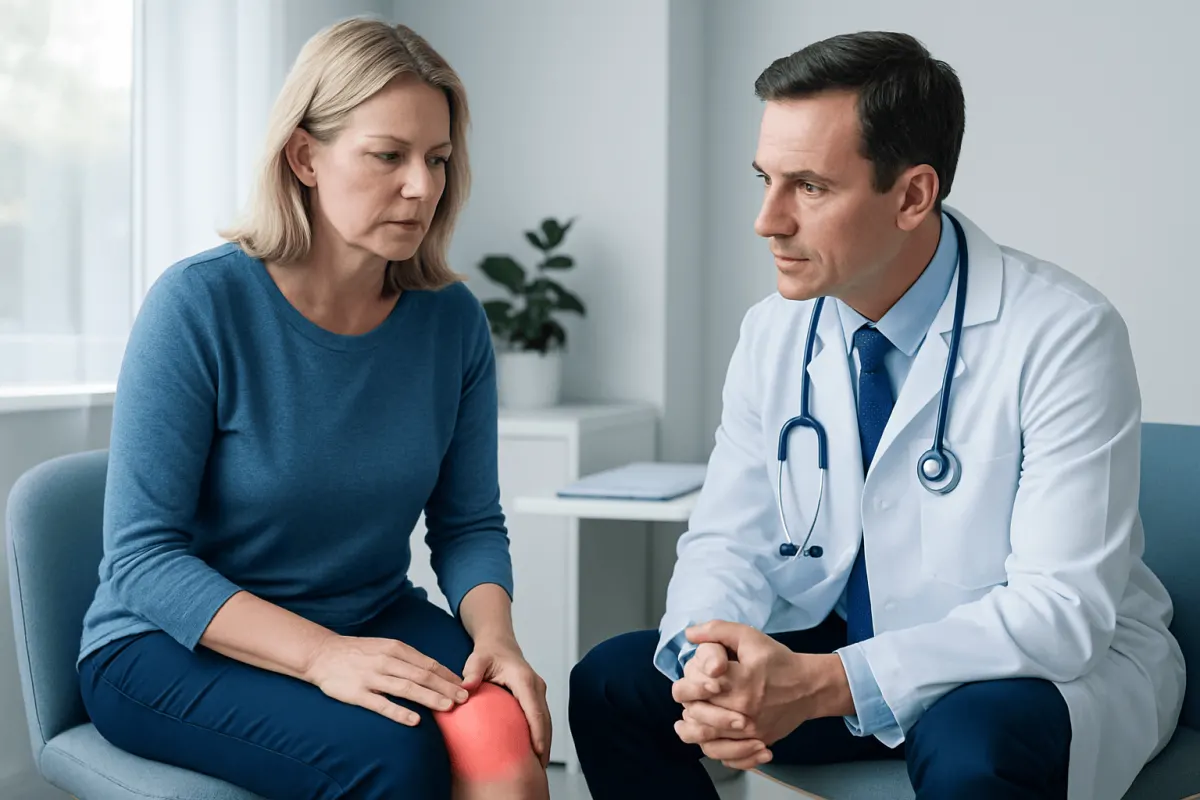
Possible causes of red hot kneecaps range from local irritation to joint disease. The most appropriate treatment depends on the cause, so it is important not to self-diagnose solely from appearance. A clinician may consider injury, tendon or bursa inflammation, arthritis, infection, skin inflammation, circulation problems, and less commonly other medical conditions.
- Injury or overuse: sprains, bruising, tendon irritation, or cartilage injury can lead to pain, swelling and warmth.
- Bursitis: repeated pressure on the knee, particularly frequent kneeling, can inflame the bursa in front of the patella.
- Arthritis: osteoarthritis, rheumatoid arthritis and other inflammatory joint conditions can cause pain, stiffness and swelling. More information about arthritis may be helpful for people with recurring joint symptoms.
- Gout or pseudogout: crystals in the joint can trigger sudden, intense inflammation.
- Infection: bacteria can infect the skin, bursa or joint, sometimes after a cut, injection, surgery, or spread from another area of the body.
Risk may be higher in people with diabetes, reduced immune function, inflammatory arthritis, gout, a recent knee procedure, artificial joint, or skin wound near the knee. These factors do not mean that a serious condition is present, but they lower the threshold for seeking medical advice promptly.
How clinicians assess a hot, red knee
Assessment starts with questions about the onset of symptoms, recent injuries, activities, medical conditions, medicines, previous joint problems, infections, and whether there has been a wound or bite near the knee. The clinician examines both knees, checking the exact location of tenderness, swelling, skin changes, range of movement, stability and ability to bear weight.
Tests are selected according to the clinical picture. An X-ray can help identify fracture, joint changes or other bony concerns. Ultrasound may show fluid in a bursa or joint and can guide a procedure if fluid needs to be collected. MRI is sometimes used when injury to cartilage, ligaments, tendons or other deeper structures is suspected.
Blood tests may show signs of inflammation or infection but do not identify every cause on their own. If a joint is significantly swollen, a clinician may use a sterile needle to remove a sample of fluid. Analysis of this fluid can look for bacteria, crystals, blood or inflammation and is particularly important when septic arthritis or crystal arthritis is possible.
People should tell the clinician about fever, chills, a recent illness, new medications, past episodes of gout, immune-suppressing treatment, and any implanted joint. These details can make a meaningful difference to the urgency and choice of investigation.
Treatment options depend on the diagnosis
Care for red hot kneecaps is directed at the underlying problem. For a mild injury or overuse-related irritation, a clinician may recommend temporarily reducing painful activities, protecting the knee, using a cool pack wrapped in cloth for short periods, and gradually returning to movement as symptoms settle. Elevating the leg may help swelling. Pain-relieving or anti-inflammatory medicines may be suitable for some people, but should be chosen with a pharmacist or doctor when there are kidney, stomach, heart, bleeding, pregnancy, or medication-related considerations.
Bursitis may improve with activity modification and treatment of the irritation. If an infection is suspected, antibiotics and sometimes drainage are needed. Crystal arthritis may be treated with anti-inflammatory medicines prescribed according to the individual’s health needs. Long-term prevention of recurrent gout can involve addressing uric acid levels and related risk factors with a clinician.
Inflammatory arthritis often benefits from specialist-led care that controls inflammation and protects joint function. Osteoarthritis management can include exercise therapy, weight management where appropriate, pain management, and targeted treatments. For persistent mechanical knee pain or injury, a clinician may discuss knee replacement only when joint damage is advanced and non-surgical care has not provided sufficient relief.
Joint infection requires urgent hospital-based treatment, commonly including antibiotics and drainage of infected fluid. It should not be managed with home remedies. The treatment plan is individualized after examination and testing.
Safe self-care while arranging advice
For mild symptoms after a clear minor strain, it is reasonable to rest from aggravating activities and avoid deep squats, running, kneeling, or lifting that increases pain. A cool compress can be applied with a cloth barrier to protect the skin. Gentle movement within a comfortable range may help prevent stiffness, but a person should stop if movement sharply worsens pain.
It is best to avoid applying heat to a distinctly red, hot, swollen knee until infection and other important causes have been considered. Massage, forceful stretching, or trying to “walk it off” can aggravate certain injuries. Do not attempt to puncture, drain, or squeeze a swollen kneecap at home.
Writing down when symptoms started, what activity preceded them, changes in swelling, temperature or fever, and any medication taken can help during a medical visit. If a person has had a previous diagnosis of gout or arthritis, they should still seek guidance for a new or unusually severe knee flare rather than assuming it has the same cause.
When to seek medical care
Urgent medical assessment is needed for a knee that is suddenly red, hot, very painful or swollen, particularly if the person has fever, chills, feels generally unwell, cannot bear weight, or cannot bend or straighten the knee. The same applies when symptoms follow a penetrating injury, animal bite, recent surgery or injection, or when there is a spreading red area on the skin.
Prompt same-day advice is also sensible for people with diabetes, a weakened immune system, a joint replacement, rheumatoid arthritis, or medicines that suppress immunity when a knee becomes hot or swollen. These factors can increase the risk of infection or complications.
A non-urgent appointment is appropriate when knee warmth, discomfort, stiffness or swelling persists, recurs, interferes with daily life, or follows an injury that does not improve. Early evaluation can clarify the cause and support a safe recovery. Acıbadem Health Point’s multidisciplinary specialists and JCI-accredited hospitals diagnose and treat knee conditions for international patients.
Frequently asked questions
01Can a red hot knee be caused by exercise?
Yes. A new or intense activity, repeated kneeling, or direct impact can irritate tissues around the knee and cause temporary warmth, tenderness and swelling. However, marked redness, rapidly increasing pain, fever, or substantial swelling should be assessed rather than assumed to be exercise-related.
02Is a hot knee always an infection?
No. Injuries, bursitis, gout and inflammatory arthritis can all make a knee feel hot. Infection is an important possibility because it needs prompt treatment, especially when symptoms begin suddenly or are accompanied by fever, severe pain or feeling unwell.
03Should a red hot kneecap be iced or heated?
A cool pack wrapped in a cloth may be helpful for mild pain and swelling after a minor injury. Avoid direct ice on the skin and avoid heat on a clearly red, hot knee until a clinician has assessed it, as heat may worsen some inflammatory or infectious conditions.
04Can gout affect the knee?
Yes. Although gout often affects the big toe, it can involve the knee and may cause sudden pain, warmth, redness and swelling. Testing joint fluid may be needed to distinguish gout from infection or other forms of arthritis.
05What does septic arthritis feel like in the knee?
Septic arthritis often causes a rapidly painful, swollen, warm joint with reduced ability to move or bear weight. Fever or chills may occur, but not everyone has them. It requires urgent medical evaluation and should not be treated at home.
06How long should knee redness last after an injury?
Mild bruising or irritation may start improving over several days, although recovery varies by injury. Worsening redness, increasing warmth, ongoing swelling, inability to use the knee normally, or no improvement should prompt a medical review.
This article is for general information only and is not a substitute for professional medical advice. Please consult a qualified doctor about your individual situation.
Joint and spine care in Turkey — expert assessment & treatment
JCI-accredited · board-certified surgeons · reply within 24h
Add us as a Preferred Source to see more of our trusted health content across Google Search, AI Overviews and Discover.