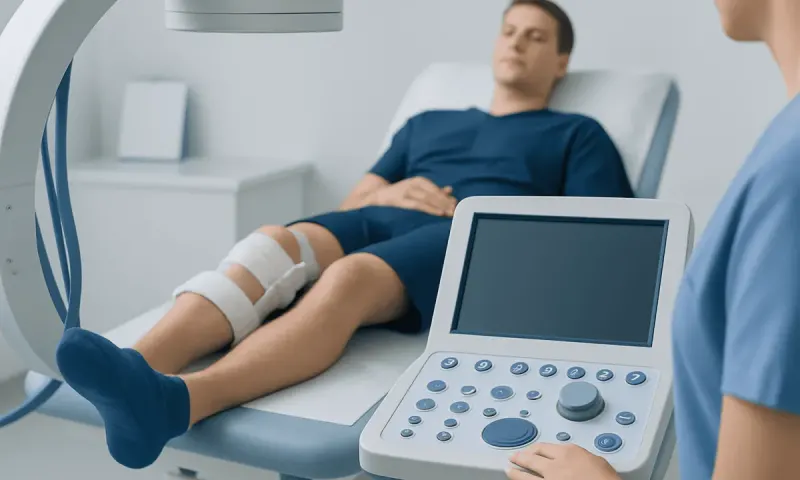
Knee Crepitus: When Clicking May Need Care
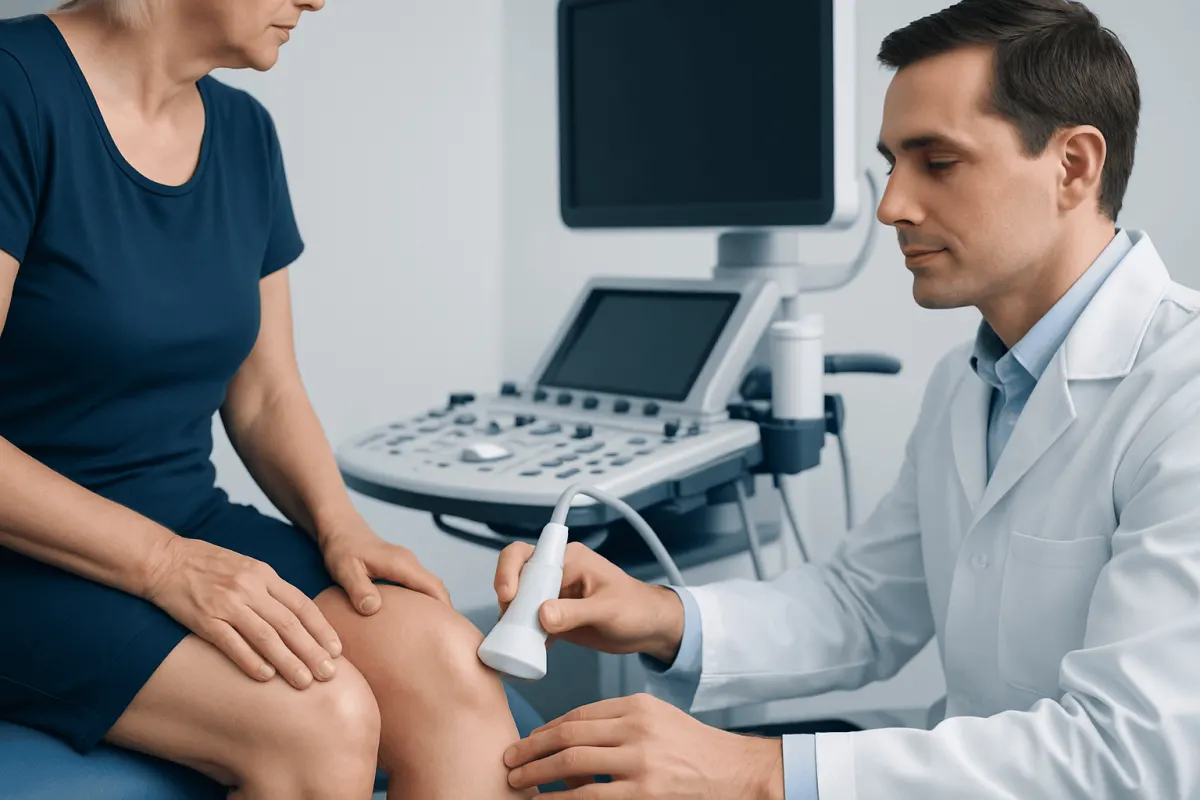
Knee crepitus describes clicking, crackling, popping, or grinding sounds and sensations from the knee joint. It is common and often harmless when there is no pain, swelling, injury, or loss of movement, but persistent symptoms may sometimes point to a joint or soft-tissue condition that deserves medical assessment.
What Is Knee Crepitus?
Knee crepitus is the medical term for a noise, vibration, or sensation that comes from the knee during movement. A person may notice clicking while walking upstairs, popping when standing from a chair, crackling during squats, or a rough grinding feeling when bending and straightening the knee. The sound can be audible to others or felt only by the person moving the joint.
In many cases, knee crepitus is a normal variation. Joints contain fluid, cartilage, tendons, ligaments, and other structures that shift slightly as the knee moves. Small gas bubbles in joint fluid can also form and collapse, creating a pop. If the knee feels comfortable, moves normally, and has no swelling or weakness, the sound alone usually does not require treatment.
However, crepitus can occasionally occur alongside changes in the kneecap joint, cartilage wear, inflammation, an injury, or altered movement patterns. The most useful question is not simply whether the knee makes noise, but whether the noise is new, painful, persistent, or associated with other symptoms. A clinician considers the complete pattern rather than diagnosing a problem from sound alone.
How Knee Crepitus Can Feel and What Symptoms Matter
People use different words to describe knee crepitus. A sharp pop may happen with a single movement, whereas crackling may be felt repeatedly as the knee bends. Grinding, sometimes called creaking, may be more noticeable during weight-bearing activities such as climbing stairs, kneeling, lunging, or rising from a low seat. Some people notice it in both knees, while others have symptoms on one side only.
Painless popping or crackling is usually less concerning than crepitus accompanied by symptoms. Pain at the front of the knee, stiffness after rest, recurrent swelling, tenderness, or difficulty with everyday activities may suggest that the joint should be evaluated. Symptoms can develop gradually or begin after a fall, twist, sporting injury, or increase in exercise intensity.
The following features are especially helpful to note before a medical appointment:
- Whether the sound started suddenly or has gradually increased
- The location of pain, if present, such as the front, inside, outside, or back of the knee
- Swelling, warmth, redness, or stiffness
- A feeling that the knee catches, locks, gives way, or cannot fully bend or straighten
- Recent injury, changes in activity, new footwear, or changes in training surface
- Whether stairs, squats, running, prolonged sitting, or kneeling make symptoms worse
Why Does the Knee Make Clicking or Grinding Sounds?

The knee is a complex joint involving the thighbone, shinbone, kneecap, cartilage, ligaments, menisci, tendons, and joint lining. Crepitus can arise when any of these structures move over one another. In a healthy knee, this may simply reflect normal joint mechanics or the release of gas bubbles from synovial fluid, the lubricating fluid inside the joint.
One common source of symptoms is the patellofemoral joint, where the kneecap moves in a groove at the end of the thighbone. If the kneecap does not glide smoothly, a person may notice crackling or grinding at the front of the knee, particularly during stairs, squatting, or sitting with bent knees for a long time. Muscle weakness, tightness, previous injury, or changes in movement control can affect how forces pass through this area.
Cartilage changes may also contribute. Pain Relief, and Mobility Care" class="ahp-ilk">Osteoarthritis involves gradual changes in joint cartilage and underlying bone and becomes more common with age, although it can affect younger adults as well. Crepitus may occur with osteoarthritis, but sound by itself cannot confirm the condition. Pain related to activity, short-lived stiffness after inactivity, reduced movement, and bony enlargement are more informative clinical clues.
Less commonly, a meniscus injury, loose piece of cartilage or bone, tendon movement, inflammatory joint disease, or a ligament injury may cause clicking or popping. A sudden pop at the time of an injury, particularly followed by swelling or instability, has a different significance from long-standing painless crackling and should be assessed promptly.
Risk Factors and Everyday Triggers
Knee crepitus can occur at any age and in people with different activity levels. Repeated bending and loading of the knee may make sounds more noticeable. Running, jumping, deep squatting, stair climbing, cycling with an unsuitable setup, or a sudden rise in training volume can temporarily increase irritation around the joint, especially when the body has not had time to adapt.
Previous knee injury is an important risk factor for later symptoms. Injuries to the anterior cruciate ligament, meniscus, kneecap, or joint cartilage can change the way the knee absorbs force. Surgery or prolonged periods of reduced activity may also be followed by weakness in the thigh or hip muscles, which can influence knee control during walking and exercise.
Body weight, muscle strength, joint alignment, footwear, and work demands can all affect knee loading. These factors do not mean that crepitus is inevitable or that activity should be avoided. Instead, they help explain why a gradual, individualized approach to movement and strengthening is often more useful than pushing through pain or completely resting the knee for long periods.
How Knee Crepitus Is Assessed
A doctor usually begins with a detailed history. They may ask when the noise started, whether there was an injury, which activities trigger it, and whether pain, swelling, locking, or instability is present. They will also consider general health conditions, previous knee treatment, exercise habits, occupation, and medications where relevant.
During the physical examination, the clinician may observe walking, check knee alignment and range of motion, feel for swelling or tenderness, and assess the stability of the ligaments. They may ask the person to squat, step up, or bend and straighten the knee. The presence of crepitus can be recorded, but examination focuses on function and signs of an underlying problem rather than the sound alone.
Imaging is not always needed for painless knee crepitus. An X-ray may be useful when osteoarthritis, a fracture, or structural bone changes are suspected. Magnetic resonance imaging may be considered when symptoms suggest a meniscus, ligament, cartilage, or other soft-tissue injury, particularly if symptoms persist despite appropriate conservative care. Blood tests are sometimes used if inflammatory arthritis or infection is a concern.
Treatment Options and Self-Care
Treatment for knee crepitus depends on its cause and on whether it affects comfort or function. Painless knee noise generally needs reassurance rather than medical treatment. When there is mild discomfort, a clinician may recommend temporarily reducing activities that clearly worsen symptoms while maintaining gentle movement. Complete inactivity can lead to stiffness and muscle weakness, so it is usually better to stay active within comfortable limits.
Targeted exercise is often a central part of care for non-urgent knee symptoms. Strengthening the quadriceps, hip muscles, and core can improve support and movement control around the knee. Flexibility and balance work may also be helpful. A physiotherapist can tailor an exercise program and review techniques for activities such as squatting, climbing stairs, running, or returning to sport.
Other measures may include ice after a painful activity, heat for temporary stiffness, supportive footwear, or adjusting training volume and surfaces. For people with osteoarthritis or repeated knee discomfort, gradual weight management where appropriate can reduce load on the knee and support overall health. A doctor or pharmacist can advise whether pain-relieving medicines are suitable, taking into account medical history and other medicines.
If there is a specific injury or condition, treatment may involve bracing, rehabilitation, injections in selected cases, or surgery when conservative options have not helped and there is a clear structural reason to intervene. Surgery is not a routine treatment for knee noises alone. The goal is to improve pain, stability, function, and quality of life rather than eliminate every sound from the joint.
When to Seek Medical Care
A routine medical appointment is appropriate when knee crepitus is persistent and painful, interferes with normal activities, or is accompanied by swelling, stiffness, reduced range of motion, or repeated giving way. It is also sensible to seek assessment if symptoms do not improve after several weeks of activity modification and guided strengthening, or if a person is unsure how to safely return to exercise.
More urgent assessment is needed after a significant injury if there is immediate swelling, inability to bear weight, visible deformity, severe pain, or an inability to fully straighten the knee. A knee that becomes hot, red, markedly swollen, or painful with fever or feeling unwell requires prompt medical attention because infection or significant inflammation must be ruled out.
People with persistent or complex knee symptoms may benefit from an assessment by an orthopedic specialist, sports medicine doctor, rheumatologist, or physiotherapist, depending on the suspected cause. Acıbadem Health Point’s multidisciplinary specialists and JCI-accredited hospitals evaluate and treat knee conditions for international patients, with care plans based on clinical findings and individual needs.
Frequently asked questions
01Is knee crepitus normal?
Knee crepitus is often normal, particularly when it is painless and the knee functions well. Joint fluid, tendons, and normal movement of the kneecap can create popping or crackling sounds. A new or worsening sound with pain, swelling, locking, or instability should be checked by a healthcare professional.
02Does knee crepitus mean arthritis?
No. Crepitus can occur with osteoarthritis, but it does not diagnose arthritis on its own. Many people have noisy knees without joint disease, while arthritis is assessed through symptoms, examination findings, and sometimes imaging. Pain with activity, stiffness, swelling, and reduced function are more relevant than noise alone.
03Can exercise make knee crepitus worse?
Exercise may make knee sounds more noticeable, but sound without pain is not usually harmful. If an activity causes pain, swelling, or a feeling of instability, it may need to be modified until the knee is assessed. Gradual strengthening and appropriate technique can often help support the knee.
04Why does my knee crack when I squat?
Squatting places load through the kneecap joint and can make normal joint movement more audible. Muscle weakness, tightness, altered kneecap tracking, or cartilage changes may also contribute in some people. If squatting causes pain or swelling, a clinician or physiotherapist can help identify contributing factors.
05Can knee crepitus be cured?
Painless knee sounds do not need to be cured. When crepitus is linked to pain or a specific condition, treatment focuses on addressing the cause, improving movement, and reducing symptoms. It may not be necessary, or possible, to remove every sound if the knee is otherwise healthy and functional.
06Should I stop exercising if my knee clicks?
A painless click alone usually does not mean exercise must stop. It is reasonable to continue comfortable activities and increase intensity gradually. Stop or modify exercise and seek medical advice if clicking is associated with sharp pain, swelling, catching, giving way, or symptoms after an injury.
This article is for general information only and is not a substitute for professional medical advice. Please consult a qualified doctor about your individual situation.
Persistent digestive symptoms? Get evaluated in Turkey
JCI-accredited · board-certified surgeons · reply within 24h
Add us as a Preferred Source to see more of our trusted health content across Google Search, AI Overviews and Discover.