What Happens During and After Rectus Resection for Strabismus
Maybe you’ve noticed one eye drifting outward in photos, or you keep tilting your head to see clearly. When glasses and other treatments aren’t enough, an eye-muscle operation may come up in conversation with your eye doctor.
Rectus resection is one of those operations. It strengthens a rectus muscle to improve eye alignment in certain types of strabismus. Recovery happens gradually over several weeks, and the final alignment may take longer than that to stabilize.
Overview: What Is Rectus Resection?
Rectus resection is a type of strabismus surgery that strengthens one of the six muscles controlling eye movement. During the procedure, an ophthalmic surgeon removes a measured small section of a rectus muscle and reattaches the shortened muscle to the surface of the eye. This increases its pulling effect and can help bring an eye into better alignment.
Strabismus means that the eyes do not point in the same direction consistently. Depending on the pattern of misalignment, a surgeon may recommend resection of the medial, lateral, superior or inferior rectus muscle. A rectus resection is commonly paired with a recession, which weakens a different eye muscle by moving its attachment farther back on the eye.
This is about more than how the eyes look. Better alignment may support comfortable single vision in suitable patients, reduce an abnormal head posture, and ease the social and functional effects of a visible eye turn. Your plan is worked out individually, after detailed eye-movement testing and a talk about what you want from your vision.
How Rectus Resection Works and Who May Be a Candidate
Eye muscles are attached to the sclera, the white outer coat of the eye. In rectus resection surgery, shortening the selected muscle increases the tension it applies when it contracts. For example, medial rectus resection may be used in selected forms of outward eye deviation, while lateral rectus resection may be considered for selected inward deviations. The best muscle and amount of correction depend on the direction, size and cause of the deviation.
Potential candidates include children and adults with strabismus that is persistent, clinically significant, or not adequately controlled with glasses, patching, exercises, prism lenses or treatment of an underlying eye condition. Surgery may also be considered when a deviation causes double vision, loss of binocular coordination, head turning, eyestrain, or difficulty with appearance-related confidence.
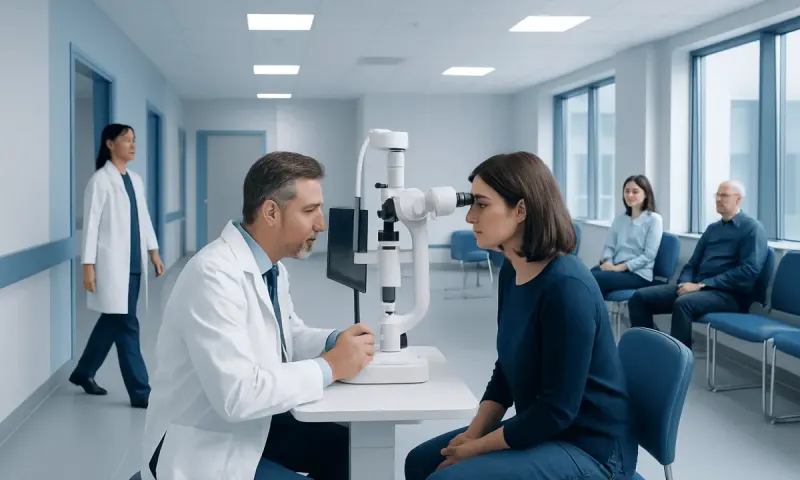
Before recommending surgery, the eye specialist assesses visual acuity, refractive error, eye movements, alignment at distance and near, and whether double vision is present. They may also assess retinal and optic nerve health, eyelid position and prior eye operations. A new or rapidly changing eye turn needs evaluation for an underlying neurologic, muscular or eye-related cause before surgery is planned.
- Children may need an assessment of amblyopia, sometimes called lazy eye.
- Adults with new double vision may require additional testing before an operation is considered.
- Previous strabismus surgery, thyroid eye disease, trauma and nerve palsy can make planning more complex.
Rectus Resection Procedure: Step by Step

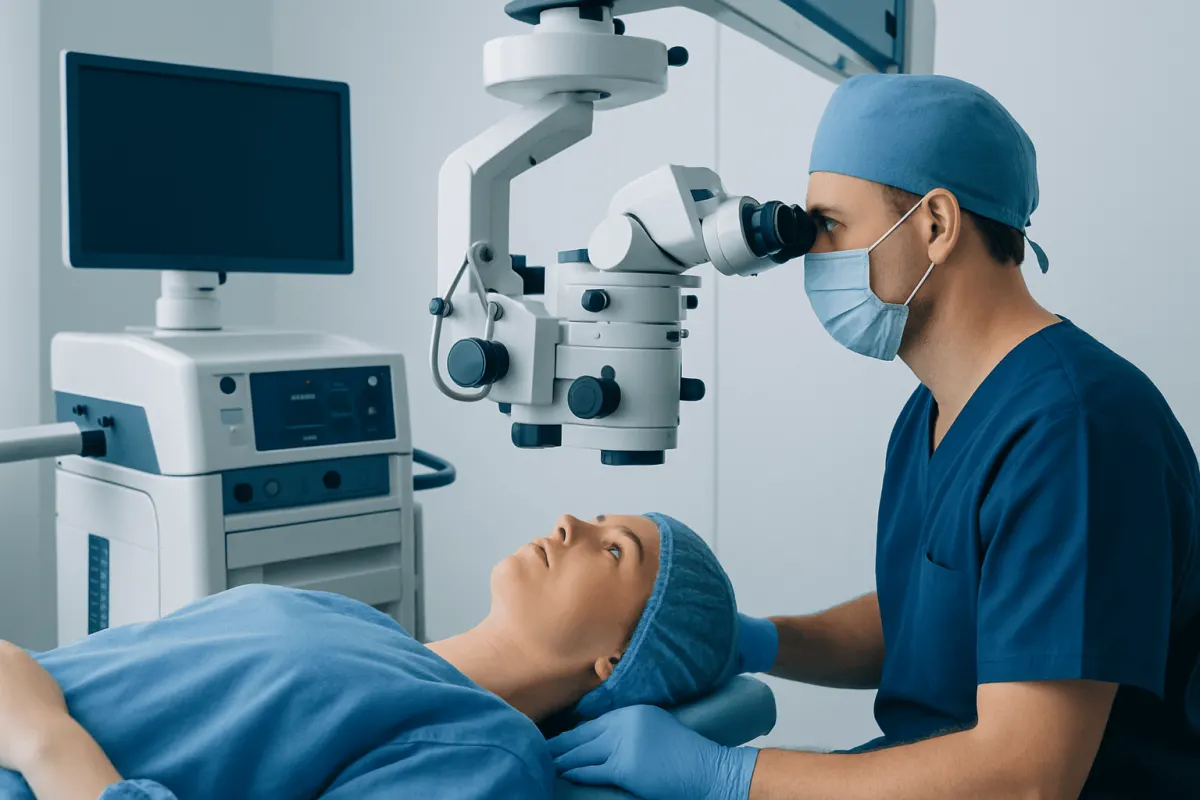
Rectus resection is generally performed as a day procedure. Children commonly receive general anesthesia. Adults may have general anesthesia or, in some settings, local anesthesia with sedation, depending on their health, preferences and the surgeon’s approach. The person should follow the care team’s instructions about eating, drinking and medicines before the operation.
The surgeon makes a small incision in the conjunctiva, the thin clear tissue covering the white of the eye, to reach the selected muscle. The muscle is carefully isolated, secured with sutures, detached or prepared as needed, and a planned segment is removed. The shortened muscle is then reattached at the appropriate location. The conjunctiva is closed with fine absorbable sutures.
In many cases, the surgeon performs more than one muscle adjustment in the same operation. This may involve operating on two muscles in one eye or treating muscles in both eyes. Some adults may be offered adjustable sutures, which can allow a small alignment refinement soon after surgery if clinically appropriate.
The procedure usually takes less than a few hours, but the total time at the hospital includes anesthesia preparation and recovery. The surgeon provides individualized instructions for eye drops, pain relief, activity and follow-up before the person goes home.
Benefits, Results and How Long Eyes Take to Settle
The main benefit of rectus resection is a stronger pull from the treated muscle, helping correct a specific pattern of eye misalignment. A successful result may improve eye position, reduce double vision for some adults, support binocular function where it is possible, and lessen compensatory head turning. Results vary because strabismus can have many causes and because the brain’s visual adaptation differs between individuals.
How long does it take for eyes to settle after strabismus surgery? Initial redness, swelling and fluctuation in alignment are common during the first days and weeks. Many people see substantial healing within about 4 to 6 weeks, but the eyes may continue to settle over several months. The surgeon determines when alignment is stable enough to judge the final result, prescribe new glasses if needed, or consider any additional treatment.
What is the success rate of medial rectus recession surgery? Medial rectus recession is a different technique from medial rectus resection: recession weakens the medial rectus, whereas resection strengthens it. Reported success rates differ widely across studies because they use different definitions of success, follow-up periods, patient ages and types of strabismus. The treating surgeon can provide the most meaningful estimate after measuring the individual deviation and considering factors such as previous surgery, vision in each eye and the cause of strabismus.
Even after a technically successful operation, some people continue to need glasses, prism lenses, amblyopia treatment, vision therapy when appropriate, or further surgery. Small residual deviations do not always require treatment if vision is comfortable and the eyes remain functionally aligned.
Rectus Surgery Recovery Time and Aftercare
After surgery, the eye may feel scratchy, watery or mildly painful, and it often looks red. Light sensitivity, temporary blurred vision and a sensation of something in the eye can occur while the conjunctiva heals. These symptoms generally improve progressively. The surgeon may prescribe antibiotic and anti-inflammatory drops or ointment and recommend simple pain relief when needed.
The first few days are usually focused on rest, using prescribed medicines correctly and protecting the eye from irritants. Return to school, office work or other light activity often depends on comfort and vision, while timing for sport, swimming, heavy lifting and contact activities should follow the surgeon’s specific advice. Recovery may be longer when several muscles were treated, when surgery was complex, or when another eye condition is present.
What not to do after eye muscle surgery? Don’t rub or press on the operated eye, don’t use eye drops that weren’t prescribed for you, and stay out of pools and hot tubs until you are cleared. Hold off on contact sports until your surgeon says yes. Keep soap, makeup and unclean water out of the eye during early healing, and don’t drive until your vision is clear enough and your care team agrees it is safe.
At follow-up visits your surgeon checks healing, measures alignment and deals with symptoms such as persistent double vision. Keep every appointment, even if the eye looks like it is healing perfectly well.
Risks and What Happens if the Medial Rectus Is Damaged
Strabismus surgery is commonly performed and is generally safe in experienced hands, but every operation has risks. Possible short-term effects include redness, discomfort, swelling, tearing, bruising and temporary double vision. Less common risks include infection, bleeding, allergic reaction to medicines or anesthesia-related complications.
Alignment-specific risks include undercorrection, overcorrection, a recurrent eye turn, new or persistent double vision, and the need for further treatment or surgery. Rarely, an operation can affect the surface of the eye, cause a slipped or lost muscle, or lead to significant vision complications. The surgeon explains individual risks before consent, particularly for people with prior operations, scarring or complex strabismus.
What happens if the medial rectus is damaged? The medial rectus normally turns the eye inward toward the nose. Significant injury, scarring, weakening or detachment may reduce this inward movement and can cause an outward eye deviation, double vision or difficulty coordinating the eyes. Prompt assessment by an ophthalmologist is important, because management depends on the type and extent of the injury and may include observation, prism correction, botulinum toxin in selected circumstances, or surgical repair.
Severe pain, worsening vision, marked swelling, increasing discharge or a sudden change in eye movement after surgery is not routine healing. Call your surgical team or an urgent eye-care service.
When to Seek Medical Care
A planned review with an ophthalmologist is appropriate for any persistent eye turn, recurring double vision, unexplained head tilt, or difficulty using both eyes together. Infants and children with suspected strabismus should be assessed promptly because early evaluation can help identify amblyopia and other vision problems while treatment options are most effective.
Urgent medical assessment is needed for sudden-onset double vision, a new eye turn with severe headache, weakness, facial drooping, speech difficulty, loss of balance, eye pain, or reduced vision. These symptoms can have causes beyond strabismus and should be evaluated without delay.
After rectus resection surgery, call your surgical team urgently if pain is getting worse instead of better, or if you notice reduced vision, increasing redness or swelling, pus-like discharge, fever, persistent vomiting, or an inability to move the eye normally. Acıbadem Health Point’s multidisciplinary specialists and JCI-accredited hospitals provide evaluation and treatment for international patients with strabismus and related eye-movement concerns.
Frequently asked questions
01Is rectus resection painful?
The operation itself is performed with anesthesia, so pain is not expected during surgery. Mild soreness, grittiness and irritation are common afterward and usually improve as the surface of the eye heals. The surgical team can advise on appropriate pain relief.
02Is rectus resection the same as recession?
No. Resection strengthens a muscle by shortening it, while recession weakens a muscle by moving its attachment farther back on the eye. Surgeons may use one technique or combine both, depending on the direction and amount of eye misalignment.
03How long is rectus surgery recovery time?
Many people feel more comfortable within several days to a few weeks, while visible redness often takes several weeks to fade. Eye alignment may continue to settle for months. The individual timeline depends on the number of muscles treated, the type of strabismus and overall healing.
04Can strabismus return after rectus resection surgery?
Yes, a deviation can recur or change over time, even after initially satisfactory alignment. This does not necessarily mean the operation was unsuccessful, as eye alignment can be affected by growth, vision changes, scarring and the original cause of strabismus. Follow-up helps determine whether any further treatment is needed.
05Will glasses still be needed after eye muscle surgery?
Many people still need glasses after surgery because the procedure changes muscle balance, not refractive error such as nearsightedness, farsightedness or astigmatism. In some cases, a new prescription or prism lenses may help vision after alignment has stabilized. The eye specialist will advise when refraction should be reassessed.
06Can adults have rectus resection surgery?
Yes. Adults can have strabismus surgery for long-standing or newly developed eye misalignment after appropriate assessment. The goals may include improving alignment, reducing double vision, easing an abnormal head position and improving visual comfort.
This article is for general information only and is not a substitute for professional medical advice. Please consult a qualified doctor about your individual situation.
Joint and spine care in Turkey — expert assessment & treatment
JCI-accredited · board-certified surgeons · reply within 24h
Add us as a Preferred Source to see more of our trusted health content across Google Search, AI Overviews and Discover.