Eye Exam: What Happens, What Doctors Check, and When You Need One
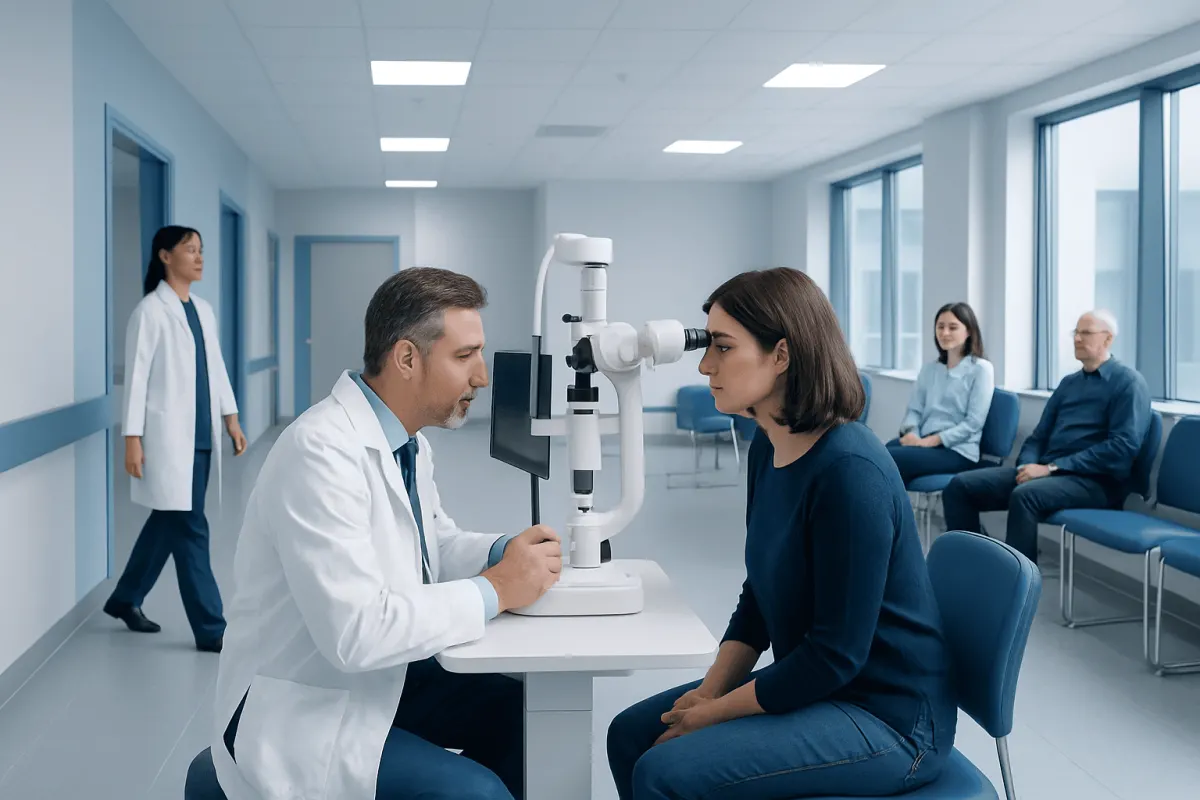
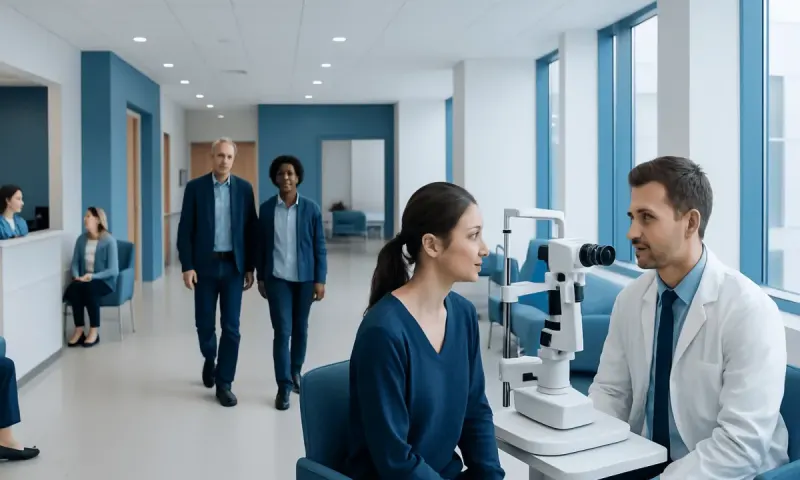
An eye exam does more than measure eyesight. It helps check overall eye health, detect common vision problems, and sometimes spot early signs of broader health conditions.
Overview: What an Eye Exam Is
An eye exam is a series of tests used to assess how well a person sees and to examine the structure and health of the eyes. It is usually performed by an ophthalmologist or optometrist, and the exact tests can vary based on age, symptoms, medical history, and whether the visit is routine or related to a specific concern.
Many people think of an eye exam mainly as a way to update glasses or contact lens prescriptions. While that is an important part of care, a comprehensive eye exam can also help identify conditions such as refractive errors, cataracts, glaucoma, retinal disease, and dry eye. In some cases, it may also reveal signs linked to general health issues such as diabetes or high blood pressure.
Regular eye exams are valuable because not all eye conditions cause symptoms at first. A person may feel that vision is normal while subtle changes are developing. Early detection often makes monitoring and treatment easier and can help protect long-term vision.
What Happens During an Eye Exam
An eye exam usually begins with questions about symptoms, medical history, medicines, past eye problems, family history of eye disease, and whether the person wears glasses or contact lenses. The doctor may ask about headaches, eye strain, blurred vision, light sensitivity, or difficulties with reading, driving, or screen use.
Vision testing often includes reading letters on a chart to measure distance vision and separate tests for near vision. The doctor may also check how the eyes move, how the pupils react to light, and whether the eyes work together properly. If glasses are needed, refraction testing helps determine the most suitable lens prescription.
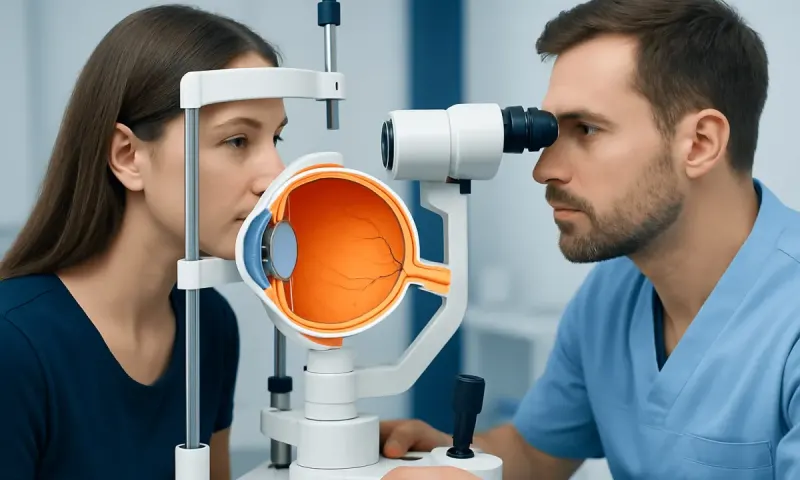
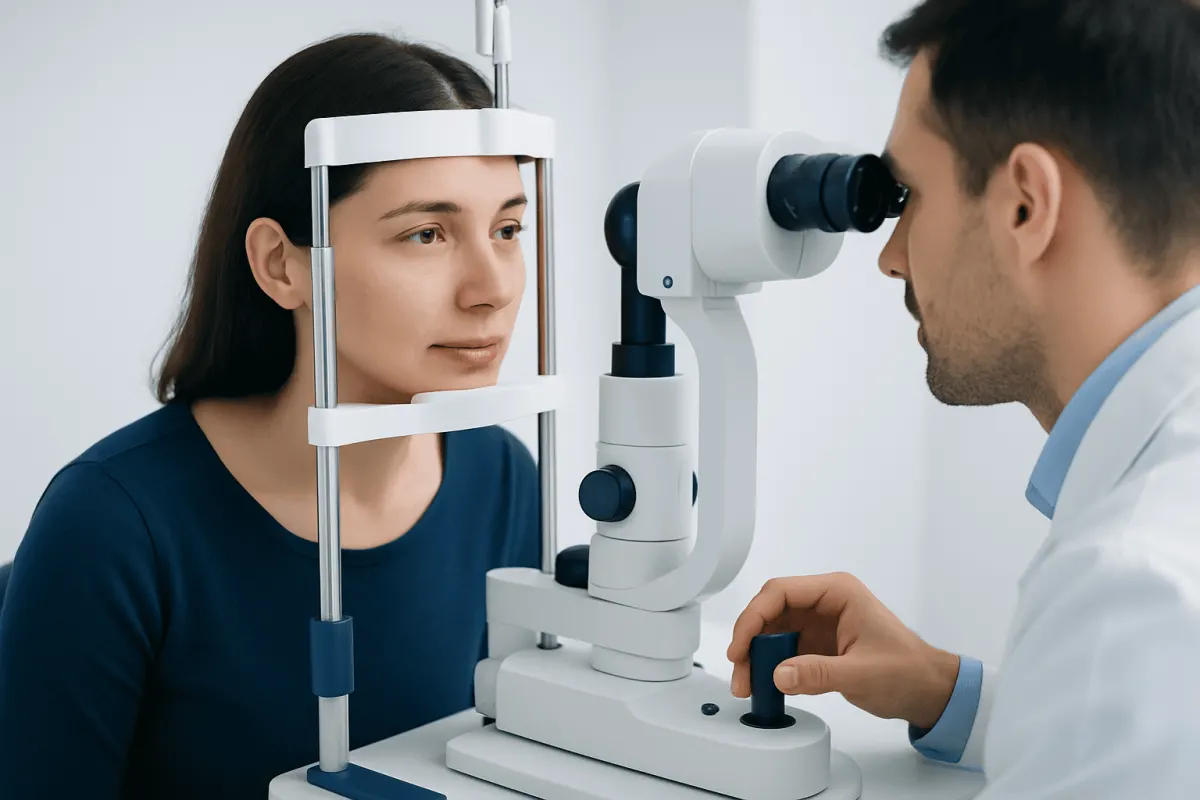
Other common parts of an eye exam include a slit-lamp examination to inspect the front of the eye, measurement of eye pressure, and an internal eye examination to look at the retina and optic nerve. Sometimes eye drops are used to dilate the pupils so the doctor can see the back of the eye more clearly. Dilating drops can temporarily blur close vision and increase light sensitivity for a few hours.
Depending on the reason for the visit, additional tests may be recommended. These might include visual field testing, color vision testing, retinal imaging, or corneal measurements. If a more detailed review is needed, the ophthalmologist may discuss further evaluation for conditions such as glaucoma or retinal disorders.
What Doctors Check During the Exam
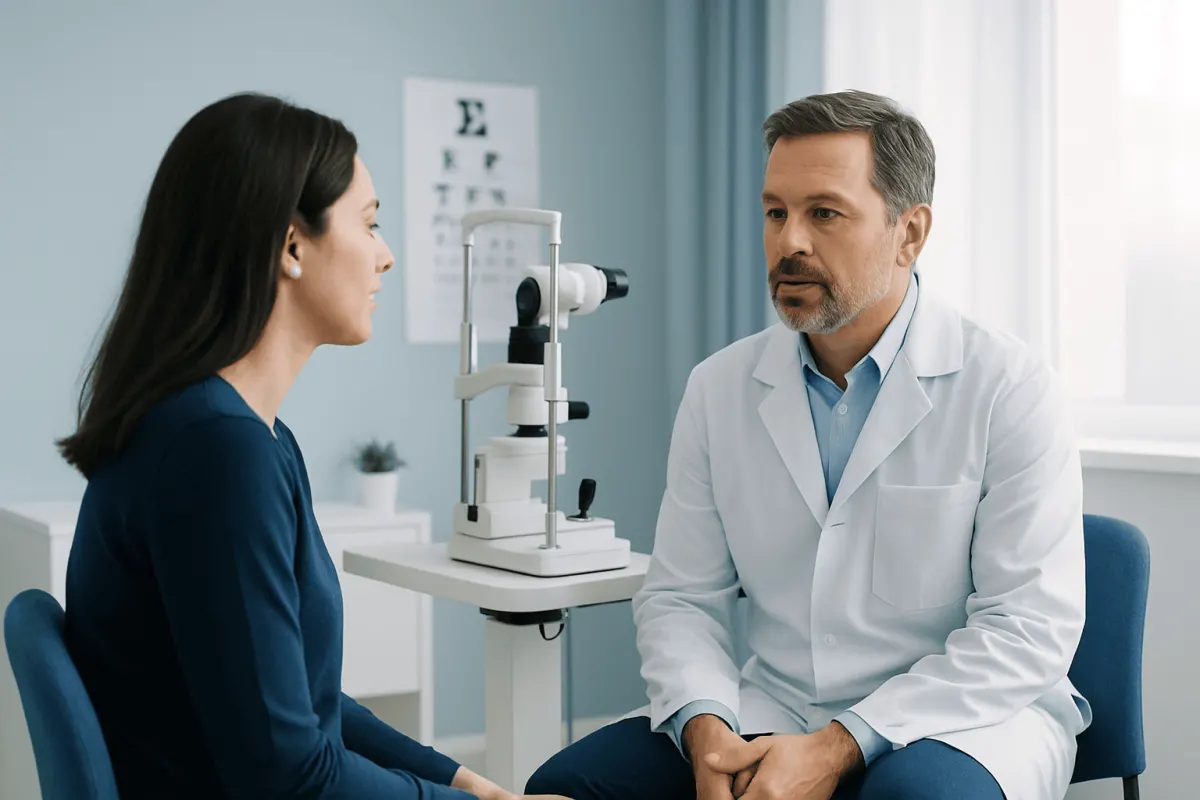
During an eye exam, doctors check several aspects of vision and eye health. One key area is visual clarity, including nearsightedness, farsightedness, astigmatism, and age-related near-vision changes. These are common causes of blurred vision and can often be corrected with glasses, contact lenses, or other treatment options.
The front of the eye is also examined carefully. This includes the eyelids, tear film, conjunctiva, cornea, iris, and lens. The doctor looks for signs of dryness, inflammation, infection, injury, allergy-related changes, and cataract formation. If needed, further care may be discussed for issues affecting the cornea or lens.
The back of the eye is especially important because it includes the retina, macula, blood vessels, and optic nerve. Changes in these structures can affect vision and may indicate diseases that need treatment or monitoring. A dilated exam can help detect retinal tears, macular degeneration, diabetic eye disease, and optic nerve changes related to glaucoma.
Eye pressure may also be measured as part of glaucoma screening, but pressure alone does not diagnose or rule out the condition. Doctors interpret this result together with optic nerve appearance, visual field findings, and other exam details. This is why a full eye assessment is often more helpful than a single screening test.
Symptoms and Signs That Mean an Eye Exam Is Needed
Even without symptoms, regular eye exams are important. However, certain changes should prompt an earlier visit. Blurred vision, difficulty reading, frequent squinting, headaches linked to visual tasks, double vision, eye strain, or trouble seeing at night can all suggest that the eyes need assessment.
Other reasons to arrange an eye exam include dry, irritated, red, watery, or itchy eyes, especially if the symptoms continue or keep returning. Some people notice fluctuating vision, halos around lights, or greater light sensitivity. These symptoms may be related to a simple, treatable issue, but they still deserve professional evaluation.
Urgent symptoms should not wait for a routine appointment. Sudden vision loss, new flashes of light, a sudden increase in floaters, a curtain-like shadow over part of the vision, significant eye pain, or an eye injury need prompt medical attention. These may signal a serious problem involving the retina, eye pressure, infection, or trauma.
- Blurred or changing vision
- Headaches or eye strain during reading or screen use
- Trouble seeing at night
- Redness, dryness, irritation, or discharge
- Flashes, floaters, or sudden loss of vision
Who Needs Regular Eye Exams and How Often
The best timing for eye exams depends on age, general health, family history, and whether a person already has an eye condition. Children need vision checks as part of routine health care because early vision problems can affect learning and development. Adults with no symptoms may still benefit from regular eye exams, with frequency guided by the eye doctor.
People over age 40 may need closer monitoring because the risk of conditions such as presbyopia, cataracts, glaucoma, and retinal disease increases with age. Older adults often need exams more often, especially if they notice changes in vision, falls related to poor sight, or difficulty with daily tasks such as driving or reading labels.
Some groups need more frequent eye exams regardless of age. This includes people with diabetes, high blood pressure, autoimmune disease, a family history of glaucoma or retinal disease, high refractive error, previous eye surgery, or long-term use of certain medicines. Contact lens wearers also need regular follow-up to keep the eyes healthy and the prescription appropriate.
Because individual needs vary, it is best for a person to ask an eye care professional how often to return. A doctor can recommend a schedule based on current findings, risk factors, and whether ongoing monitoring is needed for conditions such as cataract or dry eye.
Diagnosis, Follow-Up, and Possible Treatments
If the exam finds a problem, the next step depends on the cause. Some issues are straightforward and may only require a new glasses prescription, advice on visual habits, or treatment for dry eye. Others may need imaging, repeat pressure checks, visual field testing, or referral to a specialist for closer evaluation.
Common treatments after an eye exam can include prescription glasses, contact lens fitting, lubricating eye drops, medicines for infection or inflammation, and long-term monitoring of chronic eye disease. For some conditions, procedural or surgical treatment may be the most suitable option. Examples include laser eye surgery for selected refractive errors or cataract surgery when lens clouding begins to affect daily life.
If the doctor suspects a retinal problem or glaucoma, ongoing care may be important to protect vision. This can include imaging of the optic nerve or retina, repeat pressure measurements, or treatment planning with an ophthalmologist. In certain situations, the person may be advised to see a retina specialist or to discuss options such as vitrectomy if there is a serious vitreoretinal condition.
Near the end of the visit, the doctor usually explains the findings, whether vision correction is needed, and when to return. If any result is unclear, asking questions can help the person understand the diagnosis, next steps, and how to monitor symptoms at home.
Prevention, Self-Care, and Preparing for an Eye Exam
Good eye care habits can support comfort and long-term vision health. Wearing sunglasses with UV protection, using protective eyewear for sports or hazardous work, managing screen time, and following healthy lifestyle habits all contribute to eye health. People with diabetes or high blood pressure can also help protect their eyes by working with their doctors to keep these conditions well controlled.
For everyday comfort, regular blinking during screen use, adequate lighting, and short visual breaks can reduce strain. Contact lens users should follow cleaning and replacement instructions carefully and avoid wearing lenses longer than advised. Over-the-counter products may help some mild symptoms, but persistent irritation or blurred vision should still be assessed by an eye professional.
Preparing for an eye exam can make the visit smoother. It helps to bring current glasses or contact lens details, a list of medicines, and information about past eye conditions or surgeries. If dilation may be performed, arranging transportation can be useful, since some people prefer not to drive immediately afterward.
For patients seeking coordinated assessment and treatment, Acıbadem Health Point’s multidisciplinary specialists and JCI-accredited hospitals provide eye care for international patients when further investigation or treatment is needed.
When to See a Doctor Promptly
Many eye concerns can be assessed during a routine appointment, but some symptoms should be treated as urgent. Sudden loss of vision, severe eye pain, sudden double vision, new flashes and floaters, or a dark shadow across part of the visual field can point to a condition that needs prompt review.
Redness with pain, light sensitivity, nausea, or rapidly worsening vision also deserves timely medical attention. The same is true after an eye injury, chemical exposure, or when a contact lens wearer develops significant pain or discharge. Delaying care can increase the risk of complications in some eye emergencies.
If a person is unsure whether symptoms are urgent, it is safest to contact an eye doctor or emergency service for guidance. Early assessment can clarify whether the problem is minor or whether immediate treatment is needed to protect vision.
Frequently asked questions
01How long does an eye exam usually take?
A routine eye exam often takes about 30 to 60 minutes, depending on the tests needed. If the pupils are dilated or extra imaging is done, the visit may take longer.
02Does an eye exam hurt?
Most parts of an eye exam are painless. Some tests may feel slightly uncomfortable or unusual, especially bright lights or dilating drops, but they are usually brief and well tolerated.
03Can an eye exam detect diseases other than vision problems?
Yes. An eye exam can sometimes show signs of conditions such as diabetes, high blood pressure, or autoimmune disease because the doctor can directly see blood vessels and nerves inside the eye. It does not replace general medical care, but it can provide useful clues.
04Do people with good eyesight still need an eye exam?
Yes. A person can have good vision and still develop eye disease without noticing symptoms early on. Regular exams help detect problems before they begin to affect sight.
05Should contact lenses be worn to an eye exam?
This depends on the purpose of the visit. It is often helpful to bring contact lenses and glasses, but some doctors may ask patients not to wear lenses for a period before certain measurements, especially if a contact lens fitting or refractive surgery assessment is planned.
06What happens if the doctor finds a problem during the exam?
The doctor will explain the findings and recommend the next step. This may include glasses, eye drops, monitoring, more tests, or referral to a specialist if a more complex eye condition is suspected.
This article is for general information only and is not a substitute for professional medical advice. Please consult a qualified doctor about your individual situation.
Explore treatments in Turkey — costs, top hospitals & a free quote
JCI-accredited · board-certified surgeons · reply within 24h
Add us as a Preferred Source to see more of our trusted health content across Google Search, AI Overviews and Discover.