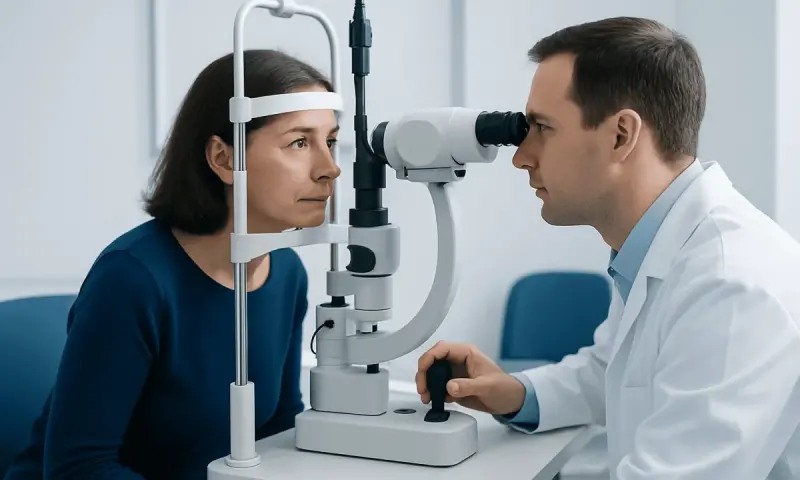
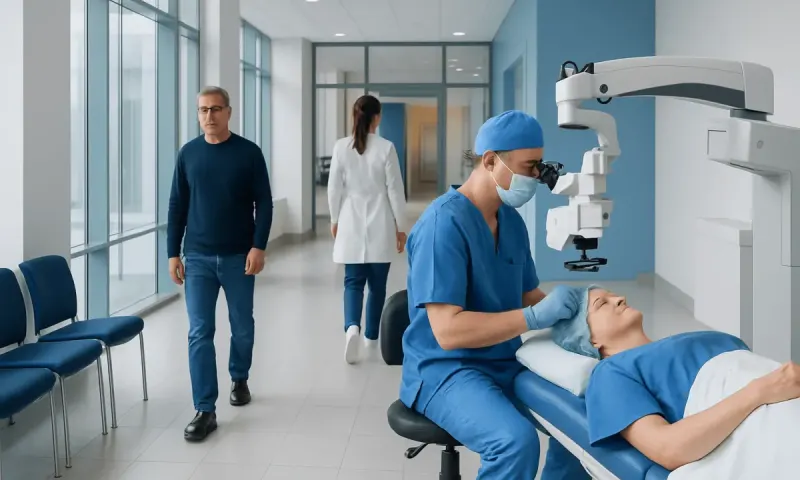
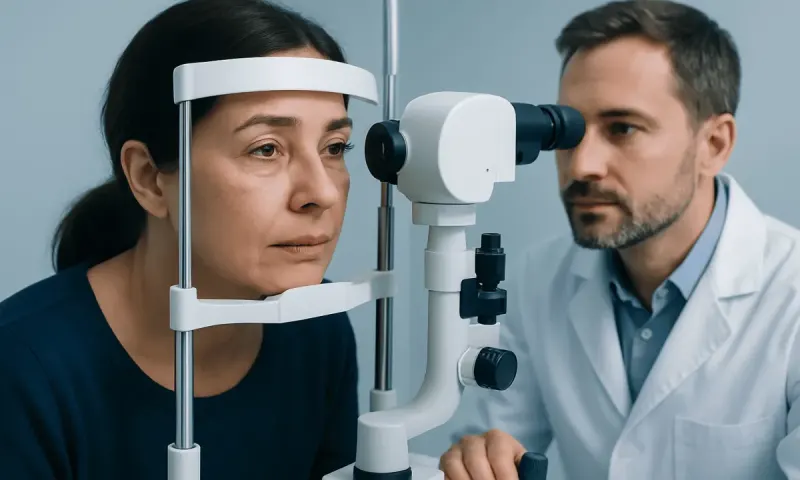
Glaucoma Treatment Options: Drops, Laser, and Surgery Compared

Glaucoma treatment aims to lower pressure inside the eye and help protect the optic nerve from further damage. Depending on the type and stage of glaucoma, care may include eye drops, laser procedures, surgery, or a combination of these approaches.
Overview of Glaucoma Treatment
Glaucoma is a group of eye conditions that can damage the optic nerve, often because pressure inside the eye is too high for that nerve to tolerate. The main goal of treatment is to lower intraocular pressure and reduce the risk of further vision loss. While treatment cannot usually restore vision that has already been lost, it can play an important role in protecting the remaining sight.
There is no single treatment that suits everyone. Doctors choose among medicines, laser procedures, and different types of surgery based on the kind of glaucoma a person has, how advanced it is, how high the eye pressure is, and how quickly changes are occurring. Age, daily routine, ability to use drops correctly, and other health conditions also help shape the treatment plan.
Many people begin with prescription eye drops. Others may benefit from laser treatment early in care, and some need surgery if pressure remains too high or the disease is advanced. In some cases, treatment methods are combined to reach a safe pressure target. This personalized approach is one reason regular eye follow-up is so important.
Symptoms and Why Early Treatment Matters
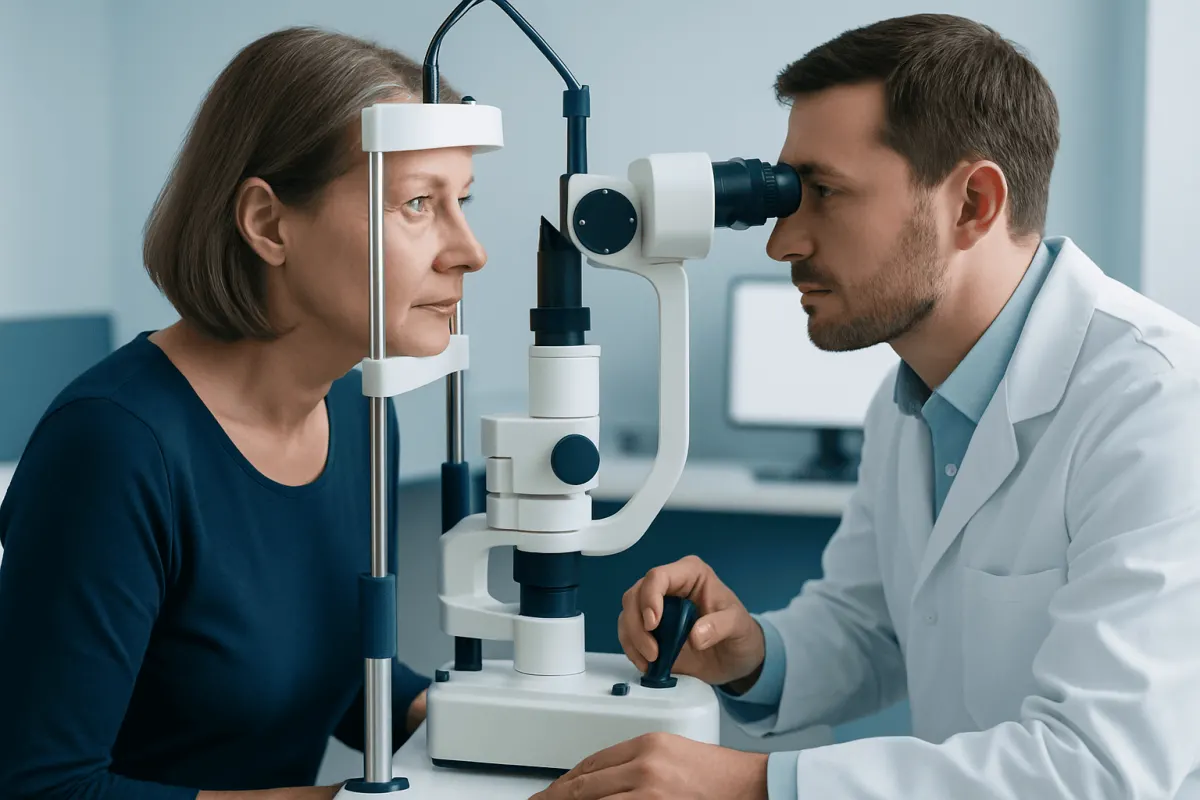
One of the most challenging aspects of glaucoma is that it often develops quietly. In the most common form, open-angle glaucoma, there may be no pain and no noticeable early symptoms. Vision changes usually begin at the edges of the visual field, so many people do not realize anything is wrong until damage is more advanced.
Some types of glaucoma can cause more sudden symptoms. Angle-closure glaucoma may lead to severe eye pain, blurred vision, headache, halos around lights, nausea, or vomiting. This is a medical emergency and needs urgent treatment to prevent rapid vision loss.
Because glaucoma damage can be permanent, early diagnosis and prompt treatment are especially valuable. People may learn more about the condition itself through resources on glaucoma, but the key point is that timely care offers the best chance of protecting long-term vision.
Glaucoma Eye Drops: First-Line Treatment for Many People

For many patients, the first step in treatment is medicated eye drops. These medicines lower eye pressure either by helping fluid drain more effectively from the eye or by reducing the amount of fluid the eye produces. Different classes of drops work in different ways, and some people use more than one medicine if extra pressure control is needed.
Eye drops can be very effective, but they work best when used exactly as prescribed. Missing doses, stopping treatment early, or using poor drop technique can make pressure harder to control. An eye specialist may demonstrate how to place drops properly, including washing hands, avoiding touching the bottle tip to the eye, and gently closing the eye afterward.
Like all medicines, glaucoma drops can have side effects. Some may cause redness, irritation, dry eyes, stinging, changes in eyelash growth, or darkening around the iris or eyelid. Others can have body-wide effects, especially in people with asthma, certain heart conditions, or low blood pressure. Patients should tell their doctor about all medications and health conditions so treatment can be chosen safely.
If one type of drop is not effective enough or causes bothersome side effects, the doctor may change to another option or add a second medicine. In some cases, people who find daily drops difficult may be offered laser treatment earlier. Ongoing pressure checks help determine whether the drops are reaching the target pressure.
Laser Treatment for Glaucoma
Laser procedures are commonly used to lower eye pressure and may be recommended instead of, or in addition to, eye drops. These treatments are usually performed in an outpatient setting and do not usually require a hospital stay. Recovery is often relatively quick, although follow-up visits are still necessary to make sure the pressure responds as expected.
For open-angle glaucoma, laser trabeculoplasty is a well-established option. It aims to improve the drainage of fluid from the eye. This can lower pressure for months or years, although the effect may lessen over time in some people. Laser treatment can be especially helpful when drops are not enough, cause side effects, or are difficult to use consistently.
For angle-closure glaucoma or eyes at risk of it, laser peripheral iridotomy may be used to create a tiny opening in the iris and improve fluid flow. This can help prevent sudden pressure spikes. People looking for a general overview of glaucoma treatment may hear about both types, but the best choice depends on the specific anatomy of the eye.
Laser treatment is not always permanent, and some patients still need medicines afterward. Mild temporary irritation, blurred vision, or inflammation can happen after the procedure, but serious complications are less common. The eye specialist explains the expected benefits, limits, and risks before treatment.
Surgical Options: When Drops and Laser Are Not Enough
Surgery may be recommended when glaucoma continues to worsen despite medicines or laser treatment, when eye pressure remains too high, or when the disease is already advanced at diagnosis. Surgical procedures create a new pathway for fluid to leave the eye or improve the eye’s natural drainage system. The aim is to lower pressure more strongly or more reliably than drops alone.
Traditional filtering surgery, such as trabeculectomy, is one of the most established operations for glaucoma. Another option is tube shunt surgery, in which a tiny drainage device helps fluid leave the eye. These procedures can be highly effective, but they require careful follow-up because healing affects how well the new drainage pathway works. Temporary activity restrictions and postoperative eye drops are often part of recovery.
Some patients may be candidates for minimally invasive glaucoma surgery, often called MIGS. These procedures are generally less invasive than traditional surgery and may be used in selected people, sometimes at the same time as cataract surgery. Although MIGS may offer a faster recovery for some patients, it may not lower pressure enough for everyone, especially in advanced disease.
Surgery can lower pressure significantly, but it also carries risks such as infection, bleeding, inflammation, scarring, or pressure becoming too low. For some people who also have a cloudy lens, cataract surgery may be considered alongside glaucoma care in the right setting. The surgeon discusses the goals and the likely balance of benefits and risks before proceeding.
How Doctors Choose the Best Treatment Option
Choosing among drops, laser, and surgery is not simply a matter of which treatment sounds strongest. Eye doctors look at the full picture, including the type of glaucoma, current eye pressure, the appearance of the optic nerve, results of visual field testing, corneal thickness, and whether the condition is stable or progressing. They also consider how much pressure reduction is needed to protect vision.
The decision is also influenced by practical factors. Some people are comfortable using daily drops and do well with medication alone. Others may have difficulty remembering doses, arthritis that makes bottles hard to handle, allergies to ingredients, or side effects that affect quality of life. In these cases, laser or surgery may be a better fit.
Age and overall health matter too. A younger patient may need a long-term plan that can adapt over decades, while an older adult may need a simpler regimen that is easier to follow. Certain forms of glaucoma, such as ocular hypertension or narrow drainage angles, may prompt earlier intervention depending on the degree of risk and the examination findings.
In some centers, additional imaging or pressure-monitoring tools help guide treatment choices. If vision is already affected by several eye conditions, the specialist may also assess the retina and lens to understand the full visual picture, sometimes alongside services such as comprehensive eye examination. The overall goal is to preserve useful vision with the least burden and risk possible.
Self-Care, Follow-Up, and Living Well With Glaucoma
Successful glaucoma care depends not only on the procedure or medicine chosen, but also on regular follow-up and everyday self-care. Because pressure can change and optic nerve damage can progress silently, routine checkups are essential even when vision seems stable. These visits may include pressure measurements, optic nerve evaluation, imaging tests, and visual field testing.
At home, people can support treatment by using medications exactly as directed, keeping a list of prescriptions, and asking for help if the schedule is difficult to manage. Setting alarms, using reminder apps, or linking drops to a daily routine can improve consistency. It is also helpful to tell every healthcare professional about glaucoma medicines, especially before starting new treatments.
General healthy habits may support overall eye health, though they do not replace medical treatment. These include staying physically active if appropriate, managing blood pressure and diabetes, avoiding smoking, and attending routine eye examinations. Any sudden change in vision, severe eye pain, or intense redness should be reported promptly.
Near the end of the treatment journey, some patients seek care at specialized centers for complex or advanced disease. Acıbadem Health Point’s multidisciplinary specialists in JCI-accredited hospitals diagnose and treat glaucoma for international patients, with treatment plans tailored to the individual eye condition and overall needs.
When to See a Doctor
Anyone diagnosed with glaucoma should keep regular appointments with an eye specialist, even if symptoms are absent. People with a family history of glaucoma, older adults, and those with diabetes, high eye pressure, severe nearsightedness, or long-term steroid use may also need periodic screening because they have a higher risk of developing the condition.
A doctor should be consulted if glaucoma medicines cause significant side effects, if doses are difficult to manage, or if vision seems to be changing. Blurred vision, increasing peripheral vision loss, frequent headaches around the eyes, or new problems with halos around lights deserve medical attention, especially in a person already being treated for glaucoma.
Emergency care is needed for sudden severe eye pain, rapidly worsening vision, marked redness, nausea, or vomiting along with eye symptoms. These signs can occur with acute angle-closure glaucoma and should not be ignored. Prompt treatment may help protect vision and relieve pressure quickly.
Frequently asked questions
01Can glaucoma be cured?
Glaucoma usually cannot be cured, and vision already lost is often permanent. However, treatment can often lower eye pressure and help slow or prevent further optic nerve damage. Regular follow-up is important because treatment needs can change over time.
02Are eye drops enough to treat glaucoma?
For many people, eye drops are an effective first treatment. Some patients, however, need laser treatment or surgery if pressure is not controlled well enough or if drops cause side effects or are difficult to use consistently. The right approach depends on the individual case.
03Is laser treatment better than glaucoma drops?
Laser treatment is not always better, but it can be a very good option for some patients. It may reduce the need for daily medication and can work well in certain forms of glaucoma. A specialist decides based on eye anatomy, pressure goals, and overall disease stage.
04When is glaucoma surgery necessary?
Surgery is usually considered when glaucoma is progressing despite medicines or laser treatment, or when eye pressure is very high and stronger control is needed. It may also be recommended earlier in advanced cases. The aim is to protect the remaining vision as effectively as possible.
05Does glaucoma treatment restore lost vision?
In most cases, glaucoma treatment does not restore vision that has already been lost. Its main purpose is to preserve the vision that remains by preventing or slowing further damage. This is why early diagnosis matters so much.
06How often should someone with glaucoma have checkups?
The schedule varies depending on the type of glaucoma, pressure level, and whether the condition is stable. Some people need visits every few weeks during treatment changes, while others may be seen every few months. The treating eye doctor provides the safest follow-up plan.
This article is for general information only and is not a substitute for professional medical advice. Please consult a qualified doctor about your individual situation.
Persistent digestive symptoms? Get evaluated in Turkey
JCI-accredited · board-certified surgeons · reply within 24h
Add us as a Preferred Source to see more of our trusted health content across Google Search, AI Overviews and Discover.