Pulled Out Eyelashes: Regrowth and Eyelid Care
Pulled out eyelashes commonly grow back over time if the hair follicle has not been permanently damaged. Recurrent eyelash pulling can be linked to irritation, stress, or a body-focused repetitive behavior called trichotillomania, and compassionate medical support can help.
Pulled Out Eyelashes: What Usually Happens
Pulled out eyelashes often grow back because the follicle, the small structure in the skin that produces the hair, remains intact. Regrowth is not immediate: eyelashes have a natural growth cycle, so a new lash may take weeks to appear and several months to reach its usual length. The timing varies between people and between individual lashes.
One episode of pulling, such as accidental removal while taking off eye makeup or rubbing an itchy eye, is unlikely to cause permanent loss. However, frequent or forceful pulling can irritate the eyelid and may injure follicles over time. If the same area remains bare, an eye specialist or dermatologist can help identify the cause.
It is important not to interpret eyelash pulling as simply a bad habit. Some people pull eyelashes automatically during concentration, tiredness, boredom, or stress. Others experience a strong urge followed by brief relief. When this pattern is recurrent and difficult to stop, it may be trichotillomania, a recognized and treatable mental health condition.
Why Eyelashes May Be Pulled Out or Fall Out
Eyelashes can be pulled out accidentally during eyelash-curling, applying false lashes, removing waterproof mascara, or rubbing the eyes. Contact dermatitis, dry eye, allergies, blepharitis (eyelid inflammation), and some infections can make the eyelids itchy or uncomfortable, leading a person to rub or pull at lashes. Avoiding further rubbing is helpful, but the underlying irritation should also be addressed.
Intentional or semi-automatic pulling may occur as part of a body-focused repetitive behavior. Trichotillomania can affect the scalp, eyebrows, eyelashes, or other body hair. People may pull in response to an urge, a sensation that a lash feels uneven, emotional tension, or without full awareness. Shame and secrecy are common, but the condition is not a personal failure.
Not all missing eyelashes are due to pulling. Skin conditions, thyroid disease, autoimmune conditions such as alopecia areata, nutritional deficiencies, certain medicines, and eyelid infections can also contribute to lash loss. A clinician can distinguish these possibilities by examining the eyelids, skin, and pattern of hair loss.
- Sudden patchy loss may need assessment for an underlying skin or autoimmune condition.
- Itching, crusting, or flakes along the lashes may point to eyelid inflammation.
- Loss with redness, scaling, or pain may suggest a skin condition or infection.
- Repeated pulling with urges or distress may benefit from behavioral and mental health support.
Signs That Need Attention
A small gap in the lash line may be the only visible sign after eyelashes have been pulled out. The eyelid can also feel tender, itchy, or mildly swollen, particularly if pulling or rubbing has been frequent. Lashes protect the eye by helping keep dust and small particles away, so reduced lashes may leave the eye feeling more exposed or irritated.
When eyelash pulling is recurrent, there may be short broken lashes beside longer lashes, areas of different lash density, or bare patches. Some people notice a cycle of tension before pulling and temporary relief afterward. Others may find evidence of pulling only after the fact, such as lashes on a pillow, desk, or clothing.
Symptoms involving the eye itself deserve prompt attention. Pain, increasing redness, sensitivity to light, discharge, a feeling that something is stuck in the eye, blurred vision, or reduced vision are not expected from uncomplicated lash loss. These symptoms may indicate eye-surface irritation, infection, or another problem requiring an eye examination.
How Clinicians Identify the Cause
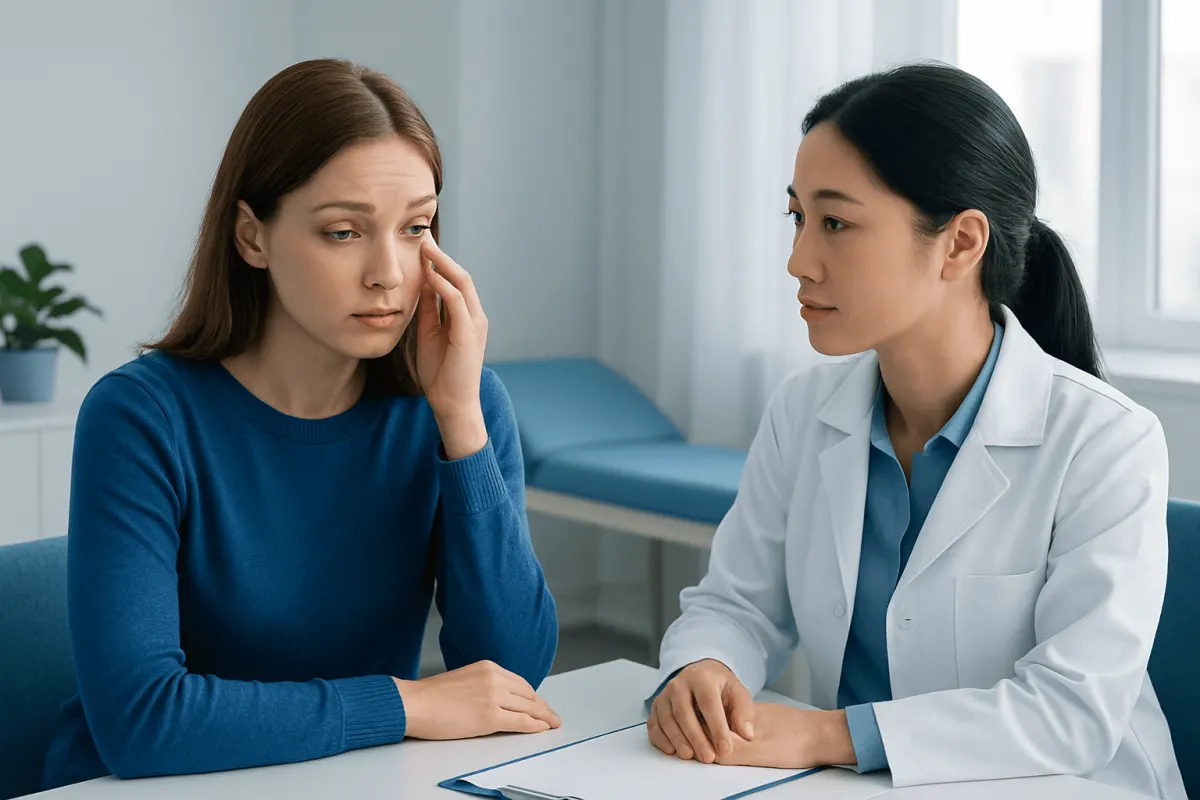
Diagnosis begins with a sensitive discussion about when eyelash loss started, whether there has been rubbing or pulling, and any symptoms such as itchiness, flakes, eye discomfort, or scalp and eyebrow hair loss. A clinician may ask about skin products, cosmetics, false lashes, medicines, stressful events, and repetitive urges. Honest answers help guide care, and discussions about pulling should be nonjudgmental.
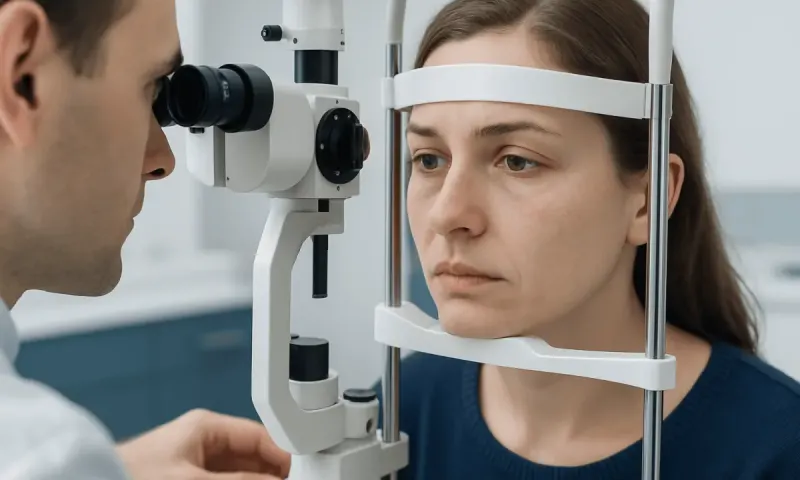
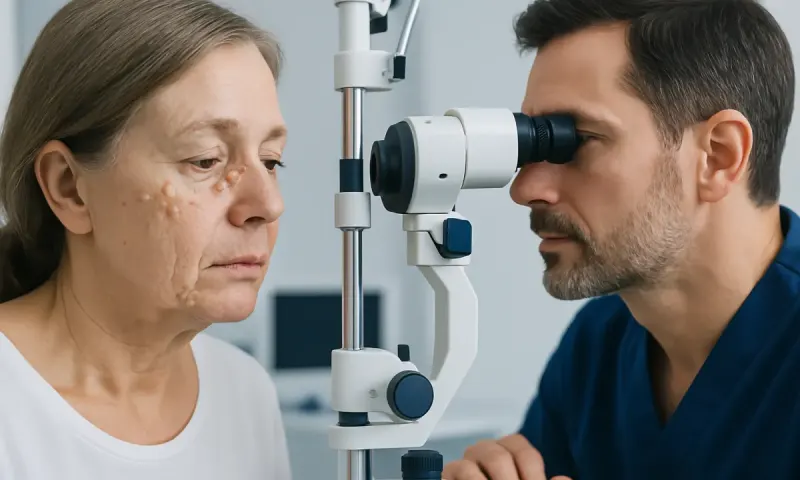
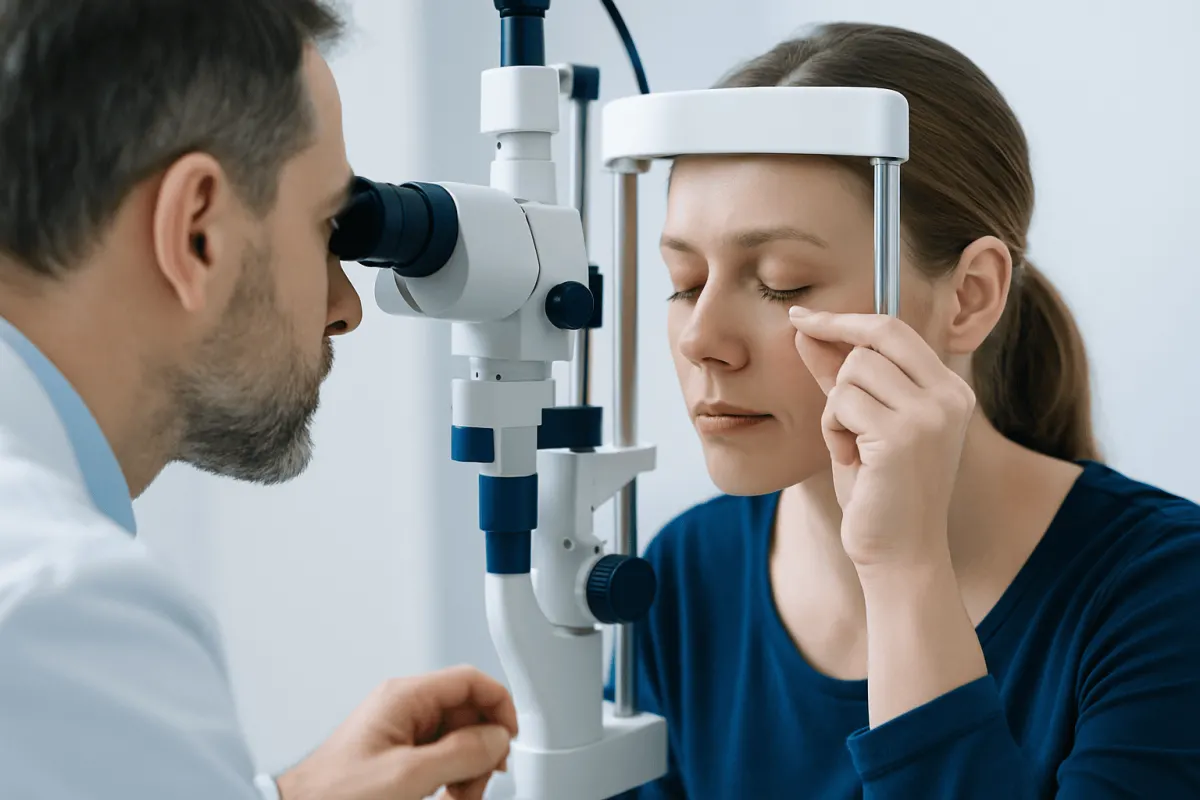
An ophthalmologist, dermatologist, or primary care clinician may examine the lashes, eyelid margin, surrounding skin, and surface of the eye. The pattern of missing, broken, or regrowing hairs can offer useful clues. If an underlying skin, hormonal, nutritional, or autoimmune condition is suspected, blood tests or other assessments may be considered.
For possible trichotillomania, a mental health professional may evaluate the frequency of pulling, urges, triggers, impact on daily life, and any coexisting anxiety, depression, obsessive-compulsive symptoms, or attention difficulties. This assessment is intended to identify practical support, not to assign blame.
Treatment and Support for Eyelash Pulling
Care depends on the cause. If eyelid inflammation, allergy, dry eye, or a skin condition is driving discomfort, treating that condition can reduce rubbing and pulling. A clinician may recommend gentle lid hygiene or other treatment appropriate to the diagnosis. It is safest to avoid using prescription creams, lash-growth products, or antibiotic eye drops without professional guidance, especially near the eyes.
For trichotillomania, behavioral therapy is often a central part of treatment. Cognitive behavioral therapy approaches, including habit-reversal training, can help a person recognize triggers, notice early hand movements, and use an alternative action until the urge passes. Therapy can also address stress, perfectionistic concerns, or emotional difficulties that may maintain the behavior.
Practical strategies may complement professional treatment. These can include keeping hands occupied during high-risk activities, covering or changing access to tweezers, using reminders, tracking patterns without judgment, and building calming routines. Medication may be considered for some people when there are coexisting mental health conditions or persistent symptoms, but decisions should be individualized with a qualified clinician.
Acıbadem Health Point’s multidisciplinary specialists and JCI-accredited hospitals can assess eyelid concerns and provide coordinated eye, dermatology, and mental health care for international patients when appropriate.
Helping Eyelashes Recover and Protecting the Eyes
While eyelashes are regrowing, the main goal is to prevent further trauma and protect the eyes. Avoid pulling, rubbing, eyelash extensions, lash lifts, and harsh makeup-removal practices until the eyelid has settled. If makeup is used, gentle removal with clean hands and products designed for the eye area may reduce friction.
Do not attempt to pull a lash that seems loose, ingrown, or irritating. A clinician can check whether it is causing a problem and remove it safely if necessary. False eyelashes, adhesive products, and cosmetic serums may worsen irritation or allergy in some people, so they should be stopped if redness, itchiness, or swelling develops.
Healthy nutrition supports general hair growth, but supplements do not reliably restore eyelashes when the cause is repeated pulling or an untreated medical condition. A balanced diet with adequate protein, iron-containing foods, and other essential nutrients is usually sufficient unless a clinician identifies a deficiency. Patience is important: lash regrowth naturally occurs in stages.
- Wash hands before touching the eye area.
- Use a cool compress for mild irritation, unless a clinician advises otherwise.
- Replace eye makeup regularly and do not share it.
- Seek advice before trying lash-growth products near the eyes.
When to Seek Medical Care
Medical care is advisable when eyelashes continue to fall out or are repeatedly pulled out, when regrowth does not seem to occur over several months, or when there are bare patches in the eyebrows or scalp as well. An assessment can identify eyelid disease, skin conditions, or other contributors that may be treatable.
Prompt eye-care evaluation is needed for eye pain, significant swelling, worsening redness, pus-like discharge, light sensitivity, a foreign-body sensation, or any change in vision. These symptoms should not be managed with home remedies alone. If a child is pulling eyelashes, a pediatric clinician can help assess both irritation and behavioral or emotional factors in an age-appropriate way.
People who feel unable to stop pulling, avoid social activities because of lash loss, or experience distress, anxiety, or low mood should consider speaking with a mental health professional. Effective support is available, and earlier care may help prevent further eyelid irritation and improve quality of life.
Frequently asked questions
01Will pulled out eyelashes grow back?
In many cases, yes. If the follicle is not permanently damaged, a new eyelash may begin to emerge within weeks and can take several months to reach its usual length. Repeated pulling from the same spot can slow regrowth or, less commonly, damage follicles.
02How long do eyelashes take to grow back after being pulled out?
There is no exact timeline because eyelashes grow in cycles and each person’s rate differs. New growth may be noticed in several weeks, while a fuller recovery often takes a few months. A clinician can assess persistent gaps or a lack of visible regrowth.
03Can stress cause someone to pull out eyelashes?
Stress can be a trigger for some people, but it is not the only cause. Repeated eyelash pulling may occur with trichotillomania, a body-focused repetitive behavior that can also happen during boredom, concentration, or without full awareness. Behavioral therapy can help people manage urges and triggers.
04Is it safe to use eyelash serum after pulling eyelashes out?
It is best to ask an eye-care professional before using any lash-growth serum, especially if the eyelid is irritated or the eye is red. Some products can cause irritation or changes around the eye, and they do not address the reason for repeated pulling. Gentle eyelid care and treatment of the underlying cause are more important.
05How can a person stop pulling out eyelashes?
Identifying patterns is a useful first step, such as noticing where, when, and how urges occur. Habit-reversal training and other cognitive behavioral approaches can provide structured techniques to interrupt pulling and use safer alternative actions. A mental health professional can tailor support without judgment.
06When is eyelash loss an eye emergency?
Eyelash loss alone is usually not an emergency, but urgent assessment is needed if it occurs with eye pain, vision changes, severe redness, light sensitivity, marked swelling, or discharge. These symptoms can indicate a problem affecting the eye or eyelid that needs prompt treatment.
This article is for general information only and is not a substitute for professional medical advice. Please consult a qualified doctor about your individual situation.
Hair transplant in Turkey — costs, graft counts & a free assessment
JCI-accredited · board-certified surgeons · reply within 24h
Add us as a Preferred Source to see more of our trusted health content across Google Search, AI Overviews and Discover.