Sunburn-Related Eye Swelling: Care and Warning Signs
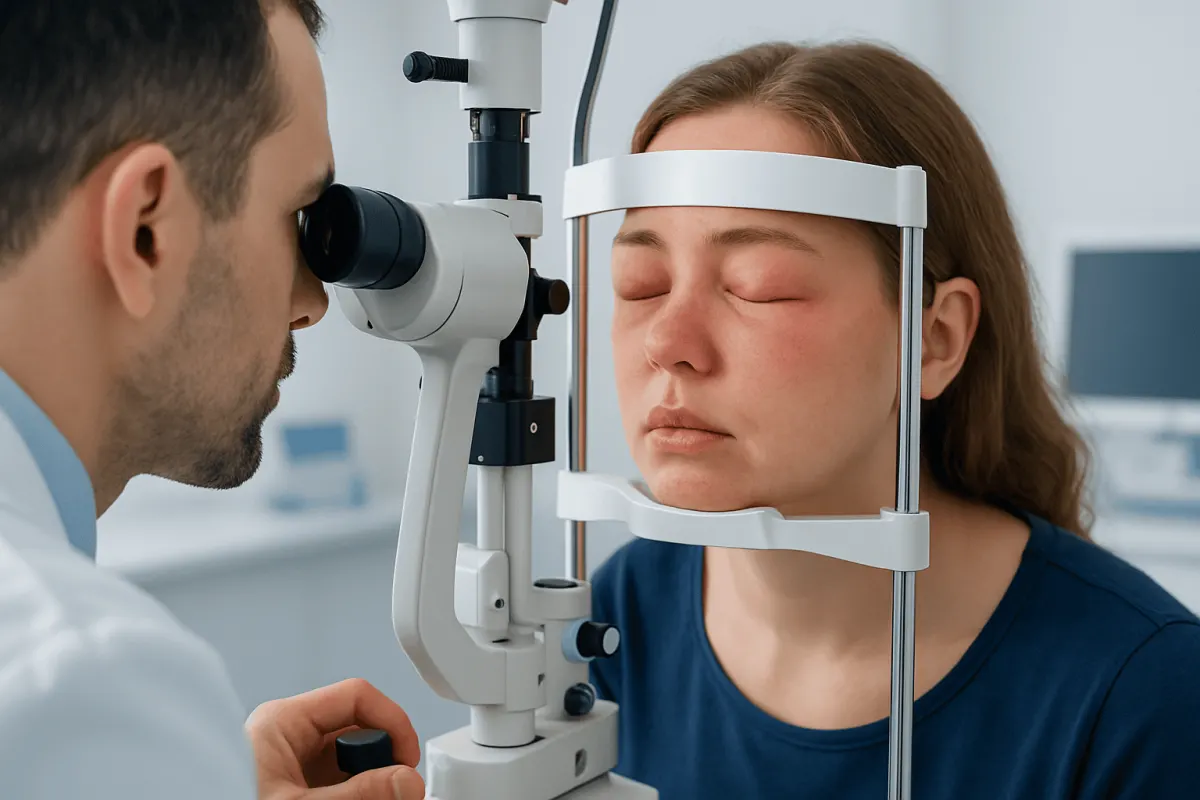
Sunburn swelling around the eyes is usually caused by inflammation in the thin, sensitive skin of the eyelids and nearby face after excessive ultraviolet exposure. Most mild cases settle over several days with gentle cooling, hydration and protection from further sun, but eye pain, vision changes or severe swelling require prompt assessment.
Sunburn swelling eyes: the short answer
Sunburn swelling eyes usually means that the eyelids and skin around the eyes have become inflamed after too much ultraviolet (UV) exposure. Because eyelid skin is very thin and loose, even a relatively mild facial sunburn can lead to noticeable puffiness, tenderness, warmth and redness, sometimes most apparent the morning after sun exposure.
For many people, swelling improves as the sunburn settles over the next few days. Cool compresses, rest, fluids and protection from further sun are often helpful. However, a sunburn should not be assumed to be the only explanation when there is eye pain, reduced or blurred vision, marked sensitivity to light, discharge, fever or swelling that is severe or one-sided.
Sunburn can affect both the skin around the eyes and the eye surface itself. The latter may cause symptoms such as gritty discomfort, tearing or light sensitivity after intense reflected sunlight, for example near water, snow or sand. These symptoms deserve medical advice because they may indicate UV injury to the cornea rather than simple eyelid sunburn.
Why the eyes and eyelids can swell after sun exposure
UV radiation damages skin cells and triggers an inflammatory response. Blood vessels widen and fluid can move into surrounding tissues, producing redness, heat and swelling. The eyelids are particularly prone to this effect because their skin is among the thinnest on the body and the tissues beneath it can retain fluid easily.
Swelling may appear within hours and can become more prominent over the following 24 to 48 hours. It may involve the upper eyelids, lower eyelids, cheeks and bridge of the nose. The severity does not always match the appearance of redness elsewhere on the body; a person may have only mild facial redness but still have puffy eyelids.
Other factors can add to swelling after time outdoors. Wind, salt water, chlorinated water, cosmetics, sunscreen ingredients or rubbing the eyes may irritate already sensitive skin. Allergies can also cause itchiness and puffiness, while infection, injury and certain skin conditions may look similar. A clinician can help distinguish these possibilities when symptoms are unusual or persistent.
Common symptoms and what is not typical

Symptoms of sunburn around the eyes can range from mild to uncomfortable. The skin may look red or darker than usual depending on a person’s skin tone, and it may feel warm, dry, tight, sore or itchy. Swelling can make the eyelids feel heavy and may temporarily narrow the eye opening.
Peeling can develop several days later as the injured outer skin layers shed. Small blisters can occur with more significant burns. It is best not to pick, squeeze or deliberately break blisters, as intact skin helps reduce the risk of infection.
Simple eyelid sunburn should not cause major changes in eyesight. Mild tearing or temporary irritation may occur, but severe eye pain, inability to tolerate light, a persistent feeling that something is in the eye, new floaters, reduced vision or a distorted view are not symptoms to manage as routine sunburn. They need timely evaluation by an eye-care professional.
- More consistent with skin sunburn: red, tender eyelids; mild puffiness; dry or peeling skin; discomfort on touching the skin.
- Possible eye-surface involvement: intense tearing, gritty pain, significant light sensitivity or blurred vision after strong UV exposure.
- Possible alternative cause: marked itch, hives, discharge, one-sided redness, fever or worsening pain.
Safe care for mild sunburn-related eyelid swelling
Gentle cooling is often the most useful first step. A clean cloth dampened with cool—not icy—water may be placed over closed eyes for short periods several times a day. Direct ice can damage already irritated skin, so it should not be applied to the eyelids. Keeping the head slightly elevated during rest may also reduce morning puffiness.
Drinking fluids and avoiding further heat exposure can support recovery. A plain, fragrance-free moisturizer or soothing gel intended for sensitive skin may be used on intact skin around the eye, but it should be kept out of the eye itself. Products containing fragrance, alcohol, exfoliating acids, retinoids or strong active ingredients can sting and may worsen irritation during healing.
If a person normally can take an over-the-counter pain reliever safely, a pharmacist or doctor can advise on an appropriate option for pain or discomfort. Medicines should be chosen with attention to personal health conditions, allergies, pregnancy status and other medicines. Steroid creams, anesthetic creams and medicated eye drops should not be used around the eyes unless recommended by a qualified clinician.
Contact lenses may be uncomfortable if the eyes themselves are irritated. It is sensible to stop wearing them until the eyes feel normal and an eye professional has advised that they can be resumed, particularly if there is pain, redness of the eye or vision disturbance.
When to seek medical care
Medical assessment is recommended promptly for severe swelling, blistering over a large area, symptoms that worsen rather than begin to improve, or sunburn accompanied by fever, nausea, dizziness, weakness or signs of dehydration. Children, Eye Care for Older Adults: Common Vision Changes After 60" class="ahp-ilk">older adults and people with medical conditions that affect fluid balance or immune function may need earlier advice.
Urgent eye assessment is important if there is blurred, reduced or double vision; moderate to severe eye pain; pronounced sensitivity to light; inability to open the eye; persistent tearing; discharge; a foreign-body sensation; or redness of the white part of the eye. These features can suggest a problem involving the eye surface or another condition that needs targeted care.
Emergency care is appropriate for sudden vision loss, severe headache with eye symptoms, facial swelling that affects breathing, signs of a serious allergic reaction, or swelling after a chemical exposure or injury. Anyone uncertain whether symptoms are caused by sunburn should seek professional guidance rather than self-treating for an extended period.
Protecting the eyelids and eyes from future UV damage
Prevention includes protecting both the facial skin and the eyes whenever UV exposure is possible, not only on hot or cloudless days. UV radiation can pass through clouds and is reflected by water, sand, snow and light-colored surfaces. Sun protection is especially important between late morning and mid-afternoon, although UV levels vary by location and season.
Broad-spectrum sunscreen with an appropriate sun protection factor can be applied carefully to exposed facial skin, including the area around—but not directly into—the eyes. Mineral-based formulations may be better tolerated by some people with sensitive skin. Sunglasses that block UVA and UVB rays, along with a wide-brimmed hat, provide valuable physical protection for the eyelids and eye surface.
Reapplication of sunscreen after swimming, sweating or towel drying is important. Seeking shade, planning outdoor activities outside peak UV hours and avoiding tanning beds further reduce UV injury. People with recurring reactions to sunscreen, unexplained rashes or frequent eye irritation should discuss suitable products and protective measures with a dermatologist or eye-care professional.
Assessment and support from specialists
A doctor may diagnose sunburn-related eyelid swelling by asking about recent sun exposure, symptoms, skin products and any contact lens use, then examining the skin and eyes. If symptoms point to eye-surface injury, an ophthalmologist may perform a more detailed examination, including assessment of the cornea and vision.
Treatment is tailored to the findings. It may focus on skin comfort and healing, or it may address a separate problem such as allergy, infection, dermatitis or UV-related eye injury. This is particularly important when swelling is localized to one eye, lasts longer than expected or is associated with visual symptoms.
Acıbadem Health Point’s multidisciplinary specialists and JCI-accredited hospitals can assess eye and skin symptoms for international patients when a clinical evaluation is needed. A qualified clinician can also provide individualized guidance for people with recurrent sun sensitivity or concerns about protecting the eyes and facial skin.
Frequently asked questions
01Can sunburn make the eyes swell shut?
Yes. Significant inflammation of the eyelid skin can cause enough puffiness that the eyes are difficult to open, especially after sleeping. If swelling is severe, painful, rapidly increasing, one-sided, or accompanied by vision symptoms, medical assessment is important.
02How long does sunburn swelling around the eyes last?
Mild swelling often begins to improve within a few days as the sunburn heals, although peeling or dryness can last longer. The course varies with the degree of UV exposure and whether the area is irritated further. Symptoms that do not begin to improve or that worsen should be checked by a clinician.
03Is it safe to put aloe vera on sunburned eyelids?
A gentle, fragrance-free product may soothe intact skin for some people, but it should not get into the eyes. Products with alcohol, fragrance or multiple active ingredients may sting or cause irritation. If there are blisters, open skin, eye redness or eye pain, it is best to seek medical advice first.
04Can a person use eye drops for sunburn swelling eyes?
Eye drops do not treat swelling of the eyelid skin, and some drops may be unsuitable if there is an eye injury or another cause of irritation. Artificial tears may sometimes help dryness or mild irritation, but persistent pain, light sensitivity or blurred vision needs professional assessment. Steroid or redness-relieving drops should only be used under clinical guidance.
05Are swollen eyes after sun exposure always caused by sunburn?
No. Allergies, contact irritation from sunscreen or cosmetics, infection, insect bites, injury and other conditions can also cause swollen eyelids. Itching may point toward allergy, while discharge, fever, increasing tenderness or one-sided swelling may suggest another cause that should be evaluated.
06Can sunglasses prevent sunburn on the eyelids?
Sunglasses that provide UVA and UVB protection can reduce UV exposure to the eyes and nearby skin, particularly wraparound styles. They work best together with a wide-brimmed hat and careful use of broad-spectrum sunscreen on the face. No single measure provides complete protection in strong or reflected sunlight.
This article is for general information only and is not a substitute for professional medical advice. Please consult a qualified doctor about your individual situation.
Explore treatments in Turkey — costs, top hospitals & a free quote
JCI-accredited · board-certified surgeons · reply within 24h
Add us as a Preferred Source to see more of our trusted health content across Google Search, AI Overviews and Discover.