Ptosis Surgery Cost: Factors That Affect Pricing
Ptosis surgery cost has no single out-of-pocket price because the procedure, treatment setting, whether one or both eyelids are treated, and insurance status all matter. A written itemized estimate and a benefit check are the most reliable ways to understand a patient’s likely responsibility.
Ptosis and What Surgery Corrects
Ptosis is a drooping upper eyelid. It may affect one or both eyes and can range from a mild cosmetic concern to a lid position that narrows the upper field of vision. Ptosis is different from excess or loose eyelid skin, although both concerns can occur together and may need to be assessed separately.
In adults, ptosis commonly develops when the tendon that lifts the eyelid becomes stretched or detached with age. It can also follow eye surgery, injury, long-term contact lens use, or certain muscle and nerve conditions. Children may be born with ptosis, and a newly developed or fluctuating eyelid droop should be evaluated to identify its cause before surgery is considered.
Ptosis surgery aims to raise the upper lid to a position that supports vision, comfort, facial symmetry, or all three. Depending on eyelid muscle function and the cause of drooping, the surgeon may tighten or reposition the levator muscle, adjust tissues on the inner surface of the eyelid, or use a sling connected to the forehead muscle.
Understanding Ptosis Surgery Cost and Coverage
How much does ptosis surgery typically cost out of pocket?
There is no single typical out-of-pocket amount for ptosis surgery. For self-pay or cosmetic treatment, the most meaningful answer is a personalized written estimate based on the surgical technique, whether one or both eyelids need repair, the type of anesthesia, the treatment facility, and the expected follow-up plan. A consultation also helps determine whether another procedure, such as removal of excess eyelid skin, is being considered separately.
An itemized estimate should clarify whether it includes the surgeon’s professional fee, operating room or outpatient facility charges, anesthesia services, preoperative tests, prescribed postoperative medicines, and follow-up visits. A quoted ptosis surgery cost per eye is not always simply half the cost of bilateral treatment because facility and anesthesia charges may not change in the same way. For patients comparing ptosis surgery cost in the US with care in another country, differences in billing systems and what is included in a quoted package can make direct comparisons unreliable.
How bad does ptosis have to be for insurance to cover?
Insurance coverage is generally considered when ptosis is functional rather than cosmetic, meaning the lowered lid has been shown to interfere with vision or daily activities. Insurers may request an eye examination, eyelid measurements, clinical photographs, and visual field testing that demonstrates improvement when the lid is lifted. The ptosis surgery cost with insurance depends on plan benefits, deductibles, co-insurance, network status, and approval requirements; prior authorization, when required, should be confirmed before scheduling because policies differ between insurers and countries.
Who May Be a Candidate and When

A suitable candidate has ptosis that has been properly assessed and has a clear potential benefit from repair. An ophthalmologist, often with expertise in eyelid and facial surgery, evaluates vision, eyelid height, levator muscle strength, eye movement, pupil response, tear production, and the health of the cornea. The clinician also considers whether the drooping is stable and whether a medical or neurological cause needs treatment first.
What is the best age to have ptosis surgery?
There is no single best age for ptosis surgery. In children, an eyelid that blocks the pupil, affects visual development, or causes a persistent chin-up head posture may require timely assessment and treatment by a pediatric eye specialist. In adults, age alone does not rule out surgery; the appropriate timing is usually based on symptoms, eye health, the stability of the eyelid position, and the individual’s goals.
Some people may need a period of observation before surgery, particularly if the drooping is recent, variable, or related to a condition that is still being evaluated. Significant dry eye, poor eyelid closure, or certain corneal conditions may affect the surgical plan and recovery approach. A realistic discussion about symmetry is also important, since natural eyelids are rarely perfectly identical before or after treatment.
How Ptosis Surgery Is Performed
Planning begins with a detailed eye examination and discussion of the technique most appropriate for the eyelid. The surgeon may use external measurements, photographs, visual field testing, and, in selected cases, tests that help predict the response of the eyelid muscles. Medication use, allergies, bleeding risk, contact lens wear, and any previous eye procedures are also reviewed before surgery.
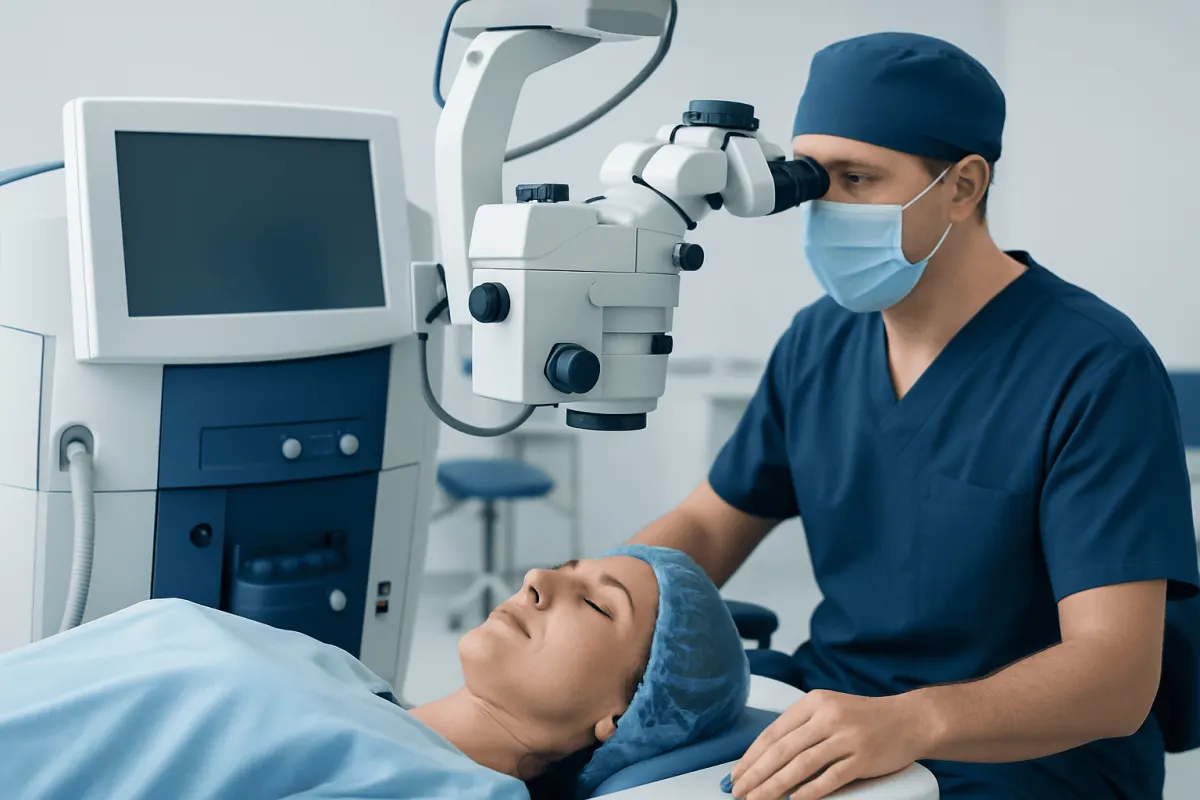
Ptosis repair is often an outpatient procedure. Adults commonly have local anesthetic, sometimes with medicine to help them relax, while children and some adults may need general anesthesia. The usual sequence includes:
- Preparing and numbing the surgical area or administering the planned anesthetic.
- Making a small incision in the eyelid crease or approaching the lifting muscles from the inside of the eyelid.
- Tightening, advancing, or repositioning the levator muscle or related eyelid tissues; a forehead sling may be used when lifting muscle function is limited.
- Closing the incision and checking eyelid height and closure before discharge.
In suitable awake adult cases, the surgeon may assess eyelid position during the adjustment process. Afterward, the eye is protected as needed and the patient receives individual instructions for ointment or drops, activity restrictions, and follow-up. Most patients return home the same day, but they should arrange support for transportation if sedation or general anesthesia is used.
Recovery Timeline and Aftercare
Swelling, bruising, tenderness, tearing, and a temporary feeling of tightness are common in the first days after ptosis surgery. Some people notice temporary blurred vision from swelling or prescribed ointment. Cold compresses, head elevation, and rest may be recommended, but patients should follow their own surgeon’s instructions because aftercare can vary with the technique used.
The eyelid often looks higher, uneven, or more swollen early in healing, so results should not be judged immediately. Bruising and visible swelling generally improve over the following weeks, while eyelid position and scar maturation can continue to settle over a longer period. Follow-up visits allow the care team to monitor eyelid closure, eye surface comfort, healing, and symmetry.
Patients are usually asked to avoid rubbing the eyes and to limit activities that could increase swelling or expose the healing area to contamination, such as strenuous exercise or swimming, until cleared by their clinician. Contact lens use, driving, screen use, and return to work should be discussed individually. It is important not to stop or start prescribed medicines without medical guidance.
Benefits and Risks of Ptosis Surgery
How risky is ptosis surgery?
Ptosis repair is commonly performed as an outpatient operation, but no surgery is risk-free. The level of risk depends on the underlying cause of ptosis, the surgical technique, eyelid and corneal health, the type of anesthesia, and the person’s general medical history. A preoperative examination helps identify factors such as dry eye, bleeding risk, or difficulty with eyelid closure that may require additional planning.
Temporary bruising, swelling, irritation, tearing, dry-eye symptoms, and mild asymmetry can occur during recovery. Less common complications include infection, bleeding, overcorrection or undercorrection of the lid height, incomplete eyelid closure, corneal irritation, visible scarring, or a need for further adjustment. Serious complications affecting vision are rare, but any sudden change in vision after eye surgery requires urgent medical assessment.
Potential benefits include a clearer upper visual field, reduced effort to raise the eyelids, improved comfort, and a more balanced eyelid appearance. The surgeon cannot promise exact symmetry or a permanent result, especially when ptosis is related to aging or an ongoing medical condition. Careful surgical planning, attending follow-up appointments, and promptly reporting concerning symptoms all support safer recovery.
When to Seek Medical Care
A sudden new drooping eyelid should not be assumed to be routine ptosis. Urgent medical evaluation is important if eyelid drooping occurs with double vision, unequal pupils, severe headache, facial weakness, speech difficulty, arm or leg weakness, eye pain, or a sudden vision change. These symptoms can indicate a condition that needs prompt assessment.
A non-urgent eye appointment is appropriate for a gradually worsening drooping lid, difficulty seeing upward, frequent brow strain, persistent head tilting, or concerns about a child’s visual development. After surgery, patients should contact their surgical team promptly for increasing pain, rapidly worsening swelling, persistent bleeding, pus-like discharge, fever, inability to close the eye, or changes in vision.
Before proceeding with treatment, patients can ask for a clinical explanation of the recommended technique, a written cost estimate, and guidance on insurance documentation and follow-up needs. Acıbadem Health Point’s multidisciplinary specialists and JCI-accredited hospitals diagnose and treat ptosis for international patients, with care planning tailored to the individual clinical assessment.
Frequently asked questions
01Is ptosis surgery the same as upper eyelid blepharoplasty?
No. Ptosis repair adjusts the muscles or tissues that lift the upper eyelid, while blepharoplasty removes or repositions excess skin and sometimes fat. The procedures can be performed separately or together when an examination shows that both problems contribute to symptoms or appearance.
02Can ptosis surgery be performed on only one eyelid?
Yes, ptosis can be repaired on one eyelid when only one side is affected. However, the surgeon assesses both eyelids because lifting one lid can sometimes make a pre-existing difference in the other lid more noticeable.
03What should a written ptosis surgery estimate include?
Patients should ask whether the estimate includes the surgeon’s fee, facility charges, anesthesia, testing, medications, postoperative visits, and any applicable taxes or administrative fees. It should also state whether the quote is for one eyelid or both and whether any related cosmetic procedure is excluded.
04Do photographs and visual field testing matter for insurance approval?
They often do when surgery is requested for functional reasons. These records can document how the lowered eyelid affects the visual field and help the insurer apply its own medical-necessity policy.
05Can ptosis return after surgery?
It can. Eyelid tissues may change over time, and ptosis related to aging, muscle conditions, or nerve conditions may recur or evolve. Some patients may need monitoring or an additional adjustment in the future.
06When can contact lenses be worn after ptosis surgery?
This depends on healing, comfort, and the surgeon’s instructions. Contact lenses are commonly paused until the eyelid incision and eye surface have recovered sufficiently, as early lens use may irritate the eye or interfere with healing.
This article is for general information only and is not a substitute for professional medical advice. Please consult a qualified doctor about your individual situation.
Joint and spine care in Turkey — expert assessment & treatment
JCI-accredited · board-certified surgeons · reply within 24h
Add us as a Preferred Source to see more of our trusted health content across Google Search, AI Overviews and Discover.