What Shapes Labiaplasty Surgery Cost?
Labiaplasty surgery cost is not a single fixed amount because the total reflects the surgical plan, clinical setting, anesthesia needs, surgeon expertise and follow-up care. A consultation with a qualified plastic surgeon or gynecologist is the most reliable way to receive an itemized estimate and determine whether surgery is appropriate.
Labiaplasty Surgery Cost: Understanding the Total Price
Labiaplasty surgery cost varies substantially between individuals and countries. Rather than focusing on a quoted headline price, patients benefit from asking what is included in the full estimate. The final amount can reflect the complexity of the planned procedure, the surgeon’s training and experience, the type of anesthesia, the accredited facility where surgery is performed, preoperative assessment, medicines, garments or dressings, and postoperative appointments.
A clear estimate should distinguish professional fees from facility and anesthesia charges and explain whether routine follow-up care is included. If travel is involved, patients should also budget separately for transportation, accommodation, time away from work and the possibility of staying nearby long enough for an early review. Choosing care based only on the lowest price may overlook important factors such as surgical qualifications, infection-control standards, emergency arrangements and follow-up access.
In many settings, labiaplasty is considered elective cosmetic surgery and is not routinely covered by health insurance. Coverage may occasionally be considered when there is a documented functional problem, but policies differ and preauthorization may be required. Patients should confirm coverage directly with their insurer and ask the surgical team for written financial information before scheduling.
What Labiaplasty Is and What It Can Address
Labiaplasty is surgery to change the size, shape or symmetry of the labia, most often the labia minora, which are the inner folds of skin around the vaginal opening. Labia vary widely in appearance, size and color. Visible or uneven labia are common variations of anatomy and do not, by themselves, indicate a health problem.
Some people consider surgery because enlarged or protruding tissue repeatedly rubs against clothing, causes discomfort during cycling or exercise, becomes caught during sexual activity, or creates persistent irritation. Others have concerns about appearance. A careful consultation should explore the person’s symptoms, expectations and overall gynecologic health without suggesting that there is one “normal” appearance.
Labiaplasty does not treat vaginal infections, pelvic floor disorders, sexual pain from all causes, or concerns caused by body-image pressure. For patients with pain, itching, discharge or skin changes, a clinician should first look for potentially treatable conditions such as infection, dermatitis, hormonal changes or other vulvar disorders. Surgery is most appropriate when the concern is clearly understood and the patient can make an informed, unpressured decision.
Who May Be a Candidate for Labiaplasty

Potential candidates are generally adults in good overall health who have persistent physical symptoms related to labial tissue or well-considered aesthetic concerns. They should understand that the goal is improvement in comfort or appearance, not perfect symmetry. The vulva may naturally remain somewhat asymmetrical after surgery, and the outcome can change over time with aging, pregnancy, hormonal changes and weight fluctuations.
A specialist will discuss medical history, medications, allergies, smoking or nicotine use, previous genital surgery, bleeding conditions and plans for pregnancy. Nicotine can impair wound healing, so stopping smoking and avoiding nicotine products before and after surgery is commonly advised. Certain medicines and supplements may also need review because they can affect bleeding or anesthesia safety.
Surgeons are especially careful when evaluating adolescents. Labial development can continue through puberty, and concerns may be influenced by misinformation or social pressure. Surgery in minors is generally avoided except in unusual situations involving significant congenital differences, trauma or persistent functional symptoms assessed by appropriate specialists.
During an assessment, the clinician may recommend non-surgical measures first, such as avoiding irritating products, using suitable lubricants, changing exercise clothing, treating a skin condition or addressing pelvic pain. This approach helps ensure that surgery is not used when another treatment may better address the underlying concern.
How the Procedure Is Performed
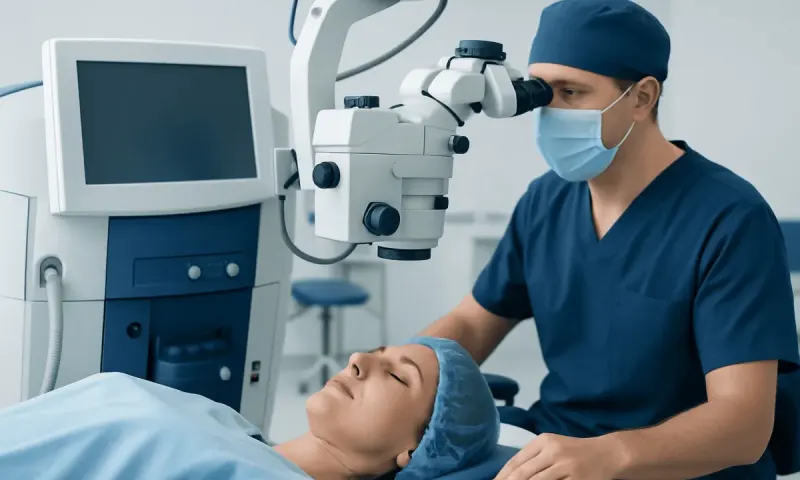
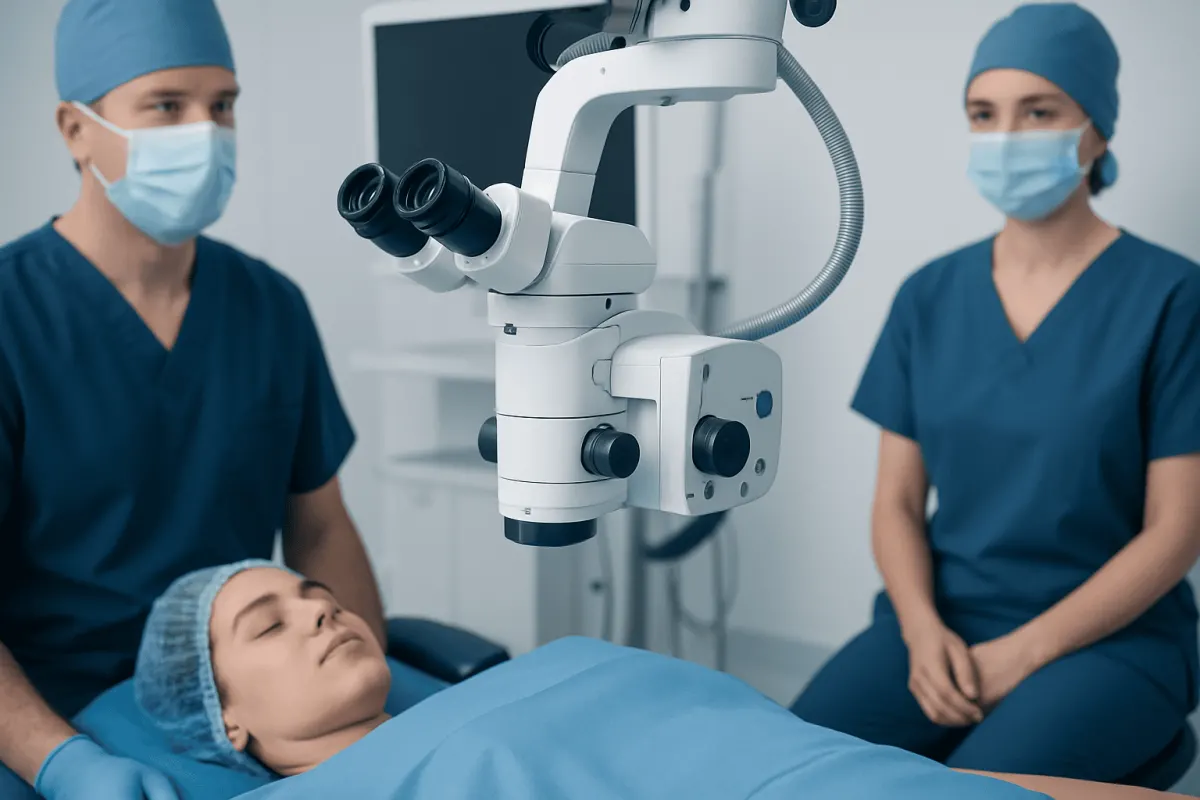
Labiaplasty is usually an outpatient procedure. It may be performed under local anesthesia with sedation or under general anesthesia, depending on the surgical plan, patient preferences, health considerations and facility protocols. The surgeon marks the planned tissue changes carefully before beginning.
Two broad techniques are commonly used for the labia minora. A trim or edge technique removes tissue along the outer edge. A wedge technique removes a V-shaped section from the central portion and brings the remaining edges together. The most suitable approach depends on the anatomy, the amount and location of tissue to be changed, the appearance of the labial edge and the patient’s goals. In some cases, treatment of the labia majora may be discussed separately.
During surgery, the surgeon reshapes the tissue conservatively and uses absorbable stitches. Protecting sensation, preserving natural anatomy and avoiding excessive tissue removal are important aims. The operation length varies with the technique and whether another procedure is being performed at the same time.
Patients considering surgery can discuss labiaplasty treatment options with a qualified surgeon, including the planned technique, anesthesia, what scars may look like, and what can realistically be expected from healing.
Recovery Timeline, Benefits and Possible Risks
Swelling, bruising, tenderness and mild spotting are common after labiaplasty. These effects are often most noticeable in the first days after surgery and generally improve gradually over several weeks. Cold packs used as instructed, loose clothing, gentle hygiene and prescribed or recommended pain relief can improve comfort. Patients should follow their surgeon’s specific wound-care guidance.
Most people can return to desk-based activities after a short recovery period, but the timing differs by person and job demands. Strenuous exercise, cycling, swimming, tampon use and vaginal sexual activity are usually restricted until the surgeon confirms that healing is sufficient. Absorbable stitches typically dissolve over time, and the final appearance may take several months to settle as swelling resolves and scars mature.
Potential benefits include less rubbing or pulling during everyday activities, improved comfort in fitted clothing or sport, and greater confidence for some patients. However, emotional wellbeing is personal, and surgery cannot guarantee satisfaction or resolve concerns unrelated to labial anatomy.
Possible risks include bleeding, infection, delayed wound healing, wound separation, scarring, changes in sensation, persistent pain, asymmetry, removal of too much or too little tissue, and a need for revision surgery. Rarely, complications can affect sexual comfort. A discussion of these risks, along with the surgeon’s plan for postoperative support, is an essential part of informed consent.
Preparing for a Consultation and Planning Care
A useful consultation should be private, respectful and unhurried. Patients can describe their symptoms in practical terms: when discomfort occurs, what clothing or activities trigger it, whether symptoms have changed, and what measures they have already tried. They may also bring a list of medicines, past procedures and questions about recovery, anesthesia, scarring and follow-up.
Important questions include whether the clinician is appropriately trained in genital surgery, where the procedure will take place, who provides anesthesia, how complications are managed, and how follow-up works for patients who live far away. Patients should receive information about both the expected recovery and signs that require prompt contact with the surgical team.
For international patients, planning should include adequate time at the destination for initial recovery and a postoperative review before travel. Acıbadem Health Point’s multidisciplinary specialists and JCI-accredited hospitals diagnose and treat patients from abroad, with care planning based on individual clinical needs.
It is reasonable to seek a second opinion, particularly if a patient feels rushed, is uncomfortable with the proposed plan, or has symptoms that have not yet been evaluated by a gynecologist or dermatology specialist.
When to Seek Medical Care
New vulvar symptoms should not automatically be attributed to labial anatomy. A person should arrange a medical assessment for persistent itching, burning, pain, swelling, unusual discharge or odor, sores, skin color changes, a new lump, bleeding not related to menstruation, or pain during sex. Many of these symptoms have non-surgical causes and may respond to targeted treatment.
After labiaplasty, patients should contact their surgical team urgently if they develop heavy or increasing bleeding, fever, worsening rather than improving pain, pus-like drainage, spreading redness, a bad odor, difficulty passing urine, or a wound that appears to open. Prompt review can help identify and manage complications early.
Emergency care may be needed for severe bleeding, fainting, breathing difficulty, chest pain or symptoms of a serious allergic reaction. For non-urgent questions during recovery, patients should use the postoperative contact process provided by their surgeon rather than relying on online advice alone.
Frequently asked questions
01What is included in labiaplasty surgery cost?
The total may include the consultation, surgeon’s fee, anesthesia, operating-room or clinic charges, preoperative tests, medicines and follow-up appointments. In some estimates, these items are listed separately. Patients should ask for a written, itemized plan and clarify any charges related to revisions, complications or travel.
02Does health insurance cover labiaplasty?
Labiaplasty is commonly treated as an elective procedure, so routine insurance coverage is often unavailable. Some plans may review requests when there is documented functional impairment, but criteria and approval requirements vary. Patients should contact their insurer directly before making financial decisions.
03How long does it take to recover from labiaplasty?
Initial swelling and discomfort commonly improve over the first several weeks, but complete healing and settling of the tissue can take a few months. The surgeon will advise when normal activities, exercise, swimming and sexual activity can safely resume. Recovery times vary according to the technique, the extent of surgery and individual healing.
04Will labiaplasty affect sensation or sexual function?
Many people do not experience a lasting negative change in sensation, but changes in sensation, pain and altered sexual comfort are recognized risks. Careful surgical technique aims to preserve sensitive structures and avoid excessive tissue removal. Patients should discuss these concerns openly with a qualified surgeon before deciding.
05Is labiaplasty painful?
Discomfort, tenderness and swelling are expected after surgery, especially during the early recovery period. Pain is usually managed with the plan provided by the surgical team, along with rest, loose clothing and careful wound care. Severe, worsening or unexpected pain should be reported promptly.
06Can labiaplasty be done after childbirth?
It can be considered after childbirth once tissues have recovered and the person has discussed future pregnancy plans with a clinician. Pregnancy and vaginal delivery may alter vulvar tissues, which may influence the timing of an elective procedure. The decision should be individualized rather than based on a fixed waiting period.
This article is for general information only and is not a substitute for professional medical advice. Please consult a qualified doctor about your individual situation.
Explore treatments in Turkey — costs, top hospitals & a free quote
JCI-accredited · board-certified surgeons · reply within 24h
Add us as a Preferred Source to see more of our trusted health content across Google Search, AI Overviews and Discover.