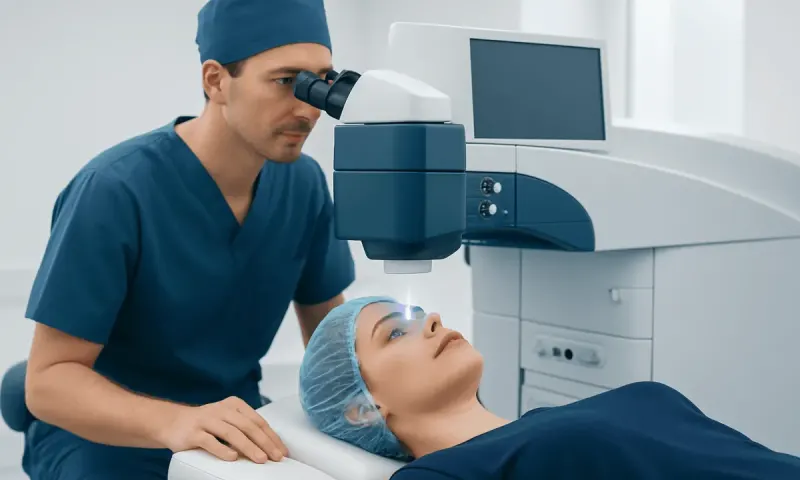
How Much Does Jawline Surgery Cost?
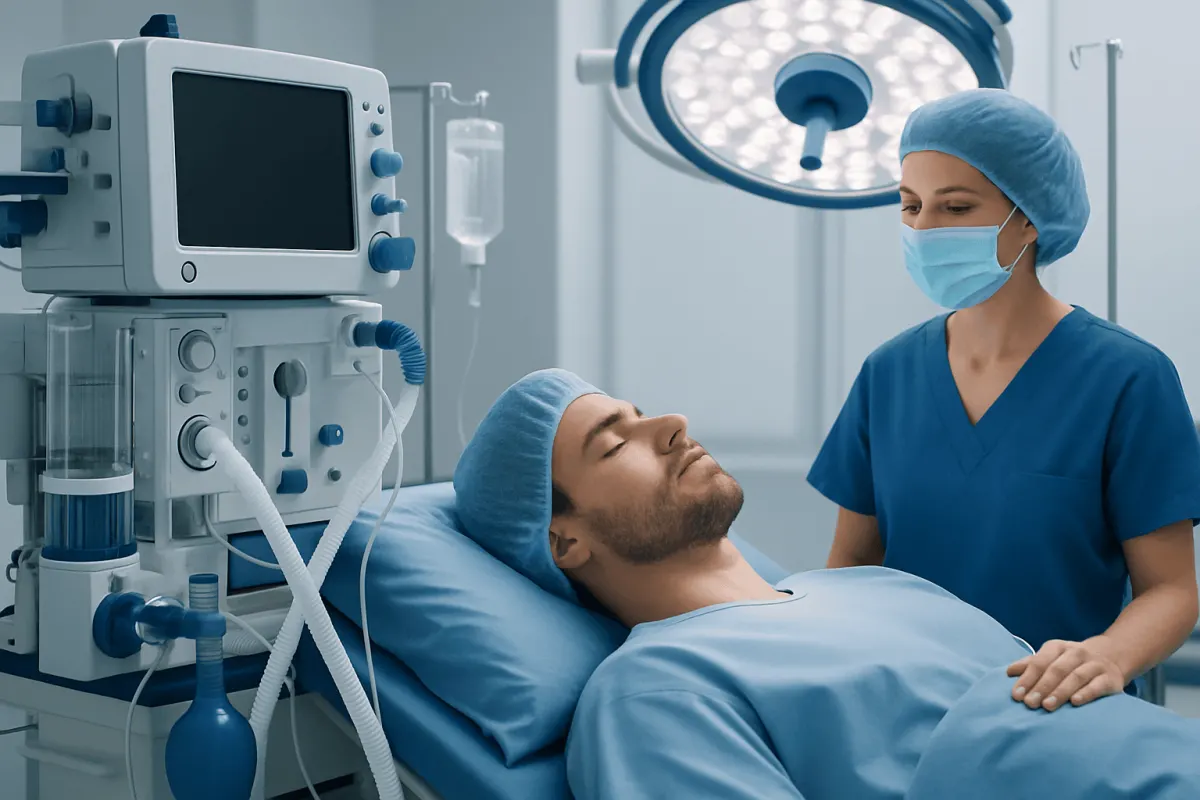
There is no single answer to how much jawline surgery costs because the total depends on the type of operation, the reason for treatment, the surgical setting, and the care included. A specialist assessment and itemized treatment plan are the most reliable ways to understand the expected overall cost.
Jawline Surgery: What Determines the Cost?
How much is jawline surgery? There is no single reliable figure because the total depends on the exact operation, whether it is medically necessary or cosmetic, where it is performed, and which services are included before and after surgery.
How much does it cost to fix a jawline?
Fixing a jawline can mean very different treatments. It may involve corrective jaw repositioning for a bite problem, chin surgery to improve projection, an implant, or contouring of the lower jaw. A personalized estimate should identify the surgeon’s and anesthetist’s fees, imaging, operating room or hospital care, implants or fixation hardware, medications, follow-up visits, and any orthodontic treatment needed.
Location also affects planning. People comparing how much jawline surgery is in the UK, Korea, or Turkey should look beyond a headline quote and confirm what clinical services, safety standards, follow-up care, and revision policies are included. Similarly, the answer to how much orthognathic surgery is in the Philippines depends on whether one or both jaws are treated, whether orthodontics is needed, and the complexity of the bite correction. For those asking how much jawline surgery is for men, the planned procedure and individual anatomy matter more than gender alone.
What Jawline Surgery Can Involve
Jawline surgery is a broad term rather than one standard procedure. Corrective jaw surgery, also called orthognathic surgery, repositions the upper jaw, lower jaw, or both to improve how the teeth meet and how the jaws function. It may be recommended for a significant bite discrepancy, facial imbalance related to jaw position, or selected airway concerns after a full assessment.
Cosmetic lower-face procedures are different. A sliding genioplasty moves the patient’s own chin bone, while a chin implant adds volume to improve chin projection. Other operations may refine the mandibular angle or lower-jaw contour. When people ask how much chin surgery costs, it is important to first establish whether they mean a chin implant, bony chin repositioning, or surgery combined with a jaw operation.
A skilled assessment identifies the underlying concern before choosing treatment. For example, a recessed chin can occur with a normally positioned jaw, while a small-looking jawline may instead reflect bite alignment, soft-tissue shape, dental issues, or overall facial proportions. Not every concern requires surgery, and alternatives should be discussed when appropriate.
Candidacy, Goals, and Expected Benefits
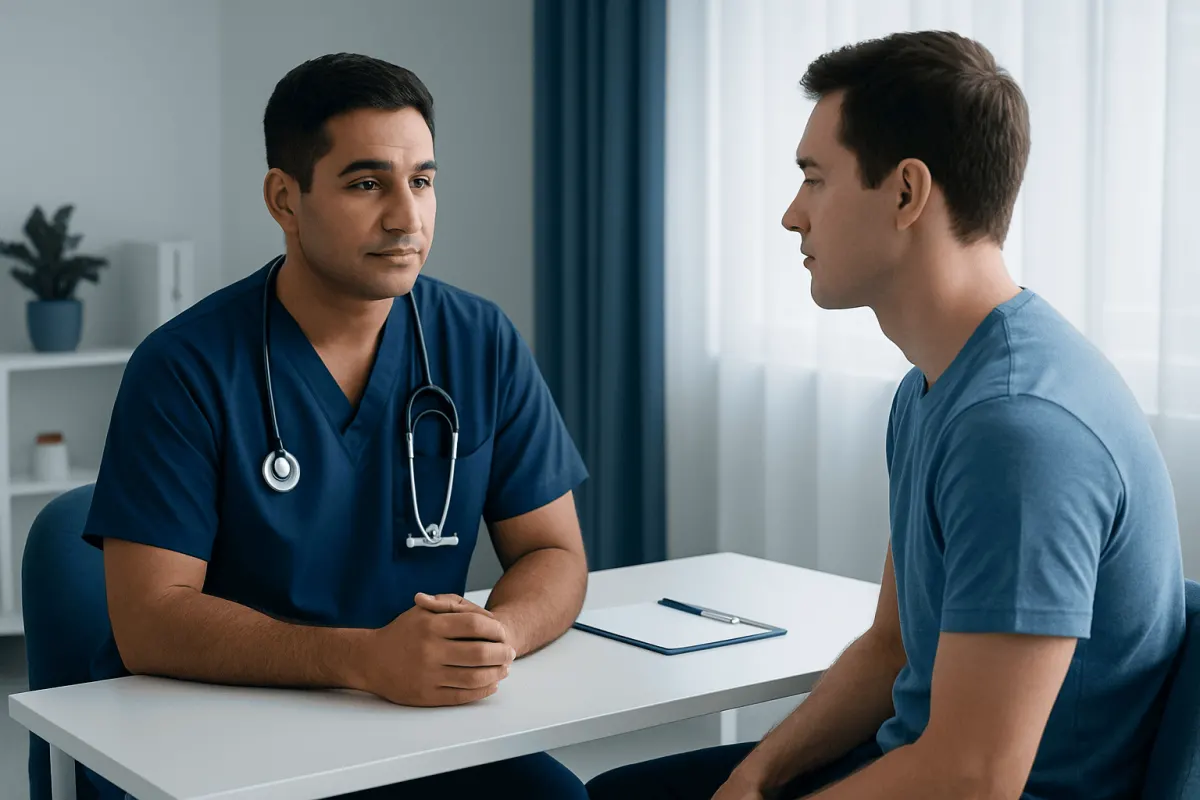
Suitable candidates are assessed by an oral and maxillofacial surgeon, plastic surgeon, orthodontist, or a combined team depending on the procedure. The evaluation considers facial growth, dental and gum health, bite function, jaw-joint symptoms, medical history, tobacco or nicotine use, and the ability to follow a recovery plan. For corrective surgery, orthodontic preparation is often an important part of achieving a stable bite.
Is jawline surgery worth it?
Whether jawline surgery is worth it is personal and depends on the reason for treatment. For someone with a substantial bite or jaw-position problem, surgery may improve chewing, bite function, speech-related concerns, or facial balance. For cosmetic goals, value depends on realistic expectations, comfort with recovery and surgical risk, and whether non-surgical options have been considered; no procedure can guarantee a particular appearance or emotional outcome.
Is 30 too late for jaw surgery?
Age 30 is not too late for jaw surgery. Corrective and cosmetic jaw procedures are regularly considered for adults once facial growth is complete. A person’s general health, periodontal health, bone quality, jaw function, and readiness for orthodontic and postoperative care are more relevant than age alone.
How the Procedure Is Performed
Planning begins with a consultation, facial and dental examination, photographs, bite records, and imaging such as X-rays or three-dimensional scans when indicated. The team reviews the teeth, jaw joints, facial proportions, and airway-related history where relevant. Computer-based planning or surgical guides may be used to help position the jaws accurately.
- For corrective jaw surgery, orthodontic treatment may be completed before surgery to align the teeth for their new bite.
- On the day of surgery, the operation is usually performed under general anesthesia.
- The surgeon makes carefully planned incisions, often inside the mouth, then repositions bone segments or places an implant as appropriate.
- Plates, screws, or other fixation devices may hold repositioned bone in place while it heals, followed by monitored recovery and discharge planning.
Many corrective jaw procedures use incisions inside the mouth, which can limit visible facial scarring. Chin implants and some contouring procedures may use an incision inside the mouth or beneath the chin, depending on the surgical approach. The exact steps, length of surgery, and need for an overnight stay vary with the treatment plan.
Before proceeding, patients should understand what is planned, what alternatives exist, and which parts of the anticipated result are intended to improve function versus appearance. Informed consent should also cover likely recovery needs, temporary dietary changes, and the possibility that orthodontic care may continue after orthognathic surgery.
Recovery Timeline and Aftercare
Immediately after surgery, swelling, bruising, tiredness, soreness, and temporary changes in sensation are common. The care team monitors comfort, hydration, breathing, and the ability to take fluids before discharge. Instructions usually include oral hygiene measures, food texture guidance, activity restrictions, and information about scheduled follow-up.
During the first several days and weeks, swelling gradually settles, although the pace differs between people and procedures. A liquid or soft-food diet may be needed after corrective jaw surgery, while exercise and contact activities are generally restricted until the surgeon confirms that healing is progressing safely. Follow-up appointments allow the team to check bite alignment, wounds, and bone healing.
Final contours should not be judged early in recovery because residual swelling can take time to resolve. After orthognathic surgery, bone healing and bite refinement continue over months, and orthodontic treatment may continue after the operation. Numbness around the lower lip, chin, or jaw can improve gradually, but patients should discuss any persistent sensory change with their surgeon.
Benefits, Risks, and Safety Considerations
Potential benefits depend on the procedure. Corrective jaw surgery may improve bite alignment, chewing efficiency, tooth wear caused by an uneven bite, and facial balance in appropriately selected patients. Cosmetic jawline surgery may improve chin projection or lower-face contour, but results are influenced by bone structure, soft tissues, skin quality, and healing.
All surgery carries risks, including bleeding, infection, anesthesia-related complications, pain, swelling, delayed healing, asymmetry, scarring, and dissatisfaction with the aesthetic result. Jaw procedures can also involve temporary or, less commonly, lasting changes in sensation, changes in bite, jaw-joint symptoms, relapse of jaw position, or a need for additional treatment. Implants and fixation hardware have procedure-specific risks that should be explained during consultation.
Safety begins with choosing an appropriately qualified surgical team and completing a thorough preoperative evaluation. Patients should disclose all medicines, supplements, allergies, smoking or vaping habits, and medical conditions. Following preoperative and postoperative instructions, attending reviews, and avoiding unapproved dietary or activity changes can support safer healing.
Insurance and Planning for Care
A detailed care plan helps people compare options fairly. It should clarify whether diagnostic imaging, orthodontic records, anesthesia, operating facilities, implants, plates and screws, overnight care, aftercare, medications, and follow-up are included. For patients travelling internationally, it is also sensible to plan for local recovery time, a clear follow-up schedule, and access to care after returning home.
Will insurance pay for jaw surgery?
Insurance may pay part of the cost of jaw surgery when it is considered medically necessary, such as for a documented functional bite problem, congenital jaw difference, injury, or other qualifying condition. Coverage rules differ among insurers and policies, and prior authorization, records from orthodontists or surgeons, imaging, and evidence of functional impact may be required. Purely cosmetic jawline contouring, chin augmentation, or implants are commonly excluded.
Even when a procedure is approved, not every part of care is necessarily covered, so patients should request written confirmation from their insurer and provider. Acıbadem Health Point can help international patients coordinate an assessment with multidisciplinary specialists at its JCI-accredited hospitals when surgical treatment is appropriate.
When to Seek Medical Care
A dental or surgical assessment is appropriate for a persistent bite problem, difficulty chewing, progressive jaw asymmetry, recurring jaw locking, facial pain that affects daily life, or concerns about jaw position after an injury. People considering cosmetic change should also seek a qualified consultation rather than relying only on photographs or online comparisons.
Urgent medical care is needed after facial trauma if there is difficulty breathing or swallowing, uncontrolled bleeding, a severely displaced bite, or an inability to open or close the mouth normally. Following jaw surgery, patients should contact their surgical team promptly for worsening swelling, fever, increasing pain not controlled by the prescribed plan, persistent bleeding, breathing difficulty, or signs of infection.
Frequently asked questions
01What is the difference between jawline surgery and orthognathic surgery?
Jawline surgery can describe several cosmetic or corrective procedures affecting the chin, jaw angle, or lower-face contour. Orthognathic surgery is a specific type of corrective surgery that repositions one or both jaws to improve the bite and jaw relationship.
02Can jawline surgery be combined with orthodontic treatment?
Yes, orthodontic treatment is often part of orthognathic surgery because teeth need to fit together properly after the jaws are repositioned. Braces or aligners may be used before surgery and, in some cases, continued afterward to refine the bite.
03Will jaw surgery leave visible scars?
Many corrective jaw operations are performed through incisions inside the mouth, so visible facial scars may be minimal or absent. Procedures involving chin implants or certain contouring techniques may require an incision beneath the chin or in another discreet location, depending on the approach.
04How long do jawline surgery results last?
Bone repositioning and chin surgery are intended to create lasting structural changes once healing is complete. However, natural aging, weight changes, dental changes, soft-tissue changes, and the underlying condition can influence facial appearance over time.
05Can jaw surgery help sleep apnea or TMJ pain?
Corrective jaw surgery may be considered for selected people with specific airway anatomy or bite-related problems after specialist evaluation. It is not a universal treatment for sleep apnea or temporomandibular joint pain, and the likely benefit should be assessed individually.
06What should a patient ask for in a jaw surgery estimate?
Patients should ask for an itemized written plan that identifies the planned procedure, professional fees, hospital or operating room charges, anesthesia, imaging, implants or hardware, orthodontic care, medications, and follow-up. For treatment abroad, the plan should also explain recovery arrangements, communication with the care team, and what happens if further care is needed.
This article is for general information only and is not a substitute for professional medical advice. Please consult a qualified doctor about your individual situation.
Explore treatments in Turkey — costs, top hospitals & a free quote
JCI-accredited · board-certified surgeons · reply within 24h
Add us as a Preferred Source to see more of our trusted health content across Google Search, AI Overviews and Discover.