Am I a Candidate for Spinal Fusion Surgery?
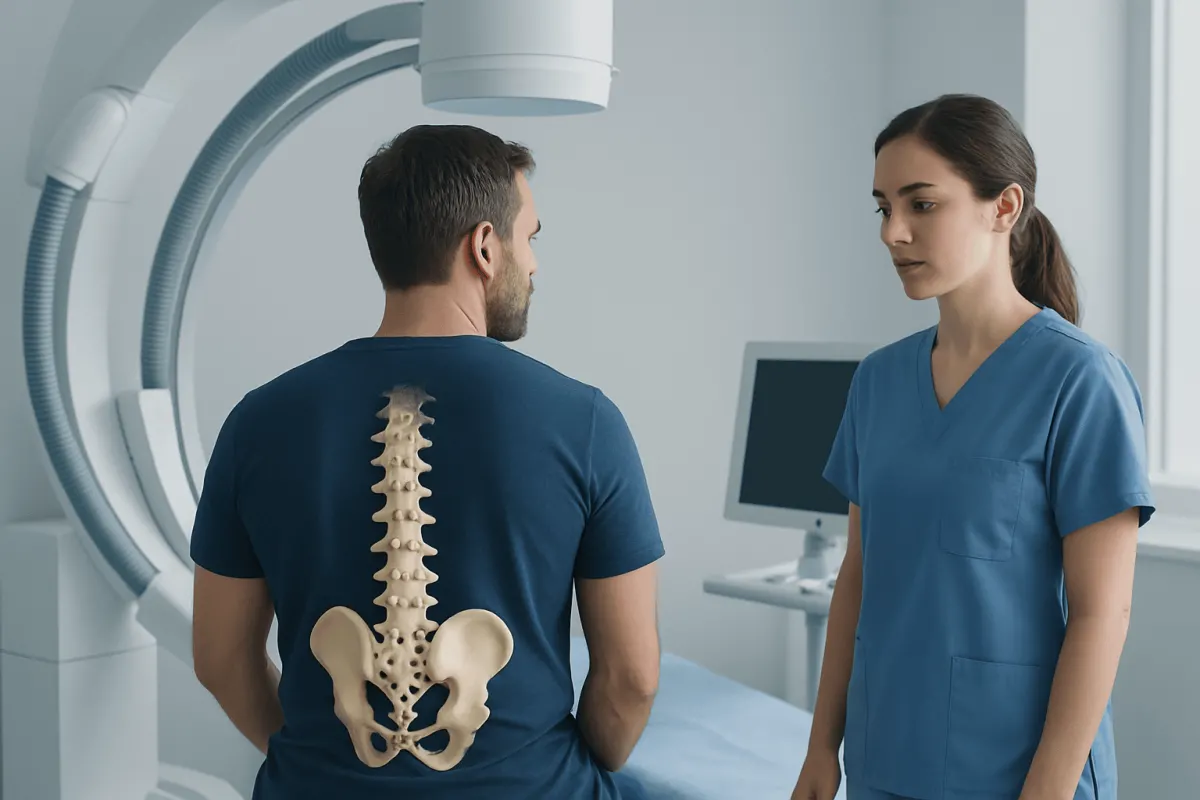
A person may be a candidate for spinal fusion when a clearly identified spinal problem causes persistent pain, instability, deformity, or nerve symptoms and non-surgical treatment has not provided adequate relief. Eligibility is individual and depends on symptoms, imaging findings, overall health, treatment goals, and whether fusion is likely to address the source of symptoms.
Am I a Candidate for Spinal Fusion?
A person may be a candidate for spinal fusion if they have a well-defined spinal condition causing ongoing pain, instability, deformity, or nerve-related symptoms that have not improved enough with suitable non-surgical treatment. The decision is not based on an MRI scan alone: a spine specialist considers whether the person’s symptoms, examination findings, and imaging results point to the same source of pain or nerve pressure.
Spinal fusion is a procedure that permanently joins two or more spinal bones, called vertebrae, so that they heal into one stable unit. It is generally considered when abnormal movement between vertebrae is contributing to symptoms, or when stabilisation is needed after decompression or correction of a spinal problem. The most relevant next step is an individual assessment rather than self-diagnosis; spinal fusion Hypersomnia Treatment Information: How It Works, Results and What to Expect" class="ahp-ilk">treatment information can help patients understand the procedure in more detail before a consultation.
Not everyone with back or neck pain benefits from fusion. Many people improve with targeted exercise, physical therapy, medication, activity changes, injections, or other approaches. Surgery is usually recommended only when its likely benefits are considered to outweigh its risks for that individual.
How Spinal Fusion Works
The spine is made of vertebrae separated by discs and supported by joints, ligaments, and muscles. In a fusion, a surgeon places bone graft material between or alongside selected vertebrae. Over time, the graft is intended to grow into solid bone, reducing movement at that spinal level.
Metal implants such as screws, rods, plates, or cages may be used to hold the area stable while healing occurs. These devices support alignment and do not by themselves create the fusion; the long-term aim is bone healing across the treated segment. The surgical approach may be from the back, front, side, or a combination, depending on the part of the spine and the condition being treated.
Fusion may be performed with another procedure, such as removal of tissue pressing on a nerve. For example, decompression can be needed when narrowing around nerves contributes to leg or arm symptoms. The exact plan should be based on the underlying diagnosis, spinal alignment, bone quality, previous treatments, and the person’s daily functional needs.
Eligibility Criteria and Conditions That May Need Fusion
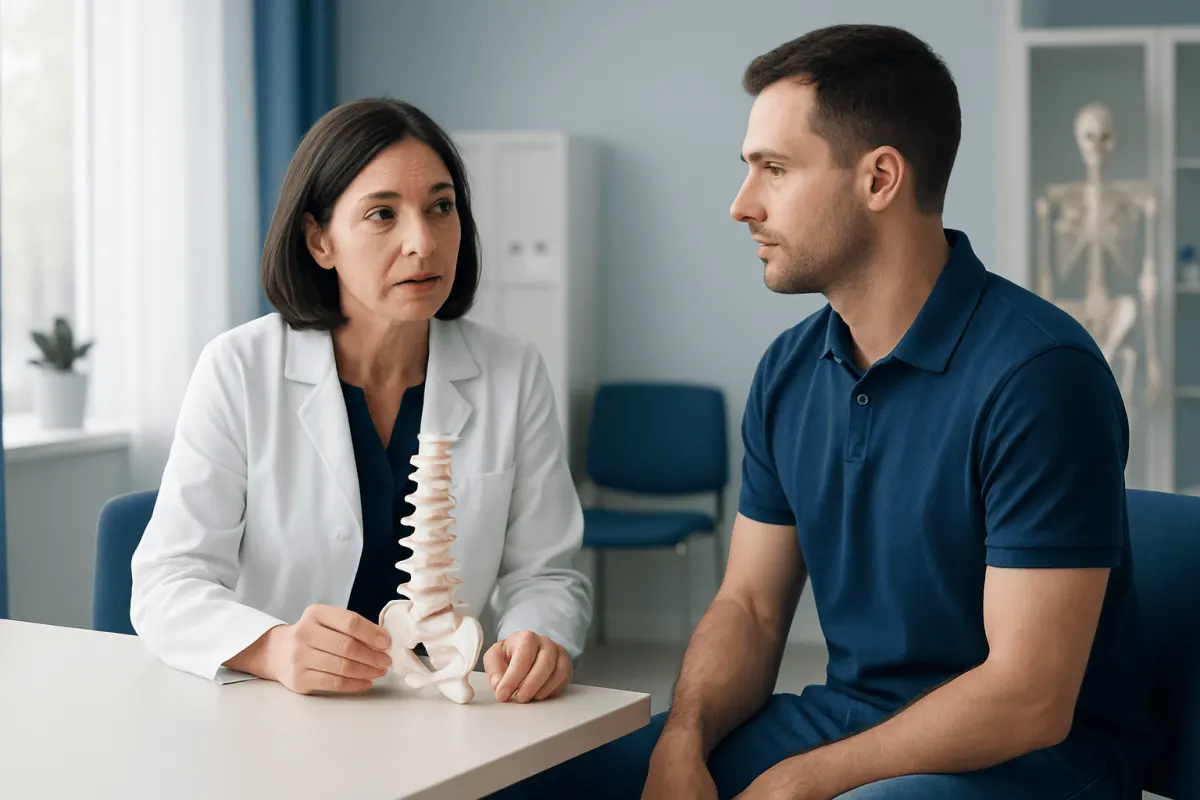
Doctors may discuss spinal fusion when there is evidence of mechanical instability or a structural problem likely to improve with stabilisation. Common examples include spondylolisthesis, in which one vertebra slips relative to another; some spinal fractures; progressive spinal deformity such as scoliosis; recurrent disc problems in selected cases; or arthritis and disc degeneration associated with proven instability.
Fusion can also be considered when a nerve is compressed and decompression surgery would be expected to make the spine unstable. Symptoms may include persistent radiating pain, numbness, tingling, weakness, reduced walking tolerance, or pain that worsens with specific movements. Conditions such as spondylolisthesis may require careful assessment because the degree of slip, symptoms, neurological findings, and response to non-surgical care all influence treatment choices.
A typical candidate has a clear correlation between symptoms and diagnostic findings, symptoms that substantially affect quality of life or function, and reasonable expectations of what surgery can achieve. A surgeon may also consider fusion sooner when there is a significant fracture, progressive deformity, or neurological problem that requires urgent stabilisation.
- Persistent symptoms despite an appropriate, individualised course of conservative treatment
- Imaging that supports a treatable cause at the same spinal level as the symptoms
- Instability, deformity, fracture, or a need for stabilisation after nerve decompression
- Medical fitness for anaesthesia and surgery, with modifiable risks addressed where possible
- A clear understanding that recovery takes time and that outcomes can vary
Pre-Surgical Assessment: What the Team Evaluates
Assessment begins with a detailed history and physical examination. The clinician asks about the location and pattern of pain, leg or arm symptoms, weakness, walking ability, sleep, work demands, previous treatment, and how symptoms affect everyday activities. Neurological testing checks strength, sensation, reflexes, balance, and signs of nerve irritation.
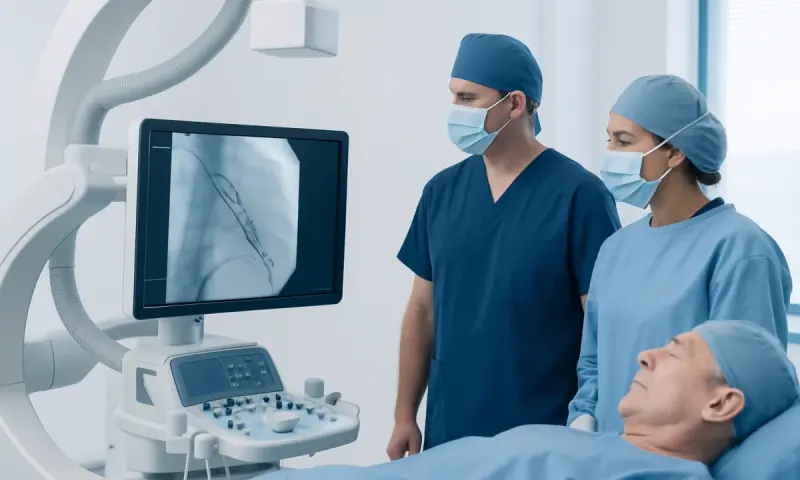
X-rays, including standing and sometimes movement views, can show alignment and instability. MRI scans are useful for evaluating discs, nerves, and spinal canal narrowing, while CT may provide more detail about bone anatomy or previous fusion healing. Blood tests and other pre-operative checks help identify issues that may need treatment before surgery.
Overall health is important. Smoking and nicotine exposure can impair bone healing; uncontrolled diabetes can raise the risk of infection and delayed healing; and osteoporosis may affect how well implants anchor in bone. Weight, nutrition, medications, heart and lung health, prior surgery, mental wellbeing, and infection risk are also considered. These factors do not automatically rule out surgery, but optimising them can make treatment safer and more effective.
Patients preparing for consultation may find it useful to complete a pre-assessment form with their symptoms, current medicines, prior scans, and treatment history. This supports a focused discussion of eligibility, alternatives, and personal recovery needs.
What Happens During the Procedure
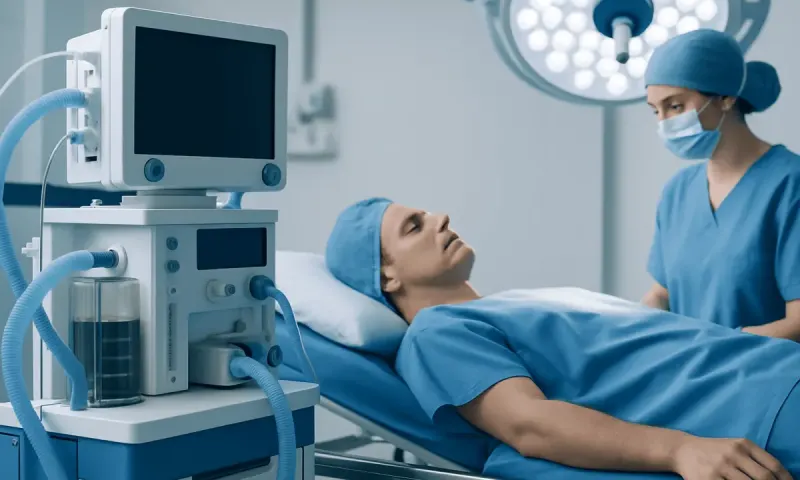
Spinal fusion is performed under general anaesthesia. After positioning the patient carefully, the surgeon reaches the planned spinal level through an approach selected for the condition. If required, pressure on nerves may be relieved by removing part of a disc, bone, or thickened ligament before the spine is stabilised.
Bone graft is then placed where fusion is needed. Graft material may come from the patient’s own bone, a donor source, or a bone-graft substitute, depending on the surgical plan. Screws, rods, plates, or cages may be used to maintain stability and restore or preserve alignment while the bone heals.
The operation’s length and hospital stay vary considerably according to the number of levels treated, the approach used, whether a deformity is corrected, and the person’s general health. The surgical team explains the expected plan, potential need for blood management measures, and post-operative care before the procedure. In selected cases, less invasive techniques may be suitable, but they are not appropriate for every spinal condition.
Benefits, Risks, and Recovery Timeline
The potential benefit of fusion is greater stability at a painful or unstable spinal segment. Depending on the cause, this may reduce movement-related pain, improve nerve symptoms after decompression, support correction of deformity, and help a person return to daily activities. It is important to understand that fusion does not treat every source of back or neck pain, and some symptoms may persist even when surgery is technically successful.
All surgery carries risks. For spinal fusion, these can include bleeding, infection, blood clots, anaesthetic complications, nerve injury, persistent pain, problems with implants, and failure of the bones to fuse fully, sometimes called non-union. Adjacent spinal levels may also undergo increased stress over time. A specialist can explain how these risks apply to the individual procedure and health profile.
Recovery begins with supervised movement, pain control, and gradual walking soon after surgery when medically appropriate. The first few weeks focus on wound care, safe movement, avoiding activities that exceed the surgeon’s restrictions, and increasing activity gradually. Return to desk-based work may be possible earlier than return to lifting, repetitive bending, or physically demanding work, but timing varies widely.
Bone fusion develops over months rather than days. Follow-up appointments and imaging monitor healing and alignment. Rehabilitation may begin with guided walking and gentle activity, followed by strengthening and flexibility work when the team considers it safe. Adhering to advice about nicotine avoidance, nutrition, activity, and follow-up can support recovery.
When to Seek Medical Care
Persistent back or neck pain should be assessed when it lasts several weeks, limits normal activity, disrupts sleep, or does not improve with appropriate self-care and clinician-guided treatment. Medical review is particularly important when pain travels into an arm or leg, or is accompanied by numbness, tingling, weakness, reduced coordination, or worsening walking tolerance.
Urgent medical assessment is needed for new loss of bladder or bowel control, numbness around the genitals or buttocks, rapidly worsening weakness, severe symptoms after significant trauma, or back pain with fever and feeling unwell. These symptoms do not always mean surgery is needed, but they require prompt evaluation to identify potentially serious causes.
For international patients, Acıbadem Health Point’s multidisciplinary spine specialists and JCI-accredited hospitals can assess spinal conditions and discuss treatment options, including whether fusion is appropriate. A spine consultation should include a balanced conversation about non-surgical care, surgery, expected recovery, and the individual’s goals.
Frequently asked questions
01How do I know if I am a candidate for spinal fusion?
A candidate usually has a diagnosed spinal problem that causes significant symptoms and is likely to improve with stabilisation. A spine specialist compares symptoms, examination findings, imaging, prior treatment response, general health, and personal goals before recommending surgery.
02Is spinal fusion the first treatment for back pain?
No. Most uncomplicated back pain does not require spinal fusion and often improves with non-surgical treatment. Fusion is generally considered when there is a specific structural cause, such as instability or deformity, and appropriate conservative care has not helped enough.
03Can an MRI alone show that spinal fusion is needed?
No. MRI findings are common even in people without pain, so imaging must be interpreted alongside symptoms and a physical examination. Additional X-rays or CT scans may be needed to assess alignment, movement-related instability, or bone anatomy.
04What might prevent someone from having spinal fusion?
Factors such as active infection, uncontrolled medical conditions, severe untreated osteoporosis, smoking or nicotine use, and poor nutritional status can increase risks or reduce the chance of bone healing. Some risks can be improved before surgery, while others may lead the team to recommend another approach.
05How long does it take to recover from spinal fusion?
Early recovery usually takes weeks, while bone healing and functional recovery often continue for several months. The timeline depends on the spinal level, number of segments fused, surgical approach, overall health, work demands, and whether other procedures were performed.
06Will spinal fusion completely eliminate pain?
Fusion can reduce pain related to instability and may relieve nerve symptoms when combined with appropriate decompression. However, it cannot guarantee complete pain relief because pain can have more than one source and healing responses differ between individuals.
This article is for general information only and is not a substitute for professional medical advice. Please consult a qualified doctor about your individual situation.
Joint and spine care in Turkey — expert assessment & treatment
JCI-accredited · board-certified surgeons · reply within 24h
Add us as a Preferred Source to see more of our trusted health content across Google Search, AI Overviews and Discover.