Psoriasis on the Back: Symptoms and Treatment Options
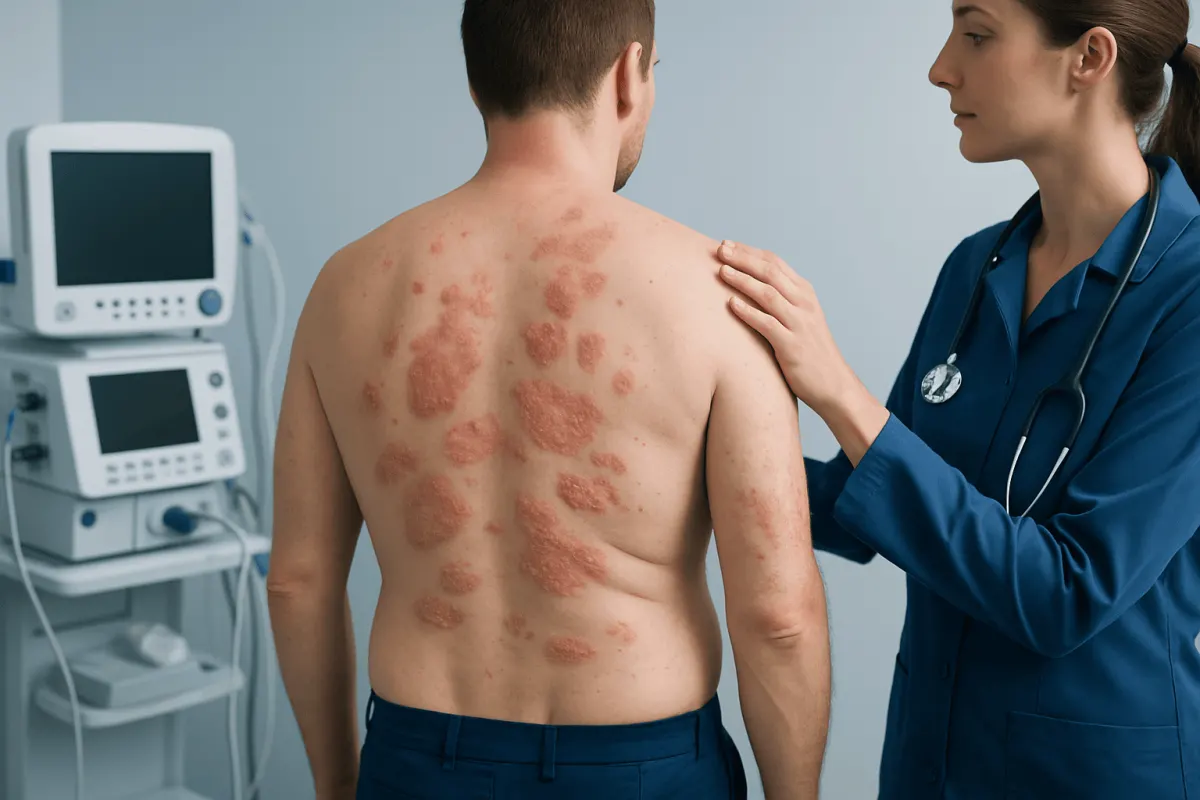
Psoriasis on the back is a common form of chronic inflammatory skin disease that often appears as raised, clearly outlined patches with silvery-white scale. It is not contagious, and effective treatment can reduce symptoms, visible plaques, and the impact on daily life.
Psoriasis on the Back: What It Means
Psoriasis on the back is a chronic immune-mediated skin condition that speeds up the turnover of skin cells. This can produce areas of inflamed, thickened skin covered by dry scale. The upper and lower back are common locations, and plaques may occur alone or together with psoriasis on the scalp, elbows, knees, buttocks, hands, feet, or other areas.
The most common type is plaque psoriasis. On lighter skin tones, plaques may look red or pink with silvery-white scale. On deeper skin tones, they may appear violet, grayish, dark brown, or deeper than the surrounding skin, and the scale can be less obvious. Psoriasis is not caused by poor hygiene and cannot be passed from one person to another through touch, clothing, swimming pools, or close contact.
Back psoriasis can be challenging because the area is difficult to see and reach for self-care. Clothing seams, backpack straps, heat, sweat, and pressure against chairs or bedding may also irritate affected skin. Although psoriasis tends to follow a long-term pattern with periods of improvement and flares, many people achieve good symptom control with an individualized care plan.
How Psoriasis on the Back Can Feel and Look
Back psoriasis commonly causes sharply bordered patches or plaques that may be dry, rough, flaky, and raised. The plaques can range from small spots to larger areas that merge together. Itching is common, and some people experience burning, stinging, tenderness, or tightness, especially when the skin is very dry or cracked.
Symptoms can change over time. During a flare, plaques may become thicker and more inflamed, while treatment and natural improvement may leave temporary differences in skin color after the scaling settles. These color changes are not usually scarring, but they can take time to fade, particularly in darker skin tones.
Not every scaly back rash is psoriasis. Eczema, fungal infections such as ringworm, seborrheic dermatitis, contact reactions to products or clothing, and pityriasis rosea can have overlapping features. A clinician can help distinguish these conditions, which is important because the appropriate treatment may differ.
- Dry, thick, scaly, well-defined patches
- Itch, soreness, burning, or skin cracking
- Symptoms that come and go in flares
- Similar changes on the scalp, nails, elbows, knees, or buttocks
Why Back Psoriasis Develops and What Can Trigger Flares

Psoriasis develops through a combination of immune system activity, genetic tendency, and environmental influences. In psoriasis, immune signaling causes skin cells to build up more rapidly than usual. It is not an infection, and it is not a person’s fault. Having a family history of psoriasis can increase the likelihood of developing the condition, but not everyone with a family history will be affected.
Many people notice that particular factors aggravate their psoriasis. Common triggers include emotional stress, cold or dry weather, skin injury, sunburn, friction, and infections such as strep throat. On the back, repeated rubbing from tight clothing, sports equipment, or straps may contribute to irritation through a response known as the Koebner phenomenon, where psoriasis appears at areas of skin trauma.
Smoking, heavy alcohol use, higher body weight, and poor sleep can be associated with more difficult-to-control psoriasis in some people. Certain prescription medicines may also trigger or worsen symptoms. People should not stop a prescribed medicine on their own; instead, they should discuss any suspected link with the clinician who prescribed it.
Psoriasis can coexist with other health concerns, including psoriatic arthritis, cardiometabolic risk factors, and anxiety or low mood. This does not mean every person with psoriasis will develop these conditions, but it is one reason regular medical review can be helpful. More information about the condition is available in psoriasis care and management.
How Clinicians Diagnose Psoriasis on the Back
A dermatologist or other qualified clinician can often diagnose psoriasis by reviewing symptoms and examining the skin. They may ask when the rash began, whether it recurs, what makes it better or worse, whether there is a family history, and whether there are symptoms affecting the nails, joints, scalp, or other areas of skin.
In some cases, further evaluation is useful. A clinician may gently scrape a small amount of scale for fungal testing if ringworm is possible, especially when the rash has an unusual border or does not respond as expected. A skin biopsy, in which a small sample is examined under a microscope, is occasionally used when the diagnosis remains uncertain.
It is helpful to mention joint symptoms such as persistent pain, swelling, morning stiffness, heel pain, or swollen fingers or toes. These can be signs of psoriatic arthritis, which benefits from timely assessment. Patients can also bring photographs of the rash during flares, since psoriasis may look less active by the time of an appointment.
Treatment Options for Back Psoriasis
Treatment is based on the extent of the rash, its severity, symptoms, other health conditions, previous treatments, and the person’s preferences. Mild, localized psoriasis on the back may respond well to regular emollients and prescription topical treatments. Because reaching the back can be difficult, sprays, foams, lotions, or applicators may be more practical than ointments for some people.
Topical corticosteroids can reduce inflammation and itching during a flare. Other topical options may include vitamin D analogues, calcineurin inhibitors for selected sensitive areas, retinoid preparations, or keratolytic products that help lift scale. These medicines should be used exactly as directed, as strength, duration, and safe application areas vary. A clinician can advise on a workable regimen for the back.
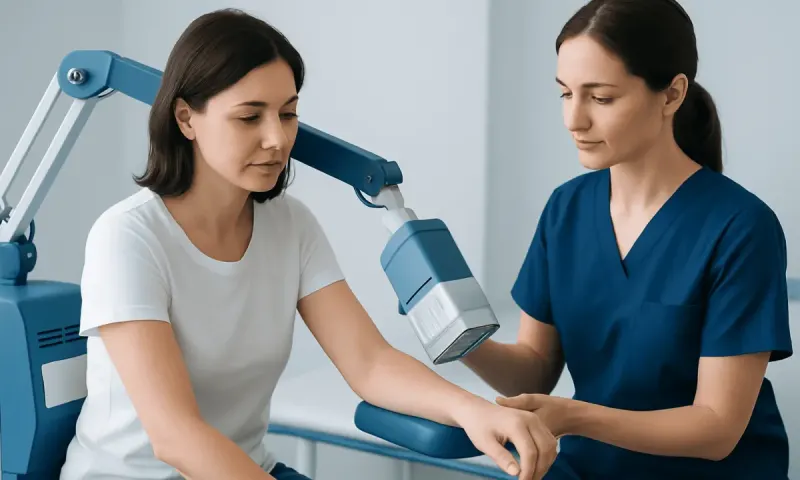
If plaques are widespread, persistent, or significantly affecting quality of life, phototherapy may be considered. This uses carefully controlled ultraviolet light under medical supervision and is different from tanning beds, which are not a safe substitute. Learn more about medical phototherapy for inflammatory skin conditions.
Moderate to severe psoriasis may need systemic treatment, such as oral medicines or injectable biologic therapies that target specific immune pathways. These choices require assessment, follow-up, and sometimes laboratory monitoring. Treatment aims to control inflammation and improve comfort and function, rather than promising a permanent cure.
Practical Skin Care and Daily Self-Management
Daily skin care can support medical treatment and reduce discomfort. Applying a fragrance-free moisturizer after bathing and whenever the skin feels dry can soften scale and support the skin barrier. Short, lukewarm showers are often gentler than hot, prolonged bathing. Patting the skin dry rather than rubbing it can also minimize irritation.
Loose, breathable clothing may reduce friction and overheating. People who wear backpacks, braces, or sports gear may find it useful to adjust fit, use soft layers under straps where practical, and change out of sweaty clothing promptly. Scratching can damage the skin and may worsen plaques, so cool compresses, moisturizer, and clinician-recommended itch control strategies can be preferable.
Keeping a simple symptom record can help identify personal triggers. This may include noting illness, stressful periods, changes in weather, new skin products, alcohol intake, smoking, or medication changes. Stress-reduction practices, regular movement, adequate sleep, and avoiding tobacco can support overall health and may help some people manage flares.
Over-the-counter products should be chosen carefully. Products with strong fragrance, harsh exfoliants, or unproven “detox” claims can irritate psoriasis. Before trying a new medicated product, especially on extensive or broken skin, it is sensible to ask a pharmacist or healthcare professional for guidance.
When to Seek Medical Care
Medical assessment is appropriate for a new or unexplained scaly back rash, particularly if it is spreading, painful, bleeding, cracking, or not improving with gentle skin care. A clinician can confirm whether psoriasis is the cause and recommend treatment suited to the location and severity of symptoms.
Prompt advice is important if there are signs of possible infection, such as increasing warmth, swelling, pus, fever, or rapidly worsening pain. People should also seek assessment for joint pain, prolonged morning stiffness, swollen joints, or difficulty with usual movement, as these symptoms may need evaluation for psoriatic arthritis.
Psoriasis can affect sleep, intimacy, work, exercise, and confidence. It is appropriate to seek help when the condition is causing distress or limiting everyday activities, even if the affected area is relatively small. Acıbadem Health Point’s multidisciplinary specialists and JCI-accredited hospitals diagnose and treat psoriasis for international patients.
Frequently asked questions
01Is psoriasis on the back contagious?
No. Psoriasis on the back is not contagious and cannot spread through touching someone, sharing towels, swimming, or close personal contact. It is an immune-mediated condition, not a bacterial, viral, or fungal infection.
02What does psoriasis on the back look like?
It often appears as clearly outlined, raised areas of dry skin with scale. The color may be red, pink, violet, grayish, brown, or darker than nearby skin depending on a person’s skin tone. Plaques may itch, feel sore, or crack when very dry.
03Can sweat make back psoriasis worse?
Sweat itself does not cause psoriasis, but heat, moisture, and friction from clothing or equipment can irritate affected skin and worsen symptoms for some people. Showering after heavy sweating, drying gently, and wearing breathable clothing may help reduce irritation.
04How can someone apply psoriasis treatment to their own back?
A long-handled applicator, clean back lotion applicator, or help from a trusted person may make treatment easier to apply evenly. Sprays, foams, or lotions can also be easier to use than thicker ointments. A clinician or pharmacist can advise which formulation is appropriate for the prescribed medicine.
05Can psoriasis on the back go away permanently?
Psoriasis is usually a long-term condition with symptoms that may improve, return, or fluctuate over time. There is currently no guaranteed permanent cure, but treatment can often control plaques and reduce flares substantially. Follow-up allows treatment to be adjusted if symptoms change.
06Should a person with back psoriasis avoid the sun?
Brief, careful exposure to natural sunlight helps some people, but sunburn can trigger or worsen psoriasis and increase skin cancer risk. Tanning beds should not be used as treatment. Medical phototherapy is a safer, controlled option when ultraviolet treatment is appropriate.
This article is for general information only and is not a substitute for professional medical advice. Please consult a qualified doctor about your individual situation.
Hair transplant in Turkey — costs, graft counts & a free assessment
JCI-accredited · board-certified surgeons · reply within 24h
Add us as a Preferred Source to see more of our trusted health content across Google Search, AI Overviews and Discover.