Psoriasis Drugs List: Topical, Oral, and Biologic Options
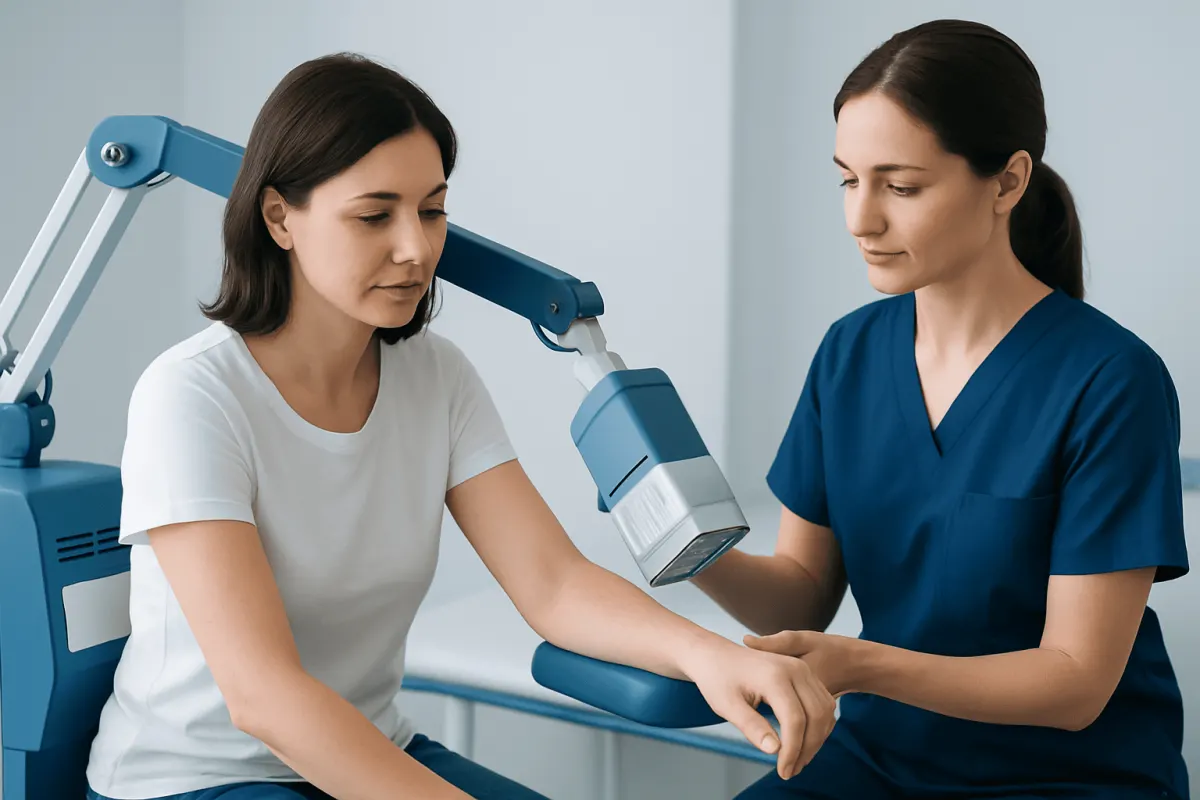
A psoriasis drugs list includes topical medicines for limited plaques, light therapy, oral systemic medicines and injectable or infused biologic drugs for moderate-to-severe disease. The most suitable option depends on the type and extent of psoriasis, affected body areas, symptoms, other health conditions and personal treatment goals.
Psoriasis drugs list: an overview of treatment choices
A psoriasis drugs list usually includes four broad treatment groups: medicines applied to the skin, phototherapy (medical light treatment), oral systemic medicines and biologic medicines given by injection or infusion. These treatments reduce inflammation, slow the rapid buildup of skin cells and relieve symptoms such as scaling, itch and discomfort. A dermatologist selects treatment according to how much skin is involved, where plaques occur, whether joints are affected and how psoriasis affects daily life.
Psoriasis is a long-term immune-mediated condition. Symptoms may improve for a time and then flare again, so treatment plans often need adjustment. The goal may be to clear or greatly reduce plaques, reduce itching and soreness, protect function in sensitive areas and support quality of life. Learn more about psoriasis and its different forms.
Many people use more than one approach. For example, a topical medicine may be continued on small remaining plaques while a systemic medicine controls more widespread inflammation. Medicines should not be started, stopped or combined without advice from a qualified clinician, as each option has potential benefits, precautions and monitoring needs.
Medicines applied to the skin
Topical treatments are applied directly to psoriasis plaques and are commonly used for mild or localized disease. They may also be used alongside phototherapy or systemic treatment. The formulation matters: creams and lotions may suit larger or hair-bearing areas, while ointments can be useful for very dry, thick plaques. Foams, gels, solutions and shampoos can help treat scalp psoriasis.
Topical corticosteroids reduce redness, swelling and itching. They come in different strengths, and the appropriate choice depends on the body area and plaque thickness. Stronger products may be prescribed for short periods on thicker plaques, while lower-strength options are usually preferred for thinner skin, such as the face, skin folds or genital area. Prolonged or inappropriate use can thin the skin or cause other side effects, so follow the prescribed schedule.
Other topical options include vitamin D analogues, retinoids, calcineurin inhibitors for selected sensitive areas, salicylic acid to soften scale, coal tar preparations and moisturisers. Combination products containing a corticosteroid and vitamin D analogue are also used. A regular fragrance-free emollient does not replace prescribed medicine, but it can reduce dryness, soften scale and improve comfort.
- Topical corticosteroids: reduce inflammation and itch.
- Vitamin D analogues: help slow excess skin-cell growth.
- Topical retinoids: may help selected plaques but can irritate skin.
- Scale-softening products: help other topical treatments reach the skin more effectively.
Phototherapy and oral psoriasis medicines
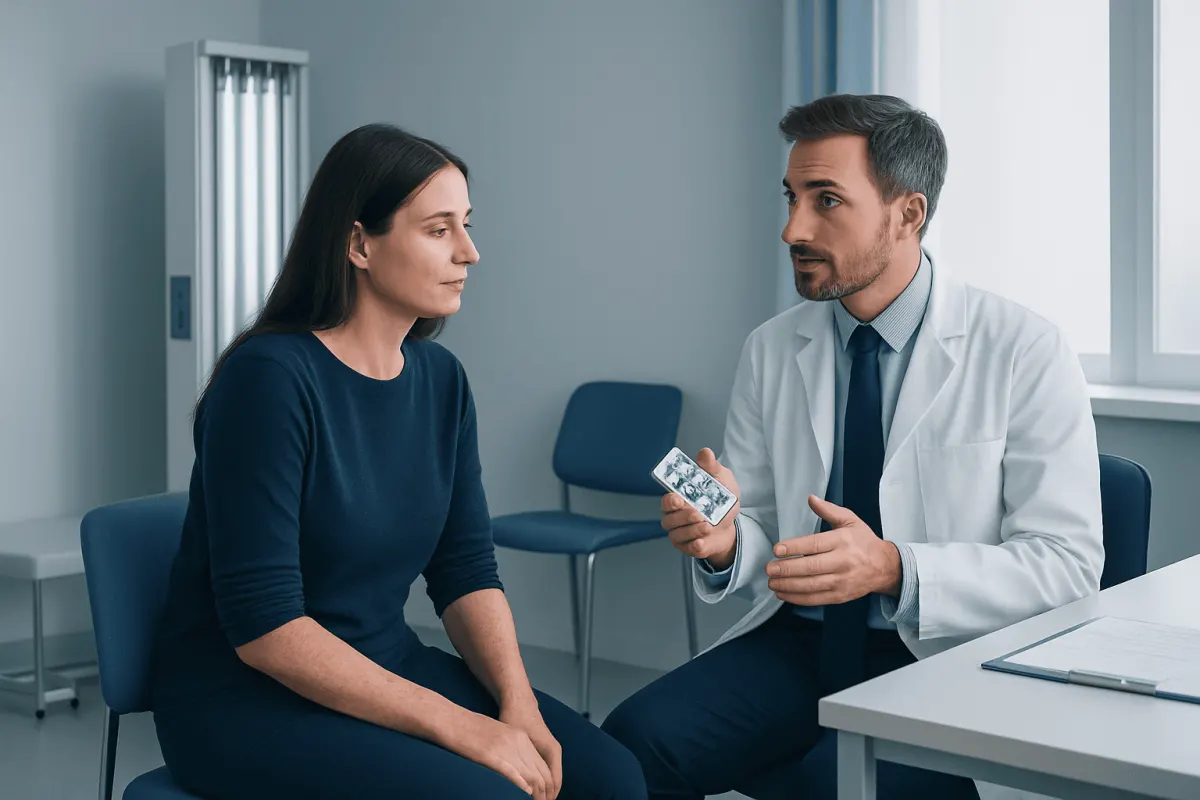
Phototherapy uses carefully controlled ultraviolet light under medical supervision. Narrowband UVB is a commonly used option for widespread plaque psoriasis and may be suitable when topical treatment alone has not provided enough control. Treatment is generally provided on a regular schedule in a dermatology setting. Sunburn, skin ageing and, with certain forms of ultraviolet treatment, longer-term skin cancer risk are considerations a clinician will discuss.
Oral systemic medicines work throughout the body and may be considered for moderate-to-severe psoriasis, rapidly progressing disease, difficult-to-treat locations or psoriasis that substantially affects wellbeing. Common categories include methotrexate, cyclosporine, acitretin, apremilast and oral medicines that target specific inflammatory pathways, such as certain TYK2 inhibitors. Availability and suitability vary by country and individual medical circumstances.
These medicines have different safety profiles. Some require blood tests to monitor blood counts, liver or kidney function, while others may affect blood pressure, cholesterol, mood or pregnancy planning. Certain oral medicines should be avoided in pregnancy or require careful planning before conception. A clinician will review current medicines, vaccination history, alcohol intake, infection risk and relevant medical history before recommending a systemic option.
Biologic drugs for psoriasis
Biologic drugs are targeted medicines for moderate-to-severe psoriasis. They are proteins made using biological processes and are usually given by injection under the skin, although some are administered by intravenous infusion. Biologics act on particular immune signals involved in psoriasis rather than broadly suppressing the immune system in the same way as some older systemic treatments.
Major biologic groups target tumour necrosis factor (TNF), interleukin-17, interleukin-12/23 or interleukin-23 pathways. The choice can be influenced by plaque severity, scalp or nail involvement, inflammatory bowel disease, history of recurrent infections, pregnancy plans, previous treatment response and whether psoriatic arthritis is suspected. Some biologics can also help joint inflammation, but joint symptoms should be assessed separately by a clinician.
Before starting a biologic, patients are commonly screened for infections such as tuberculosis and hepatitis, and clinicians review immunizations and medical history. During treatment, people should report persistent fever, cough, shortness of breath, painful urination, shingles-like rash or other possible infection symptoms promptly. Live vaccines are generally avoided during many biologic therapies, but recommended vaccines can often be planned before treatment or discussed with the prescribing team.
A biologic may take several weeks or longer to show its full effect. If response is incomplete or side effects occur, a dermatologist may adjust the plan or consider another therapy. Treatment decisions should be shared decisions, balancing expected benefits with safety, convenience and personal priorities.
How doctors choose from a psoriasis drugs list
There is no single best psoriasis medicine for everyone. Clinicians assess disease severity not only by the percentage of skin affected, but also by location and impact. Even a small area can be highly disruptive when psoriasis affects the hands, feet, face, genitals, scalp or nails. Sleep disturbance from itching, pain, work limitations and emotional distress are all relevant to treatment planning.
Medical history is equally important. Liver disease, kidney disease, high blood pressure, inflammatory bowel disease, past cancer, frequent infections and pregnancy or breastfeeding can change which medicines are appropriate. Drug interactions also matter, including medicines taken for other conditions and non-prescription supplements. Patients should bring an up-to-date medication list to appointments.
Doctors may use a stepwise approach, beginning with topical treatment for limited disease and escalating if psoriasis remains uncontrolled. However, treatment need not always follow a fixed sequence. Severe disease, difficult body sites, major quality-of-life effects or associated joint disease may justify earlier consideration of phototherapy, systemic therapy or biologics. Dermatology assessment and follow-up can help ensure treatment remains safe and effective over time.
Safety, monitoring and everyday self-care
All psoriasis drugs can cause side effects, although many people use them safely with appropriate guidance. The prescribing clinician will explain what to expect, what tests may be needed and when to seek advice. Monitoring may include skin examinations, blood pressure checks or blood tests, depending on the medicine. Keeping scheduled appointments is an important part of safe treatment.
People should not suddenly stop systemic medicines or biologics without discussing it with their clinician, unless they have been advised to do so in an urgent situation. They should tell their healthcare team about planned surgery, new medicines, pregnancy plans or exposure to significant infection. It is also sensible to ask before using herbal remedies, as “natural” products can still interact with prescribed treatments or irritate the skin.
Daily habits can support, but not replace, medical treatment. Gentle washing, regular moisturising, avoiding scratching and using prescribed products as directed can reduce irritation. Some people notice flares after stress, skin injury, smoking, heavy alcohol use or certain infections; identifying personal patterns may be useful. Maintaining a healthy weight and managing related conditions can also support overall health, particularly for people with more extensive psoriasis.
When to seek medical care
Medical advice is appropriate when a new rash is persistent, scaly, painful, widespread or affecting daily activities. A doctor can confirm whether symptoms are due to psoriasis or another skin condition, since several conditions can look similar. Assessment is particularly important before using strong steroid creams or systemic medicines.
People with diagnosed psoriasis should arrange a review if treatment is not helping, plaques are spreading, itch or pain is interfering with sleep, or side effects are suspected. Prompt review is also needed for warmth, increasing redness, pus, fever or rapidly worsening skin changes, which may suggest infection or another problem requiring care.
Joint pain, morning stiffness, swollen fingers or toes, heel pain or reduced movement should be assessed, as these may indicate psoriatic arthritis. Early evaluation can help protect joint function. Acıbadem Health Point’s multidisciplinary specialists and JCI-accredited hospitals diagnose and treat psoriasis and related concerns for international patients.
Frequently asked questions
01What is the best medicine for psoriasis?
The best medicine depends on the severity and type of psoriasis, the body areas involved, other health conditions and individual preferences. Topical medicines may be enough for limited plaques, while phototherapy, oral medicines or biologics may be appropriate for more extensive or difficult-to-control disease. A dermatologist can help choose a safe, suitable plan.
02What are the main types of psoriasis drugs?
The main types are topical medicines, phototherapy, oral systemic medicines and biologic drugs. Topical treatments include corticosteroids and vitamin D analogues, while systemic treatments include conventional oral medicines and newer targeted therapies. Biologics are injectable or infused medicines that target specific immune pathways.
03Are biologics safe for psoriasis?
Biologics can be effective and are widely used under specialist supervision, but they are not suitable for everyone. They may increase susceptibility to certain infections, so screening and ongoing monitoring are important. A clinician will review infection history, vaccinations and other medical conditions before prescribing one.
04Can psoriasis medicines cure psoriasis permanently?
Current medicines can control psoriasis and may produce long periods of clear or nearly clear skin, but they do not provide a permanent cure. Symptoms can return after treatment is changed or stopped. Ongoing care helps adjust treatment when disease activity changes.
05Do psoriasis medications require blood tests?
Some oral systemic medicines require regular blood tests to monitor for possible effects on the liver, kidneys or blood cells. Monitoring needs vary greatly by medicine; some biologics require initial infection screening and may have different follow-up requirements. The prescribing clinician will explain the recommended testing schedule.
06Can psoriasis treatment help joint pain?
Some systemic and biologic medicines can help both skin psoriasis and psoriatic arthritis. However, joint symptoms need a separate medical assessment because untreated inflammation can affect mobility and joint health. New stiffness, swelling or persistent joint pain should be discussed with a doctor.
This article is for general information only and is not a substitute for professional medical advice. Please consult a qualified doctor about your individual situation.
Hair transplant in Turkey — costs, graft counts & a free assessment
JCI-accredited · board-certified surgeons · reply within 24h
Add us as a Preferred Source to see more of our trusted health content across Google Search, AI Overviews and Discover.