Prostatectomy Recovery: Catheter Care and Gradual Healing
Prostatectomy recovery is a gradual process that commonly includes a short hospital stay, a urinary catheter for about one to two weeks, and several weeks of rebuilding strength and bladder control. Recovery varies by the type of surgery, overall health and whether the operation was performed for cancer or benign prostate enlargement.
Overview: what prostatectomy recovery involves
Prostatectomy recovery refers to healing after surgery to remove part or all of the prostate gland. Recovery commonly takes several weeks, while urinary control and sexual function may continue improving for months. The exact course depends on whether the procedure was a simple prostatectomy for benign enlargement or a radical prostatectomy, which removes the prostate and nearby tissues as treatment for prostate cancer.
After radical prostatectomy, the bladder is reconnected to the urethra. A catheter drains urine while this connection heals. It is normal to feel tired, have some discomfort around the incision sites and need time to regain confidence with movement, continence and daily routines.
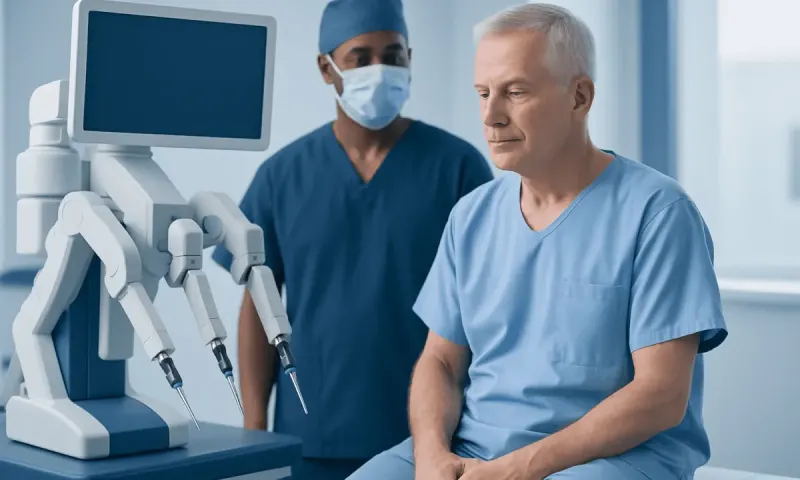
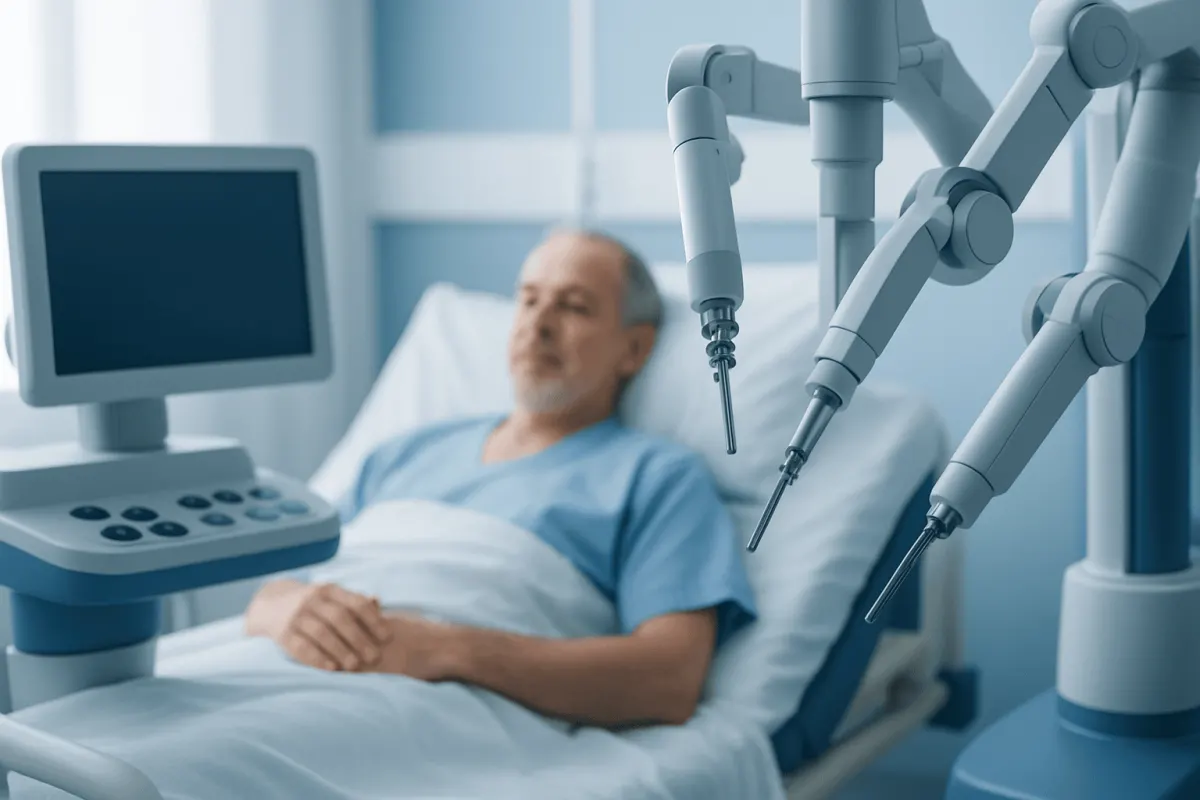
Many radical prostatectomies are performed using minimally invasive laparoscopic or robot-assisted techniques, which may involve smaller incisions and a shorter initial recovery than open surgery. However, every operation has individual considerations. The surgical team’s instructions should always take priority over general recovery guidance.
How prostatectomy works, candidacy and the procedure
A prostatectomy may be recommended for different reasons. A simple prostatectomy removes the inner part of an enlarged prostate when medication or less invasive treatments have not relieved significant urinary obstruction. A radical prostatectomy is most often considered for prostate cancer that appears confined to the prostate or, in selected cases, has a higher risk of spreading but can still be treated surgically.
Before surgery, clinicians review biopsy and imaging findings when cancer is present, urinary symptoms, prostate size, medical history, medications and fitness for anaesthesia. Discussions also cover expected benefits, alternative treatments and possible effects on urinary continence and erections. The choice of treatment should be made with a urologist after considering a person’s priorities and clinical circumstances.
During radical prostatectomy, the surgeon removes the prostate and seminal vesicles, then reconnects the bladder to the urethra. Nearby lymph nodes may be removed for assessment in some cases. Surgery may be open, laparoscopic or robot-assisted. A urinary catheter is placed at the end of the procedure, and a drain may occasionally be used for a short period.
For patients seeking more information about the operation itself, prostatectomy treatment describes the surgical approach and its role in prostate care.
Recovery timeline after prostatectomy

The first few days focus on pain control, safe movement, breathing exercises and catheter management. Depending on the surgical approach, overall health and local care pathway, a person may go home within a few days. Walking short distances is encouraged because it supports circulation, bowel function and recovery, but fatigue is expected.
During the first one to two weeks at home, the catheter remains in place for many patients after radical prostatectomy. The care team explains how to empty the drainage bag, maintain hygiene, prevent tubing from pulling and watch for blockage or leakage. Mild blood-tinged urine can occur, especially after activity, but urine that becomes heavily bloody, stops draining or contains large clots needs medical advice.
After catheter removal, urine leakage is common because the urinary sphincter and pelvic-floor muscles need time to adapt. Many people use absorbent pads temporarily and begin or continue pelvic-floor muscle training if advised. Walking can gradually increase, while lifting, driving, work and exercise are reintroduced according to surgical guidance.
By four to six weeks, many people feel substantially more comfortable with regular daily activities. Complete healing and recovery of energy may take longer, especially after open surgery or if there are other health conditions. Continence and erectile recovery may continue over many months, and follow-up visits help track healing and, when relevant, prostate-specific antigen results after cancer treatment.
How many days should I rest after prostate surgery?
Most men need a period of relative rest for the first several days after prostate surgery, but complete bed rest is not recommended unless a clinician specifically advises it. Short, frequent walks are usually encouraged from the first day onward because they can reduce stiffness, support bowel movement and lower the risk of blood clots.
For the first two weeks, activity should generally be light and paced around fatigue. Many people need help with errands, household tasks and catheter care during this period. Resting between walks and avoiding activities that strain the abdomen or pelvic floor are sensible precautions.
Heavy lifting, vigorous exercise, cycling and strenuous physical work are commonly restricted for several weeks, often around four to six weeks after radical prostatectomy. Return-to-work timing varies: desk-based work may be possible sooner than physical work. The surgeon can provide individualized clearance based on healing and the type of procedure performed.
How long do men wear diapers after prostate surgery?
After the catheter is removed, many men use pads or protective underwear for temporary urine leakage. The amount and duration of leakage vary widely. Some men regain good control within weeks, while others need pads for several months; recovery can continue for up to a year or longer in some cases.
Absorbent pads are usually more practical than diapers for mild or moderate leakage because they allow the skin to stay drier and make it easier to monitor improvement. A clinician or continence nurse can recommend suitable products and help address skin irritation, frequent leakage or difficulty managing the condition.
Pelvic-floor muscle exercises, sometimes called Kegel exercises, may help improve control when performed correctly and consistently. A physiotherapist with pelvic-health experience can teach the appropriate technique. Men should avoid overdoing exercises or tightening the wrong muscles, as this may create discomfort without improving continence.
How long does it take to pee normally after prostate surgery?
After radical prostatectomy, a person does not usually urinate through the penis until the catheter is removed, commonly about one to two weeks after surgery. At first, urination may feel different and may be accompanied by urgency, small leaks or a weaker sense of control. These changes are often part of the early healing process.
Some people notice steady improvement over the first few weeks to months. Bladder control depends on healing at the bladder-urethra connection, strength and coordination of the pelvic-floor muscles, age, pre-existing urinary function and surgical factors. A follow-up plan can help distinguish expected recovery from a problem that needs treatment.
Difficulty starting urine, inability to pass urine, worsening lower abdominal pain, severe burning, fever or a persistently weak stream should be reported promptly. These symptoms can sometimes indicate infection, retention, narrowing of the urinary passage or another condition requiring assessment.
What are the do's and don'ts after prostate surgery?
Helpful steps include taking prescribed medicines as directed, drinking fluids according to the care team’s advice, walking regularly, preventing constipation and attending follow-up appointments. It is also important to follow catheter instructions carefully while the catheter is in place. A balanced diet with adequate fibre and fluids can support bowel regularity, although individual fluid advice may differ for people with heart or kidney conditions.
- Do call the surgical team with questions about catheter drainage, wound care or symptoms that are not improving.
- Do use pelvic-floor exercises only as instructed and increase activity gradually.
- Do not lift heavy objects, strain during bowel movements, drive while taking sedating pain medicines or resume strenuous exercise until cleared.
- Do not remove or alter the catheter yourself, and avoid sexual activity until the surgeon confirms that healing allows it.
Constipation is common after surgery because of anaesthesia, reduced activity and some pain medicines. Avoiding straining is particularly important. If bowel movements are difficult, the care team may recommend dietary changes, a stool softener or another suitable approach.
Erections may be weaker or absent initially after radical prostatectomy, particularly while nerves and tissues recover. Nerve-sparing surgery may preserve erectile function in selected patients, but it does not guarantee recovery. A urologist can discuss rehabilitation options and appropriate timing if sexual function is a concern.
Benefits, possible risks and when to seek medical care
The potential benefit of radical prostatectomy is removal of the prostate cancer and detailed information from the tissue examined after surgery. Simple prostatectomy can provide durable relief of urinary obstruction caused by a very enlarged prostate. As with all major surgery, risks include bleeding, infection, blood clots, injury to nearby structures, urinary leakage, narrowing at the surgical connection and sexual side effects.
Urgent medical care is needed for chest pain, shortness of breath, coughing blood, fainting, sudden one-sided leg swelling or severe calf pain, as these may be signs of a serious complication. The surgical team should also be contacted promptly for fever, chills, worsening redness or discharge from a wound, uncontrolled pain, vomiting that prevents fluid intake, a catheter that stops draining, or heavy blood or clots in the urine.
Follow-up care is an important part of prostatectomy recovery. It allows the team to check wound and urinary healing, review continence, address sexual health and monitor cancer markers where appropriate. Acıbadem Health Point’s multidisciplinary specialists and JCI-accredited hospitals diagnose and treat prostate conditions for international patients.
Frequently asked questions
01How painful is recovery after prostatectomy?
Discomfort is expected in the first days after surgery, particularly around incision sites and the lower abdomen. Pain is usually managed with medicines and becomes easier to control as healing progresses. Severe or worsening pain, especially with fever or vomiting, should be reported to the surgical team.
02When can a person drive after prostate surgery?
Driving should wait until the person can move comfortably, brake safely and is no longer taking sedating pain medicines. This is often at least one to two weeks after surgery, but the timing varies. The surgeon should confirm when driving is appropriate.
03Can a person climb stairs after prostatectomy?
Stairs are generally possible if the person feels steady, moves slowly and has support if needed. They should not be used as exercise in the first days, and repeated trips can increase fatigue. Short walks on level ground are often a gentler way to build activity.
04When can sexual activity resume after prostatectomy?
Sexual activity is commonly delayed until the surgical area has healed, often for several weeks, but the surgeon should give individualized advice. Erectile function may take months to recover after radical prostatectomy and can be affected by age, baseline function and whether nerves could be preserved. Support and treatment options are available if erections do not return as hoped.
05Is urine leakage after prostatectomy permanent?
Urine leakage is common after catheter removal and improves over time for many men. The pace of recovery differs, and pelvic-floor rehabilitation may be helpful. Persistent or troublesome leakage should be discussed with a urologist, as further assessment and treatments may be available.
06What should a person eat during prostatectomy recovery?
A balanced diet with protein, fruits, vegetables, whole grains and sufficient fluids can support healing and help prevent constipation. People should follow any individual dietary or fluid restrictions provided by their clinicians. Avoiding constipation and straining is especially important during the early recovery period.
This article is for general information only and is not a substitute for professional medical advice. Please consult a qualified doctor about your individual situation.
Oncology care in Turkey — second opinion and treatment plan
JCI-accredited · board-certified surgeons · reply within 24h
Add us as a Preferred Source to see more of our trusted health content across Google Search, AI Overviews and Discover.